



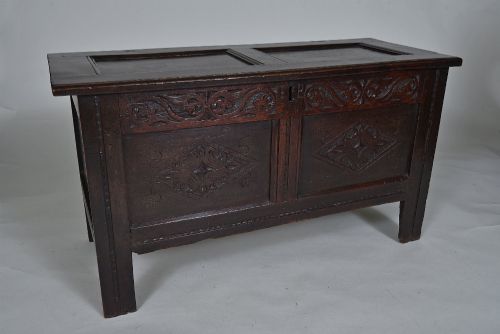

Jacobean Oak Box
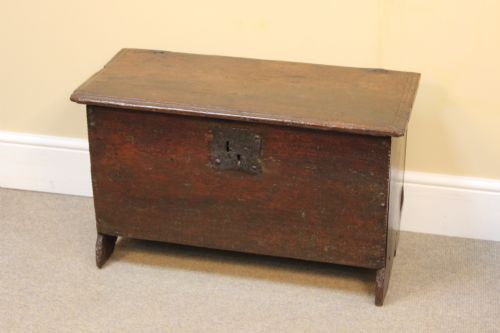
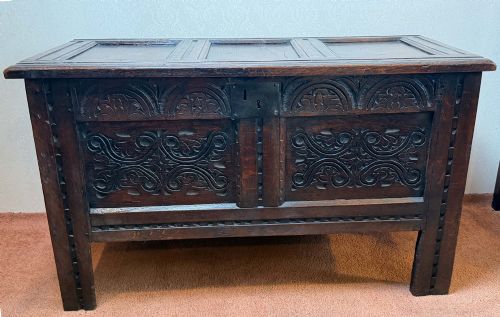
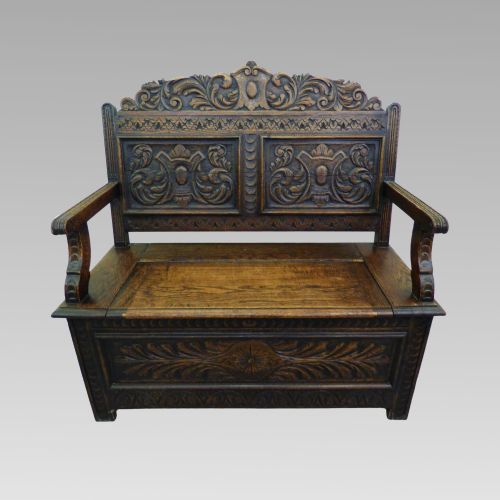
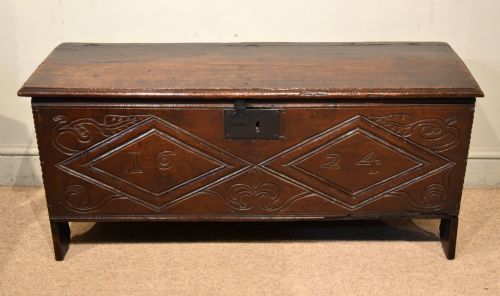
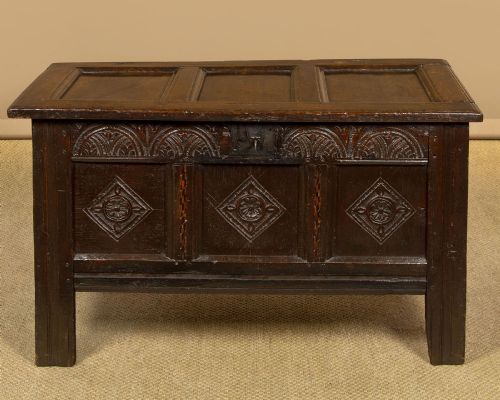
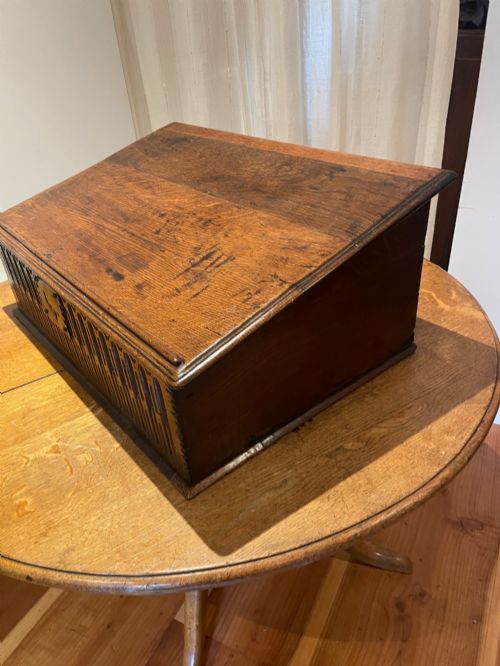
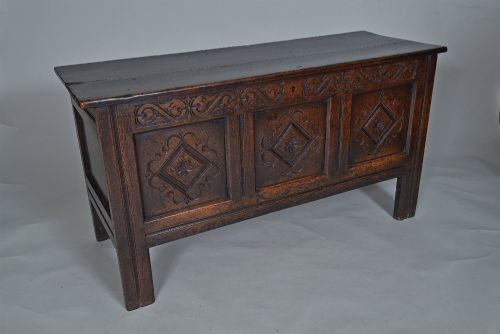
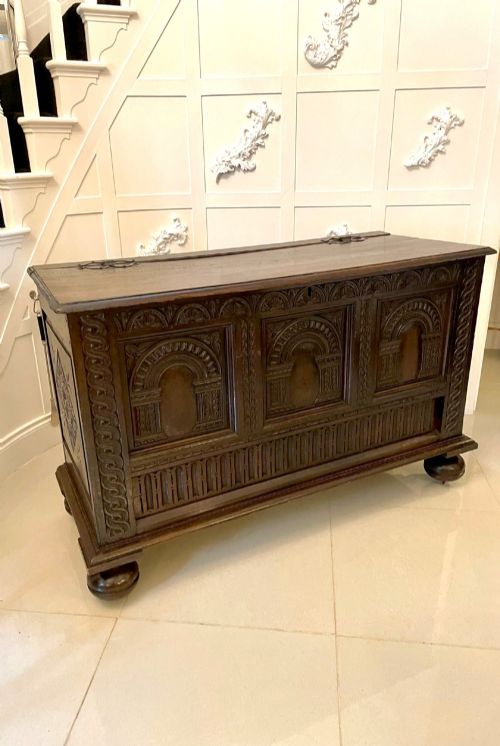
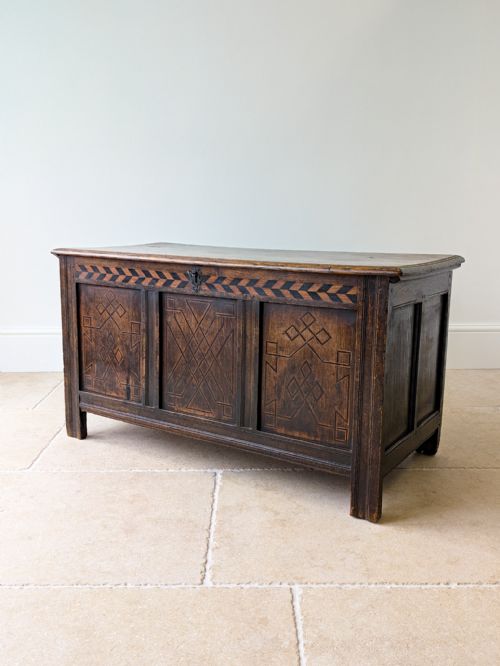
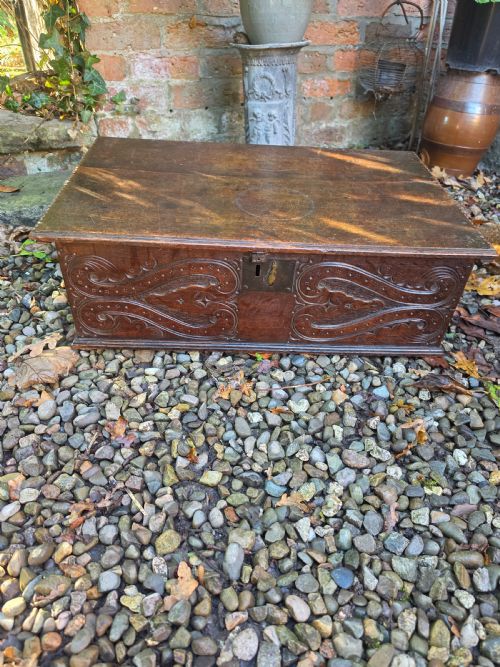
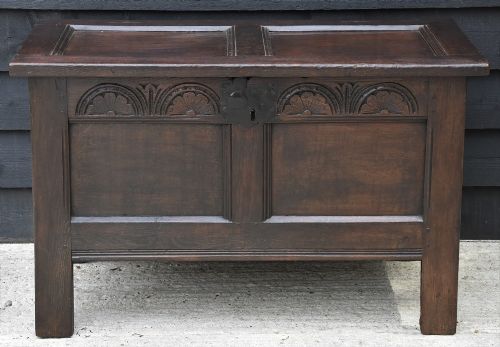
These jacobean oak box examples bring heavy timber and sturdy construction directly into a room, offering genuine historical utility.
Jacobean Oak Box
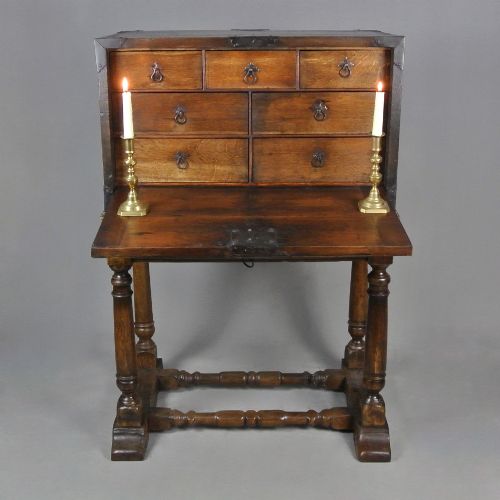
A jacobean oak box represents a sturdy form of early storage, built to secure valuable documents, Bibles, or personal items in seventeenth-century households. These pieces appear across various desk and deed box formats, alongside larger blanket chests and cabinets on stands.
Originating primarily from English and Welsh workshops, these items demonstrate the domestic requirements of their period. The utilitarian forms survive in configurations ranging from simple hinged lids to complex writing box constructions.
How They Were Made
The primary material across these pieces is solid oak, supplemented by iron hinges, locks, and brass details. Artisans utilised durable hardwoods to ensure the containers could withstand daily household use.
Construction techniques include panelled assembly and jointing suited to heavy timber work. Metal hardware such as iron and brass secures the lids and corners, completing the functional build of each box.
Jacobean Oak Box Retail Price Guide 2026
Typical asking prices for jacobean oak box among the pieces listed under this phrase on Sellingantiques today, from the lower quarter to the upper quarter. They describe what is for sale here now, not the wider market.
Some seventeenth-century boxes doubled as portable writing desks before dedicated furniture rooms existed.
What Varies in Quality
The distinction between standard examples and superior pieces rests upon the crispness of the timber work and the integrity of the original construction. Earlier seventeenth-century items display different handling of the wood compared to later revivals.
Hardware preservation alters the character of a box, with original iron and brass fittings contributing significantly to the historical coherence of the piece. The depth and integration of panel work also set individual examples apart.
The Jacobean Oak Box Glossary
- Jacobean
- Pertaining to the reign of James I, though the term often describes seventeenth-century English styles and furniture forms. It indicates the heavy proportions and dark timber typical of the period.
- Bible box
- A small desk box specifically intended to store a family Bible and writing materials. These pieces usually feature a sloping or flat hinged lid.
- Deed box
- A secure container designed for holding important legal documents and title deeds. They are typically fitted with robust iron locks.
- Kist
- A traditional northern term for a large chest or box used for domestic storage. These items are generally constructed from heavy oak planks.
- Country oak
- A descriptor for vernacular furniture made outside fashionable urban centres, prioritising utility over elaborate ornamentation. It relies on straightforward joinery and local materials.
Jacobean Oak Box: Frequently Asked Questions
What fits inside a jacobean oak box?
These containers were originally built to hold Bibles, important deeds, or personal writing materials securely. Their interior space accommodates documents and small household valuables.
Today, they serve well on tables or desks for storing modern letters, stationery, or cherished keepsakes.
How do I care for antique oak?
Keep the timber away from direct heat sources and sudden temperature fluctuations to prevent the wood from splitting. A light application of appropriate wax maintains the finish.
Avoid excessive polishing and damp conditions to preserve the natural grain and historical surface texture.
Are these boxes heavy?
Solid seventeenth-century oak construction yields a substantial weight relative to the physical size of the object. The density of the hardwood ensures durability.
Moving these pieces requires careful handling, particularly when lifting older items with historic iron hardware.
How can I tell the age?
Dating relies on observing construction methods, joinery types, and the wear patterns on the oak timber. Seventeenth-century examples display specific hand-working marks distinct from later revivals.
Hardware styles and the integration of the panels also provide clear indicators of the period of manufacture.