



Vintage Wooden Coffer
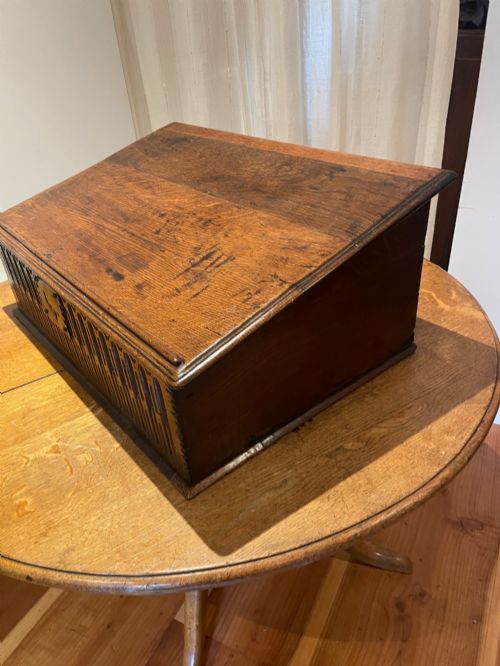
A vintage wooden coffer provides robust storage with centuries of practical craftsmanship behind its timber panels.
Vintage Wooden Coffer
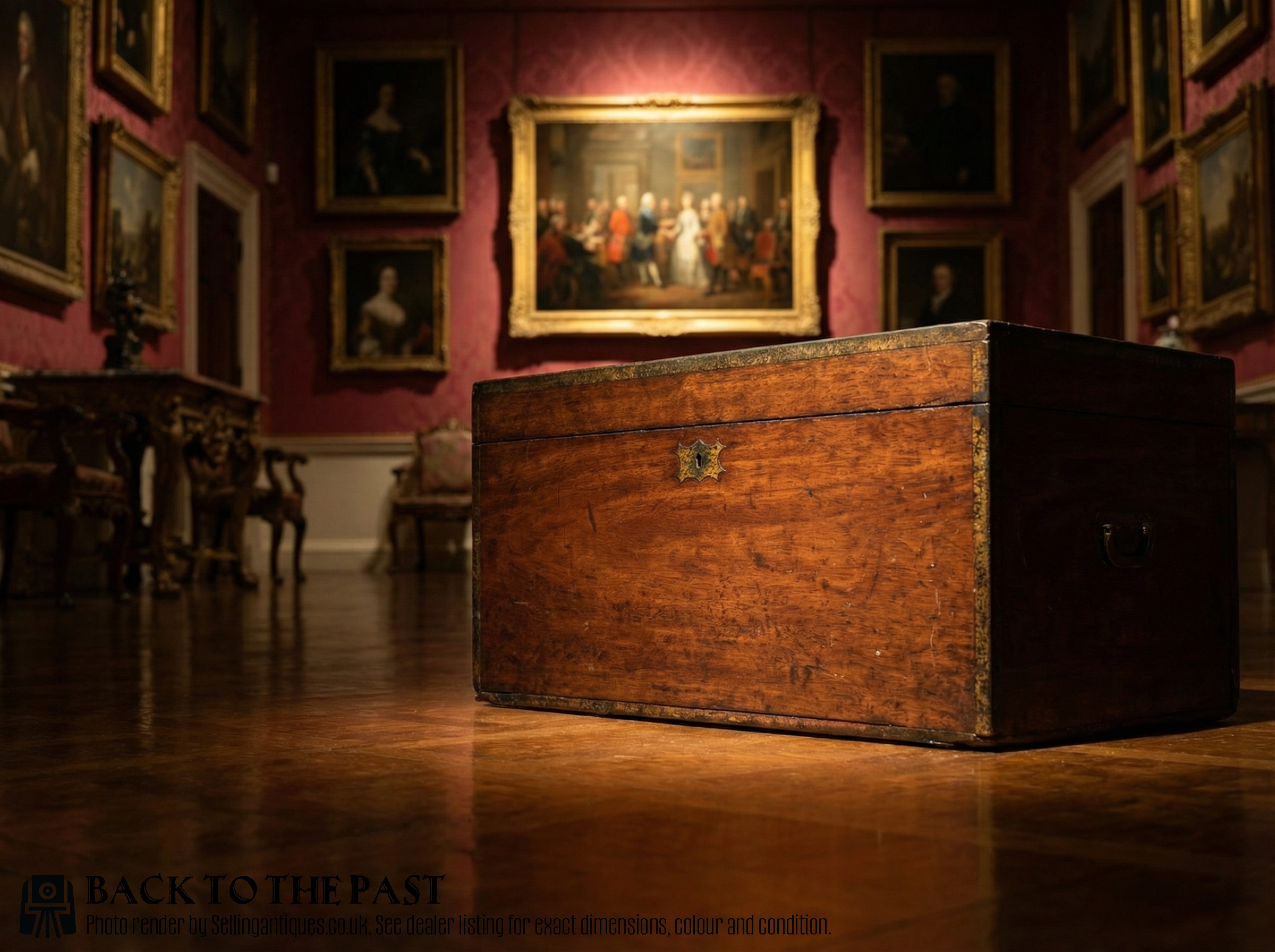
When you search for a vintage wooden coffer, you encounter sturdy storage chests designed to hold blankets, tools, or valuables across generations. The pieces available span from the seventeenth century through to the early twentieth century, reflecting domestic and military utility.
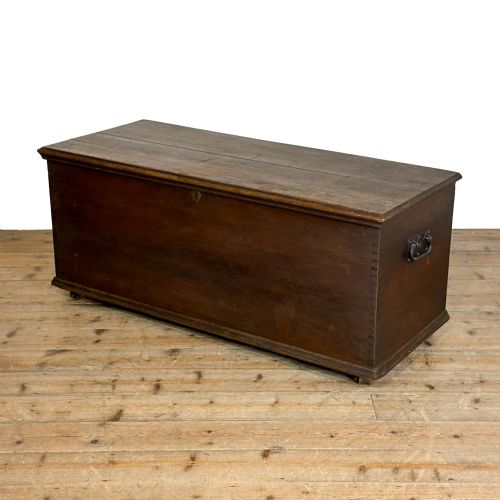
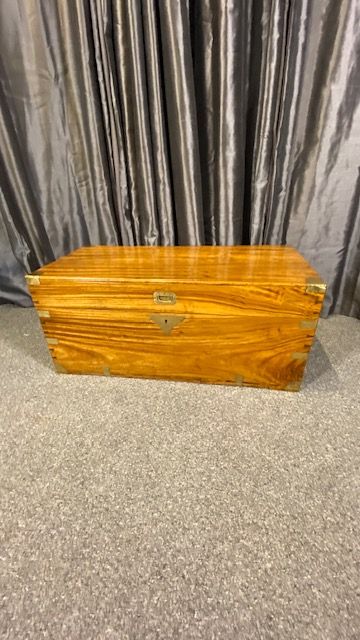
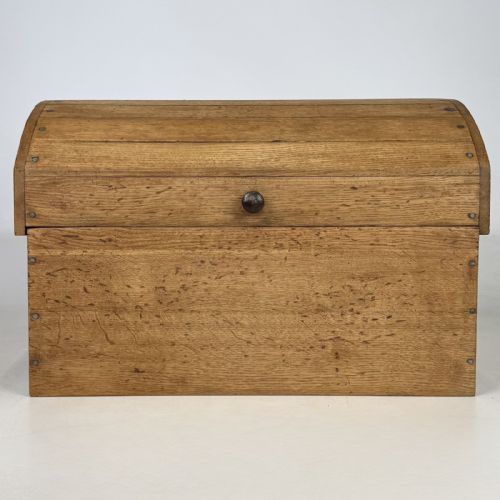
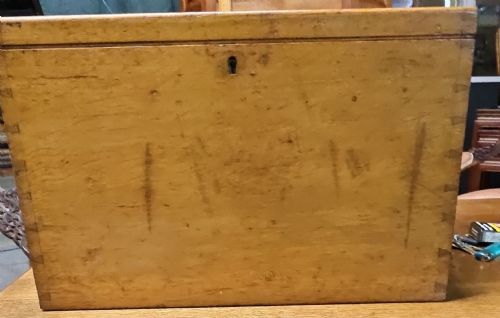
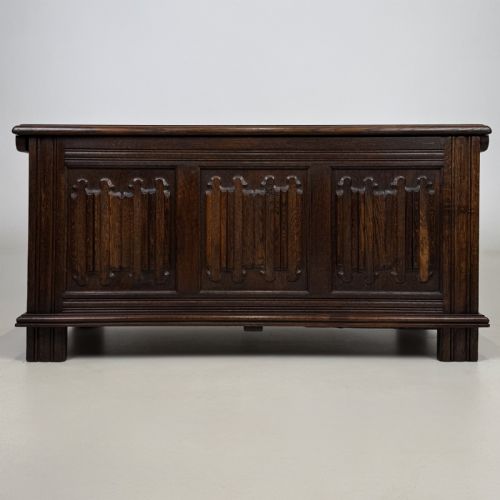
Pine blanket boxes and oak coffers form the majority of the items you will meet on this page. These sturdy trunks appear alongside camphor wood campaign chests and elm storage boxes originating from diverse domestic and international workshops.
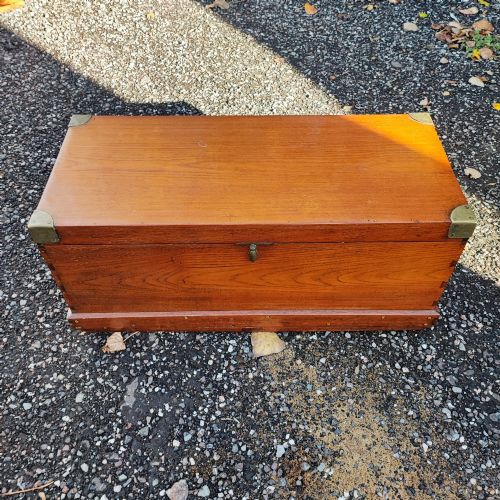
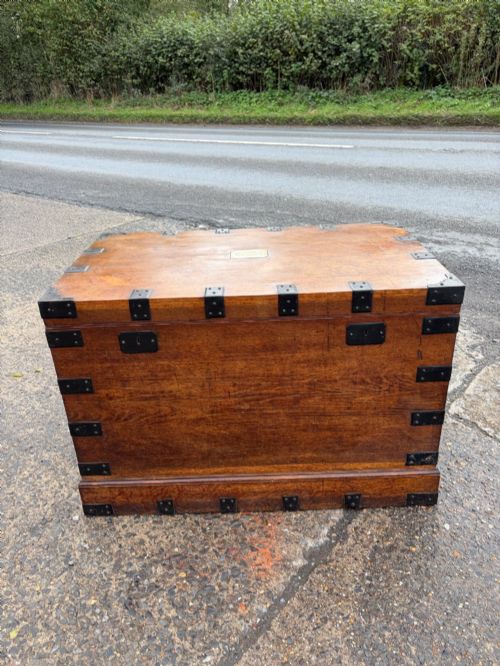
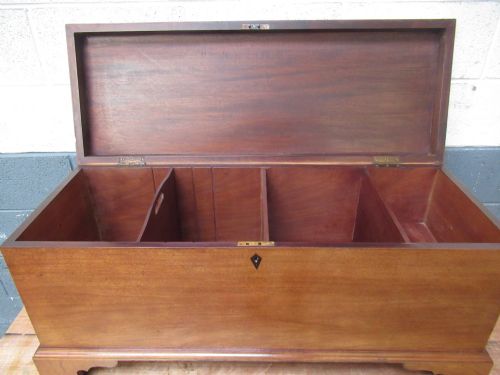
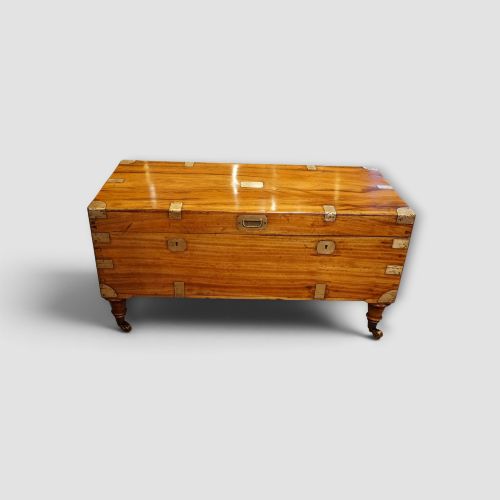
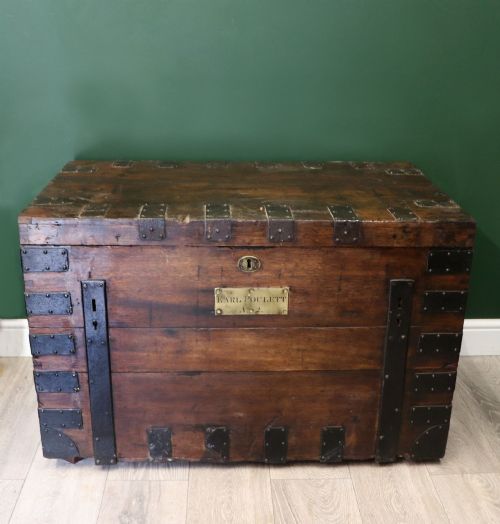
The functions range from rustic farmhouse blanket storage to brass-bound campaign trunks designed for colonial travel. Each object serves as a heavy-duty receptacle with a lift-up lid, often retaining interior till drawers or hand-forged iron strapwork.
How they were made
Cabinetmakers and joiners constructed these coffers using solid timbers such as oak, pine, elm, and camphor wood. Panels were joined using traditional methods, while exterior reinforcement relied upon brass banding and hand-forged iron strapwork.
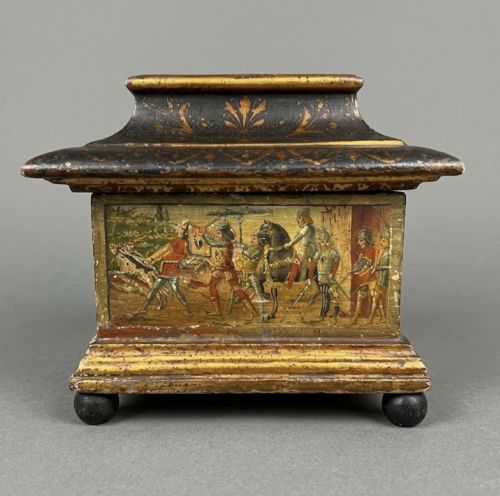
Surface treatments vary from polished flame mahogany and carved oak to painted folk art finishes and stripped pine surfaces. Hardware elements like brass corner brackets and iron hinges were integrated to withstand the rigours of domestic use and travel.
Vintage Wooden Coffer Retail Price Guide 2026
Typical asking prices for vintage wooden coffer among the pieces listed under this phrase on Sellingantiques today, from the lower quarter to the upper quarter. They describe what is for sale here now, not the wider market.
Camphor wood chests retain their distinct aromatic scent across the centuries, silently repelling moths from your modern jumpers.
What varies in quality
The distinction between standard utility items and superior examples lies in the selection of timber and the precision of joinery. Solid carved oak and figured mahogany represent a higher tier of craftsmanship than basic pine storage boxes.
Original hardware, including hand-forged iron straps and substantial brass bindings, elevates the integrity of a piece. The presence of carved detailing, inlaid mother of pearl, or intact internal drawers indicates workshop standards above ordinary utilitarian production.
The Vintage Wooden Coffer Glossary
- Cofer
- An antique chest or box with a lid, traditionally used for storing valuables and textiles. These timber receptacles date from the seventeenth century onwards.
- Campaign trunk
- A portable chest built in sections with brass corners and recessed handles for military transport. Officers utilised these durable boxes during nineteenth-century campaigns.
- Strappwork
- Metal bands fixed across the exterior of a chest for reinforcement and structural stability. Blacksmiths hand-forged these iron strips to secure heavy wooden lids and corners.
- Camphor wood
- An aromatic timber prized for campaign furniture because its natural scent repelled insects. Chests made from this wood often feature brass bindings for travel.
- Till
- A small internal compartment or lidded box fitted inside a larger chest for organising small items. These compartments frequently sit alongside the main storage cavity.
Vintage Wooden Coffer: Frequently Asked Questions
What is a wooden coffer used for?
These lidded chests provide practical storage for heavy household textiles, blankets, and personal belongings. Their robust construction allows them to function equally well as low tables or bench seating.
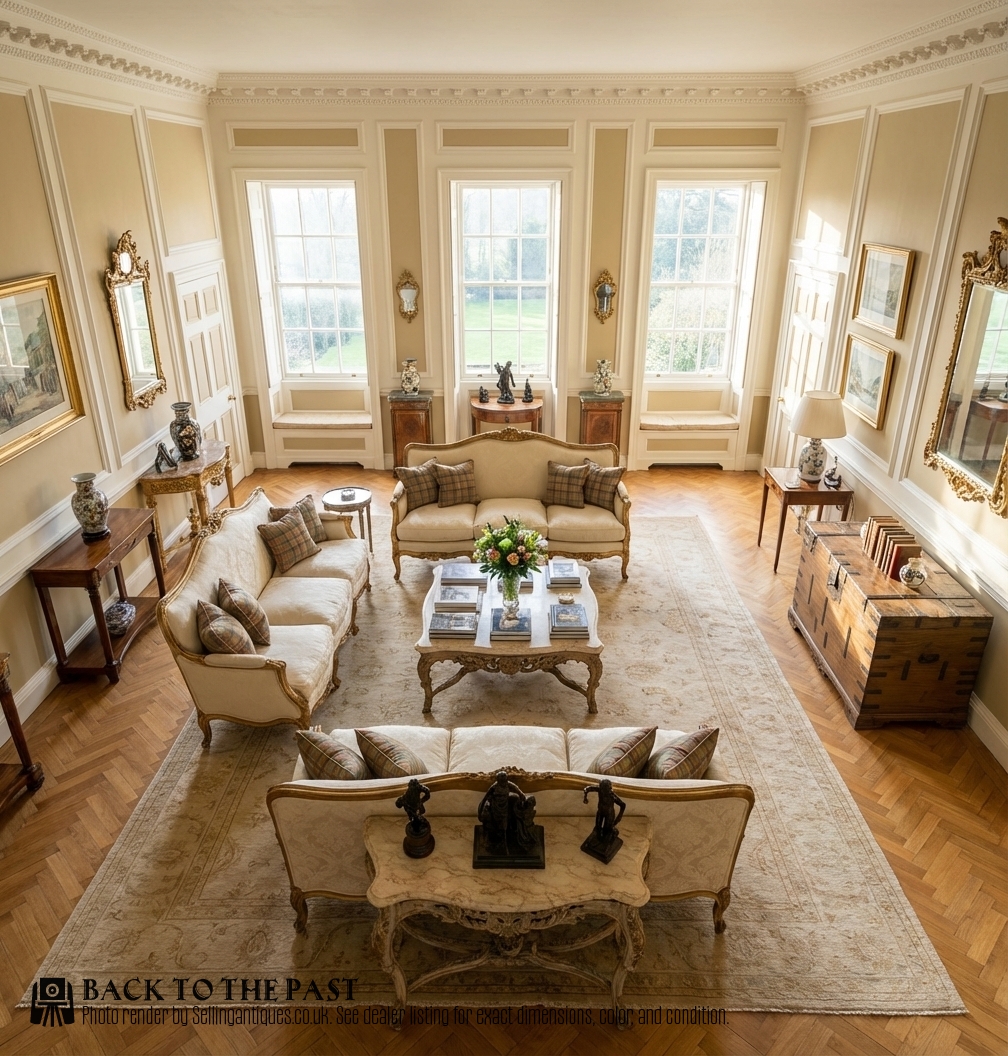
Historically, sturdy coffers protected valuable goods from dust, moisture, and pests in domestic settings. Today, they serve similar storage purposes while adding period character to hallways and living spaces.
How do I date a wooden coffer?
Dating relies upon examining the timber species, construction joints, and accompanying hardware such as hinges and locks. Earlier examples from the seventeenth and eighteenth centuries often display hand-carved oak panels and pegged joints.
Nineteenth-century variants frequently incorporate pine or camphor wood alongside machine-sawn elements and brass bindings. Stylistic cues like Victorian rustic farmhouse details or campaign brasses further narrow the period of origin.
What woods were used for these chests?
Cabinetmakers utilised native and exotic timbers depending on the intended function and geographical origin of the chest. Oak and elm predominated in early British and Scandinavian pieces, while pine served common domestic blanket boxes.
Imported varieties such as camphor wood, teak, and padouk appeared in nineteenth-century campaign trunks and colonial boxes. Mahogany and walnut were reserved for finer domestic storage furniture.
How do I care for a vintage wooden coffer?
Preserving the timber involves maintaining a stable indoor humidity away from direct heat sources and sunlight. Gentle dusting with a dry cloth keeps the surface clean without stripping historic finishes.
Waxing unpainted wooden surfaces periodically helps nourish the dry grain and protects against minor scuffs. Metal hardware should remain dry to prevent oxidation on iron strapwork and brass mounts.