

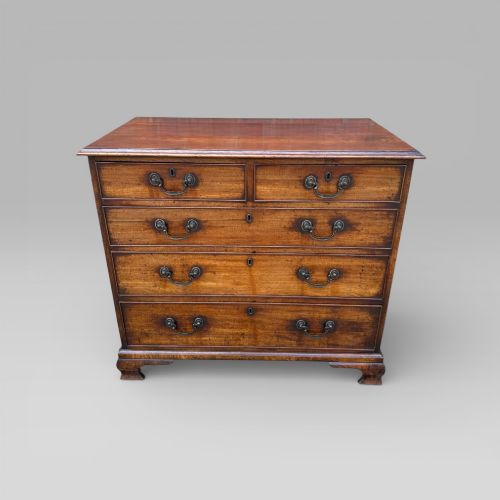
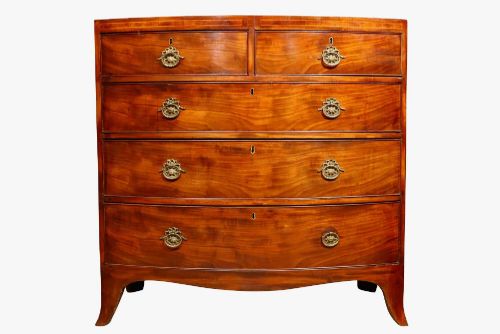
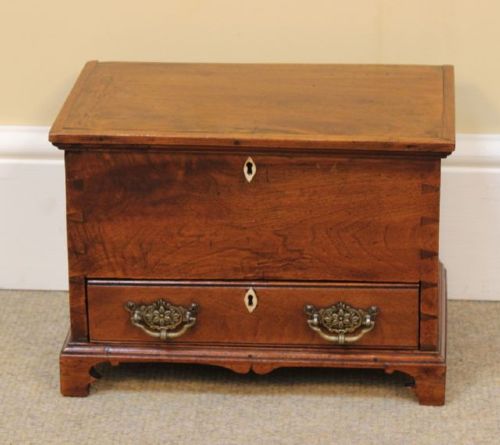
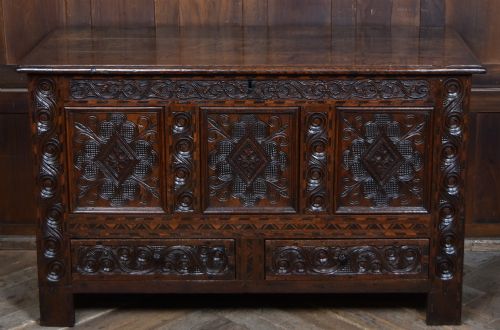
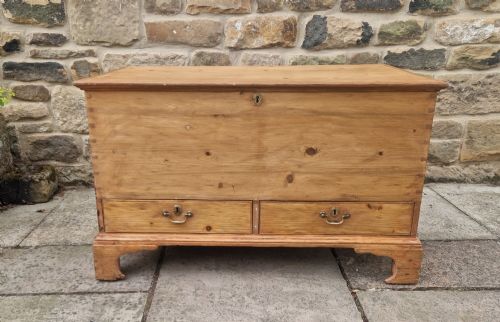
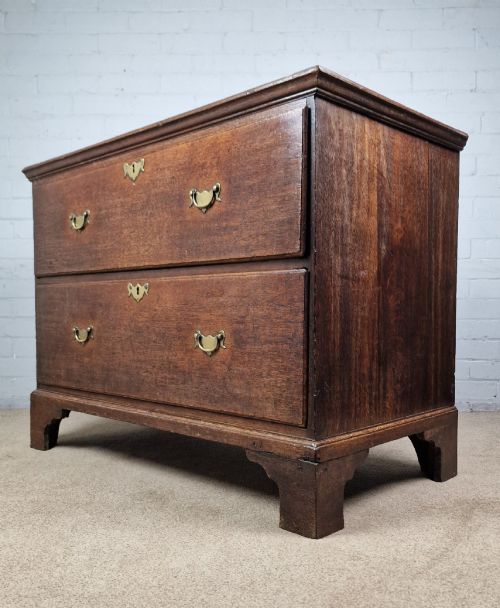
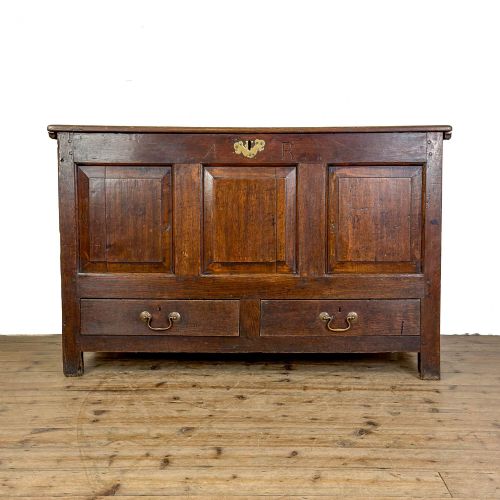
Georgian Coffer with Drawers
A Georgian coffer with drawers is a sturdy domestic storage chest built to keep household linens or garments, prized for practical solidity and period character.
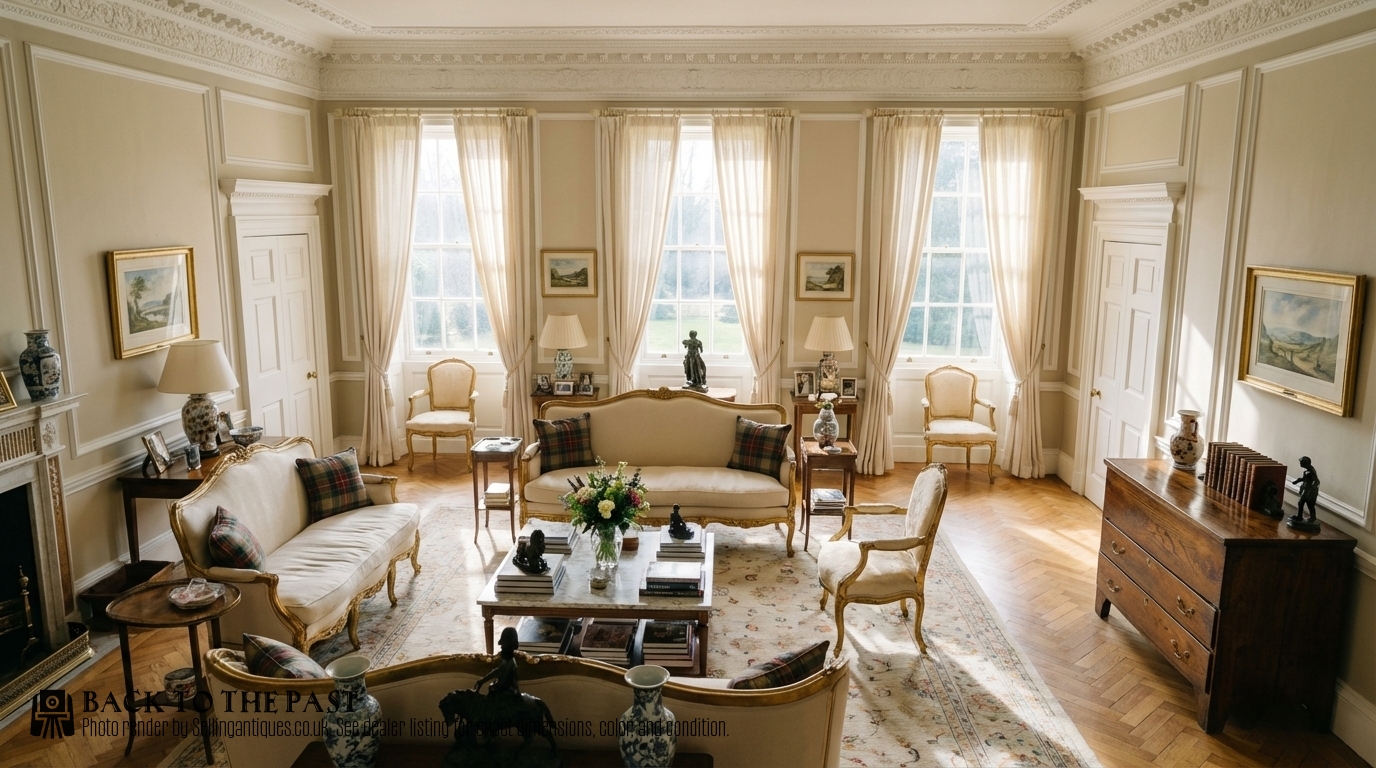
What a Georgian coffer with drawers is
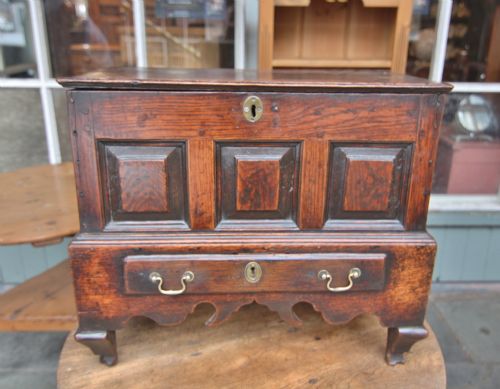
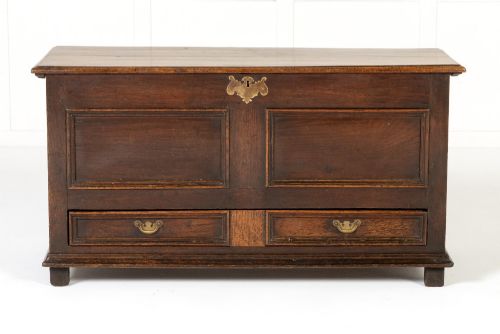
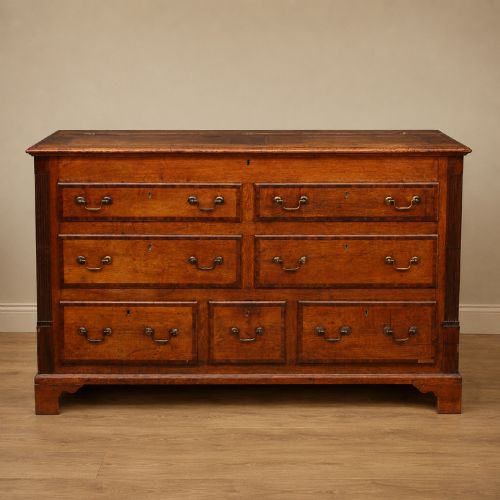
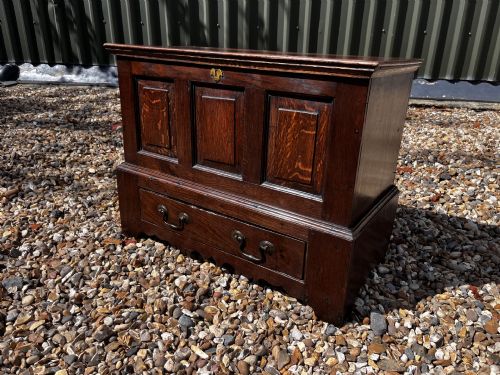
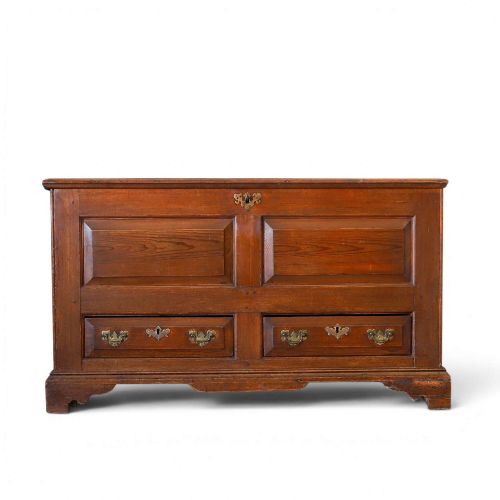
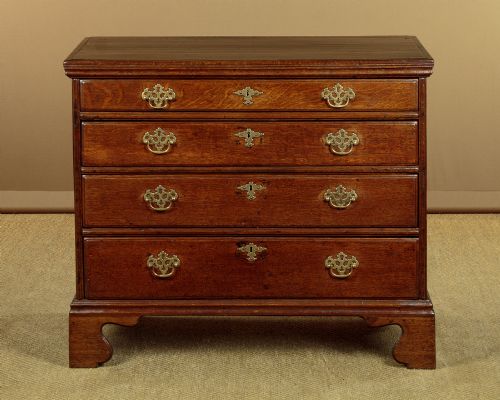
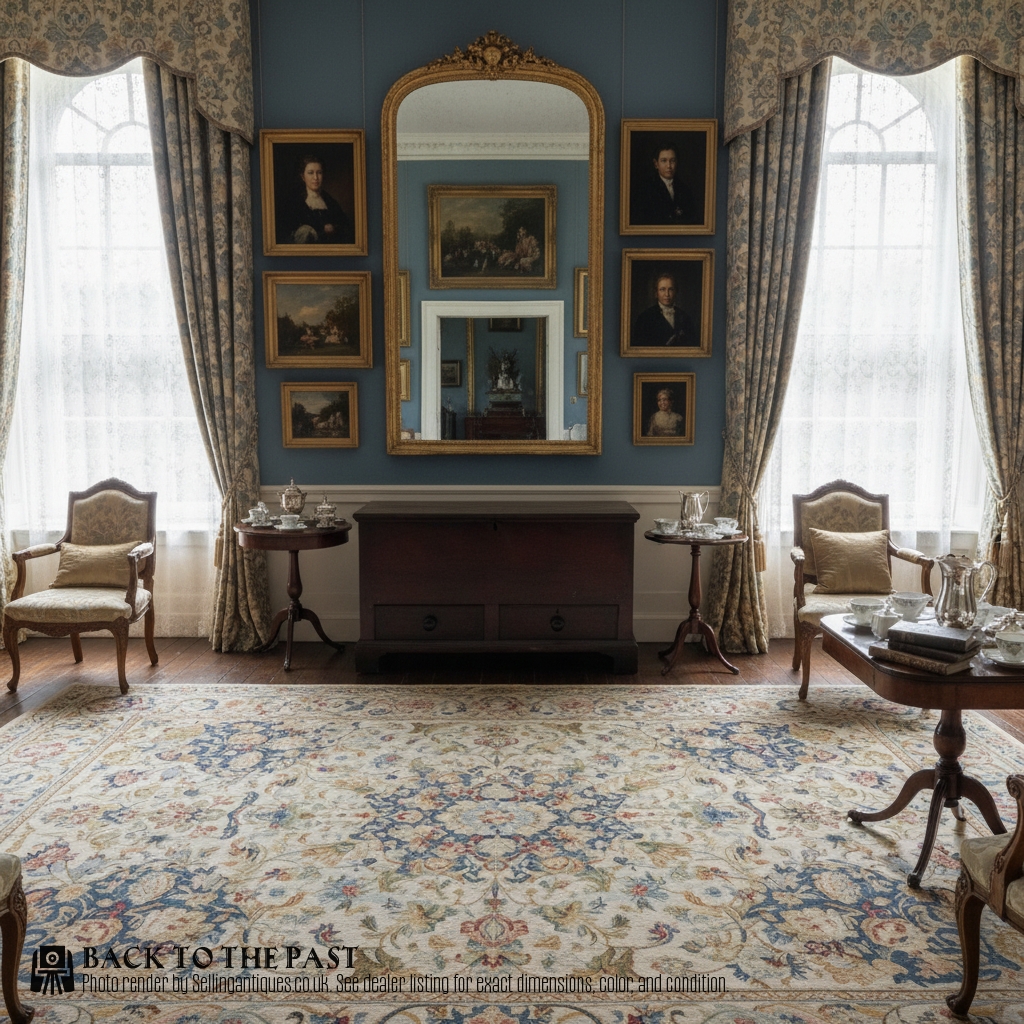
A georgian coffer with drawers combines a top-opening storage trunk with one or more base drawers beneath the main compartment. This hybrid form bridges the traditional coffer and the chest of drawers.
Most examples seen here emerge from the Georgian period, including specific mentions of George II styling. These items take the form of mule chests, storage chests, and blanket chests.
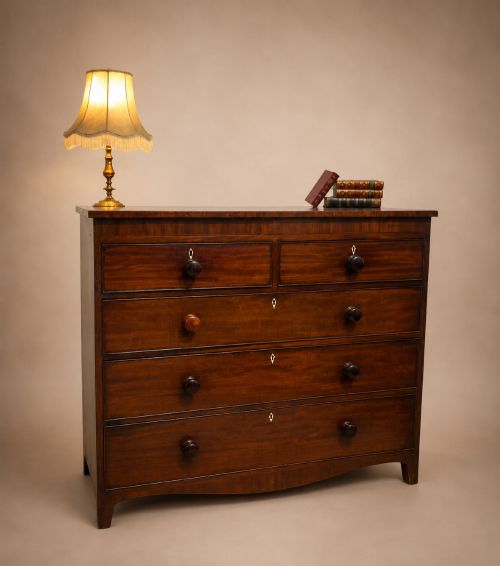
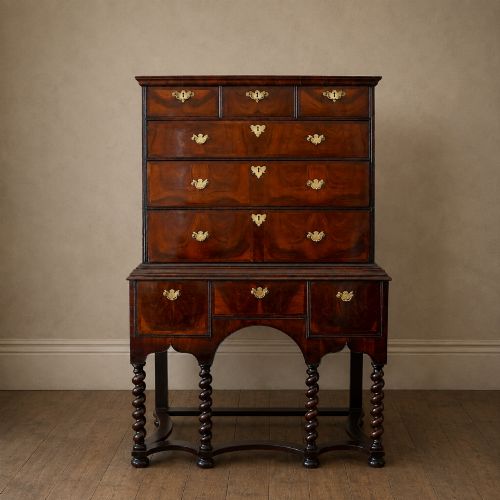
The primary forms on this page include mule chests and chests with stands, constructed primarily in oak, mahogany, elm, and painted pine. These pieces served generations of households for storing textiles before built-in wardrobes became common.
How they were made
Cabinet makers built these pieces using solid timbers such as oak, mahogany, elm, and pine. Panels were jointed together to withstand heavy domestic use.
Metal elements including brass and general metal hardware appear on handles, escutcheons, and hinges. Paint surfaces also feature on specific pine variants.
Retail Price Guide 2026
Typical UK retail prices for georgian coffer with drawers, calculated from the Sellingantiques database of over a million retail prices indexed since 2003. This retail price guide relies exclusively on Sellingantiques data; no external sources or auction records are used, so the figures do not describe the wider market.
Listings span the Georgian period, utilising oak, mahogany, elm, pine, brass, and painted finishes.
What varies in quality
Quality rests in the choice of timber and the handling of the grain, particularly in figures using dense mahogany or figured oak. Dense, well-chosen boards elevate a piece far above utilitarian pine versions.
The sophistication of the joinery and the retention of original brass hardware dictate the standing of an individual chest. Pieces retaining their early metalwork and clean drawer construction represent the upper tier of the range.
The Georgian Coffer with Drawers Glossary
- Mule chest
- A storage chest featuring one or more drawers built into the base beneath the main lift-top compartment. This form developed during the seventeenth century and remained popular through the Georgian era.
- Escutcheon
- A protective plate surrounding the keyhole of a drawer or lid. These brass or metal fittings often indicate the period style.
- George II
- An architectural and furniture style spanning the mid-eighteenth century. Pieces from this era often display robust proportions and dark mahogany timbers.
Frequently Asked Questions
What is a mule chest?
A mule chest is a traditional storage box that combines a lift-open lid with one or more drawers fitted beneath the main compartment. It bridges the gap between a standard blanket box and a chest of drawers.
Cabinet makers produced these pieces extensively throughout the Georgian era for domestic linen and clothing storage.
What woods were used?
These chests appear in several primary timbers including oak, mahogany, elm, and pine. Oak and elm tend to feature in earlier or more rustic country pieces.
Mahogany appears more frequently in refined Georgian examples, while pine often carries a painted finish.
How do I date a Georgian coffer?
Dating relies on timber choice, construction methods, and hardware styles. Oak and elm generally point toward earlier regional work, while mahogany aligns with mid-eighteenth-century standards.
Drawer construction and internal secondary woods provide further clues regarding the decade of manufacture.
Where were they used?
These pieces served practical storage functions in bedrooms, hallways, and living quarters of Georgian homes. Their dual function allowed bulky blankets to sit in the top section while smaller garments occupied the base drawers.
They formed central items of household furniture before fitted wardrobes became standard.