
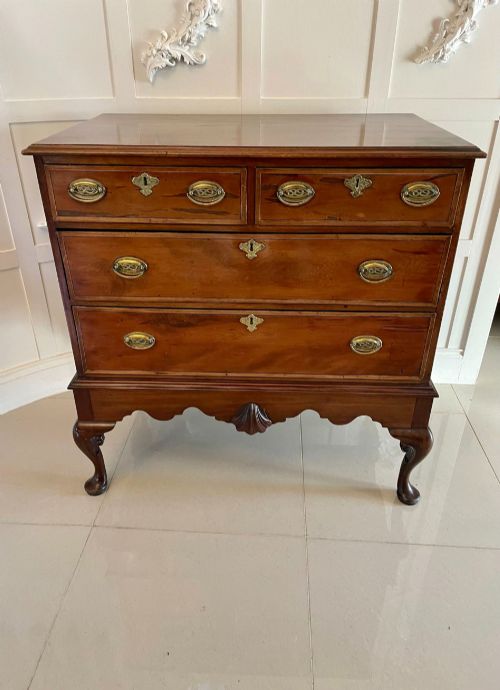
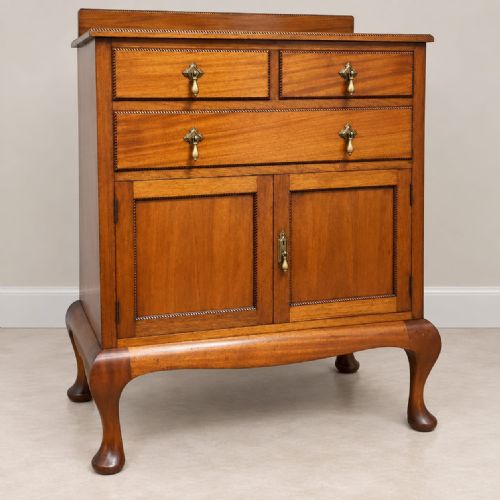
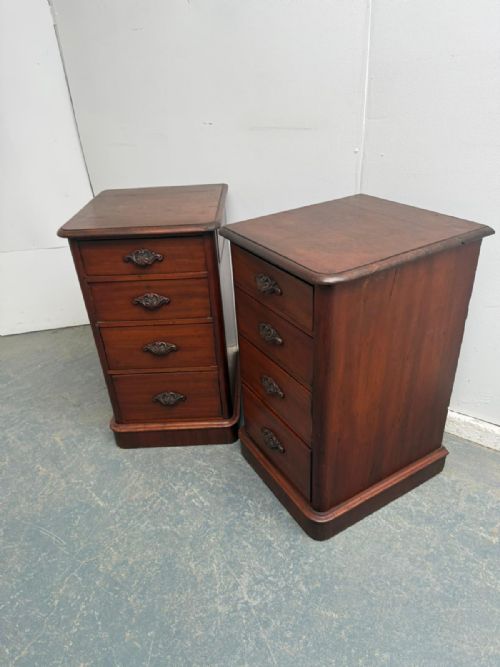
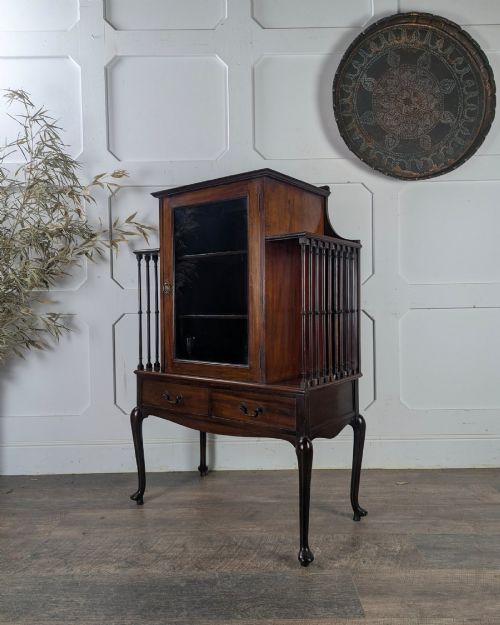
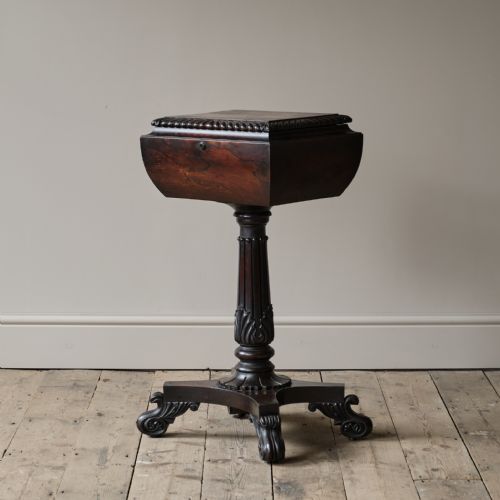
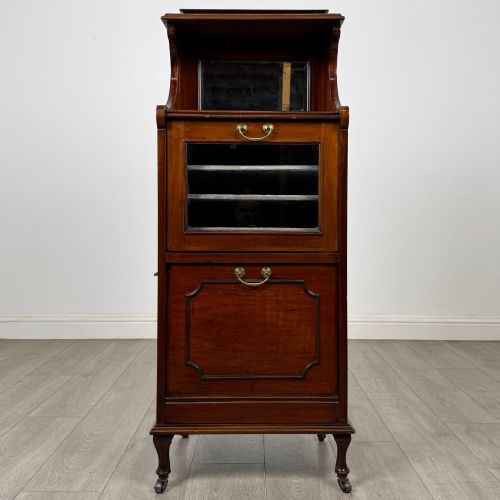
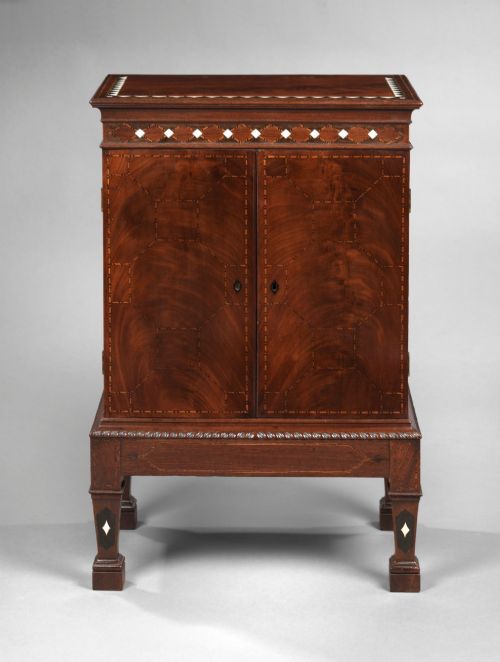
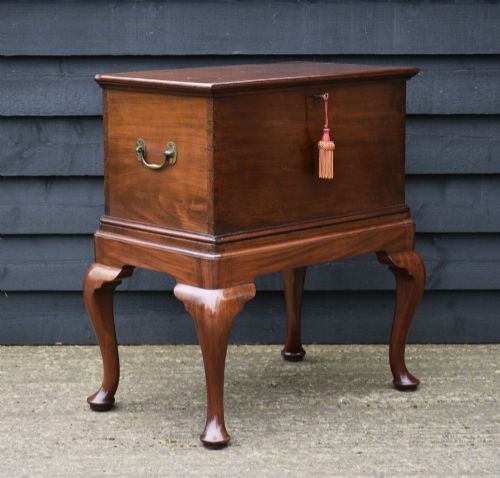
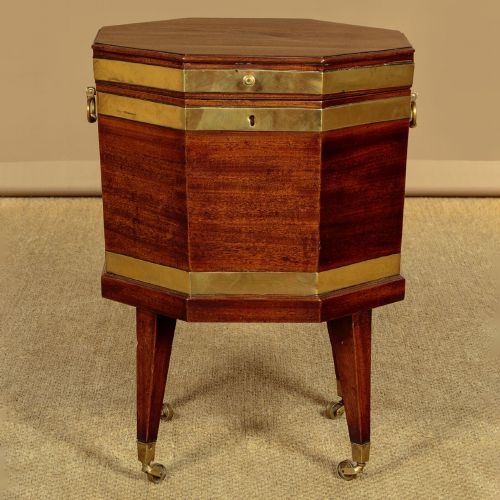
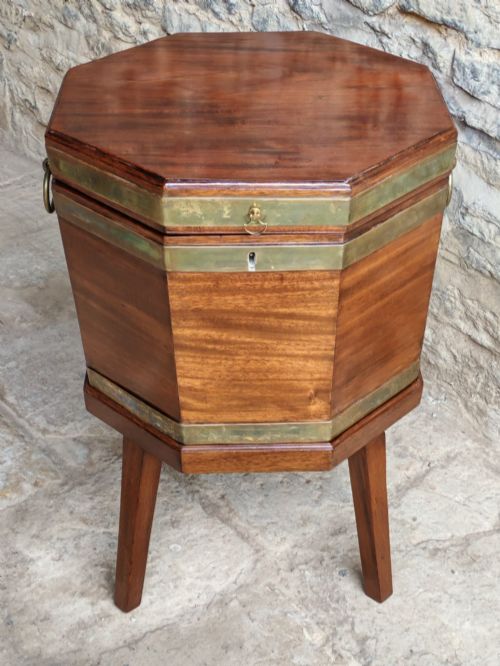
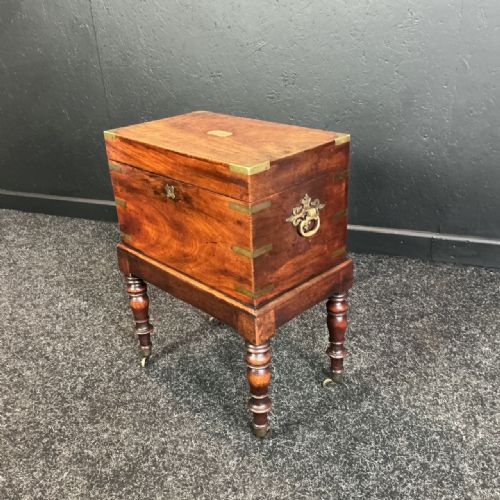
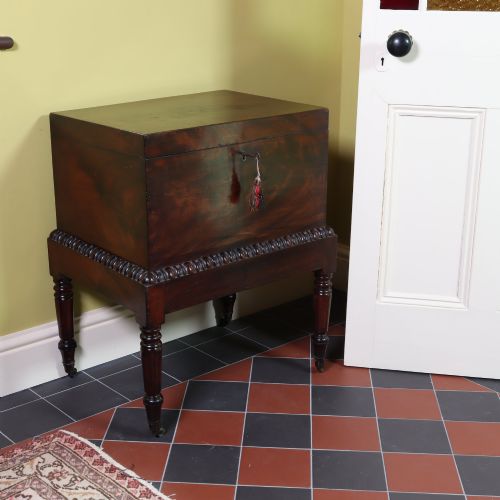
Mahogany Chest on Stand
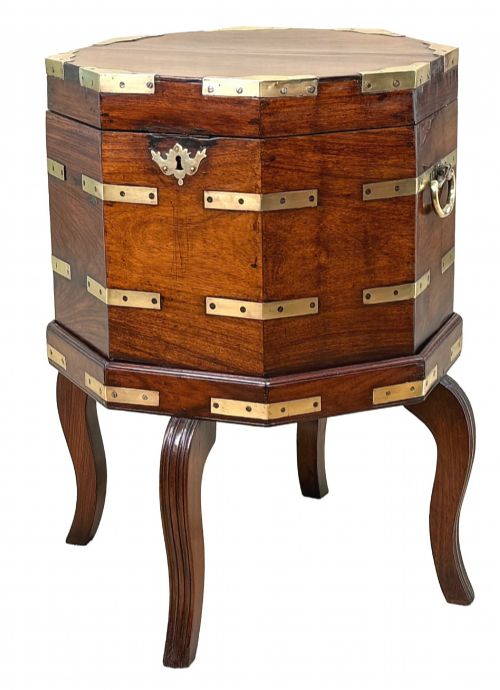
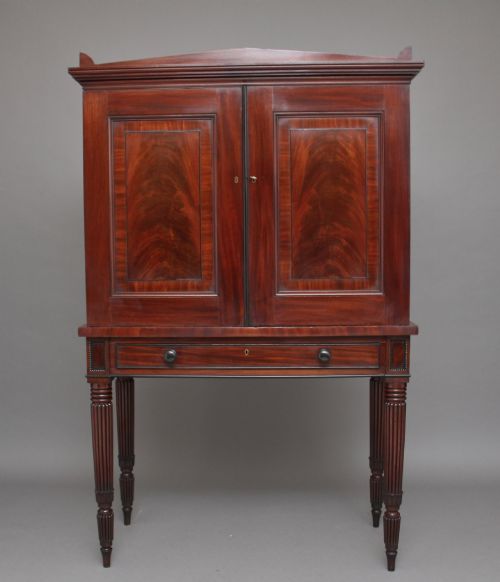
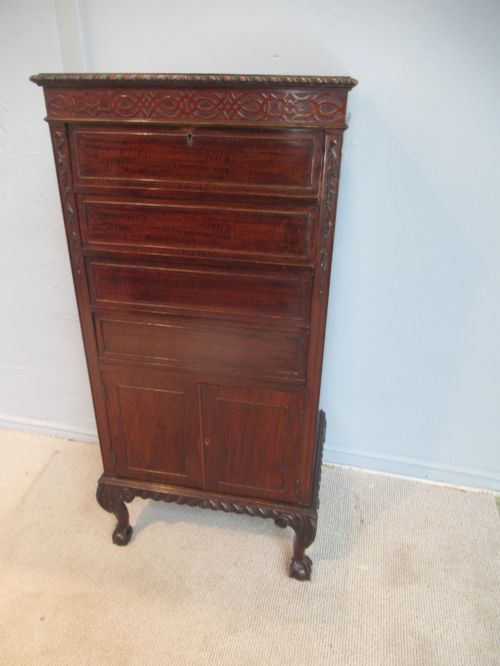
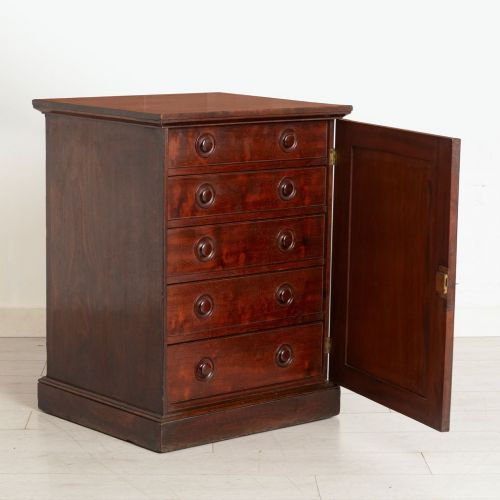
Mahogany chest on stand pieces are raised storage units combining lower frames with drawer sections, sought after for compact elevation and rich timber grains.
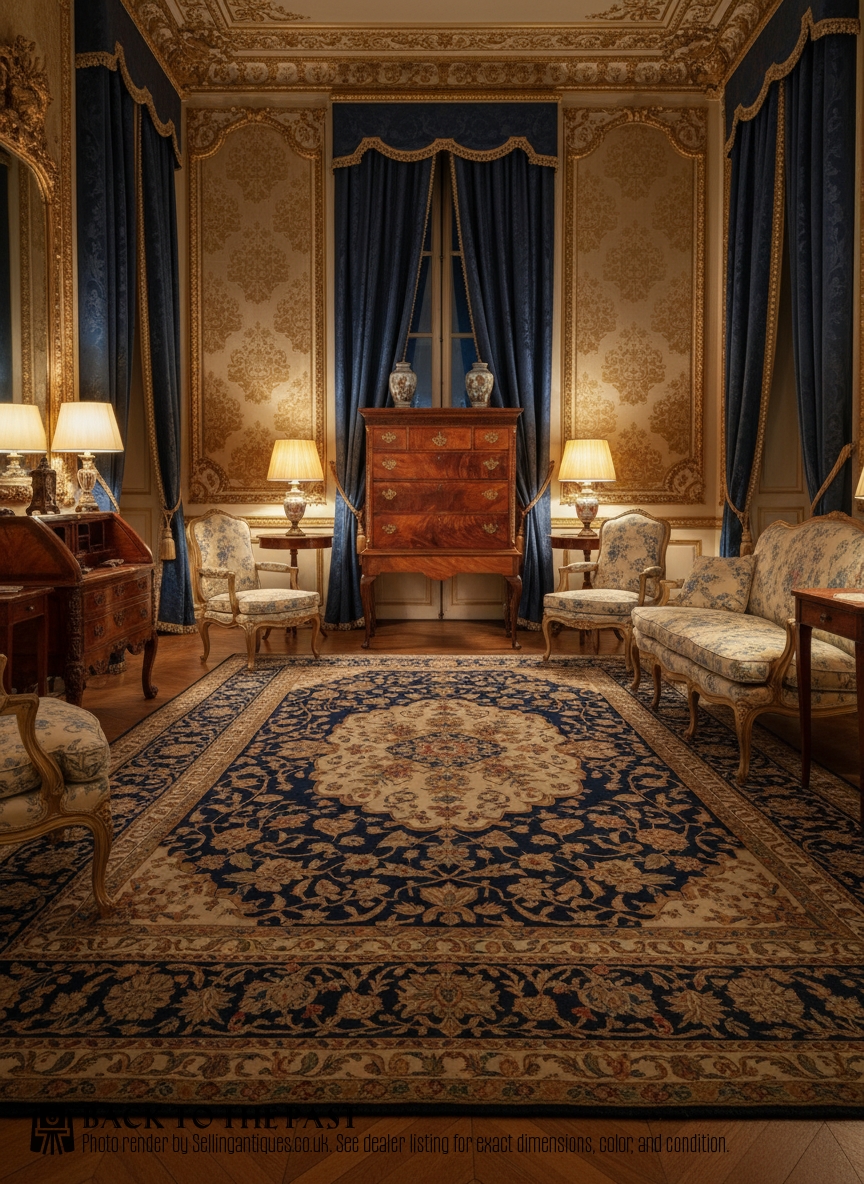
Mahogany Chest on Stand
A mahogany chest on stand consists of a primary drawer section elevated on an integrated or matching lower framework, often dating from Georgian, Victorian, and Edwardian periods.
The form ranges from compact specimen or collectors chests to larger silver chests and drawer units raised on bracket feet, legs, or stands.
Buyers encountering this phrase find examples crossing stylistic boundaries into Chippendale influences, George III eras, and later Edwardian interpretations.
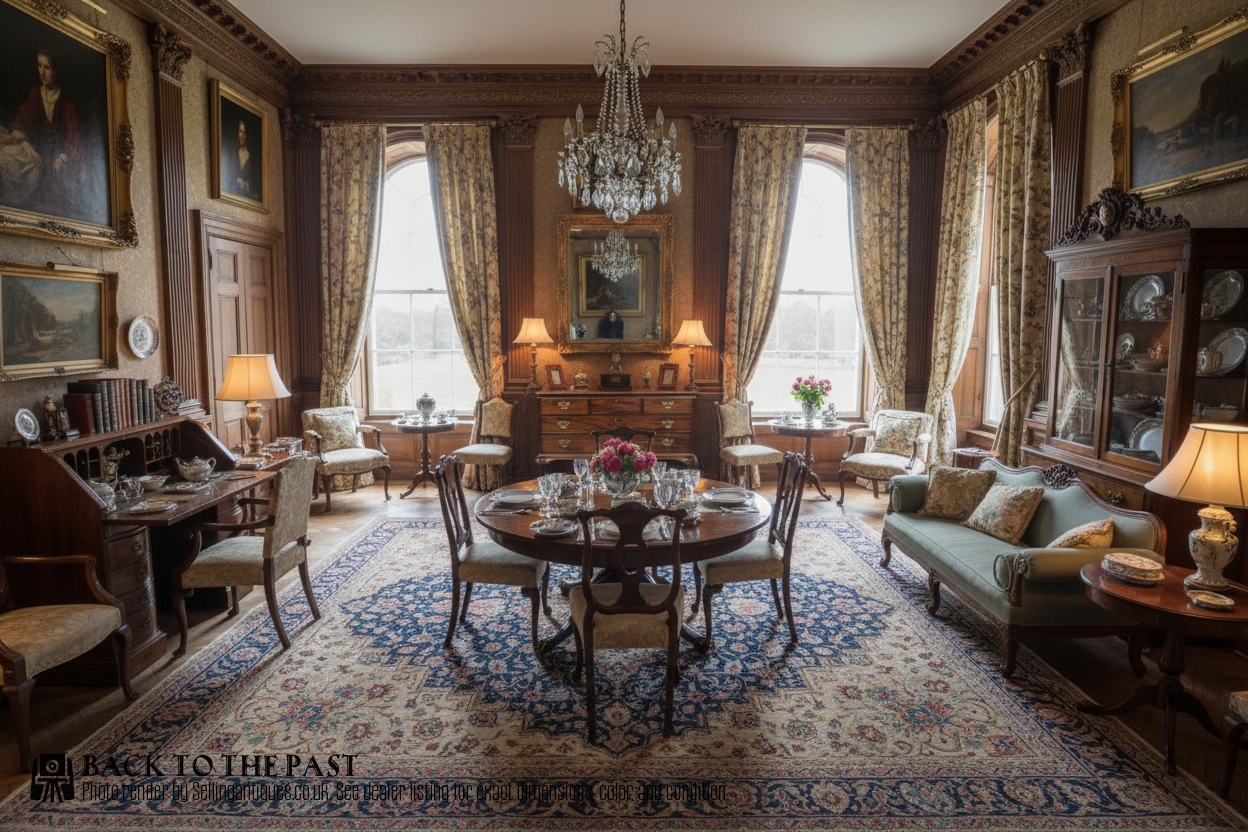
How they were made
Cabinet makers utilised solid mahogany and figured veneers, frequently selecting flame grain patterns for visual depth on the primary drawer fronts.
Detailing often incorporated satinwood and boxwood inlay work, alongside cast brass handles, escutcheons, and occasional glass elements.
Structural integrity relied on dovetailed drawer construction and stable joinery connecting the upper chest body securely to its underlying stand.
Mahogany Chest on Stand Retail Price Guide 2026
Typical asking prices for mahogany chest on stand among the pieces listed under this phrase on Sellingantiques today, from the lower quarter to the upper quarter. They describe what is for sale here now, not the wider market.
Listings feature mahogany chests spanning Georgian, Victorian, and Edwardian periods, utilising brass, glass, and satinwood inlay.
What varies in quality
The sophistication of the timber figure defines the upper tier, where carefully matched flame mahogany veneers and crisp inlay display superior craftsmanship.
Proportion and structural harmony between the upper chest and the supporting stand dictate the visual success of the piece.
The refinement of brass mounts, original hardware, and subtle carved details separate standard utility examples from masterworks.
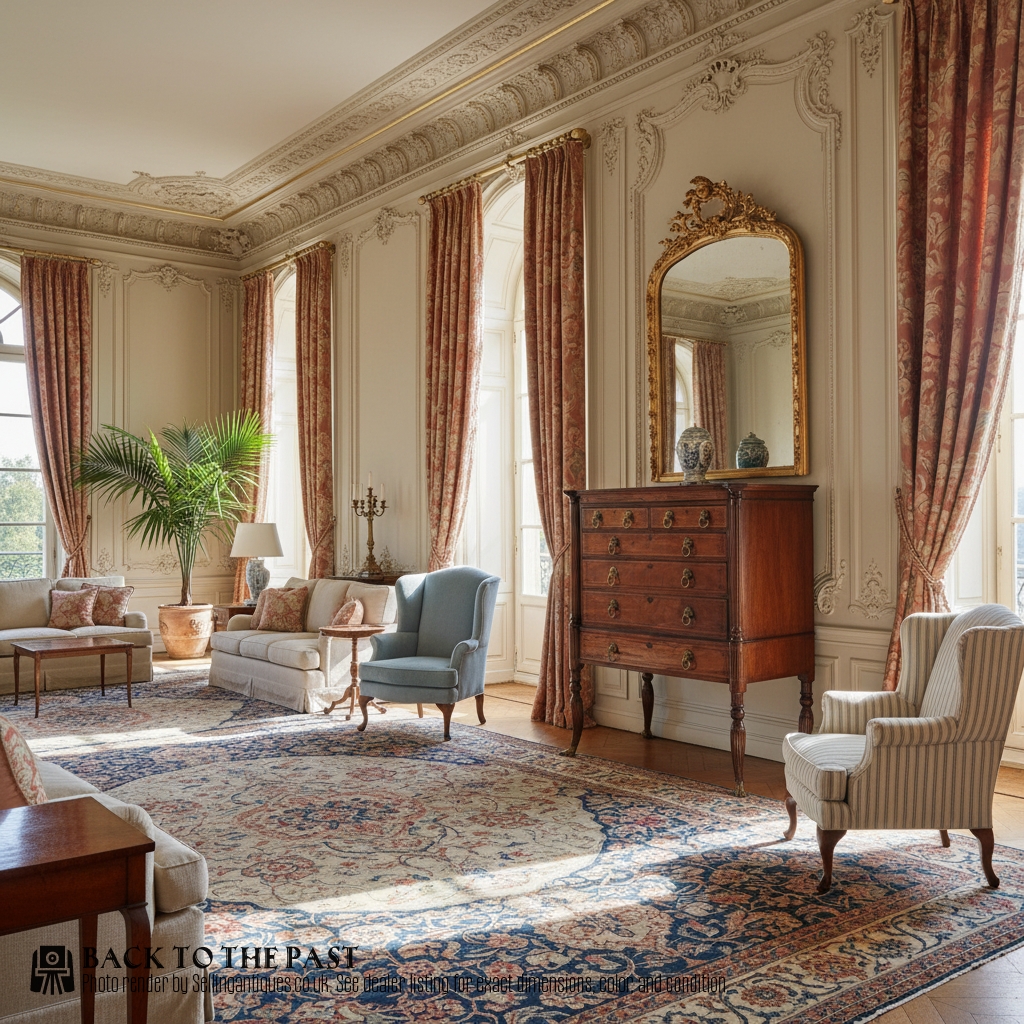
Gillows
The Mahogany Chest on Stand Glossary
- Flame mahogany
- A distinctive wood grain figure resembling flickering flames, created by cutting across the branch junctions of the tree. This highly decorative veneer is frequently centered on drawer fronts.
- Chest on stand
- A two-part furniture form featuring a drawer box elevated on a separate or integrated leg frame. It lifts storage off the floor to create a lighter visual profile.
- Inlay
- A technique where contrasting woods like satinwood or boxwood are fitted into hollowed spaces on the primary surface. It creates geometric or botanical patterns across the timber.
- Dovetail
- A traditional interlocking joint used to connect drawer sides to drawer fronts and backs. Its tight triangular fingers provide immense resistance against pulling apart.
- Bracket foot
- A structural support extending from the bottom corners of a case piece, shaped like a bracket. It anchors heavier furniture with clean architectural lines.
Mahogany Chest on Stand: Frequently Asked Questions
What is a mahogany chest on stand?
A mahogany chest on stand is an elevated storage cabinet where a primary drawer section sits upon an open or framed support structure. These pieces combine the practicality of drawer storage with a lighter, raised profile.
Originating primarily across the Georgian and Victorian eras, the form accommodates various uses from general storage to specialised collectors cabinets. The separation between chest and stand creates distinct proportions that define the silhouette.
How were these cabinets used originally?
These cabinets served domestic purposes ranging from general clothing storage to housing specialised items like silver, documents, or natural history specimens. The raised stand kept contents away from damp floors and made access more ergonomic.
Smaller variants functioned in bedrooms or parlours for personal effects, while larger versions held valuable tableware or collections. Their dual-part construction allowed for easier movement within grand houses.
Where should I place one at home?
A mahogany chest on stand suits hallways, living rooms, or bedrooms where floor space benefits from the open area underneath the stand. The raised legs create visual breathing room that heavier box furniture lacks.
Position them against plain walls to let the figured timber grain and brass hardware become a focal point. Avoid placing them in direct sunlight or near heat sources to protect the polished mahogany finish.
How do I tell Georgian from Victorian pieces?
Georgian examples generally exhibit restrained classical proportions, finer dovetailing, and understated bracket feet or straight legs. The mahogany used often has a rich, deep patina developed over centuries of polish.
Victorian and later pieces frequently introduce heavier turnings, bolder brass mounts, or different interior configurations influenced by changing revival styles. Examining the secondary woods inside the drawers helps confirm the manufacturing period.