




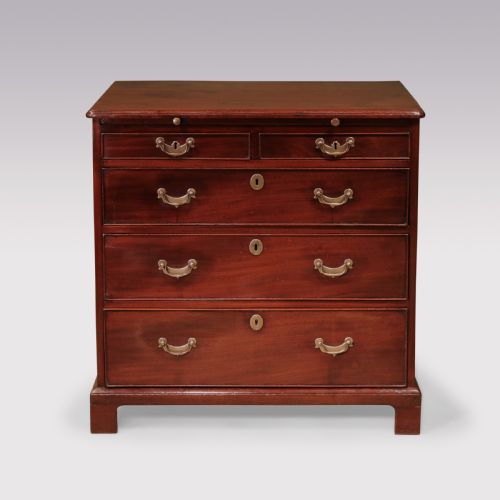

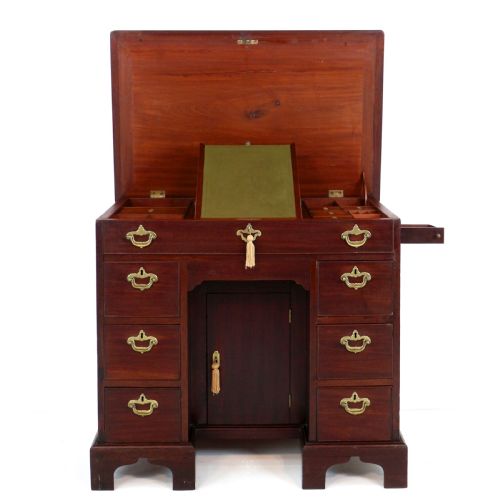

George II Mahogany Chest
A george ii mahogany chest brings mid-eighteenth-century presence and rich timber depth into a room.
Identifying George II mahogany chests
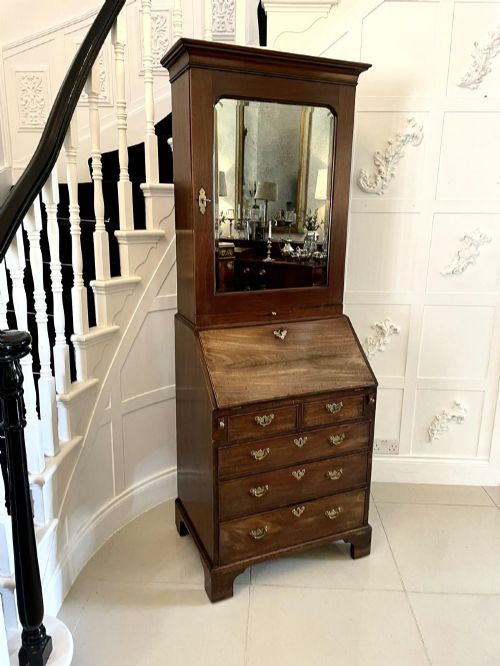
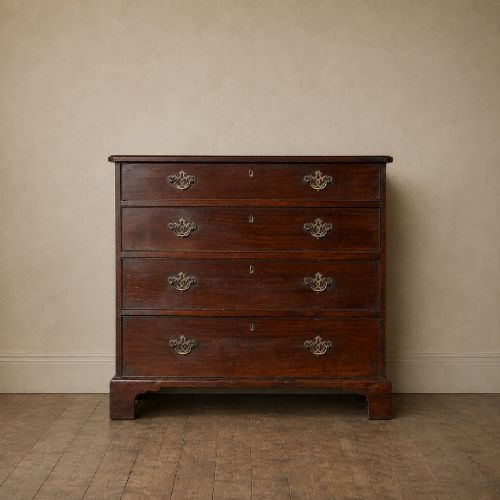
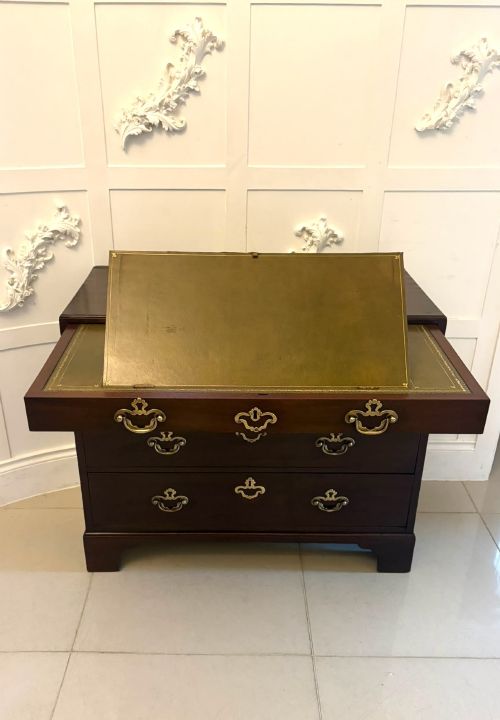
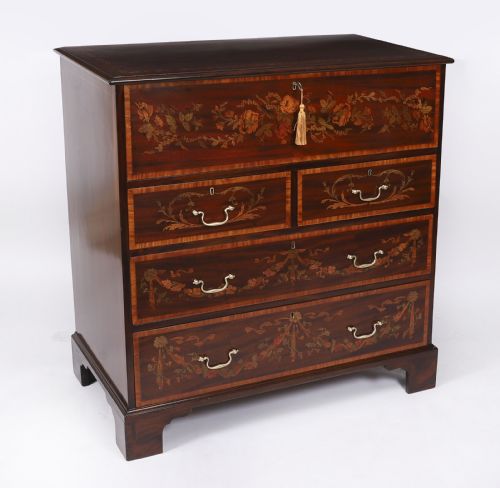
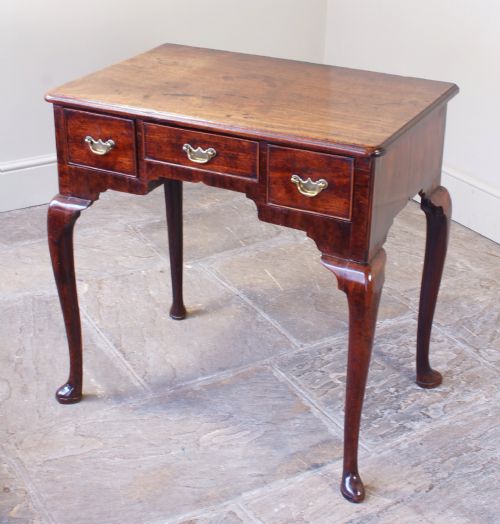
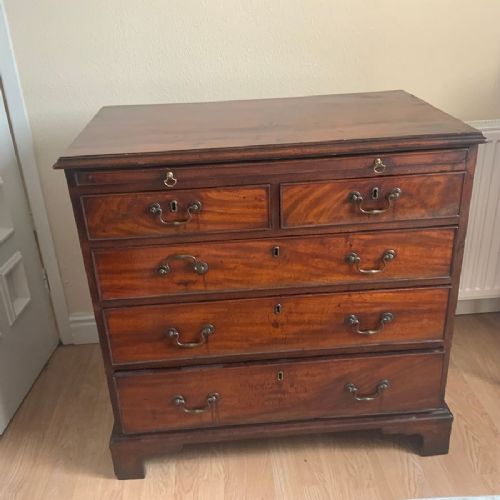
A george ii mahogany chest stands as a robust piece of eighteenth-century case furniture built from dense timber. The listings show forms ranging from standard drawer units to dressing chests, chests on stands, and examples featuring pull-out brushing slides or writing drawers.
Most pieces seen here originate from the mid-eighteenth century within the Georgian era. Buyers encounter formats such as compact proportions or raised stands, reflecting the domestic requirements of the period.
Materials and construction
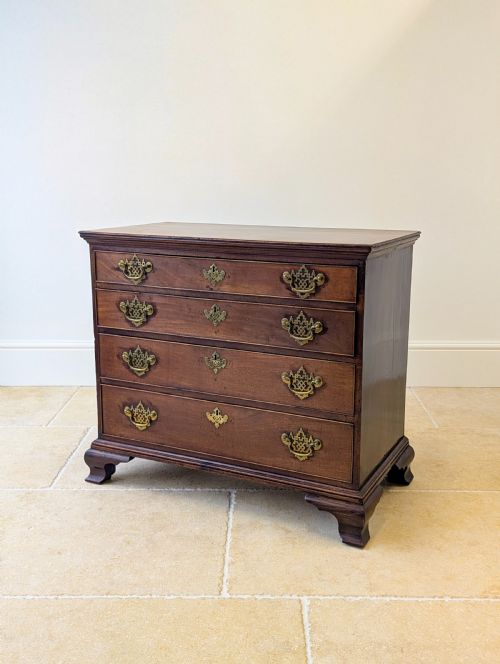
Cabinet makers utilised solid and figured mahogany timber, pairing the dark wood with cast brass handles and escutcheons. Internal components often incorporate secondary timbers like oak for drawer linings.
Joinery relies on traditional techniques to form sturdy carcases, fitted with architectural mouldings and supported by bracket or ogee feet.
Retail Price Guide 2026
Typical UK retail prices for george ii mahogany chest, calculated from the Sellingantiques database of over a million retail prices indexed since 2003. This retail price guide relies exclusively on Sellingantiques data; no external sources or auction records are used, so the figures do not describe the wider market.
The listings span the eighteenth century and the Georgian period, uniting mahogany timber with functional brass hardware.
Gradations of quality
The degree of refinement in a piece rests upon the figuring of the mahogany veneer and the crispness of carved details such as ogee feet or bracket supports. Integration of functional elements like sliding writing trays and original brass hardware distinguishes superior examples.
Proportion and structural integrity define the upper tier of these pieces. Retaining original timber surfaces and authentic feet elevates a chest above standard utilitarian versions.
The George II Mahogany Chest Glossary
- Brushing slide
- A pull-out shelf located above the top drawers used for folding clothes or writing. It typically operates on wooden runners integrated into the frame.
- Ogee feet
- An S-shaped moulding forming a bracket foot that curves outward at the top and inward at the base. This profile adds architectural elegance to mid-eighteenth-century case furniture.
- Chest on stand
- A form consisting of a main drawer section elevated on a separate framework with legs. This design lifts the primary storage space higher off the floor.
- Escutcheon
- A protective plate surrounding the keyhole of a drawer or cabinet door. They are commonly cast from brass and styled to match the drawer pulls.
Frequently Asked Questions
What is a brushing slide used for?
A brushing slide provides a convenient pull-out surface positioned just below the top moulding of the chest. Eighteenth-century users employed this shelf for inspecting garments or writing brief notes without needing a separate desk.
In modern rooms, the slide serves as a practical shelf when sorting items or displaying small decorative objects. It slides neatly back into the carcase when not in use.
How do I care for a mahogany chest?
Keep the timber away from direct heat sources and strong sunlight to prevent the mahogany surface from drying out or fading. Regular dusting with a soft, dry cloth preserves the finish.
Apply a traditional beeswax polish sparingly to nourish the wood and maintain its natural lustre over time. Avoid modern liquid cleaners that contain silicone.
Where should I place it?
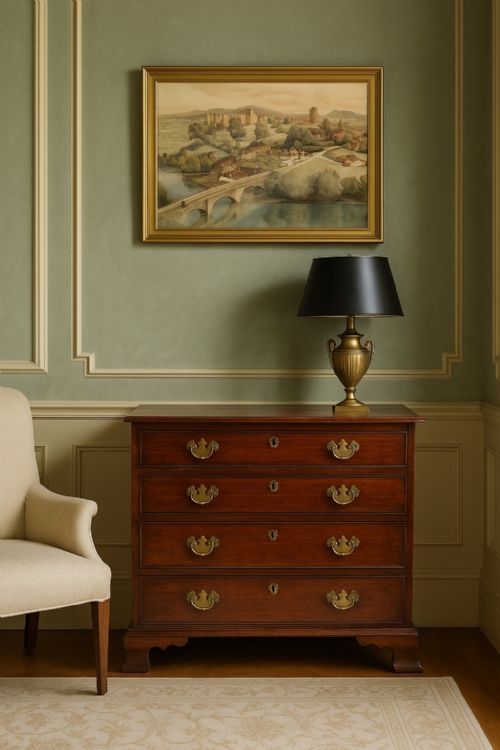
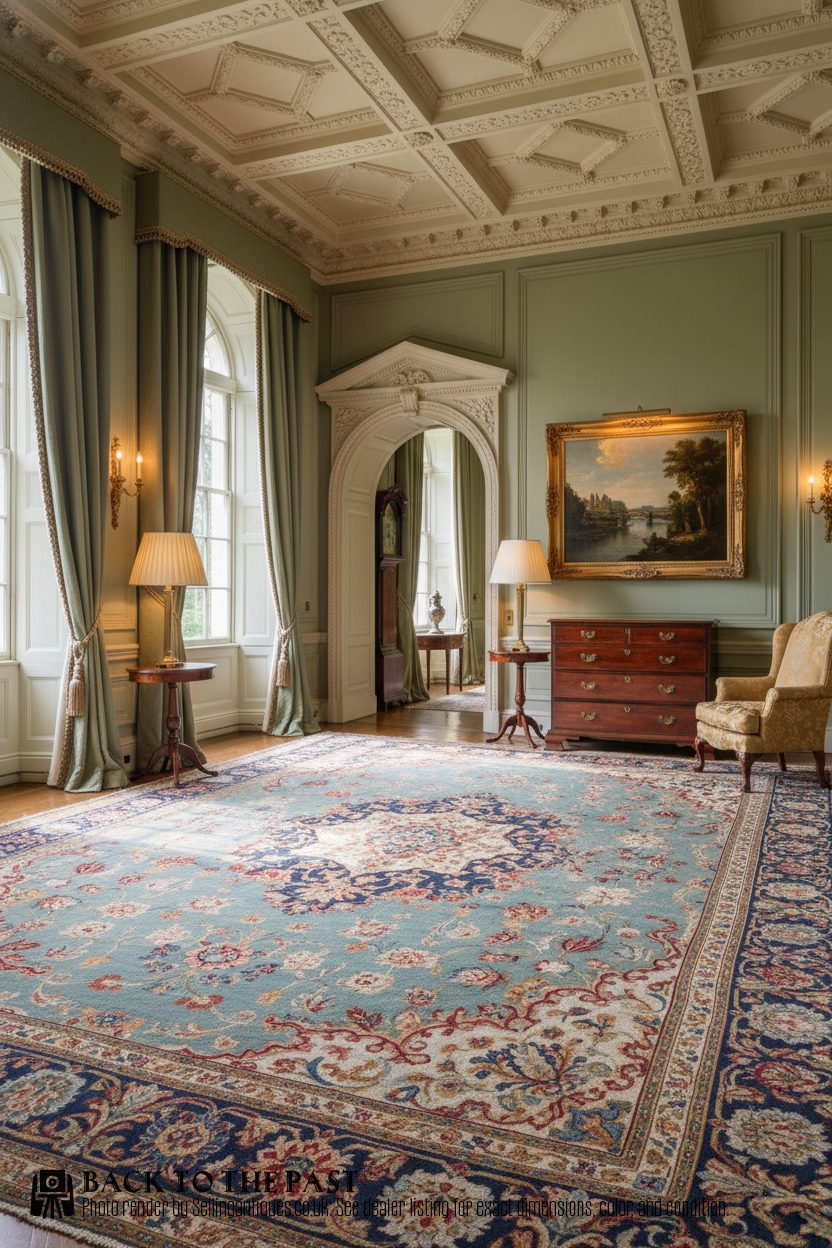
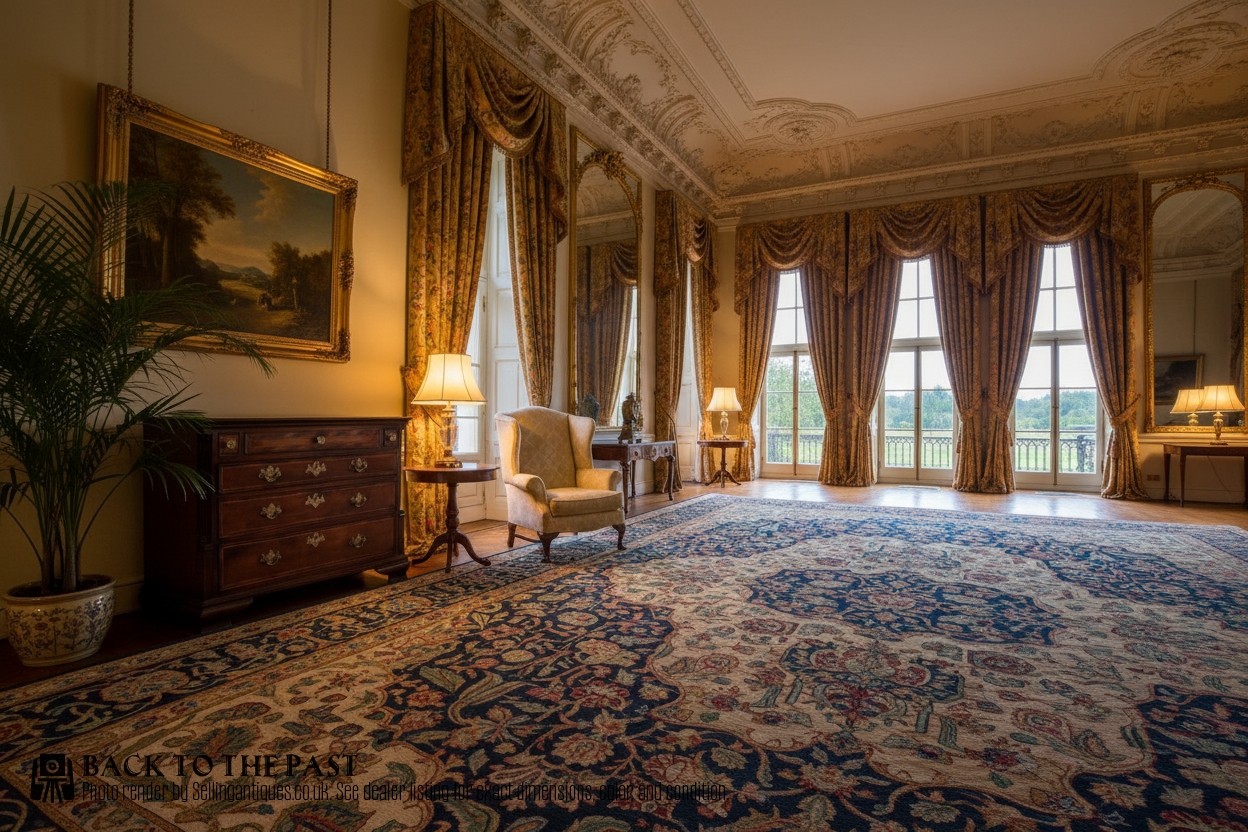
A george ii mahogany chest functions well as a focal point in a bedroom, hallway, or living space. Its deep timber tones pair effectively with both traditional and contemporary interior schemes.
Ensure the placement allows adequate clearance for drawers to open fully, particularly if the piece includes a pull-out brushing slide or writing drawer.
How do I distinguish George II from later pieces?
Examine the timber selection, construction methods, and hardware configurations to determine the age of a chest. Pieces from this period display specific proportions, dense mahogany weight, and period foot designs like ogee or traditional brackets.
Reviewing the internal drawer linings and the style of the brass handles helps confirm mid-eighteenth-century origin against later nineteenth-century revivals.