

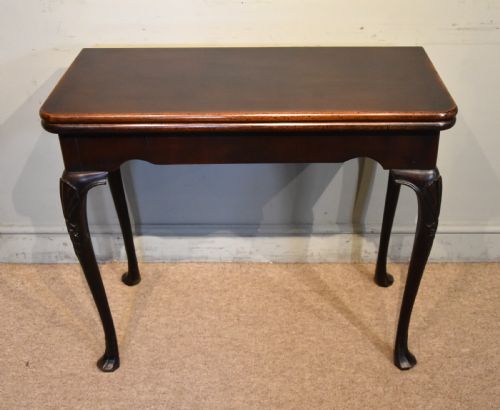
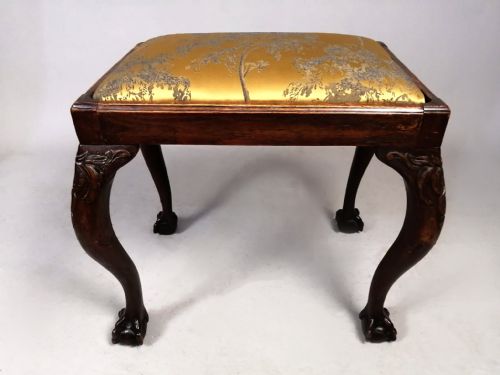
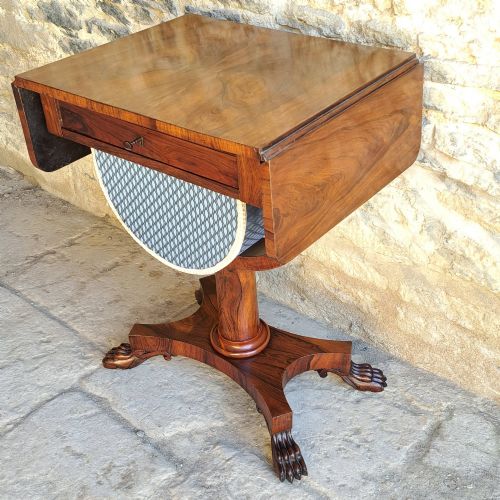
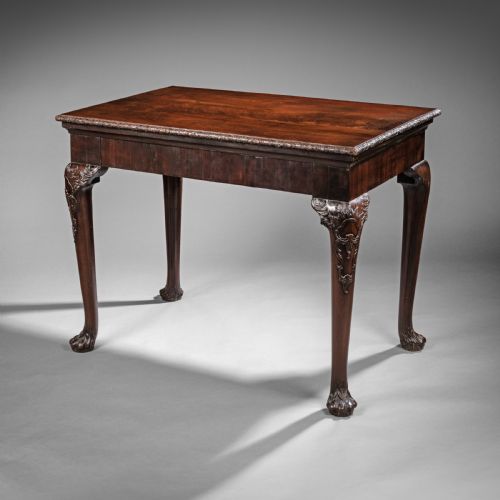
Irish Georgian Furniture
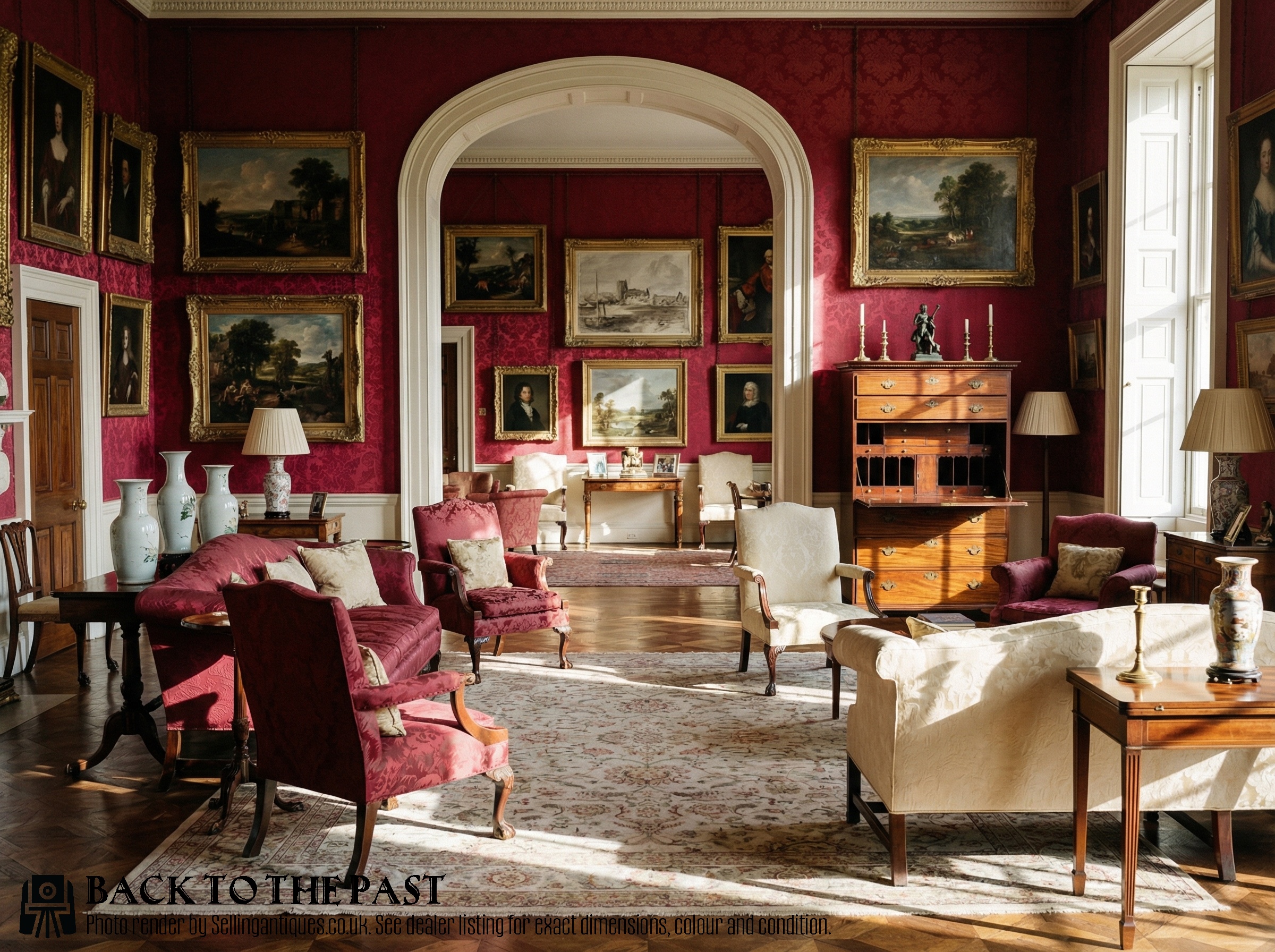
Irish Georgian furniture brings heavy timber, strong carving and distinct regional forms into a room.
Irish Georgian Furniture
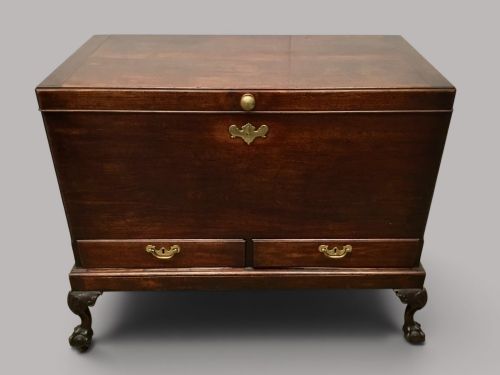
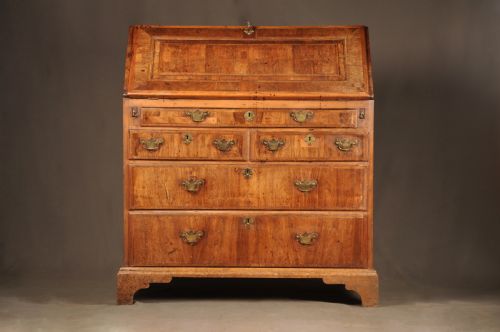
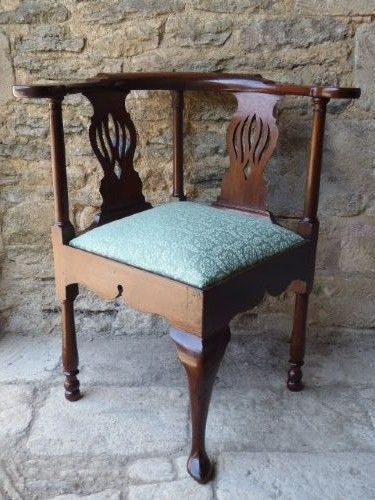
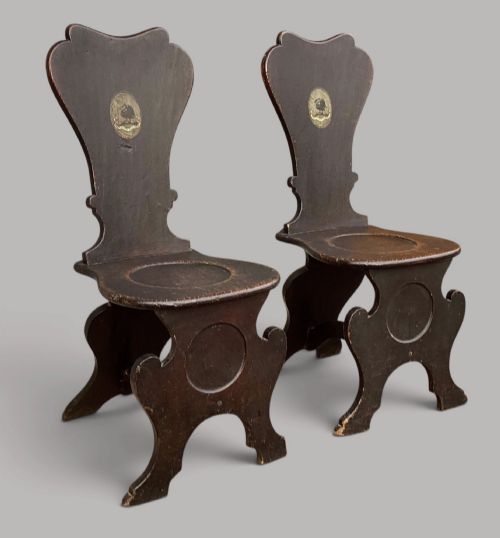
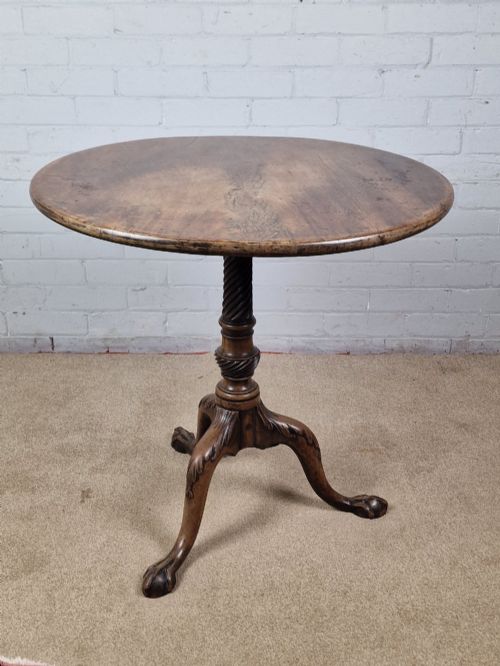
When you search for irish georgian furniture, you enter a field defined by substantial proportions and dense timbers, spanning dining tables, console tables, chairs and storage pieces. The pieces listed here show work from the eighteenth and nineteenth centuries, including George II, George III and Regency periods.
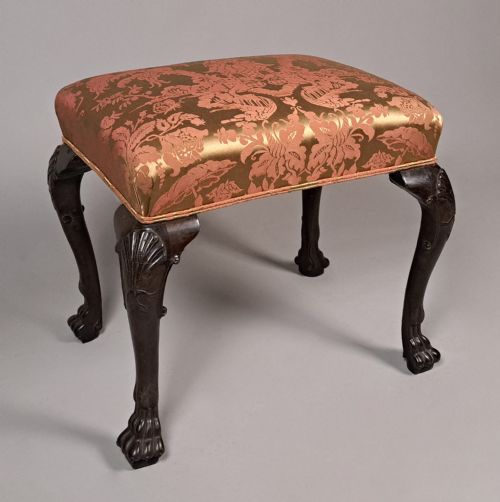
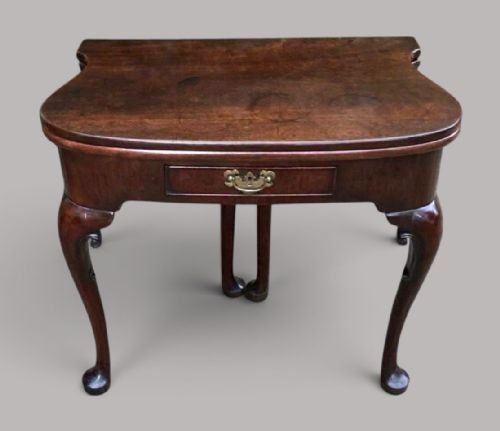
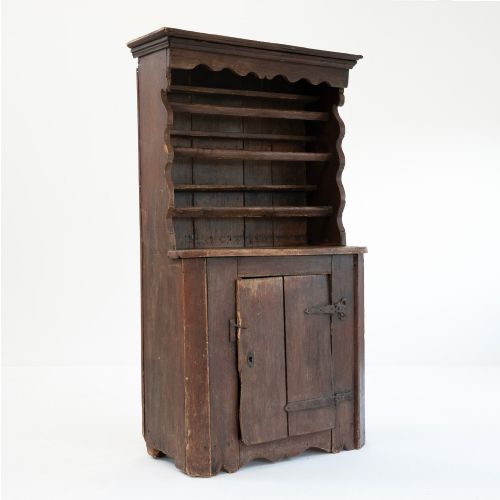
You will frequently encounter dining chairs, console tables and side tables shaped from dense woods, alongside seating and storage ranging from stools to press cupboards. The regional character often appears in bolder carving and deeper colour than comparable English pieces.
Materials and construction
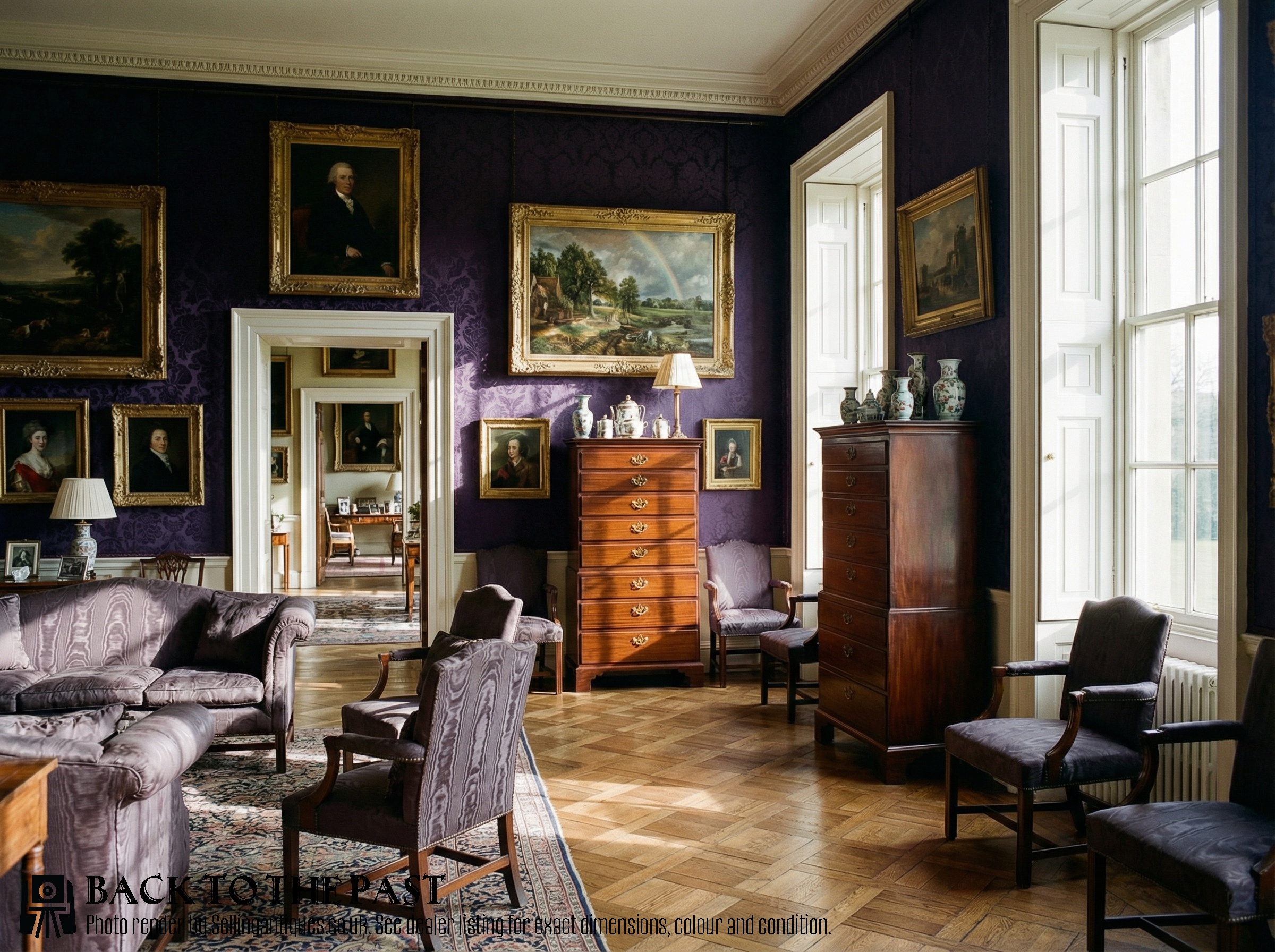
Cabinetmakers relied heavily on mahogany, walnut and oak, often selecting figured boards with rich grain patterns for prominent surfaces. Secondary woods like pine appear in carcases and internal framing.
Joinery involved sturdy mortise and tenon construction, supporting substantial items such as wake dining tables, breakfront bookcases and cellarettes. Surface treatments ranged from clear polish highlighting the timber to painted finishes on pine and elm.
Irish Georgian Furniture Retail Price Guide 2026
Typical asking prices for irish georgian furniture among the pieces listed under this phrase on Sellingantiques today, from the lower quarter to the upper quarter. They describe what is for sale here now, not the wider market.
Listings feature eighteenth and nineteenth-century pieces spanning multiple styles, utilising mahogany, oak, walnut, pine, paint and fabric.
Distinguishing quality
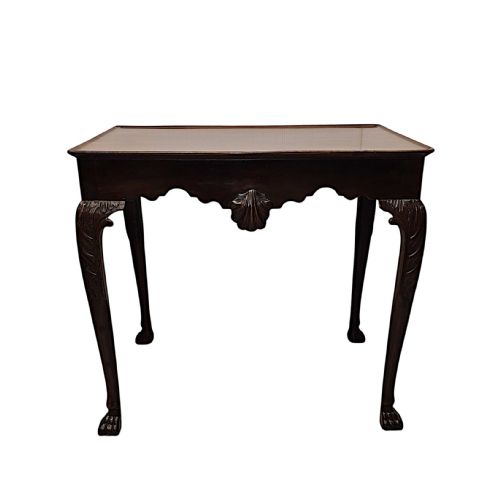
Quality rests on the choice of timber and the vigour of the carving, particularly on cabriole legs, ball and claw feet, and apron rails. Crisp execution of detail separates standard cabinetwork from exceptional commissions.
Originality of surface and minimal timber replacement determine the standing of a piece. Retaining the original handles, internal fittings and underlying frame construction preserves the integrity of the object.
Gillingtons of Dublin·Strahan of Dublin·Hicks of Dublin·Butlers of Dublin·The Woodworkers Ltd Kilkenny
The Irish Georgian Furniture Glossary
- Cabriole leg
- A furniture leg that curves out and then in, mimicking an animal's leg. This form appears frequently on eighteenth-century Irish tables and chairs.
- Console table
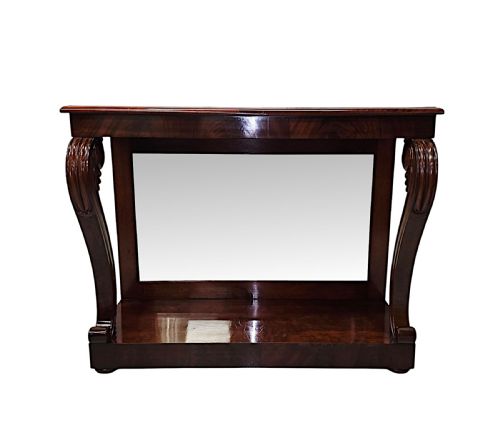
- A table designed to stand against a wall, often supported by front legs or brackets. These pieces frequently feature carved mahogany or giltwood frames.
- Cellarette
- A lockable container used for storing wine bottles near the dining table. Examples range from sarcophagus shapes on paw feet to timber boxes.
- Wake table
- A large dining table with multiple drop leaves, designed to seat many guests. These tables utilise timber flaps supported by swing legs.
- Press cupboard
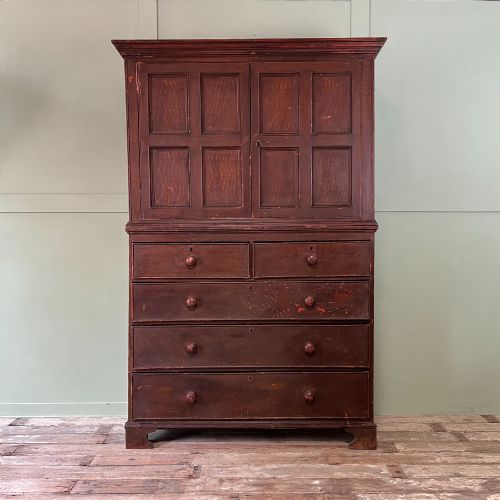
- A large storage piece with upper shelving enclosed by doors and lower drawers. Painted pine versions are typical of Irish country workshops.
Irish Georgian Furniture: Frequently Asked Questions
How do I identify Irish furniture?
Look for heavier proportions, bolder carving on knees and aprons, and the use of native timbers alongside imported mahogany.
Regional cabinetmakers often employed distinct structural habits in frame assembly and drawer linings that separate their output from English workshops.
Where were these pieces used?
Tables, chairs and cellarettes served dining rooms and reception spaces in townhouses and country estates.
Smaller items like bedside tables, work tables and pot cupboards found placement in private chambers.
Can I use these daily?
Solid construction in dense hardwoods allows these items to withstand regular domestic use in modern settings.
Routine care involves avoiding direct heat sources and maintaining stable indoor humidity to protect polished timber surfaces.
What woods were used?
Mahogany, walnut, oak and rosewood dominate the formal pieces, while elm and pine appear in regional or country furniture.
Figured veneers and burr timbers were selected for cabinet fronts and table tops to add visual depth.