



Irish Bureau
Irish antique bureau writing desks bring heavy mahogany, walnut and oak joinery together with fitted interior compartments from Georgian and Victorian centuries.
Irish Bureau
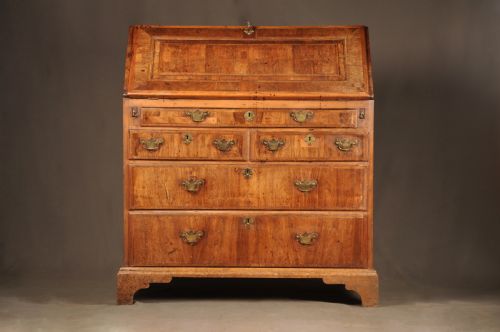
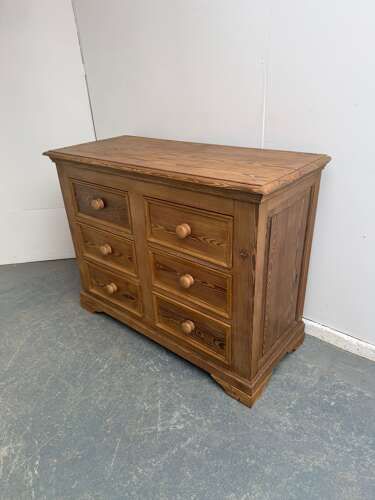
When you search for an irish antique bureau, you are looking at writing furniture built across the eighteenth and nineteenth centuries, spanning George I, George II, George III, Regency, and Victorian periods. The selections recorded here include walnut, mahogany, and pine bureaux, alongside related secretaire cabinets, kneehole desks, and tallboys.
You are most likely to meet mahogany examples from the Georgian era on this page, often featuring fitted interior compartments for correspondence and ledgers. These pieces combine a sloping fall front with internal drawers and pigeonholes above lower storage drawers.
Materials and Construction
Makers utilised solid mahogany, walnut, oak, and pine timbers for the primary carcases, supplementing these with brass handles, escutcheons, and hinges. Interiors frequently incorporated leather writing surfaces and small secret compartments concealed behind pigeonhole dividers.
Cabinetmakers constructed these writing desks using traditional dovetail joints for the drawer construction and mortise and tenon joinery for the main frames. Surfaces received wax finishes to protect the grain of the timbers while maintaining a natural sheen.
Irish Bureau Retail Price Guide 2026
Typical asking prices for irish bureau among the pieces listed under this phrase on Sellingantiques today, from the lower quarter to the upper quarter. They describe what is for sale here now, not the wider market.
Some Irish desks hide secret compartments behind dummy drawer fronts designed to keep account books safe from prying eyes.
Judging Quality
Quality rests upon the choice of timber and the precision of the cabinetwork, visible in the tightness of the dovetails and the grain matching across drawer fronts. Walnut and solid mahogany versions with original brass hardware command attention for their material integrity.
The sophistication of the internal fitments also dictates worth, where hidden compartments, shaped pigeonholes, and subsidiary drawers demonstrate superior craftsmanship. Original timber patination and intact structural framing elevate a piece far above heavily restored alternatives.
Gillington of Dublin
The Irish Bureau Glossary
- Fall front
- The hinged writing flap that pulls down to create a sloping desk surface. It conceals the internal drawers and pigeonholes when closed.
- Secretaire
- A cabinet or chest incorporating a writing drawer or drop-front desk compartment. This form bridges standard storage furniture and dedicated writing desks.
- Kneehole desk
- A compact writing table featuring a central recess for the sitter's legs, flanked by columns of small drawers. Irish examples often display fine mahogany joinery.
- Tallboy
- A tall chest of drawers built in two sections, frequently combining a chest on chest configuration with a secretaire writing section. These towering forms maximise storage space.
Irish Bureau: Frequently Asked Questions
What is an Irish antique bureau?
An irish antique bureau is a traditional writing desk featuring a hinged sloping flap that opens to reveal internal compartments and pigeonholes.
These pieces typically incorporate storage drawers beneath the writing surface and date from the Georgian and Victorian eras.
How do I date an antique bureau?
Dating relies on examining the timber species, construction methods, and hardware styles. Walnut and early mahogany point towards the earlier eighteenth century.
Later Victorian pieces often utilise pine or heavier mahogany frames with machine-cut elements and different drawer linings.
Where were these bureaux made?
These pieces were built in workshops across Ireland by skilled cabinetmakers utilising native and imported timbers.
Dublin cabinetmakers like Gillington produced notable signed or attributed pieces during the Georgian and Regency periods.
How do I care for a walnut bureau?
Care involves keeping the timber away from direct heat sources and sudden humidity changes to prevent wood splitting.
Applying a traditional beeswax polish periodically helps maintain the natural lustre of the wood grain without building up heavy chemical residues.