


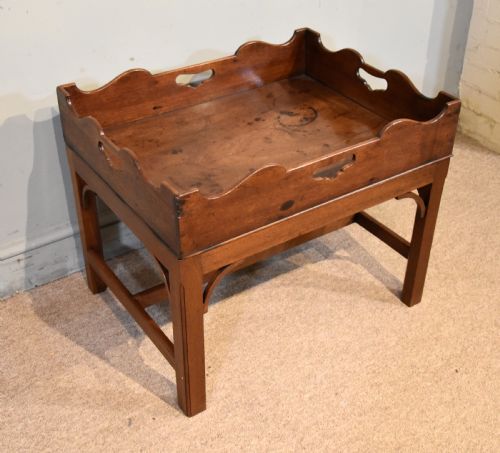
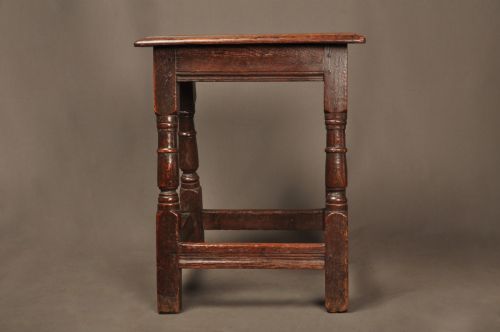

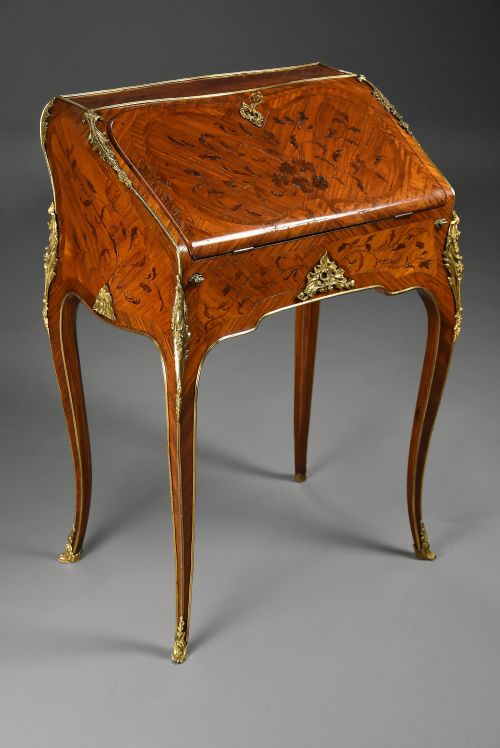
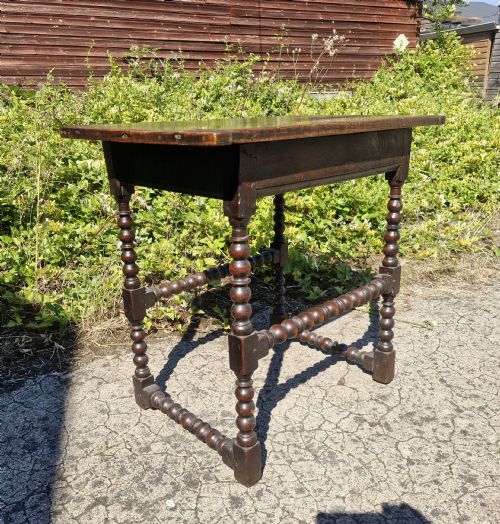
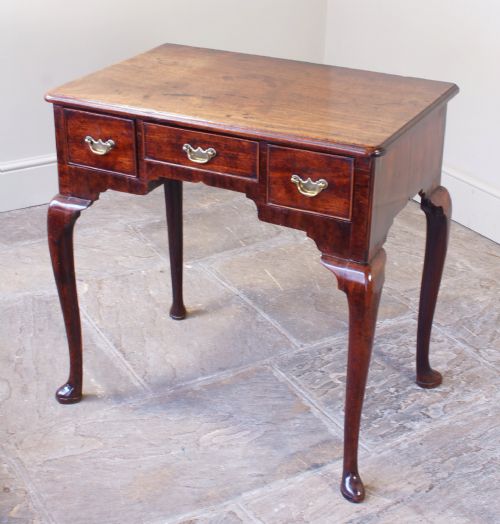

Mid 18th Century Table
A mid 18th century table brings the adaptable design of the Georgian period into a room with solid timbers and considered proportions.
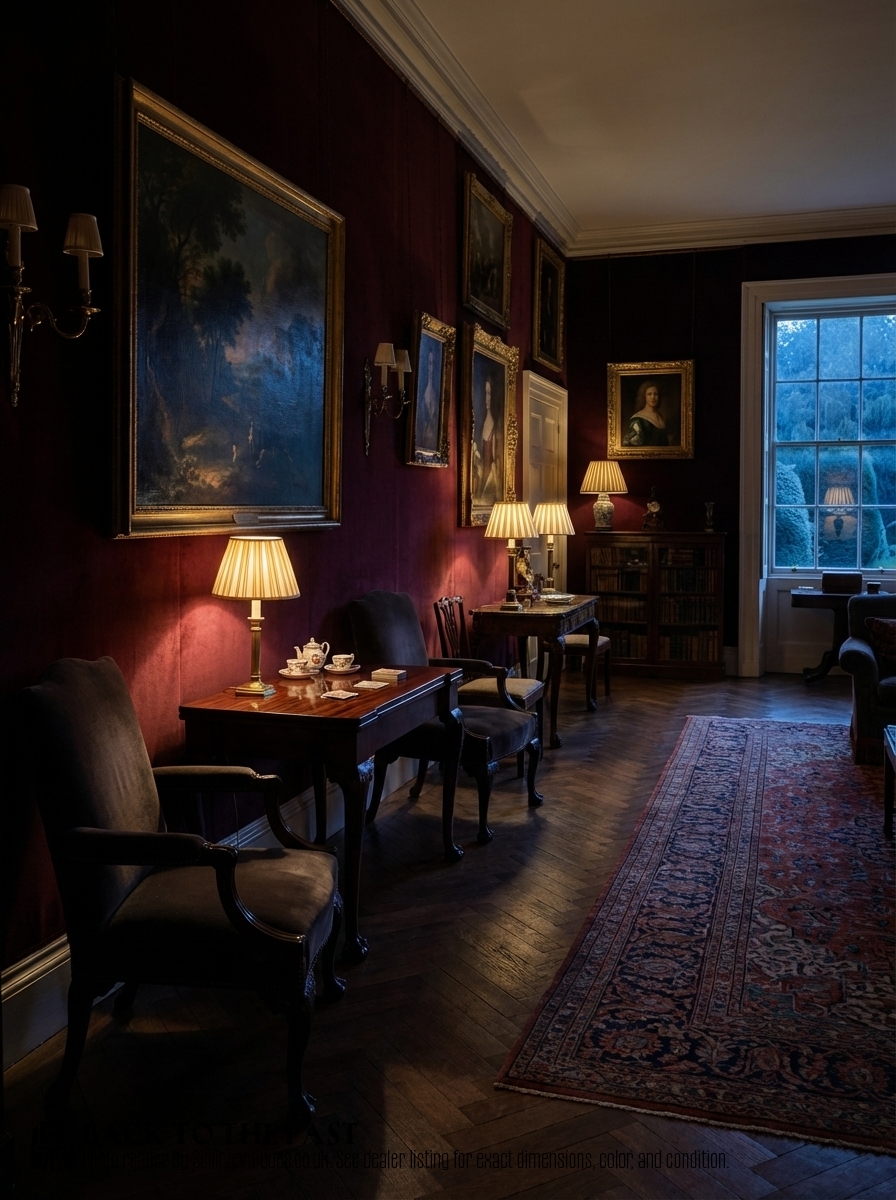
Mid 18th Century Table
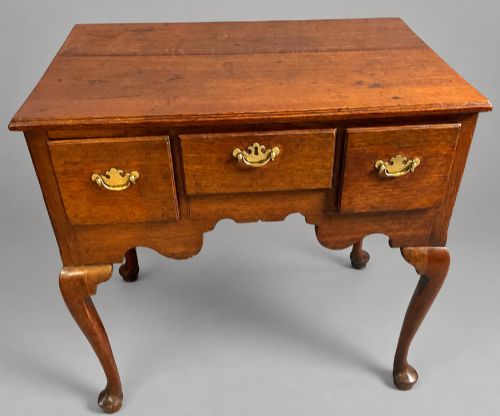
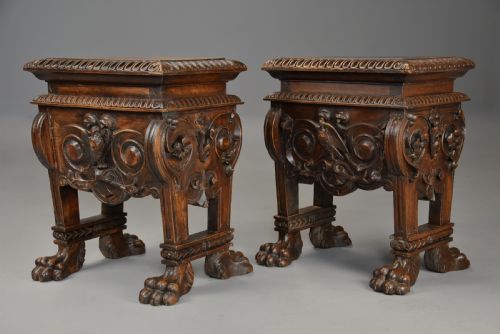
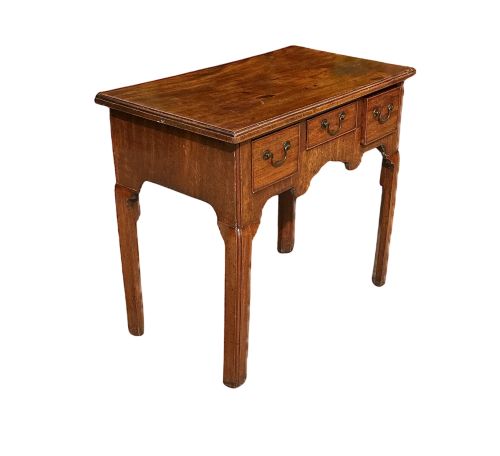
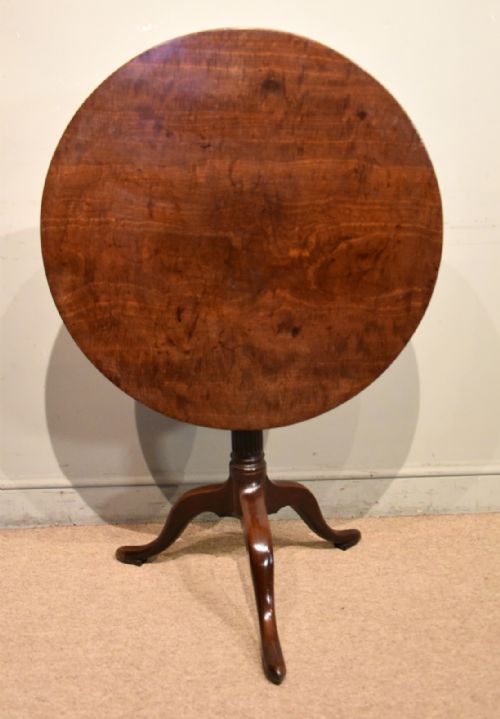
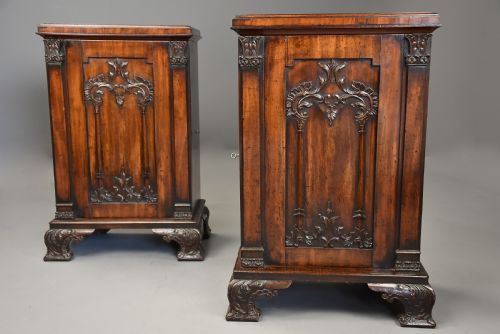
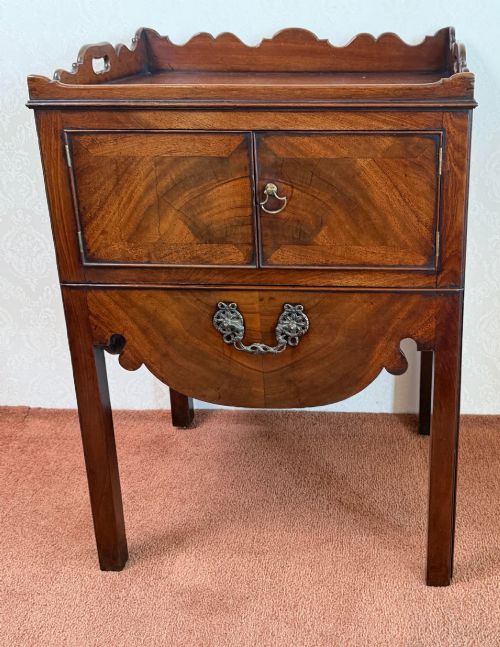
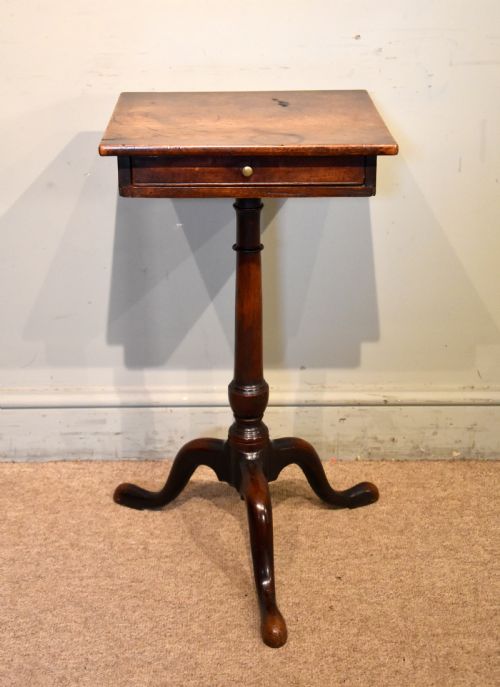
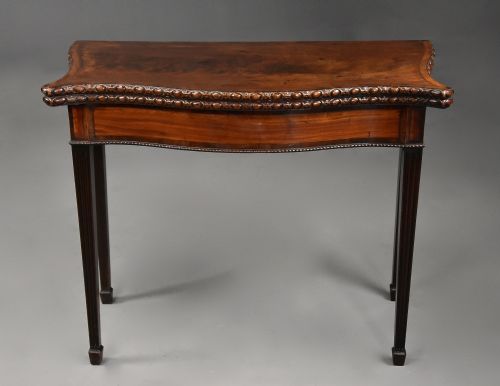
A search for a mid 18th century table reveals a broad selection of domestic furniture, most frequently encountered as mahogany or oak side tables, tripod wine tables, and drop-leaf dining pieces. The evidence shows these functional forms emerging from English, Welsh, and continental workshops during the Georgian era.
Beyond dining and occasional tables, the category encompasses specialised forms like lowboys, card tables with fold-over tops, and writing desks. Oak examples often display regional vernacular traits from country workshops, while mahogany versions lean toward formal Georgian and Chippendale aesthetics.
Materials and Construction
Cabinetmakers of the period relied heavily on dense hardwoods, utilising Cuban mahogany, English oak, and walnut, frequently enhanced by marquetry inlay, kingwood, or tulipwood veneers. Solid timber construction was standard for structural elements, supported by secondary woods in drawer linings and internal frames.
Mechanical ingenuity defined many occasional pieces, utilising birdcage tilt-top actions, rotating pivots, and folding gateleg mechanisms constructed with pegged joints or traditional joinery. Brass hardware, including cast mounts, handles, and hinges, provided functional reinforcement and visual contrast to the dark timber.
Mid 18th Century Table Retail Price Guide 2026
Typical asking prices for mid 18th century table among the pieces listed under this phrase on Sellingantiques today, from the lower quarter to the upper quarter. They describe what is for sale here now, not the wider market.
Some mid 18th century tables come equipped with secret compartments hidden within pedestals or beneath sliding panels for smuggled letters.
Evaluating the Pieces
The distinction between standard domestic utility furniture and top-tier pieces rests largely on timber selection, such as figured Cuban mahogany or quarter-sawn oak with strong grain patterns. Subtleties in carving execution, the crispness of moulded edges, and the retention of an original surface finish elevate certain examples.
Structural integrity and the preservation of original mechanisms, such as working birdcage mounts or unreplaced brasses, heavily influence the standing of an item. Proportion and scale also dictate quality, as pieces retaining their intended height and balanced dimensions command greater appreciation.
The Mid 18th Century Table Glossary
- Lowboy
- A small dressing table or side table featuring one or more drawers and slender legs, popular during the mid 18th century. They frequently served dual purposes as writing surfaces or occasional tables in bedrooms and parlours.
- Tripod Table
- A small round table supported by a pillar above three spreading legs. Many incorporate tilt-top or birdcage mechanisms for convenient storage.
- Gateleg Table
- A table with hinged flaps supported by legs that swing outward like a gate. This design allowed furniture to expand for dining and contract against a wall when not in use.
- Birdcage
- A revolving wooden framework beneath the top of a tilt-top table that allows the surface to both pivot and tip vertically. It represents a clever piece of 18th century engineering.
- Patina
- The surface sheen and mellow colour acquired by wood and metal over decades of use and polishing. Collectors value surfaces that show genuine age without harsh chemical stripping.
Mid 18th Century Table: Frequently Asked Questions
What is a lowboy used for?
A lowboy is a small table with drawers typically used as a dressing table or side table in a bedroom or hallway. During the Georgian period, these versatile pieces also functioned as compact writing desks.
Their shallow proportions allowed them to fit into tight spaces while providing discreet storage for personal items.
What woods were used most often?
Oak and mahogany dominate the surviving inventory from this period. Oak was favored for robust country furniture like dressers and side tables, while mahogany was the material of choice for formal urban pieces.
Walnut also appears frequently, sometimes accented with marquetry inlay or delicate veneers.
How do I care for antique wood?
Antique tables require stable indoor humidity and protection from direct sunlight to prevent the timber from splitting or fading. Regular dusting with a soft cloth keeps the surface clean without abrasive buildup.
Occasional application of appropriate wax preserves the historic finish and nourishes the dry grain.