

Brass Handle Side Table
A brass handle side table brings functional timber and period hardware together, offering a compact surface for everyday rooms.
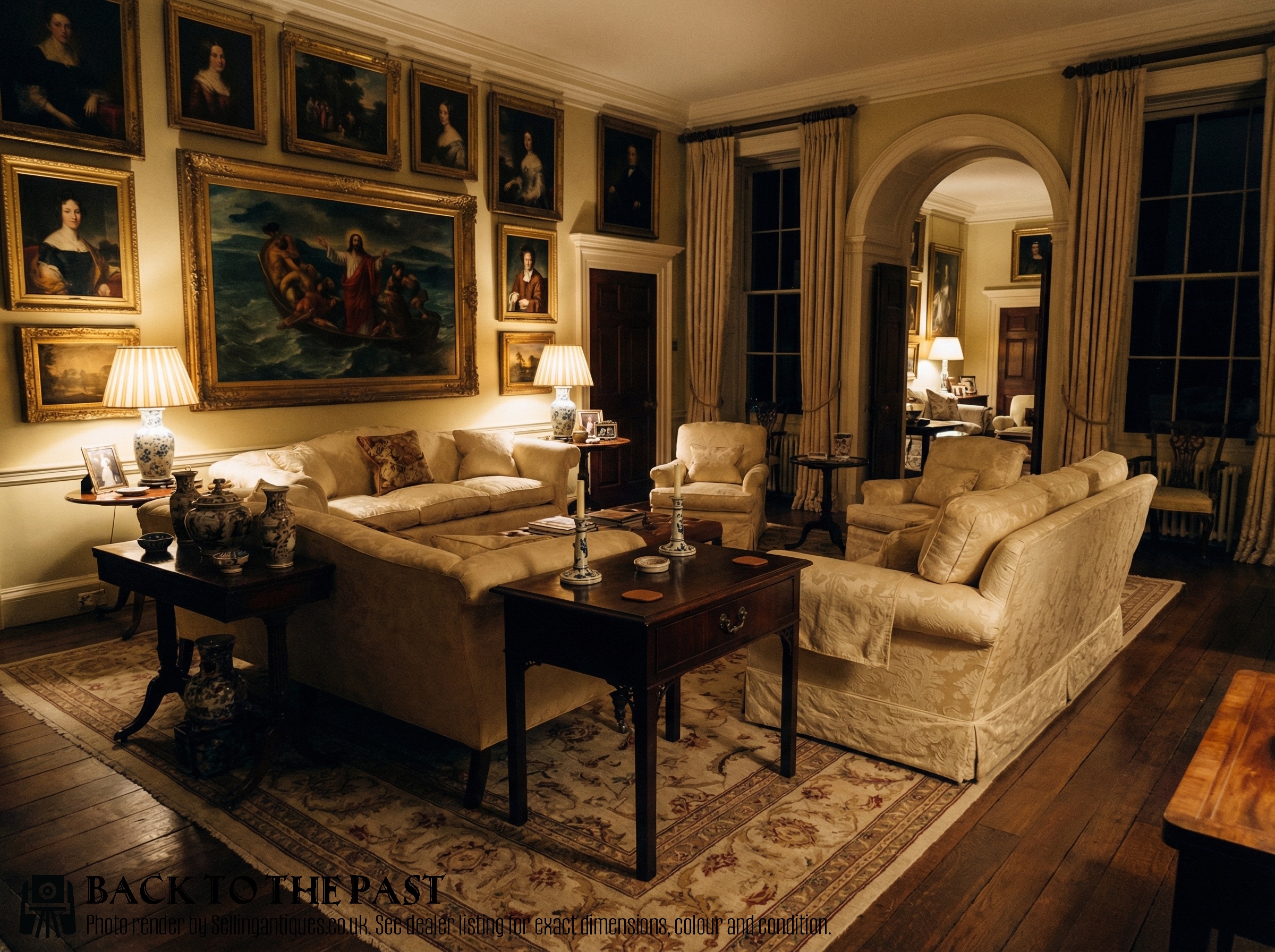
Brass Handle Side Table
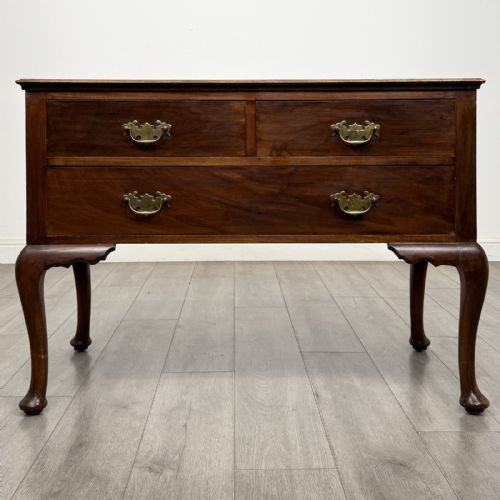
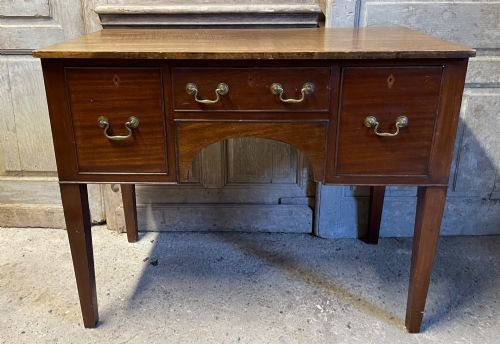
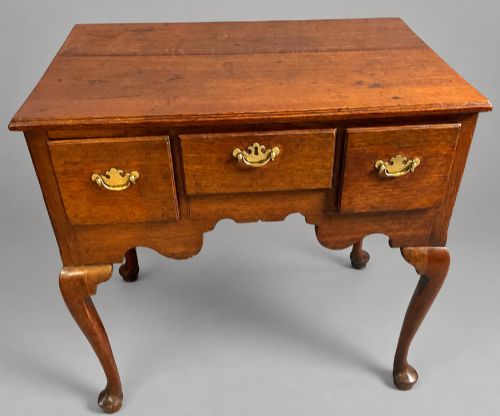
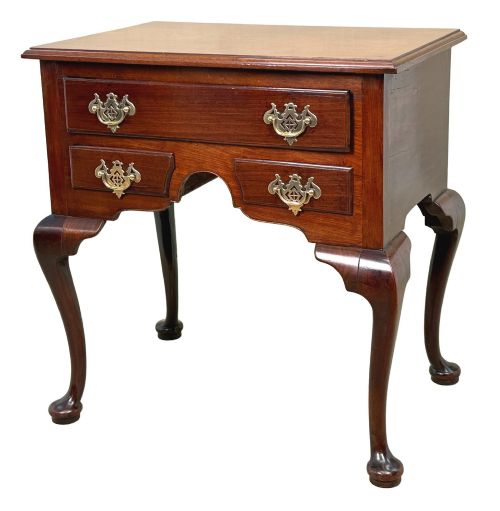
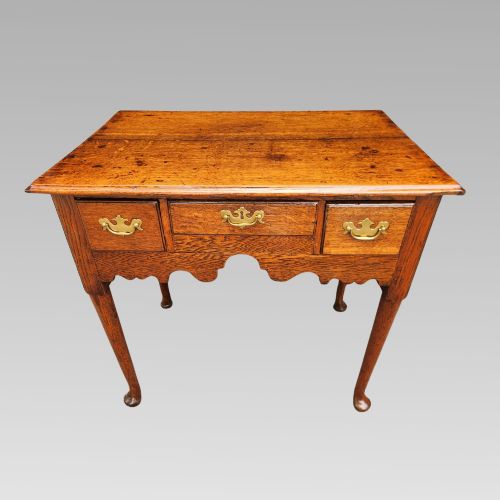
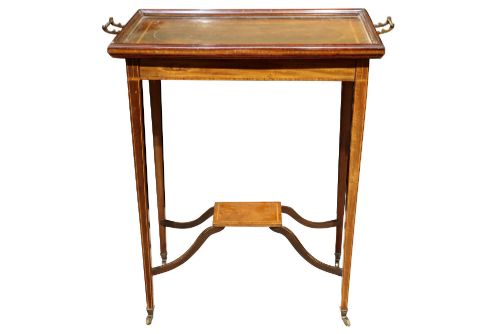
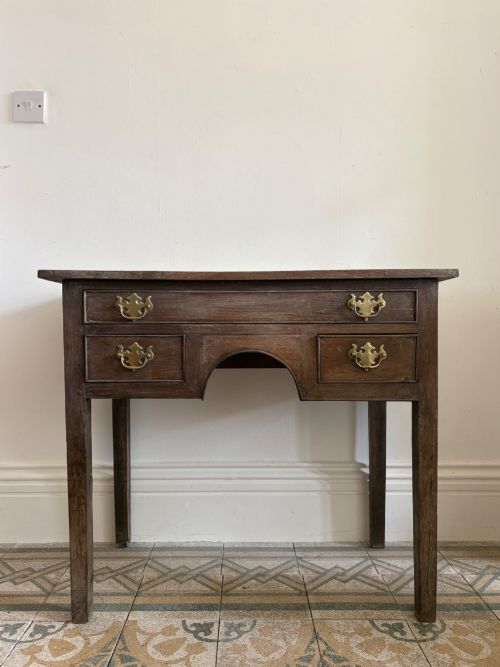
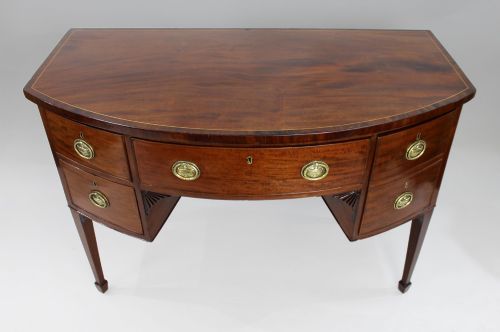
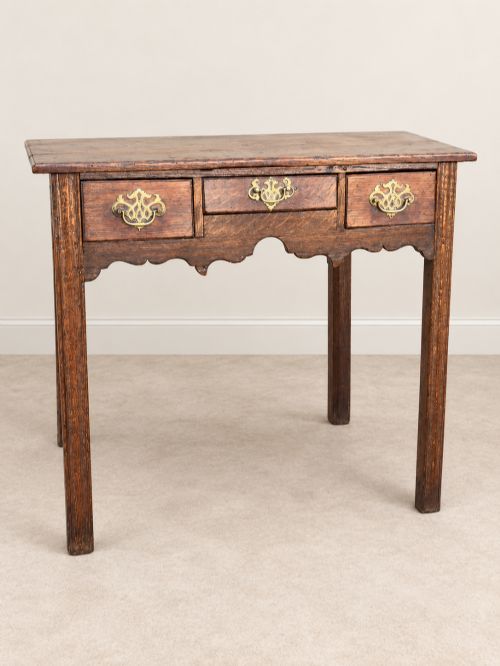
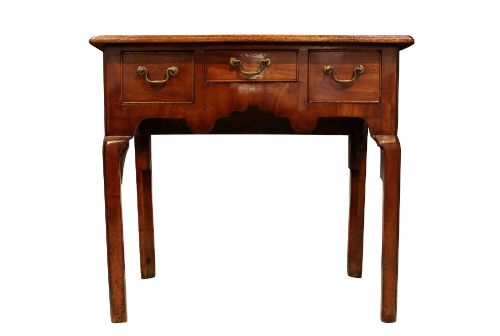
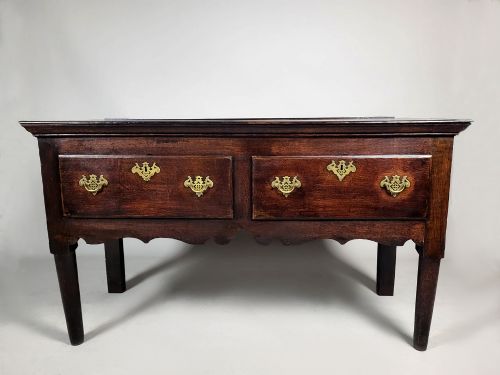
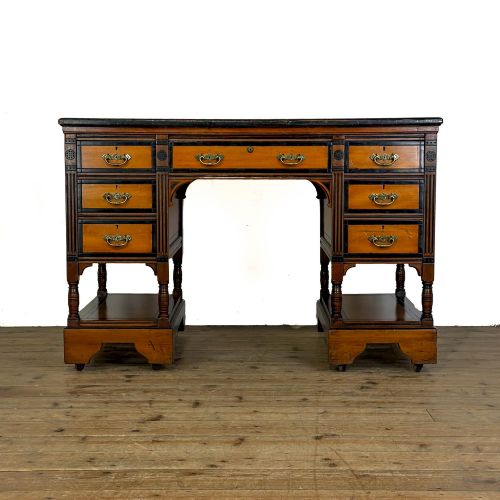
A brass handle side table encompasses forms ranging from Georgian and 18th century lowboys to Victorian writing desks, Edwardian occasional tables, and 1920s mahogany lamp tables. These pieces frequently appear in oak, mahogany, walnut, and fruitwood, often featuring fitted drawers equipped with original brass swan neck handles, drop handles, or ring handles.
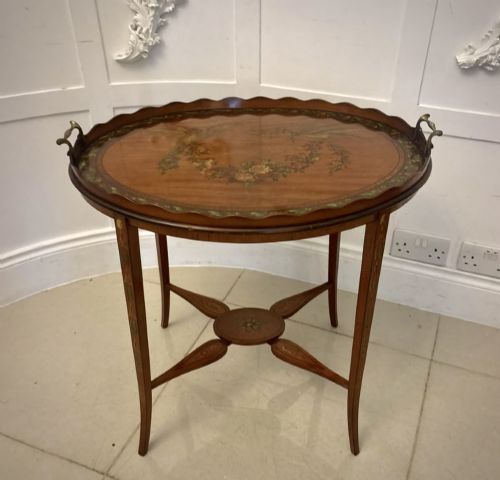
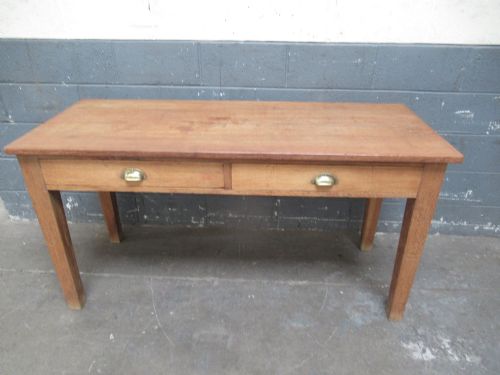
Buyers searching for this phrase most frequently encounter 18th century Georgian oak lowboys and mahogany side tables alongside later Victorian and Edwardian examples. The selection spans utilitarian country oak pieces with single drawers to refined satinwood-inlaid occasional tables and serpentine burr walnut designs.
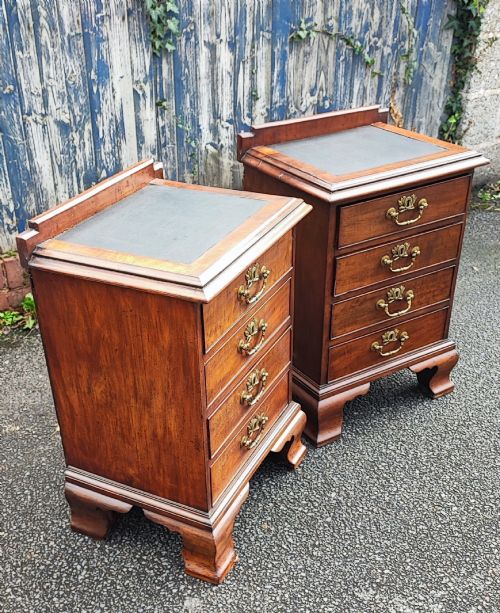
The category extends beyond simple rectangular tables to include work tables, etagere tray tables, and bedside chests with brass hardware. Origins stretch across English country workshops and urban cabinet makers, reflecting diverse domestic uses from writing and dressing to bedside storage.
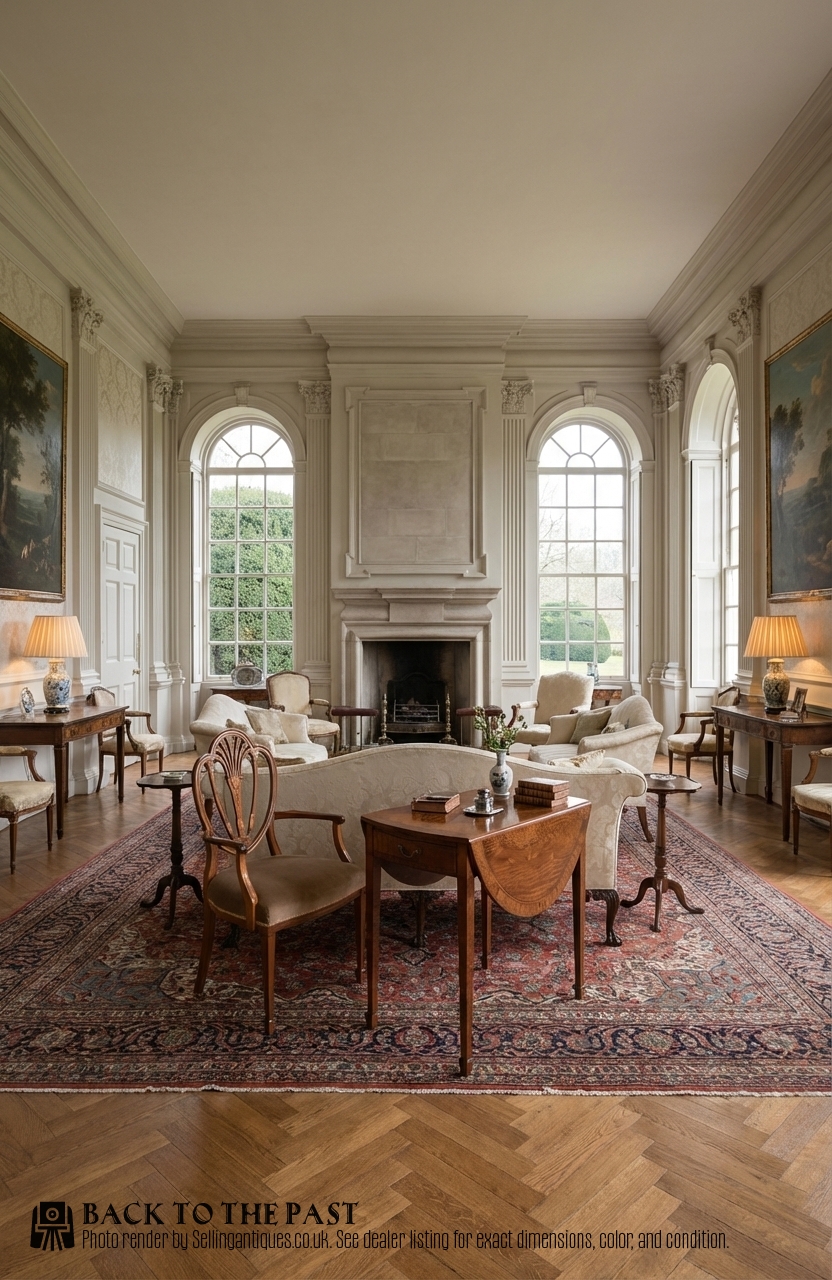
Construction and materials
Cabinet makers utilised solid timbers including oak, mahogany, walnut, and fruitwood, frequently pairing primary woods with secondary linings such as oak for drawer construction. Inlaid details incorporate boxwood stringing and satinwood veneers, while structural framing relies on traditional joinery methods suited to each period.
Hardware consists of cast and chased brass fixtures, including swan neck handles, drop handles, and ring handles, often secured with original pins. Surface finishes develop naturally over centuries through wax application and oxidation of the underlying timber.
Brass Handle Side Table Retail Price Guide 2026
Typical asking prices for brass handle side table among the pieces listed under this phrase on Sellingantiques today, from the lower quarter to the upper quarter. They describe what is for sale here now, not the wider market.
One persistent 18th century oak lowboy keeps its original brasses tucked quietly beneath a three-drawer facade.
Distinctions in craftsmanship
Quality rests upon the integrity of the timber selection, such as figured burr walnut or dense old-growth mahogany, and the preservation of original brass hardware rather than later replacements. The finesse of cabinet work shows in dovetailed drawer boxes, crisp boxwood stringing, and balanced proportions.
Pieces retaining their original surface patination and untouched brass fittings command greater regard than those with stripped finishes or modernized components. Structural stability in legs, whether cabriole, straight, or tapered, distinguishes superior workshop production from utilitarian output.
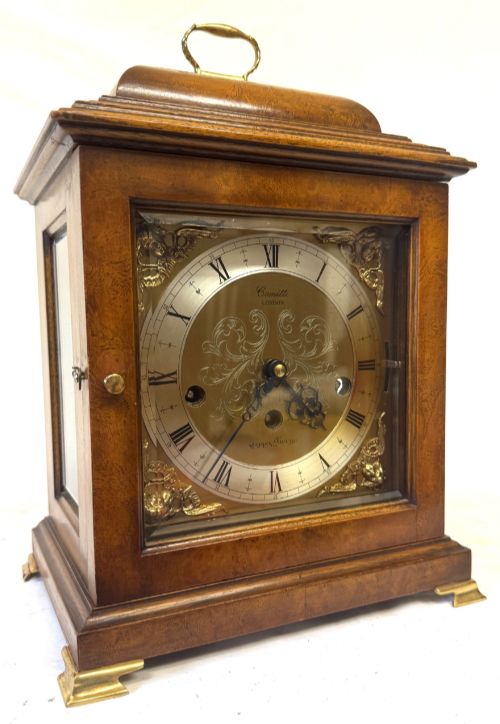
Comitti Of London·Jenners
The Brass Handle Side Table Glossary
- Lowboy
- A small oak or mahogany dressing or side table typically fitted with one to three drawers and supported on tall legs. These pieces date predominantly from the 18th century and originate in English country houses.
- Swan neck handle
- A metal drawer pull shaped like a bird's neck, fastened through a pair of backplates. This hardware style appears frequently on Georgian case furniture.
- Stringing
- Thin inlay lines of a contrasting wood, such as boxwood set into mahogany. This decorative technique defines late 18th century Sheraton revival aesthetics.
- Drop handle
- A pendant brass pull hanging from a single post or backplate. It permits a downward grip when opening fitted drawers.
- Potboard
- An open lower shelf fitted between the legs of an 18th century dresser base or side table. It provides storage for pottery and kitchen wares.
Brass Handle Side Table: Frequently Asked Questions
Are brass handles original?
Original brass handles match the period of the table and leave consistent impression marks on the timber behind the backplates. Fasteners and metal patination provide clues to their age.
Replacement hardware is common on antique furniture due to centuries of daily use. Examining the interior drawer boards helps verify whether the handle fixings are contemporary to the wood.
How do I date an oak side table?
Dating relies on construction methods, timber choice, and leg styling, such as cabriole legs versus straight tapered supports. Early 18th century pieces show hand-cut dovetails and pegged joinery.
Hardware styles also indicate the era, transitioning from simple drop handles to elaborate brass bail pulls. Secondary woods inside drawers confirm regional British cabinet-making traditions.
Where should I place a side table?
These compact tables fit easily beside seating in living rooms, against hallway walls, or functioning as bedside cabinets. Their shallow depth avoids obstructing walkways in smaller spaces.
Drawers provide convenient storage for small household items while the top surface holds lamps or decorative objects. Their varied heights accommodate diverse domestic layouts.