

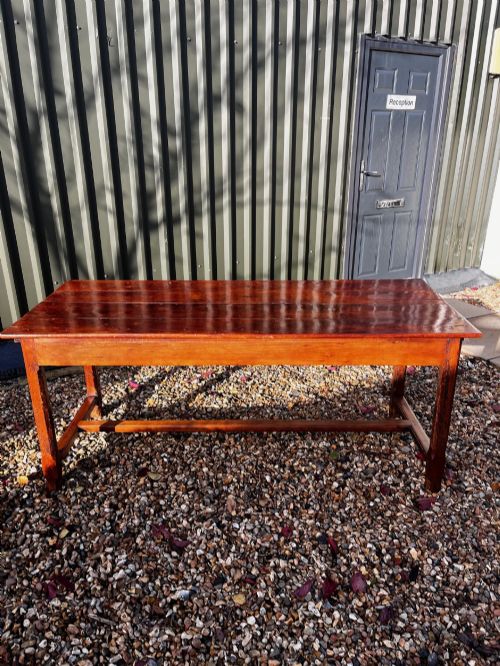
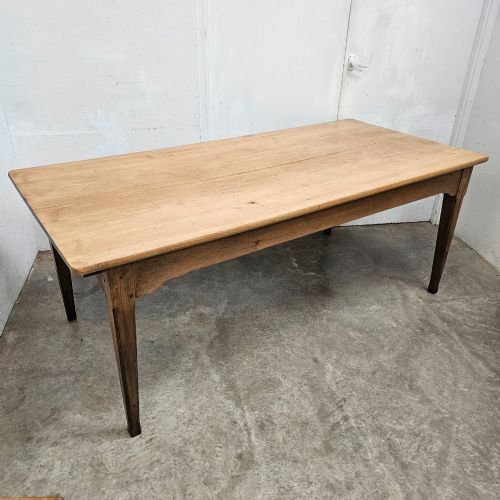
Antique Fruitwood Table
When you search for an antique fruitwood table, you enter a world of warm grain and honest country utility built to last.
Antique Fruitwood Table
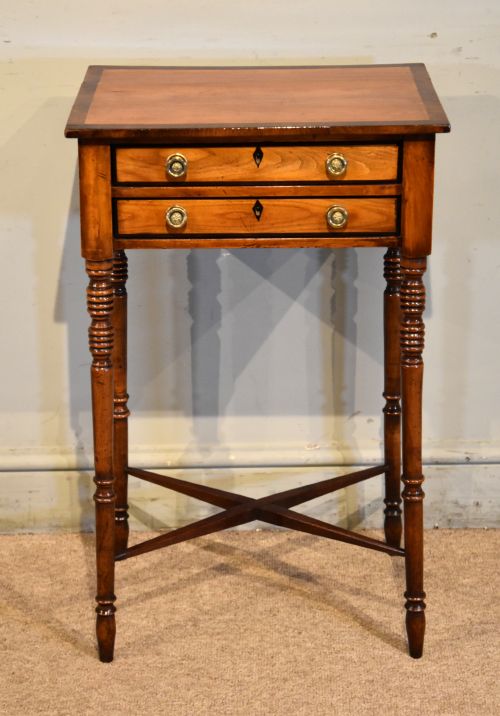
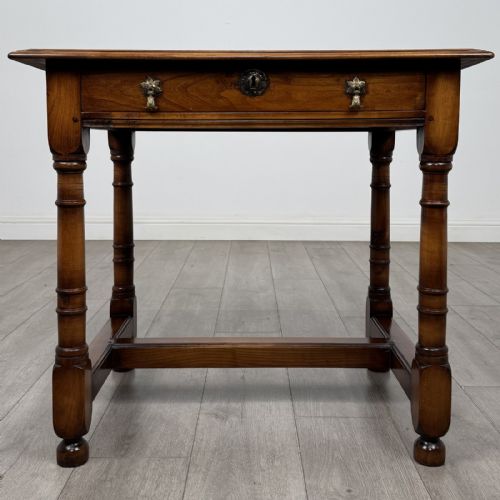
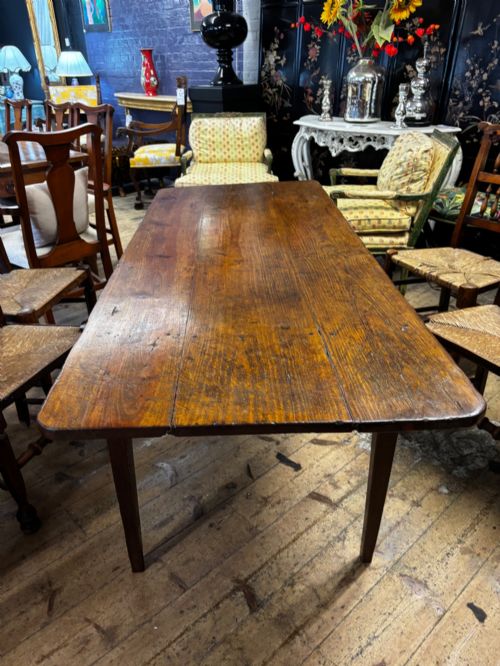
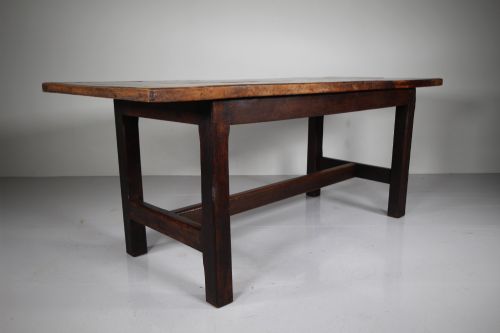
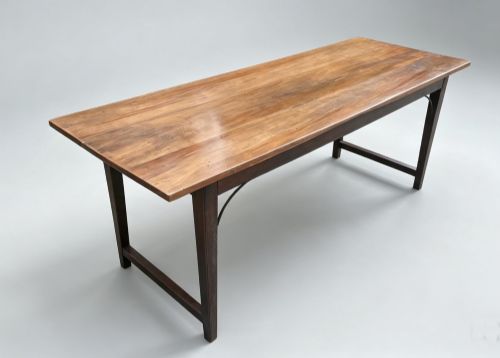
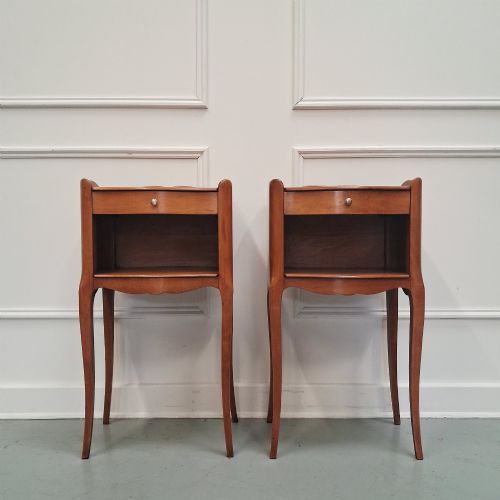
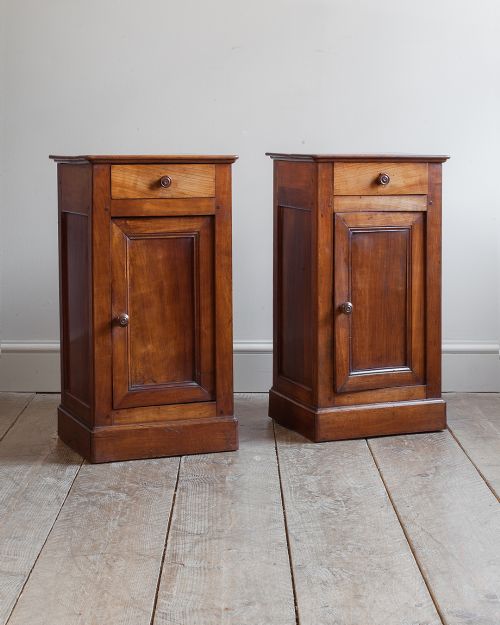
An antique fruitwood table encompasses everything from large farmhouse dining boards to small occasional wine tables and bedside cupboards. These pieces bridge the gap between formal town furniture and robust rural living, drawing on timbers such as pear, apple, cherry, and plum.
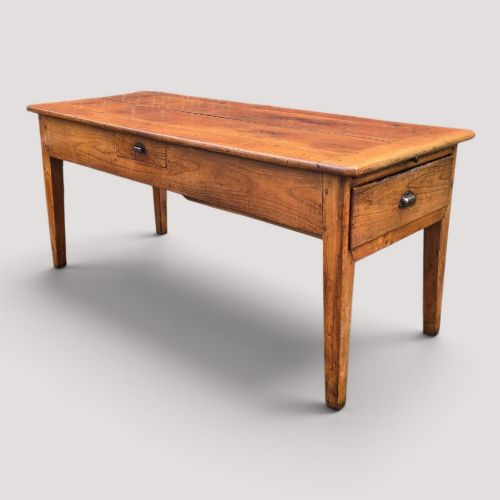
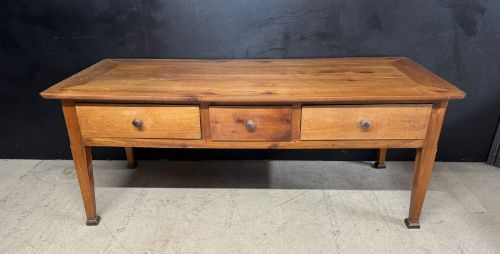
The version you are most likely to encounter on this page is the French provincial farmhouse table or the English Georgian side table. These domestic workhorses range widely in scale, serving as kitchen prep surfaces, writing desks, and centre tables.
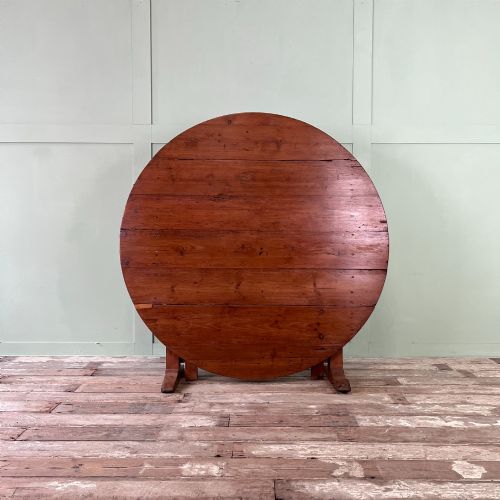
Makers shaped these woods into diverse forms including drop-leaf, tilt-top, and draw-leaf variants. Their domestic roles meant they were designed for daily service, accumulating rich patination over generations of household use.
How they were made
Fruitwood furniture relies on dense, fine-grained hardwoods derived from fruit-bearing trees, often paired with secondary timbers like oak, pine, or elm. Cabinetmakers turned legs on lathes, joined tops with pegged mortise and tenon joints, and integrated practical drawers with dovetail construction.
Surface finishing typically involved simple wax or oil polishing to nourish the timber and bring out its natural warmth. Many pieces also incorporate brass handles, iron hinges, and occasional marquetry or veneer details for decorative contrast.
Antique Fruitwood Table Retail Price Guide 2026
Typical asking prices for fruitwood table among the pieces listed under this phrase on Sellingantiques today, from the lower quarter to the upper quarter. They describe what is for sale here now, not the wider market.
Listings span the eighteenth, nineteenth, and early twentieth centuries, incorporating oak, brass, iron, and walnut alongside fruitwood.
What varies in quality
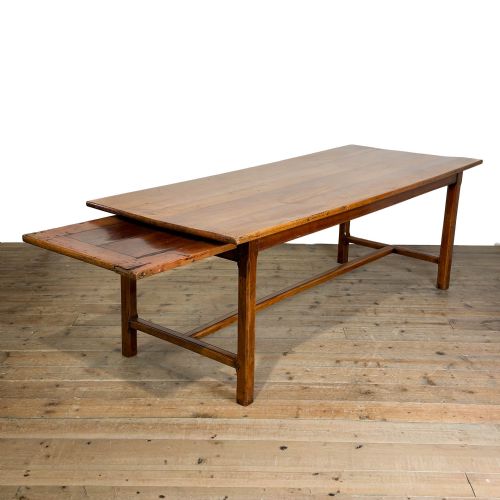
The distinction between a standard utility piece and a finer example often lies in the selection of the timber and the restraint of its proportions. Tables featuring well-matched grain, careful turning on the legs, and integrated functional elements like bread slides or original drawers represent superior craftsmanship.
Construction methods also reveal quality, distinguished by tight joints and the preservation of original timber tops rather than heavily replaced boards. The depth of the patina and the harmony of the timber's ageing process ultimately dictate the standing of an individual piece.
The Antique Fruitwood Table Glossary
- Fruitwood
- Timber sourced from fruit-bearing trees such as cherry, apple, pear, and plum. It is celebrated for its warm tone and fine texture.
- Refectory table
- A long, narrow dining table traditionally used in communal halls and farmhouses. They provide substantial seating capacity and sturdy framing.
- Tilt-top table
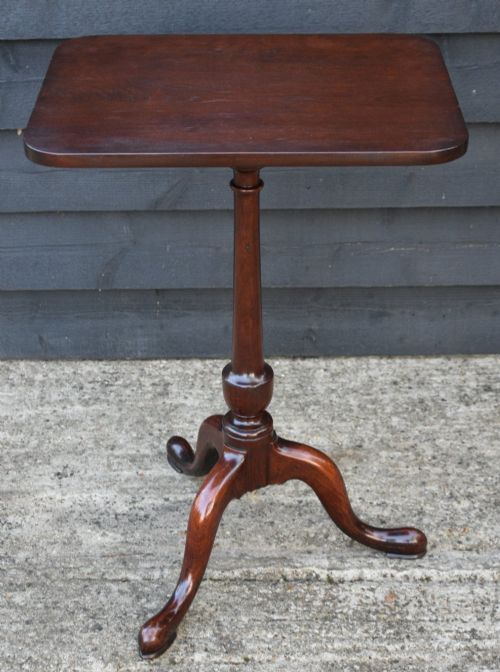
- An occasional or wine table featuring a mechanism that allows the top to pivot vertically. This design enabled compact storage against walls when not in use.
- Bread slide
- A pull-out wooden board integrated beneath the table top. Historically utilised for cooling bread or expanding workspace in busy country kitchens.
- Patina
- The surface sheen and softening of colour developed by timber over decades of handling, light exposure, and polishing.
- Demi-lune table
- A half-moon shaped console table designed to stand flat against a wall. They frequently appear as pairs in Georgian and nineteenth-century interiors.
Antique Fruitwood Table: Frequently Asked Questions
How do I care for a fruitwood surface?
Feed the timber periodically with a traditional beeswax polish applied with a soft cloth. Avoid placing these tables in direct sunlight or near sudden heat sources to prevent the wood from drying out.
Keep liquids away from the surface by using coasters and mats. Gentle dusting with a dry lint-free cloth is sufficient for routine maintenance.
Were fruitwood tables used in kitchens?
Many fruitwood tables served as central work surfaces in domestic kitchens and farmhouses. They were built to withstand daily food preparation, kneading, and family meals.
Their robust construction and integrated drawers made them practical centres of rural household activity. Over time, this heavy usage imparted the characteristic marks and rich patination collectors value today.
How can I tell a French farmhouse table from an English one?
French provincial fruitwood tables frequently showcase distinct regional turns on the legs and sometimes feature bread slides or end drawers. They often utilise cherry or local fruit timbers with generous proportions suited to farmhouse gatherings.
English counterparts from the Georgian and Victorian eras often pair fruitwood tops with oak or elm structures. Their design vocabulary aligns more closely with traditional English country furniture and cabinetmaking conventions.
What is a tilt-top table used for?
Tilt-top tables functioned primarily as wine tables or occasional stands in living spaces. The pivoting mechanism allowed the top to rest vertically against a wall when floor space was needed.
In daily use, they held lamps, books, or drinking vessels beside seating areas. Their tripod bases provided stable support on uneven historic floorboards.