

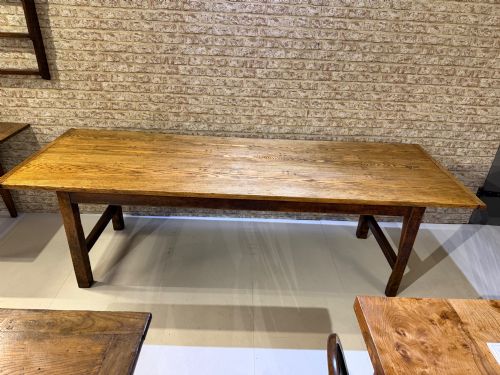
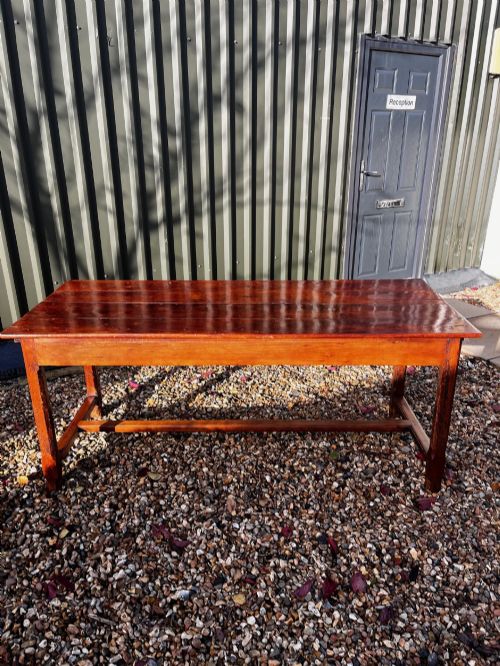
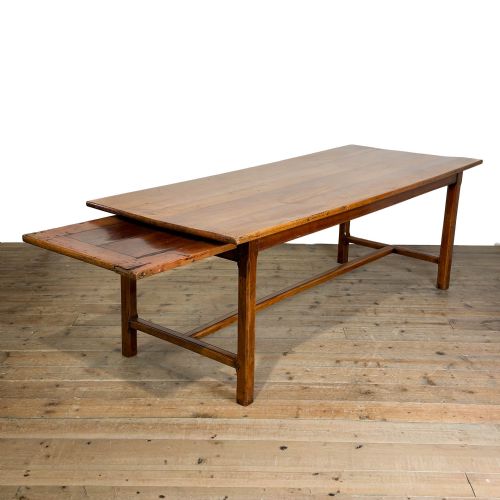
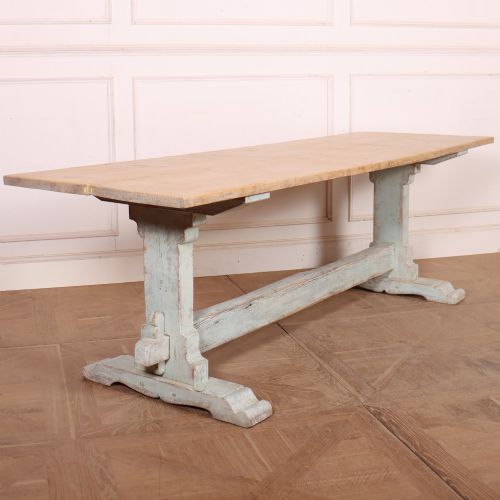
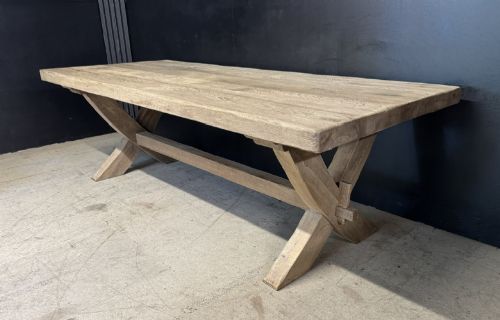
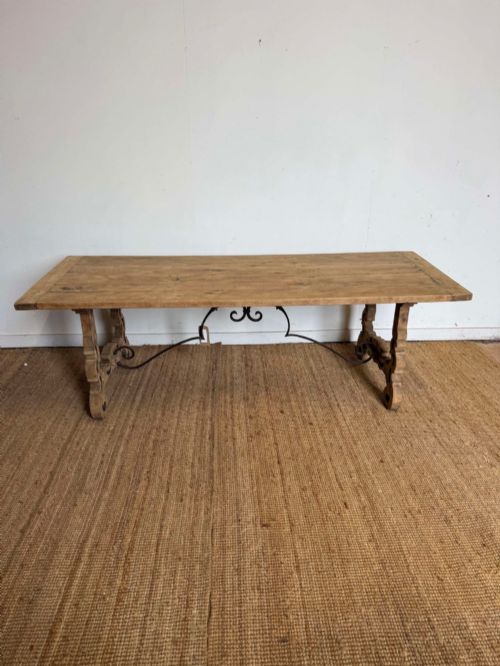
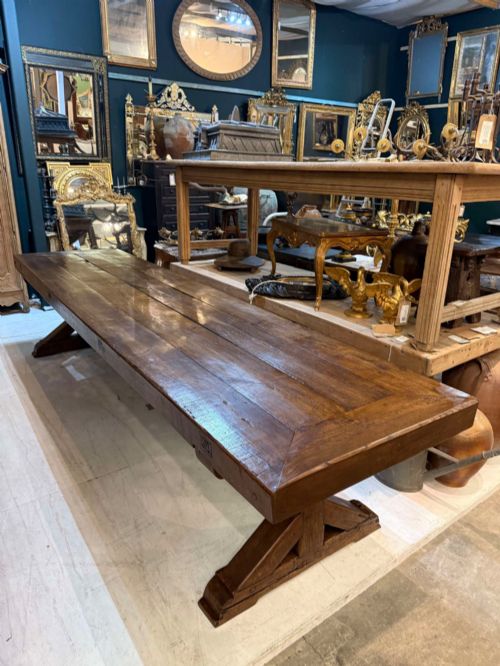
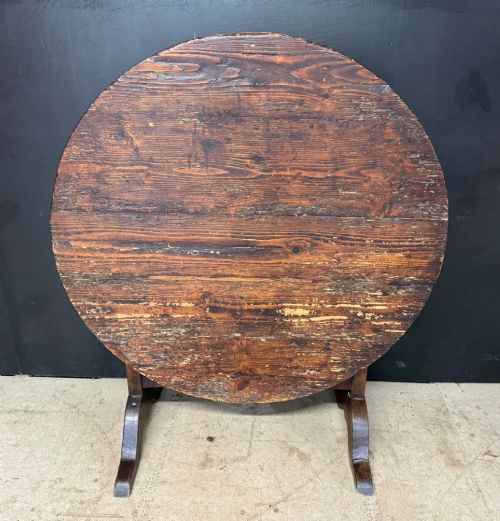
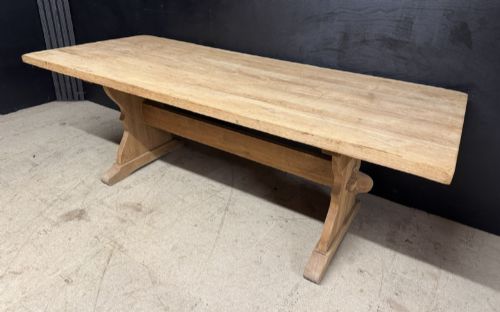
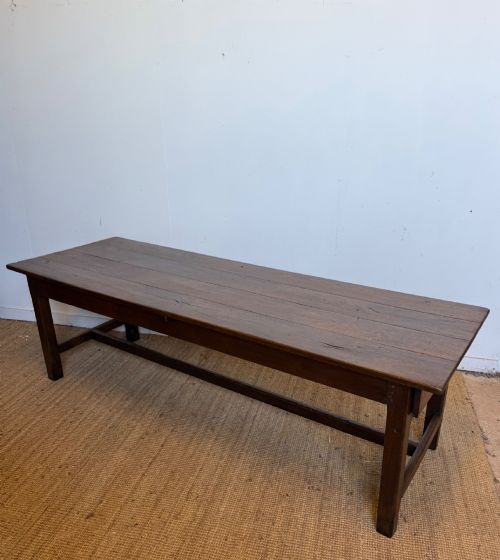
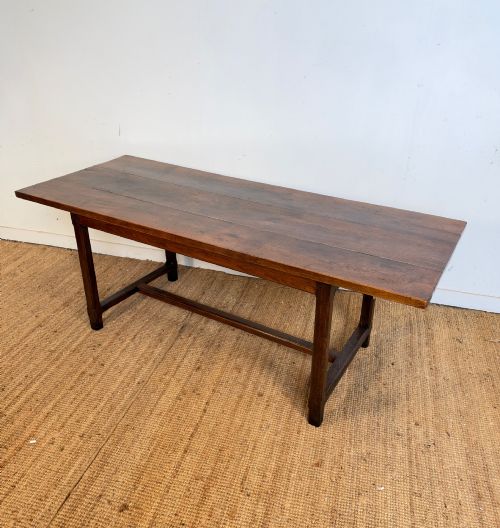
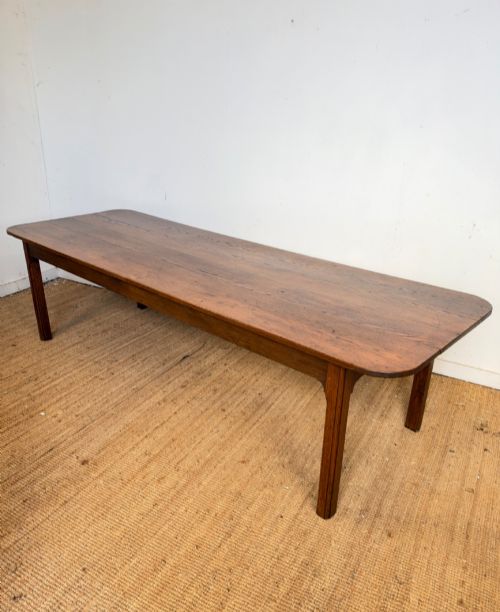
Rustic Dining Table
A rustic dining table brings centuries of practical domestic use and honest timber surfaces directly into modern gathering spaces.
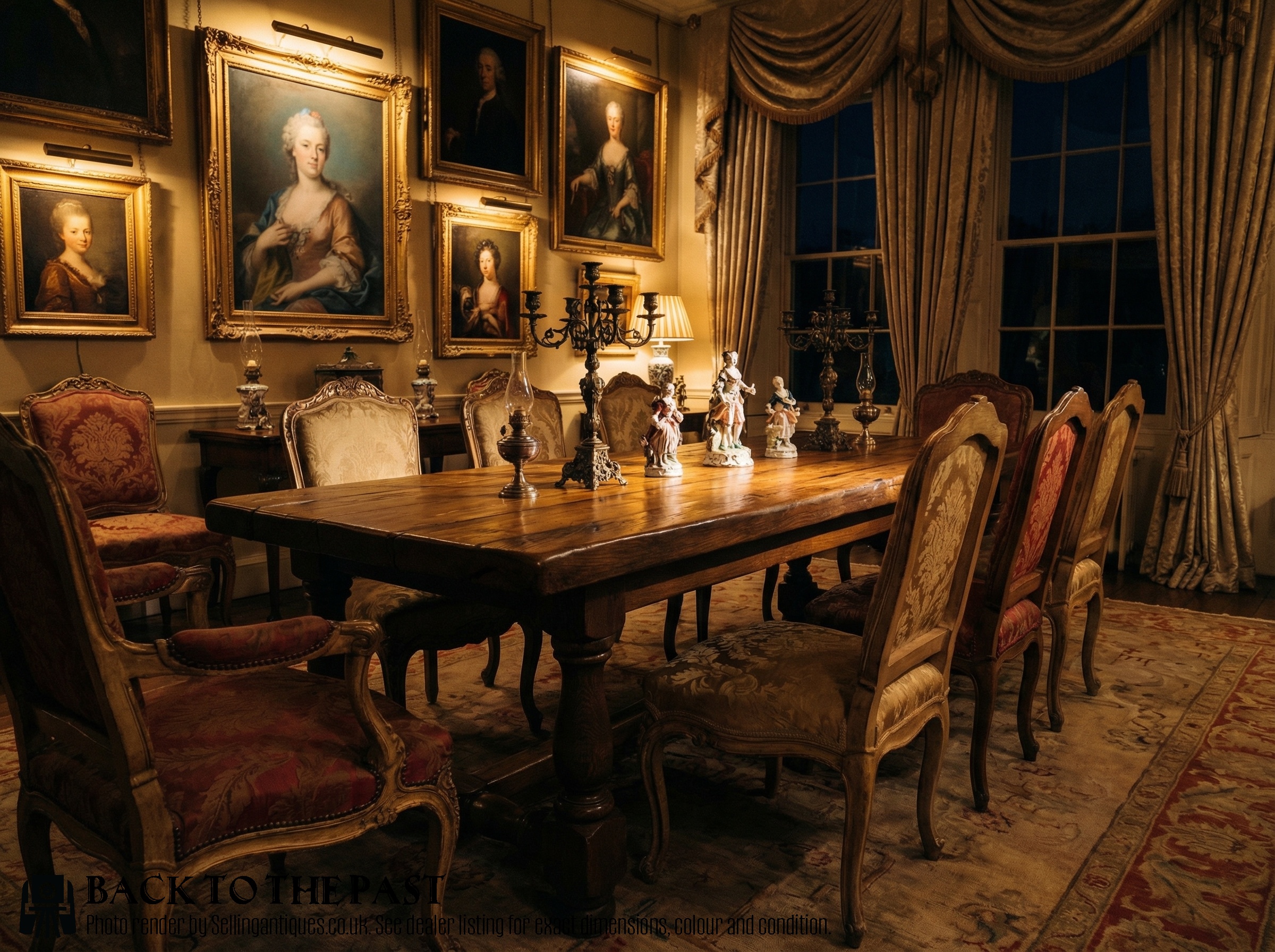
Rustic Dining Table
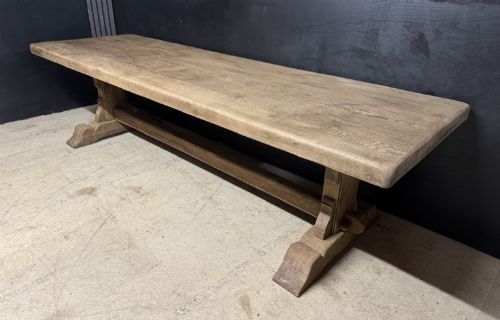
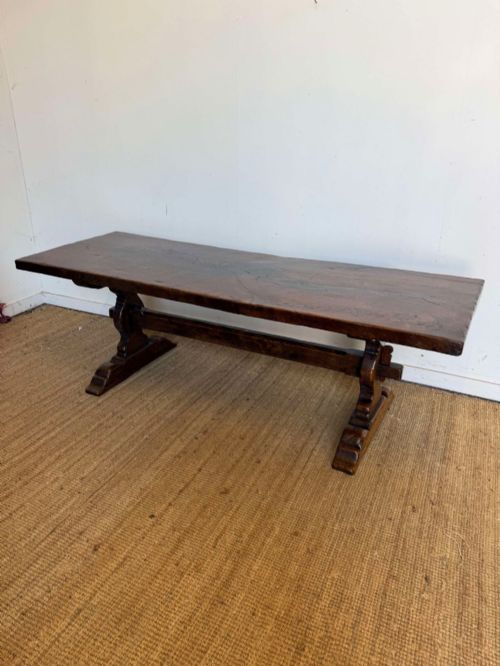
A rustic dining table represents a long tradition of functional domestic and kitchen furniture designed for heavy daily use. When exploring these listings, a buyer most frequently encounters sturdy nineteenth-century oak and pine examples originating from English and French provincial workshops.
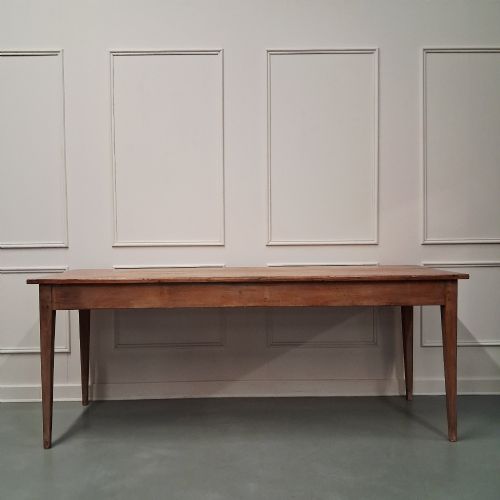
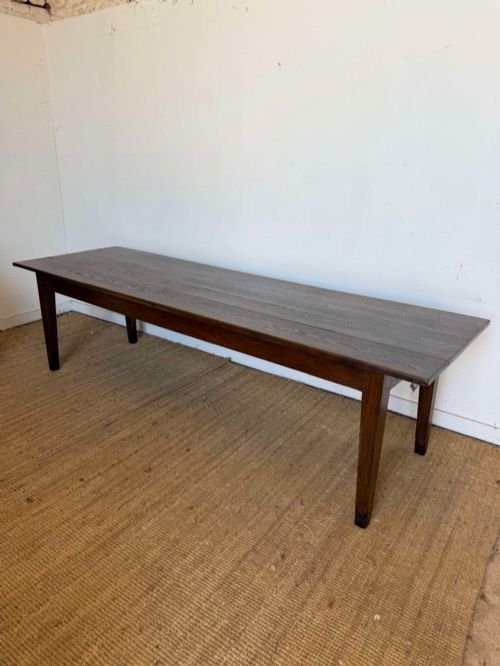
The form encompasses traditional refectory styles, gateleg variants, and drop-leaf kitchen tables equipped with practical drawers. These pieces range from compact farmhouse designs seating six to exceptionally long timbers capable of accommodating ten or more diners.
Makers historically built these boards to endure, utilising local timbers that gained rich patinas through generations of family meals. Today, they serve as the central gathering point in both traditional country kitchens and contemporary dining rooms.
How they were made
Carpenters constructed these tables using solid domestic hardwoods such as oak, elm, fruitwood, and walnut alongside versatile softwoods like pine. Master joiners frequently combined sturdy timber frames with thick single-plank tops secured by peg joints or trestle supports.
Surfaces were shaped using hand planes and saws, leaving subtle tool marks that contribute to the tactile character of the wood. Drawers incorporated hand-cut dovetail joints, while folding mechanisms on drop-leaf and gateleg variants relied on robust wooden or brass hinges.
Rustic Dining Table Retail Price Guide 2026
Typical asking prices for rustic dining table among the pieces listed under this phrase on Sellingantiques today, from the lower quarter to the upper quarter. They describe what is for sale here now, not the wider market.
Listings feature timbers including oak, pine, elm, fruitwood, walnut, beech, cherry, and sycamore across the eighteenth, nineteenth, and early twentieth centuries.
What varies in quality
Structural stability and the preservation of original undercarriages, such as tapered legs, bobbin turnings, or shaped trestle ends, dictate the architectural merit of each board. Tables retaining working drawers and minimal timber replacement demonstrate higher craftsmanship and historical preservation.
The Rustic Dining Table Glossary
- Refectory table
- A long, narrow dining table traditionally used in monastic dining halls and later adopted in domestic farmhouses. These pieces usually feature substantial legs connected by low stretchers for added stability.
- Gateleg table
- A drop-leaf table where the hinged leaves are supported by swinging legs that pivot outward like a gate. This clever design allows the table to expand for gatherings and fold compactly against a wall.
- Trestle ends
- Support structures positioned at either end of a table rather than conventional corner legs. They distribute weight evenly across large surfaces and provide generous legroom for seated diners.
- Single-plank top
- A tabletop surface fashioned from one wide board rather than multiple joined sections. This feature indicates exceptional timber availability and mature tree growth from earlier centuries.
- Patina
- The lustrous surface sheen developed on wood through decades of handling, polishing, and natural ageing. A genuine patina cannot be replicated artificially and serves as a primary indicator of historical depth.
Rustic Dining Table: Frequently Asked Questions
How do I clean a rustic wooden table?
Maintenance requires only a damp cloth followed by immediate drying to protect the historic surface from moisture damage. Avoid modern chemical polishes that can degrade the natural timber finish over time.
Applying a traditional beeswax occasionally helps nourish older hardwoods like oak and pine. This preserves the depth of the grain without creating an artificial shine.
Can I use an antique table daily?
These tables were originally built for heavy kitchen work and family dining, making them exceptionally durable for modern daily life. Using heat mats and protective pads prevents accidental scorching or water rings on fragile antique finishes.
Normal daily wear simply adds to the historical narrative of the wood. Regular use keeps the timber conditioned and prevents the joints from drying out.
How do I identify a refectory table?
Refectory tables are distinguished by their notable length and narrow proportions, designed originally to fit long dining halls. They feature sturdy structural legs or trestle ends linked by low wooden stretchers near the floor.
This specific architectural layout provides maximum seating capacity along the sides without corner legs obstructing chairs. Most surviving examples date from the eighteenth and nineteenth centuries.
What is the difference between oak and pine tables?
Oak provides a dense, heavy hardwood surface with prominent grain patterns and exceptional resistance to physical wear. It typically commands attention for formal country dining rooms and monumental refectory forms.
Pine offers a softer, lighter alternative traditionally favoured in busy provincial kitchens and smaller domestic spaces. Pine surfaces often exhibit a paler bleached appearance or warm golden tones depending on their geographical origin.