

Scrubbed Pine Table
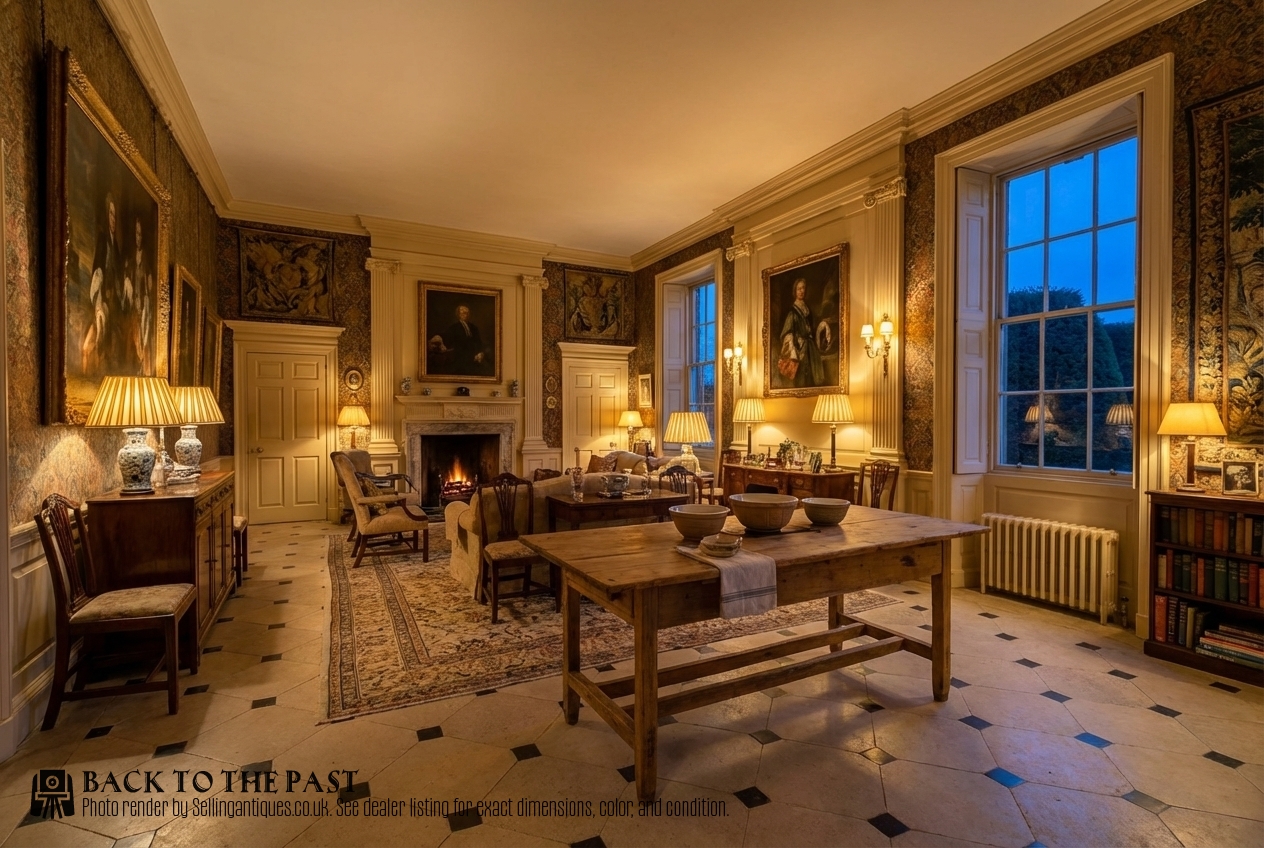
A scrubbed pine table brings the honest utility of historic kitchens and country houses straight into a modern dining room.

Scrubbed Pine Table
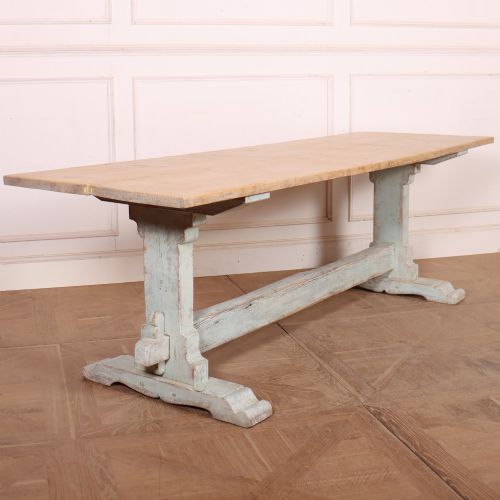
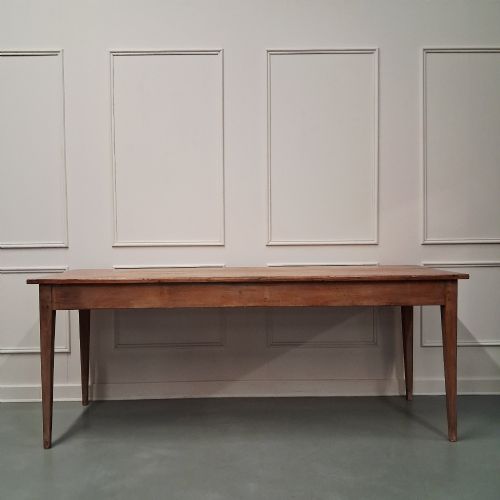
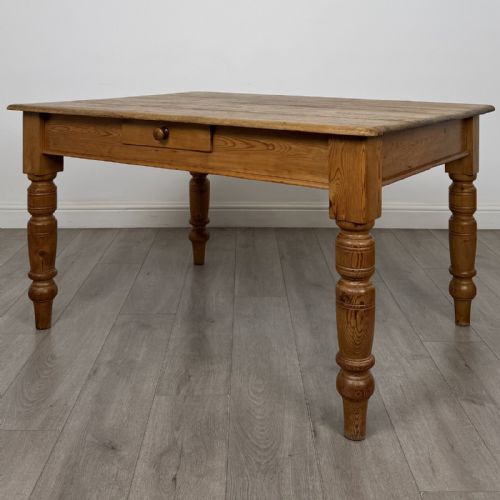
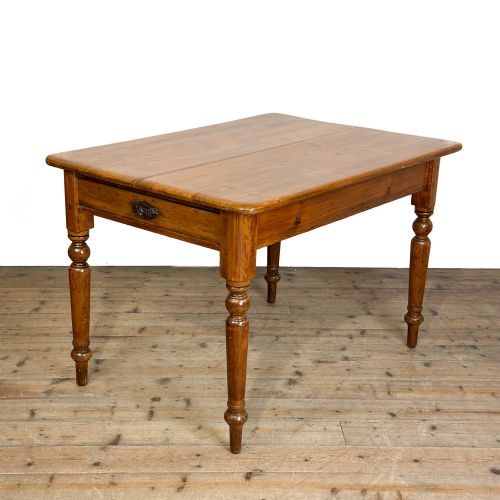
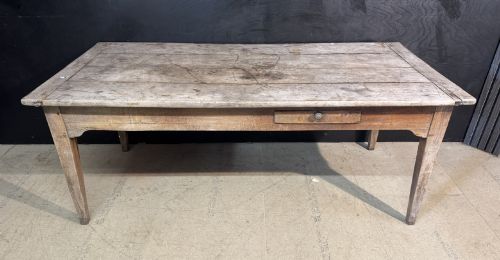
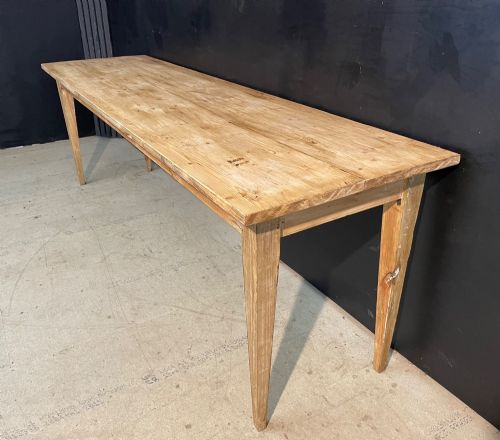
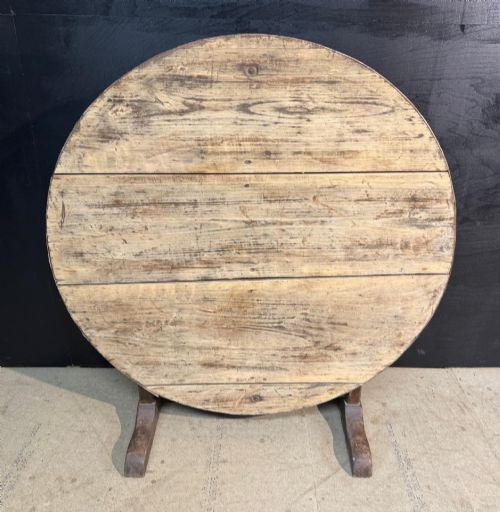
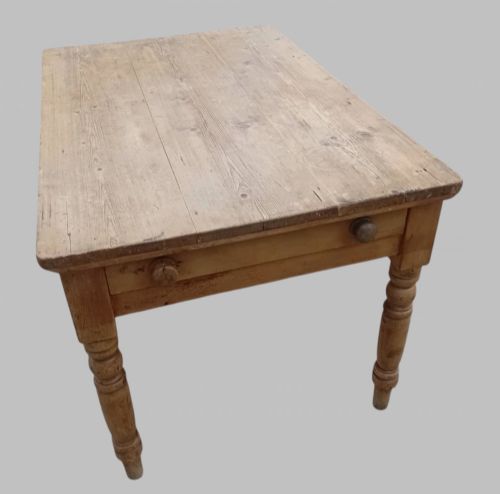
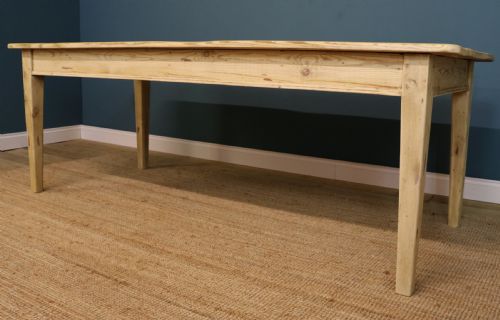
A scrubbed pine table is a utilitarian surface designed for heavy domestic labour, spanning simple kitchen tables to large refectory and farmhouse dining formats. Most pieces encountered here stem from the nineteenth century, with strong representation from Victorian Britain alongside French, Scandinavian, and English country workshops.
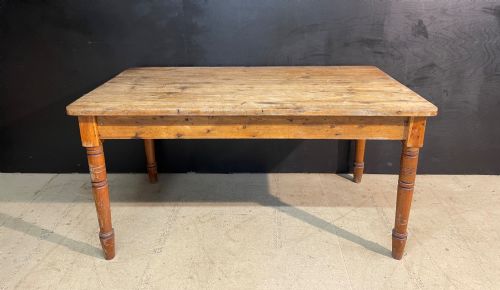
The phrase encompasses diverse domestic types including prep tables, tavern tables, dairy tables, and console tables. Dining tables and kitchen tables dominate the selection, often featuring scrubbed wooden tops paired with bare or painted timber bases.
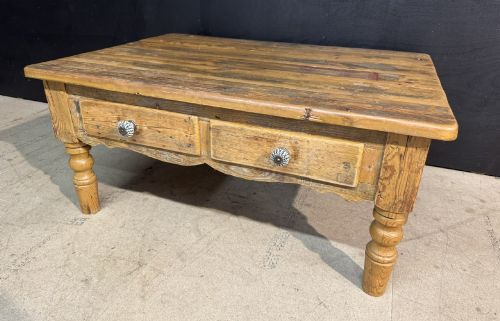
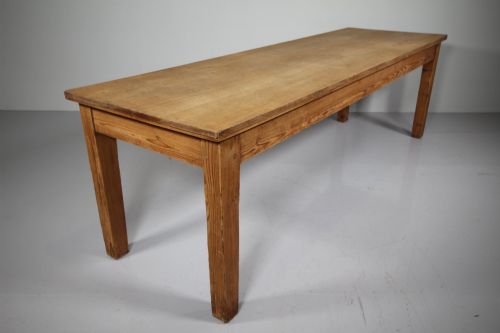
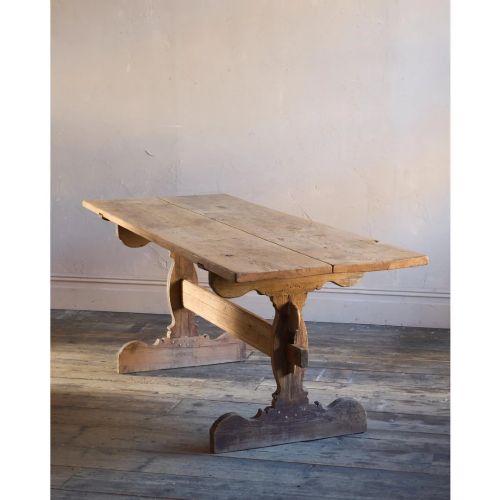
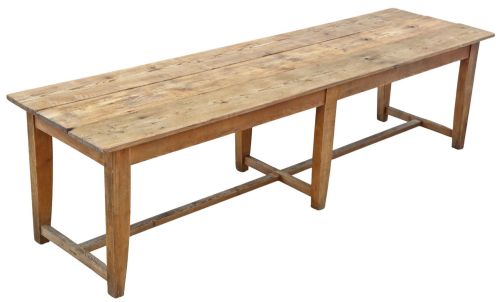
Geographic variations emerge through specific regional forms, such as Welsh tavern tables, Swedish X-frame trestles, and English scrub-top scullery designs. These pieces range from compact occasional coffee tables to expansive ten-foot boards built for communal dining.
Materials and Construction
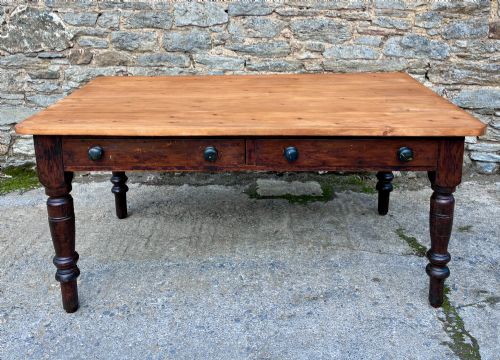
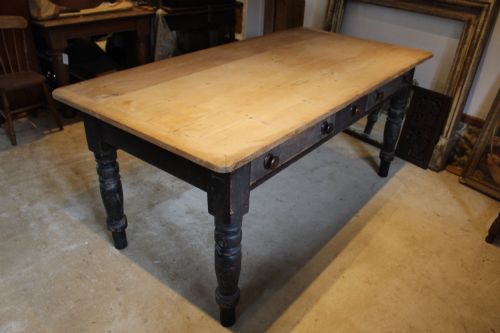
Construction relies heavily on solid pine, frequently combined with secondary timbers such as oak, fruitwood, sycamore, or painted wood for structural bases and drawers. Tables often feature scrubbed tops alongside original or later applied paint finishes, including traditional Falu red or blue pigments on the legs and skirts.
Joinery methods reflect robust vernacular craftsmanship, utilising square-section supports, turned legs, bobbin-turned legs, and trestle frames designed to withstand daily physical strain. Many examples incorporate functional additions such as single or double drawers and lower shelves for utility storage.
Scrubbed Pine Table Retail Price Guide 2026
Typical asking prices for scrubbed pine table among the pieces listed under this phrase on Sellingantiques today, from the lower quarter to the upper quarter. They describe what is for sale here now, not the wider market.
Historic tavern tables carried three legs to stay steady on wonky flagstone floors, proving furniture design solved pub wobbles centuries ago.
Proportions and Patina
Quality rests in the balance of proportions and the depth of natural patina built through decades of scrubbing and use. Superior examples retain honest timber movement, tight structural joinery, and well-proportioned farmhouse dimensions without excessive timber thinning.
The integrity of the scrubbed top relative to the base defines the piece, distinguishing items with untouched original painted legs from those with later surface restorations. Grain density in the pine and the presence of period hardware or integrated drawers further separate standard utility pieces from exceptional country house examples.
The Scrubbed Pine Table Glossary
- Scrubbed top
- A wooden table top repeatedly scoured with water and abrasive brushes to maintain a clean, pale surface. This process creates a weathered texture unique to antique pine furniture.
- Tavern table
- A compact, sturdy table traditionally built for commercial hospitality and public houses. These pieces typically feature robust legs and thick tops designed for heavy public use.
- Refectory table
- An elongated dining table historically used in communal dining halls. Surviving examples offer exceptional length and substantial structural framing.
- Falu paint
- A traditional deep red or copper-coloured paint originating from Sweden, frequently utilised on historic timber furniture and architectural elements. It contains copper tailings which help preserve the wood.
- Cricket table
- A small, lightweight occasional table supported by three legs. This tripod design ensures stability on uneven historic stone or flagged floors.
Scrubbed Pine Table: Frequently Asked Questions
How do I clean a scrubbed pine table?
Wash the top gently with warm water and mild soap, using a soft brush along the grain. Avoid harsh chemical cleaners that strip the natural timber character.
Allow the wood to dry thoroughly after washing. Applying a light coat of clear beeswax periodically helps protect the surface from fresh stains.
Were these tables used only in kitchens?
While primarily built for food preparation, scullery work, and dairy processing, these versatile surfaces also served in taverns, dairies, and country house utility rooms.
Their robust construction made them suitable for any domestic task requiring a strong, reliable workspace.
Can I use a kitchen table for daily dining?
These tables adapt easily to modern dining spaces because they were originally built for heavy daily use. Their generous proportions provide comfortable seating for family meals.
Pairing them with simple chairs or benches complements their historic country aesthetic while adding practical dining seating.