

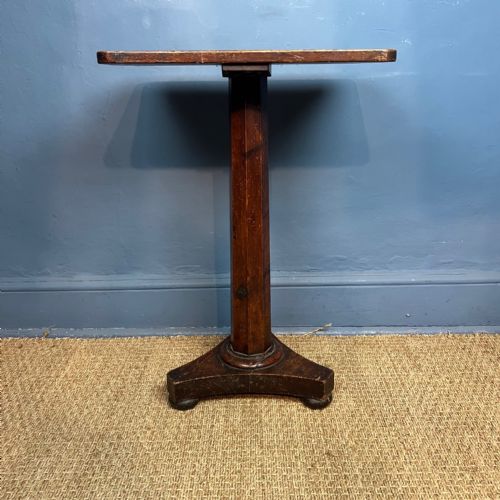
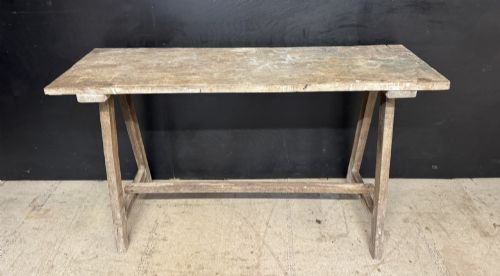
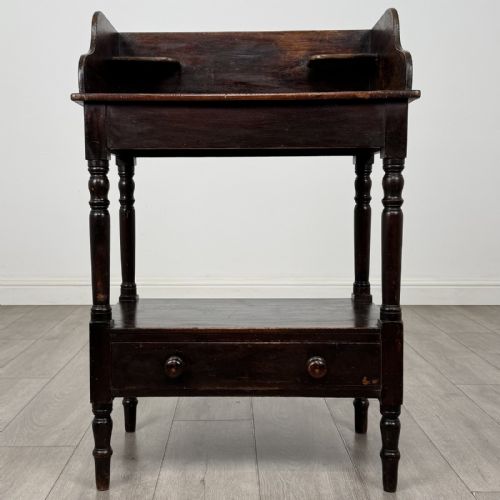
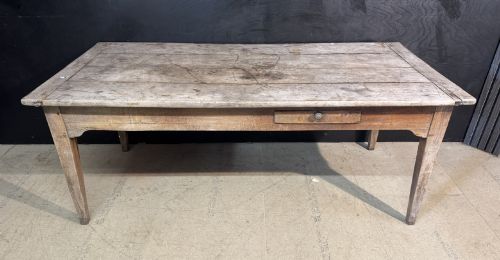
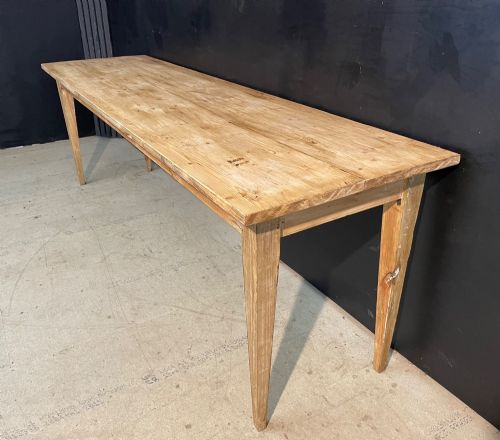
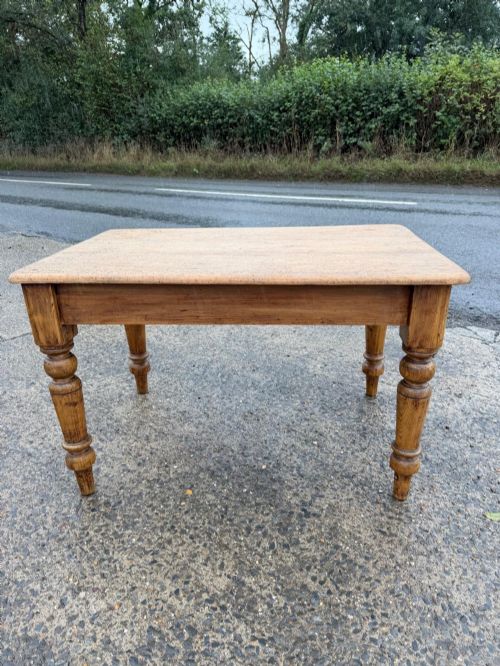
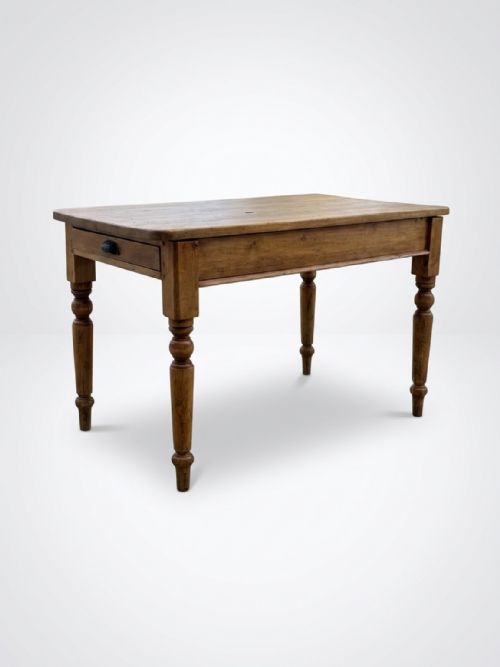
Country Pine Side Table
A country pine side table brings practical utility and honest domestic character into a room.

Country Pine Side Table
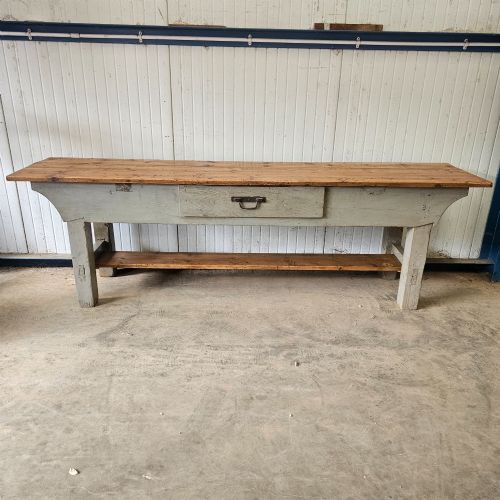
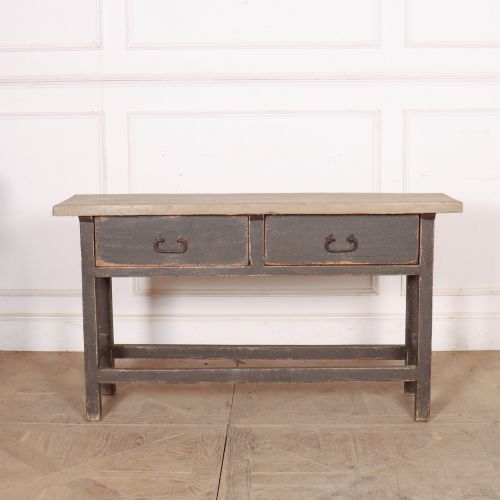
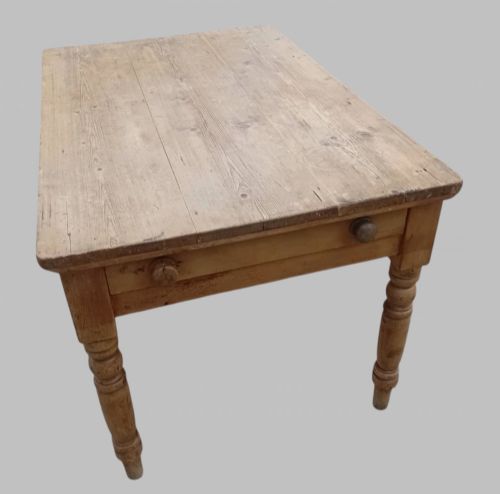
A country pine side table represents a sturdy utilitarian form shaped by domestic life across the nineteenth century and into the early twentieth century. These pieces appear primarily as simple occasional surfaces, drawer-fitted side pieces, and smaller prep formats derived from farmhouse and rustic traditions. English, Scandinavian, and broader European vernacular examples emerge frequently through the listed inventory.
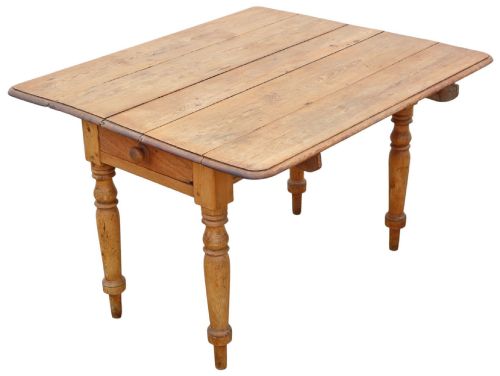
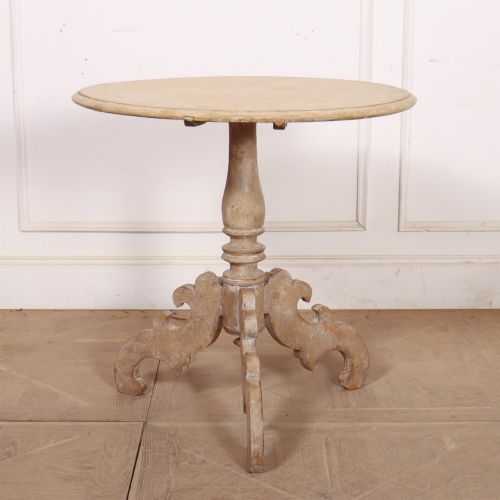
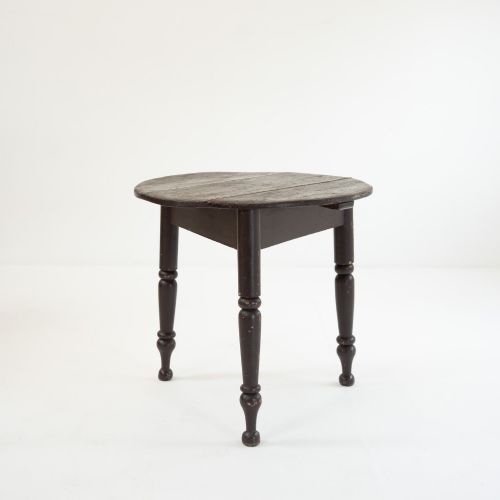
The format encompasses square, rectangular, and round tripod constructions, including distinct variations such as three-legged cricket tables and drop leaf tables. Makers constructed these items for hardworking kitchens, dairies, and sculleries rather than formal parlours. Consequently, surviving examples display straightforward proportions built around daily utility.
Materials and construction methods
Makers relied principally on softwood pine and denser pitch pine, occasionally combining oak top planks with pine bases on specific tripod formats. Construction techniques prioritised durability, employing pegged joints, straightforward drawer framing, and sturdy stretcher supports beneath the main surface. Iron and brass hardware appeared selectively for hinges, pulls, and structural reinforcement.
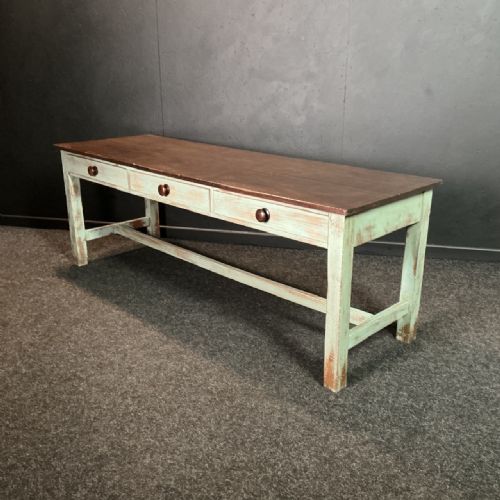
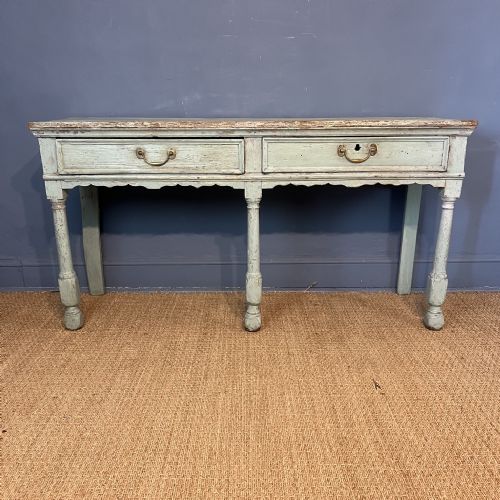
Surface treatments divided between stripped natural wood and applied paint finishes, including original scumble and later decorative layers. Swedish and English pieces frequently showcase historic painted schemes that protected the softwood while adding colour to domestic interiors. These finishes age naturally through daily use, revealing the underlying grain and tool marks of the carpenter.
Country Pine Side Table Retail Price Guide 2026
Typical asking prices for country pine side table among the pieces listed under this phrase on Sellingantiques today, from the lower quarter to the upper quarter. They describe what is for sale here now, not the wider market.
Current listings feature pine, pitch pine, oak, and painted surfaces across nineteenth-century and early twentieth-century formats.
Distinctions in quality
Quality rests upon the integrity of the original construction and the preservation of authentic surfaces rather than elaborate ornamentation. Pieces retaining their original painted finish or aged scumble hold greater character than stripped examples that have lost their historic patina. Well-proportioned framing, tight joints, and original timber thickness separate superior vernacular work from routine utility items.
The presence of functional elements like single or double drawers, box stretchers, and untouched backboards elevates a piece beyond basic form. Balance and proportion matter significantly in smaller formats like cricket tables and lamp tables, where slight asymmetries affect daily stability. Honest wear from domestic service enhances an authentic piece, provided the structural core remains sound.
The Country Pine Side Table Glossary
- Cricket table
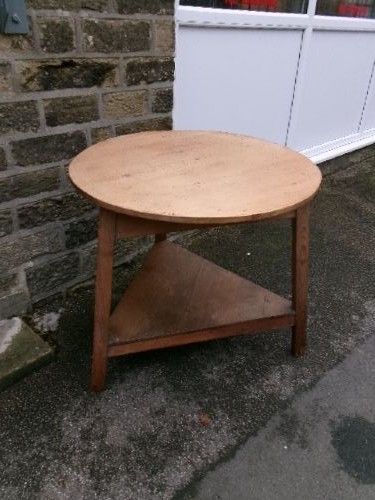
- A small round occasional table supported by three splayed legs, often featuring a triangular lower shelf or stretchers for stability. This vernacular form allowed stable placement on uneven flagstone floors.
- Scumble
- A decorative painting technique involving a translucent glaze dragged or mottled over a paler base colour to simulate richer wood grain or create texture. Carpenters applied this finish to protect plain pine surfaces.
- Pitch pine
- A dense, resinous variety of pine timber with prominent grain patterns and a darker natural tone than standard softwood. It provided exceptional durability for hardworking farmhouse furniture.
- Dairy table
- A specialised utility table designed with slatted or plain pine tops for food preparation and milk processing in domestic dairies. These surfaces often incorporated scrubbed finishes resistant to moisture.
- Box stretcher
- An interconnected frame of horizontal wooden rails joining the lower legs of a table to improve rigidity. This framework frequently doubled as a low shelf for storing small household items.
Country Pine Side Table: Frequently Asked Questions
What is a country pine side table used for today?
These tables function well as bedside stands, hallway lamp surfaces, or compact writing desks in living spaces. Their modest proportions allow them to fit easily into smaller rooms while adding tactile warmth.
Their practical drawers and lower shelves provide convenient storage for daily essentials, books, or decorative objects. Placing one in a hallway or kitchen introduces an immediate sense of historic domestic character.
How do I identify original paint on pine furniture?
Original paint displays fine craquelure, subtle fading, and natural wear patterns accumulated over generations of use. The pigments settle evenly into the wood pores and around fixings in a manner difficult to replicate artificially.
Examining the edges and undersides reveals multiple historic layers or a consistent ground coat beneath later alterations. Modern repainting often feels flat and uniform, lacking the depth and varied sheen of genuine antique finishes.
Are stripped pine tables authentic antiques?
Stripping paint from nineteenth-century pine became a popular practice in later decades, removing original decorative schemes to expose the pale timber underneath. While many pieces on the market are stripped down to bare wood, their structural joinery and age remain entirely genuine.
Collectors weigh the loss of original paint against the clean, rustic aesthetic that stripped pine brings to contemporary interiors. Both finished and stripped surfaces reflect legitimate periods of domestic use and styling.
How do I care for an antique pine table?
Protect the timber from direct sunlight and excessive heat sources to prevent warping or splitting in the softwood. Maintain a stable indoor humidity level to keep the historic wood stable.
Apply natural beeswax periodically to nourish unpainted surfaces and preserve their soft sheen without building up sticky residue. Clean painted surfaces gently with a dry or barely damp cloth, avoiding harsh chemical solvents.