
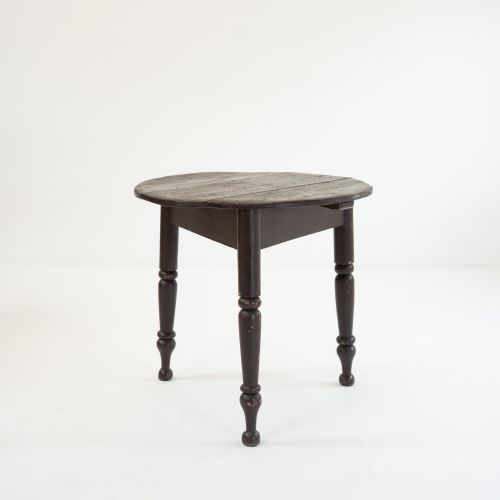


Rustic Pine Accent Table
A rustic pine accent table brings honest grain, country character and practical utility into a room.
Rustic Pine Accent Table
A rustic pine accent table bridges domestic utility and regional vernacular craft, appearing in forms such as cricket tables, side tables, and occasional tables. These low or compact surfaces served practical roles beside chairs, in halls, or within taverns across British and European homes.
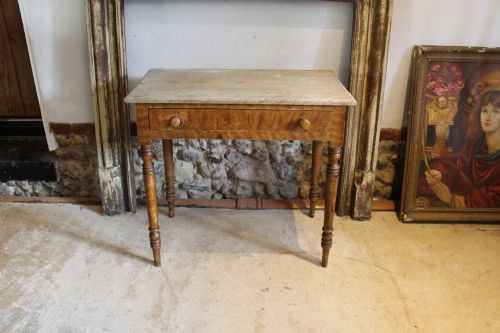
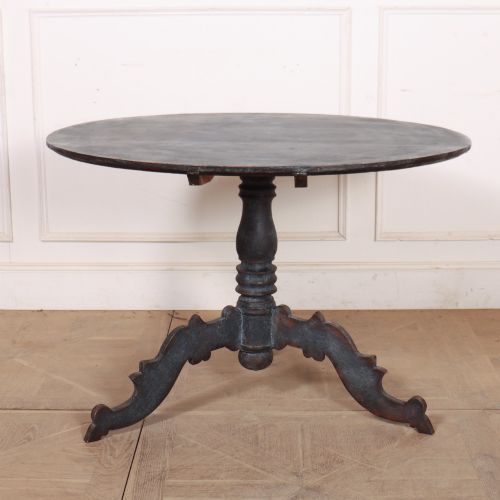
The pieces on this page lean heavily towards nineteenth-century origins, spanning Victorian, Scandinavian, and Welsh country traditions. Buyers will regularly encounter three-legged cricket tables with bleached tops alongside painted side tables carrying scumble glaze or later pigment.
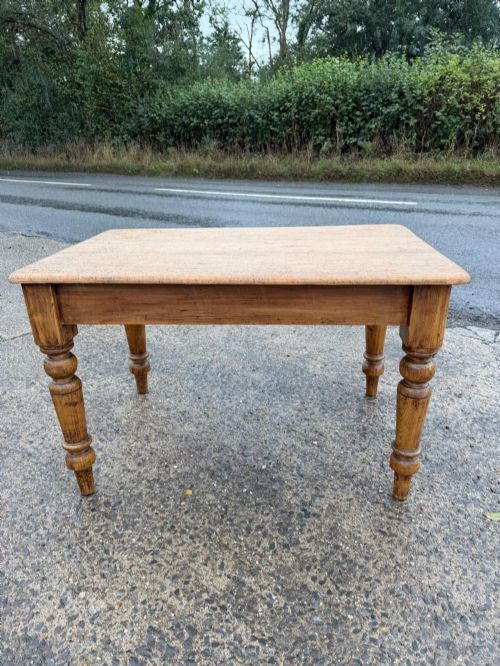
Regional styles dictate the silhouette, from the distinct bobbin-turned legs of English examples to the lighter painted surfaces of Swedish rococo revival pieces. Each form reflects the local woods available to rural carpenters and the everyday domestic needs of past households.
How they were made
Carpenters built these tables using solid pine, occasionally incorporating oak for structural resilience or brass fittings for functional details. Construction methods relied on straightforward joinery suited to regional workshops rather than elaborate city cabinet-making.
Surfaces frequently received decorative treatments such as paint or scumble glaze to mimic finer timbers or simply to brighten farmhouse interiors. Over generations, these coatings weathered naturally, leaving characteristic patinas across table tops and friezes.
Object forms on this page include side tables, occasional tables, tavern tables, and hall tables created within Scandinavian and British country traditions.
What varies in quality
The integrity of the structural frame and the honesty of the surface finish distinguish ordinary examples from finer survivals. Tables retaining their original unstripped paintwork or untouched bleached pine tops command stronger character than those altered by modern sanding.
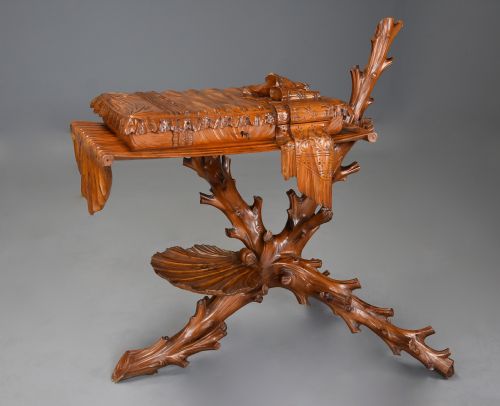
Proportion and regional quirks, such as finely carved grotto work or well-turned legs, elevate certain pieces above basic utilitarian furniture. The weight of the timber and the snugness of single-drawer friezes reveal the care taken by the original maker.
The Rustic Pine Accent Table Glossary
- Cricket table
- A small round table traditionally supported on three legs, designed to stand firm on uneven flagstone floors. This form is particularly common among English and Welsh country pieces.
- Scumble glaze
- A translucent or opaque topcoat applied over a pale ground and manipulated with combs or rags to imitate the grain of richer woods. It appears frequently on nineteenth-century painted furniture.
- Frieze
- The horizontal band beneath the table top, which sometimes houses a single small drawer for storage. Its construction often exposes the underlying joinery.
- Bobbin-turned
- Legs shaped on a lathe to resemble a series of rounded wooden beads or bobbins threaded together. This decorative turning method appears on specific nineteenth-century tables.
- Vernacular
- Everyday utilitarian objects made by local craftspeople using regional materials, reflecting traditional domestic habits rather than high-style academic design.
Rustic Pine Accent Table: Frequently Asked Questions
What is a cricket table?
A cricket table is a traditional three-legged round table designed to remain stable on uneven floors.
They were widely used in British country houses and taverns for everyday domestic tasks.
How do I date a pine table?
Dating relies on observing construction marks, timber wear, and regional design characteristics recorded in the listings.
Nineteenth-century examples often display hand-planed surfaces and simple pegged joinery rather than modern fixings.
Where were these tables made?
These tables originate from various European and British rural workshops, including English, Welsh, and Swedish regions.
Local craftspeople utilised native pine and applied regional decorative finishes like scumble glaze or paint.
How do I care for painted pine?
Care involves keeping the wood away from direct heat sources and avoiding harsh chemical cleaning products.
Regular dusting with a dry cloth preserves the fragile historic paint layers and original wax patinas.