
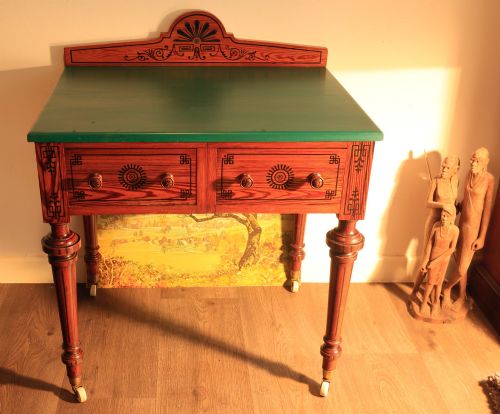
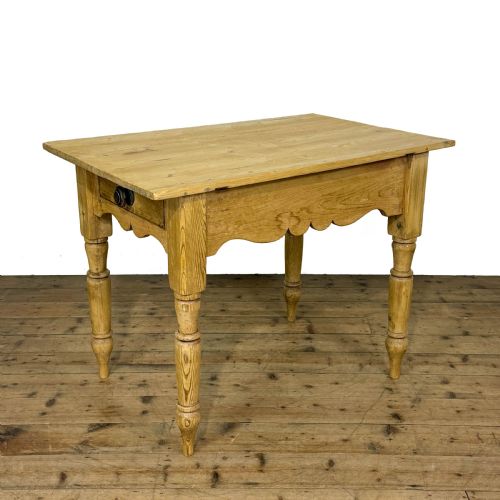

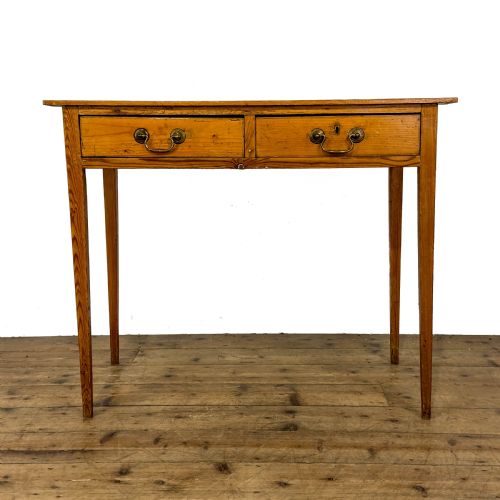
Victorian Pine Hall Table
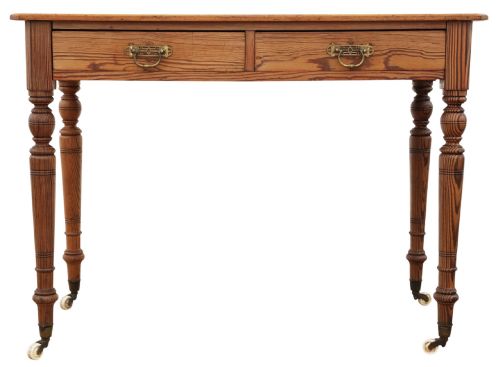
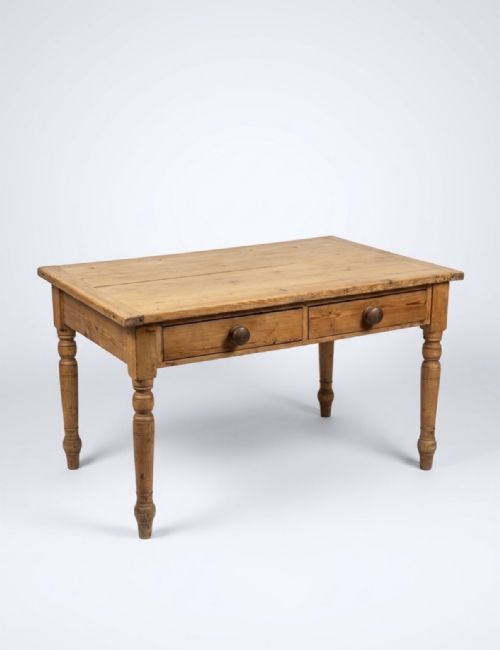
A victorian pine hall table brings honest nineteenth-century utility and warm timber grain into an entryway.
Victorian Pine Hall Table
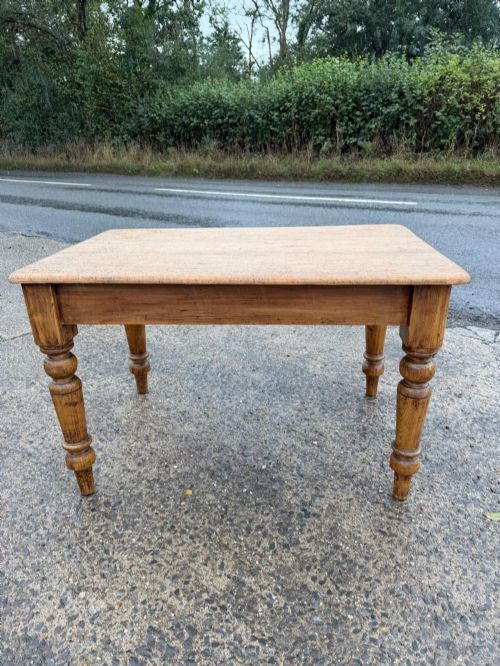
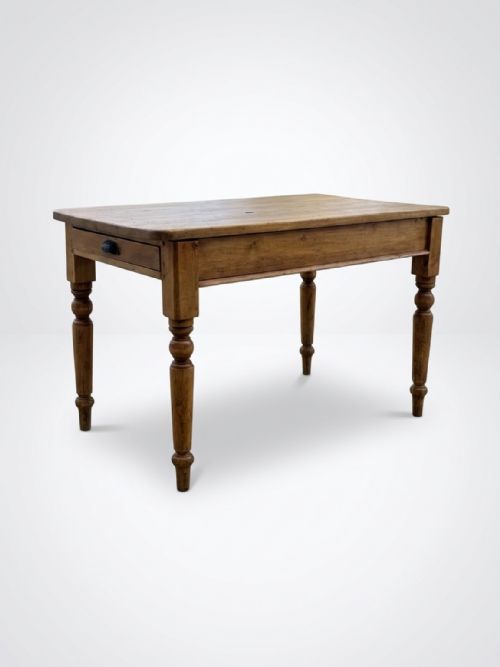
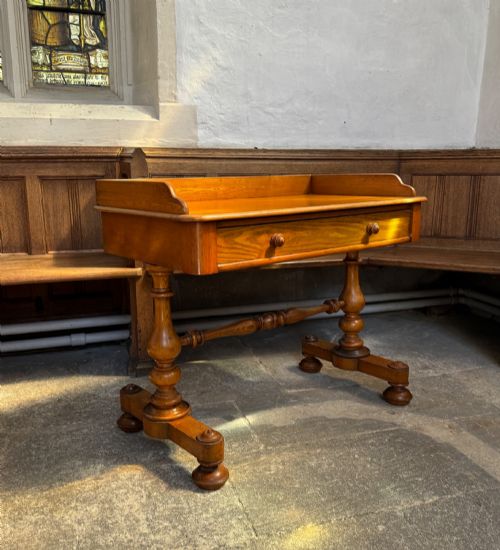
When you search for a victorian pine hall table, you are looking at narrow nineteenth-century timbers built for narrow spaces. These pieces span utility forms including side tables, console tables, and washstands adapted for hallways.
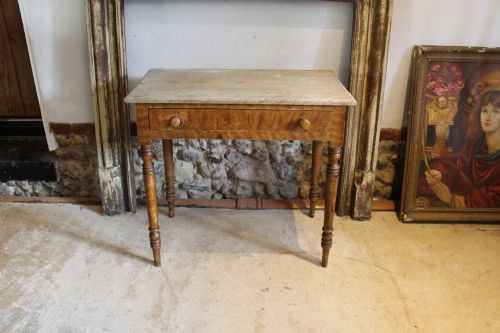
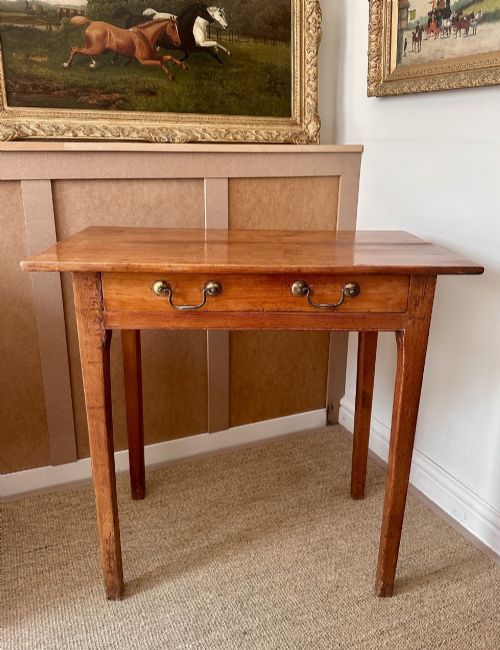
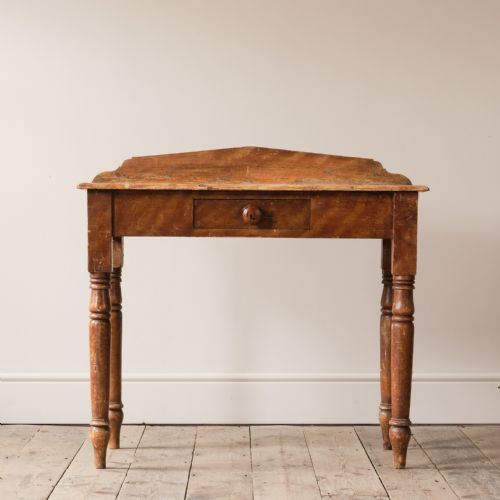
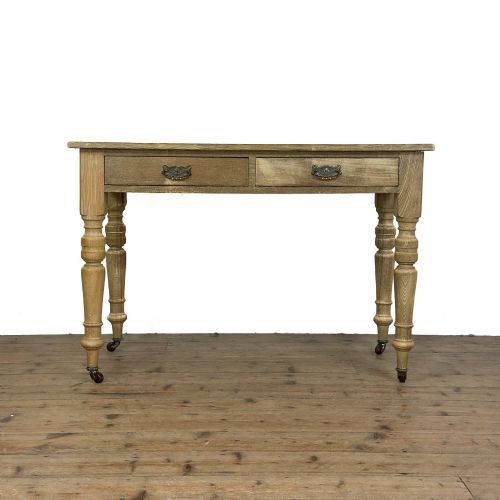
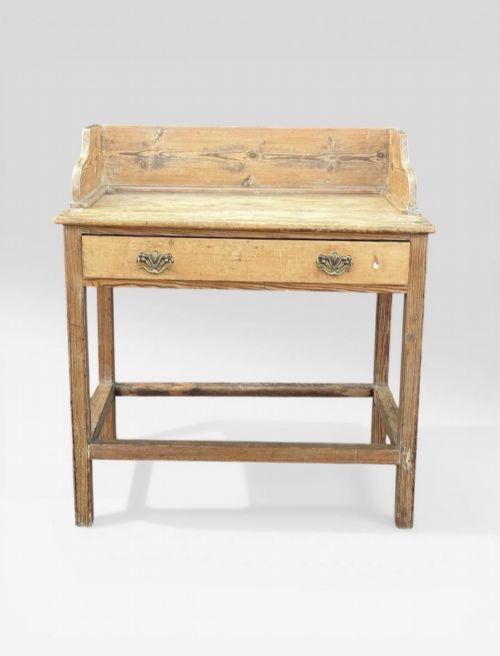
Most examples you meet here arrive in standard pine or denser pitch pine, often featuring a single frieze drawer or a lower shelf. They originate from domestic kitchens, country houses, and ecclesiastical settings alike.
How they were made
Joinery relies on solid pine and pitch pine boards, shaped with straightforward hand tools and sturdy framing. Drawers typically employ traditional joints and retain brass handles or wooden knobs.
Surfaces frequently show historical treatments ranging from stripped natural wood to original paint, scumble finishes, and painted faux marble tops.
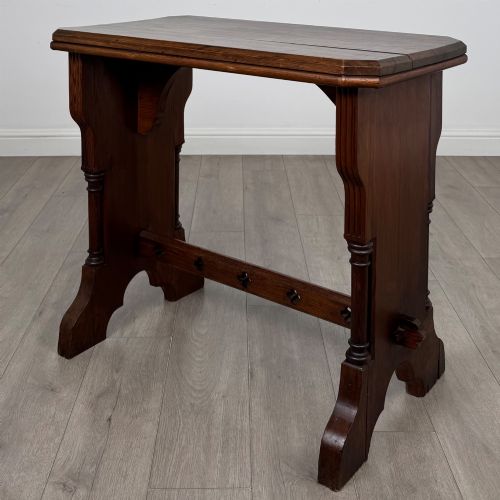
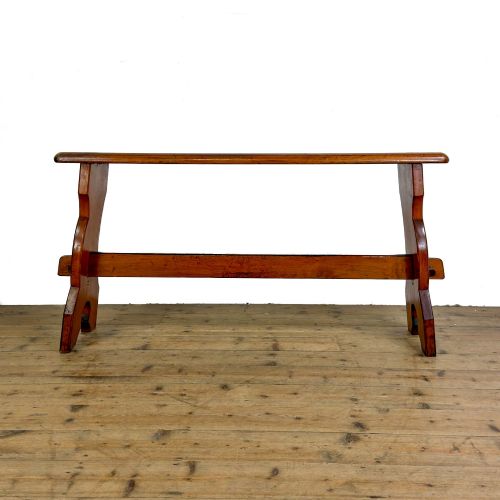
One unexpected Victorian survivor started life as an organ bench before finding a second career holding keys and hats.
What varies in quality
Quality rests on the integrity of the timber and the preservation of original surfaces. Pieces retaining genuine early paintwork or distinct grain finishes stand apart from stripped examples.
Proportions also dictate distinction, with narrow depths and slender legs offering better suitability for modern entranceways than bulkier utility tables.
The Victorian Pine Hall Table Glossary
- Pitch pine
- A dense, resinous variety of pine timber often utilised in nineteenth-century furniture for its distinct growth rings and durability.
- Scumble
- A decorative painting technique where a translucent glaze is manipulated over a base coat to imitate natural wood grain.
- Frieze drawer
- A storage compartment integrated directly beneath the top surface within the horizontal band of the table frame.
- Console table
- A narrow table designed to stand against a wall, frequently supported by brackets or legs at the front.
Victorian Pine Hall Table: Frequently Asked Questions
Will a pine hall table fit a narrow hallway?
Many nineteenth-century examples are built with shallow depths specifically intended for passage spaces and corridors. Measuring your clearance ensures the piece allows comfortable movement.
Drawers and lower tiers add function without demanding extra floor space, making them practical for daily use.
How do I care for original painted pine?
Original painted surfaces require gentle dusting with a dry cloth and protection from direct sunlight and moisture. Avoid modern chemical solvents that lift historic finishes.
Wax is rarely needed on painted timber, unlike stripped wood which benefits from occasional nourishment.
What is the difference between pine and pitch pine?
Pitch pine contains a higher resin content, giving the timber a heavier weight and a more pronounced, darker grain pattern. Standard pine tends to be lighter in tone and softer in hand.
Both materials were common in the nineteenth century, though pitch pine frequently appears in more robust utility pieces.
Can these tables be used for writing?
Several surviving pieces double as compact writing tables or dressing surfaces, particularly those originating as washstands or modular side tables. Their height generally matches standard chair clearance.
Checking the kneehole height ensures comfortable seating if you plan to use it actively for correspondence.