




Honey Pine Console Table
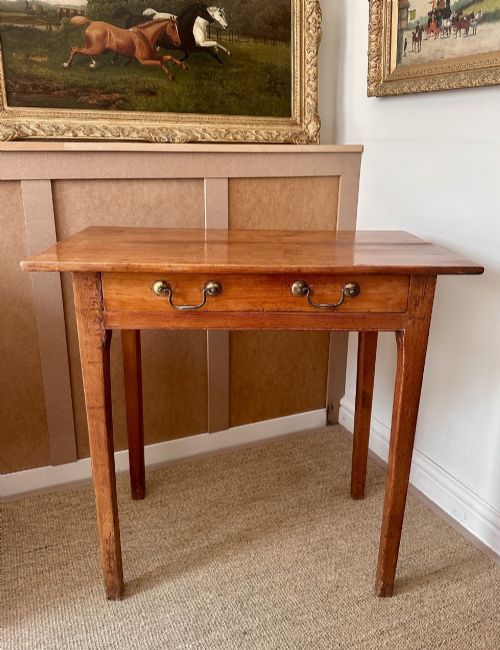
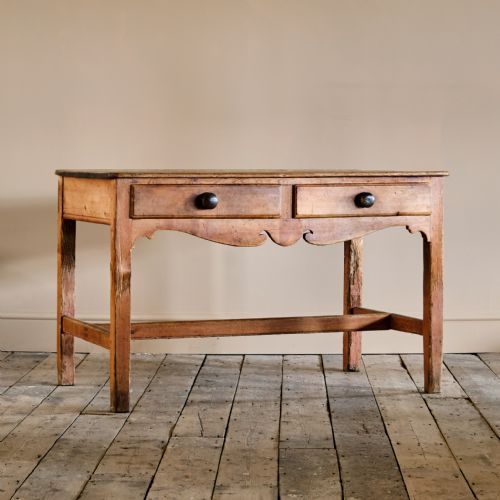
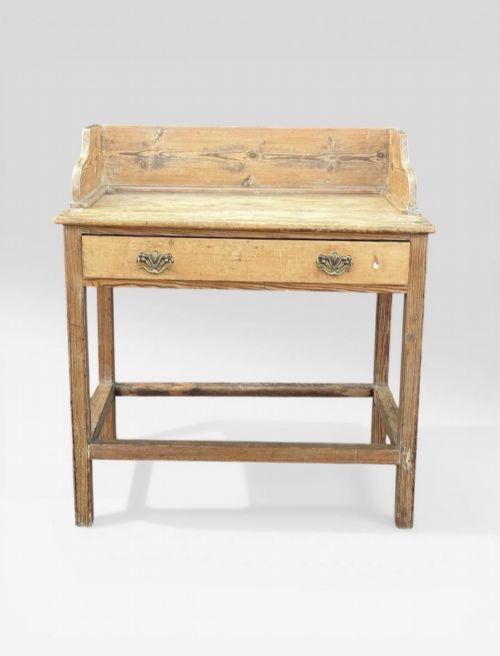
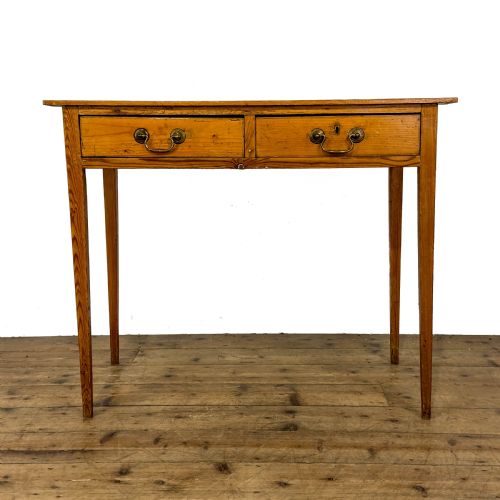
A honey pine console table brings warmth and grain to a narrow hall, crafted from timber that has mellowed over the decades.

Honey Pine Console Table
When you search for a honey pine console table, you are looking at narrow side tables, hall tables, and dresser bases designed to stand against a wall without taking up much floor space. These pieces serve as practical surfaces for daily use while adding a warm, golden tone to an entryway or living room.
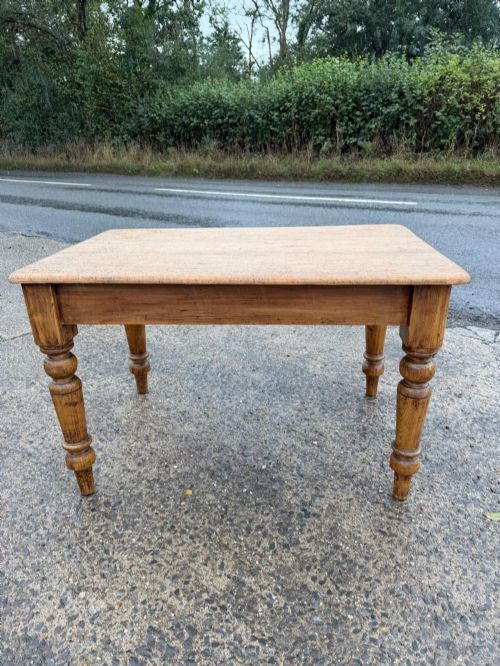
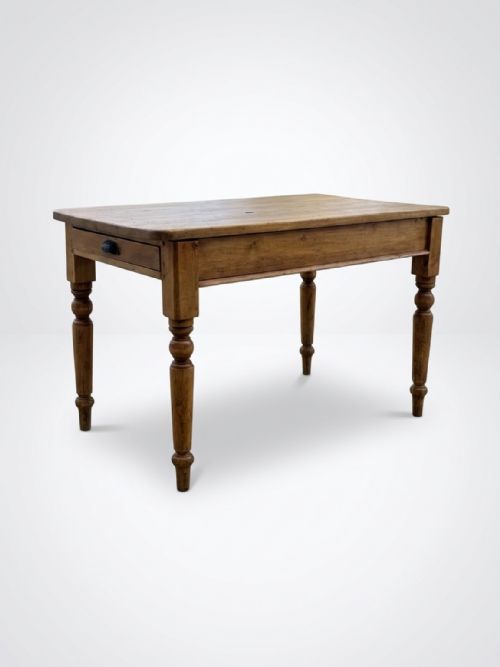
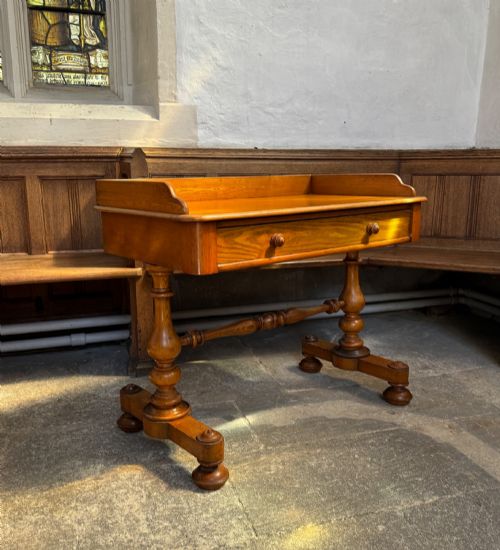
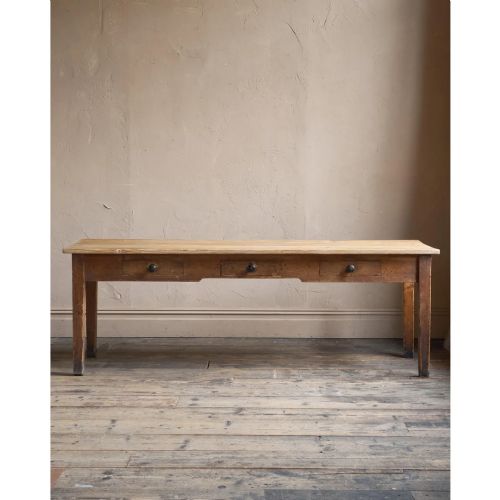
The versions you are most likely to meet on this page span the nineteenth century and the early twentieth century, taking forms such as Victorian country side tables, rustic farmhouse prep tables, and Georgian bowfront sideboards. They reflect domestic utility from eras when pine was the dependable choice for hardworking household furniture.
How they were made
Cabinet makers built these tables primarily from solid pine and pitch pine, selecting timber known for its resilience and distinctive grain patterns. These woods took on a rich, honeyed hue through age, sunlight, and decades of polishing.
Construction methods relied on traditional joinery to ensure stability in busy domestic environments like sculleries and kitchens. Hardware such as brass pulls or metal fixtures appeared on drawers, adding functional contrast to the wooden frames.
The listings here include nineteenth-century pine furniture alongside pitch pine and Georgian examples.
What varies in quality
Surface character also dictates the tier of a piece. Depth of patina, minimal timber replacement, and honest signs of past use separate a utilitarian survivor from a finer domestic table.
The Honey Pine Console Table Glossary
- Console table
- A table designed to be fixed against a wall, often supported by legs at the front and brackets at the rear. These pieces traditionally occupy hallways and reception rooms.
- Frieze
- The horizontal band that runs immediately beneath the tabletop, often housing one or more drawers. This architectural element provides structural support to the frame.
- Dresser base
- The lower section of a kitchen or dining dresser, typically featuring a combination of drawers and cupboards or an open pot shelf below. These sturdy tables double as generous console surfaces.
Honey Pine Console Table: Frequently Asked Questions
Where should I put a console table?
These narrow tables suit hallways, entryways, and narrow corridors where floor space is limited. They provide a convenient drop zone for post and keys.
You can also place them behind a sofa or against a living room wall to display lamps and decorative objects without blocking movement.
How do I clean honey pine?
Dust the surface regularly with a soft, dry cloth to prevent dirt accumulation in the grain. Avoid harsh chemical sprays that can strip the historic finish.
Apply a traditional beeswax polish occasionally to nourish the timber and maintain the warm sheen characteristic of antique pine.
Are these tables sturdy enough for daily use?
Nineteenth-century pine furniture was built for hard work in sculleries, dairies, and kitchens. Their solid wood construction makes them remarkably resilient for modern living.
Simple joinery and sturdy legs ensure they easily support everyday items like books, ceramics, and table lamps.
How can I tell a Victorian table from a Georgian one?
Georgian pieces often feature refined proportions, such as bowfront shapes and understated detailing, reflecting eighteenth-century design standards. They frequently show a finer cabinet-making approach.
Victorian examples tend to be more robust, sometimes leaning into rustic farmhouse styles, scullery formats, or Gothic Revival architectural influences.