
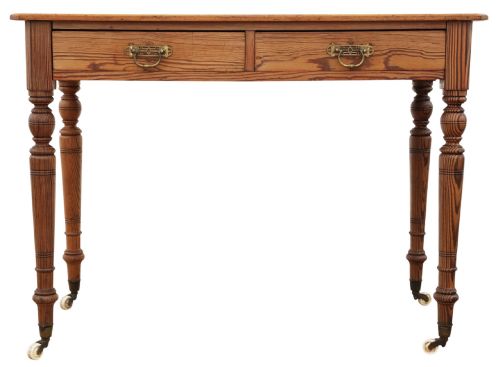
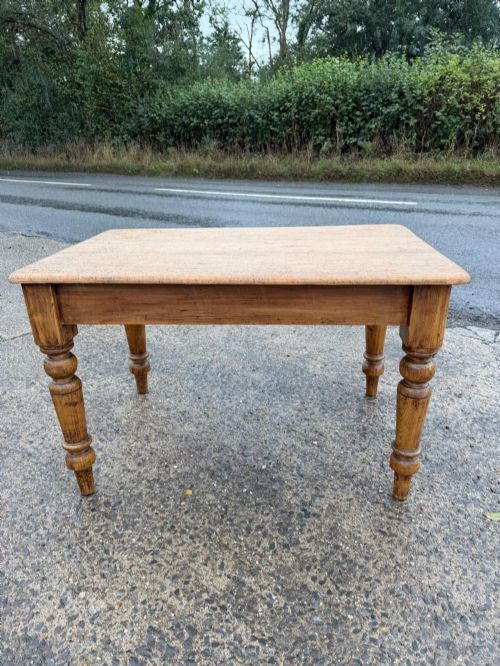
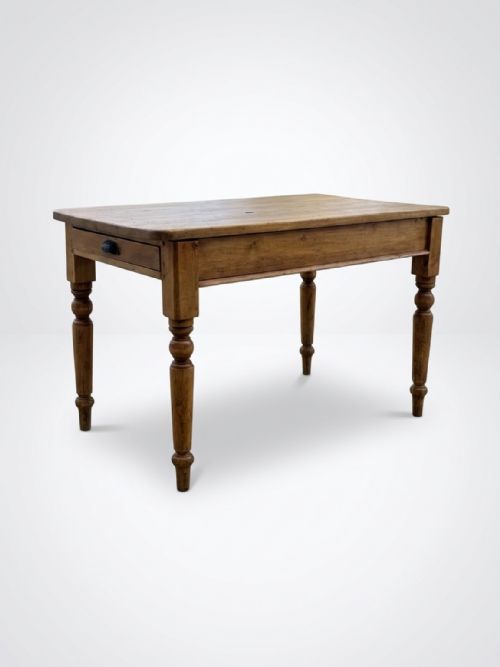
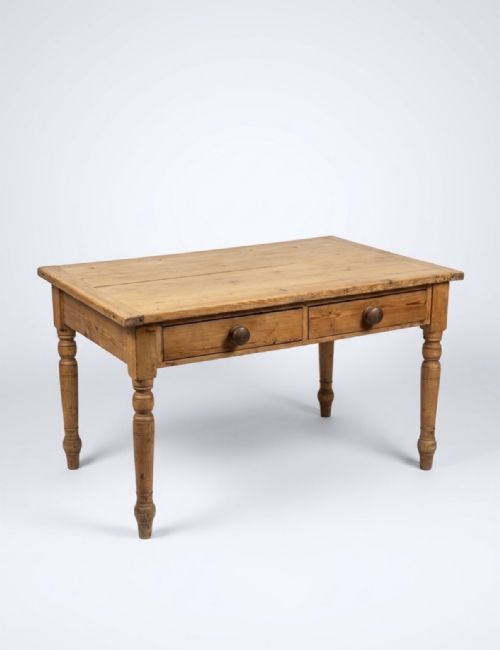
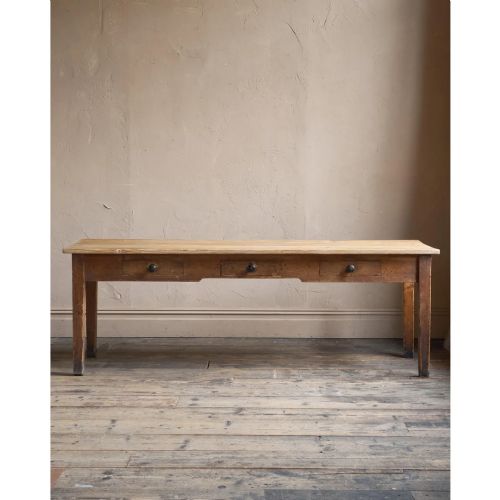
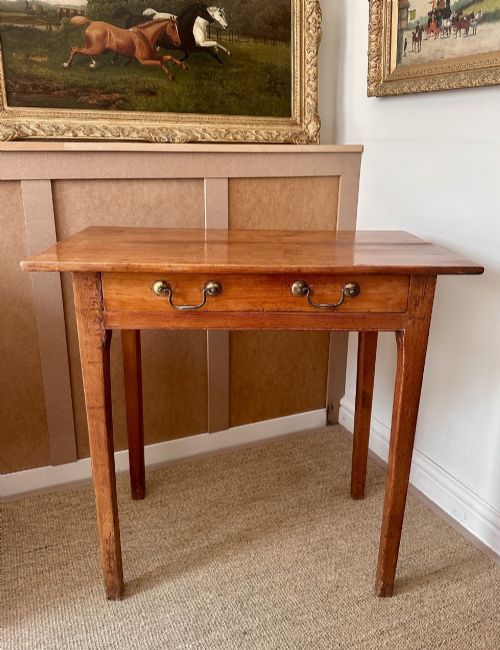
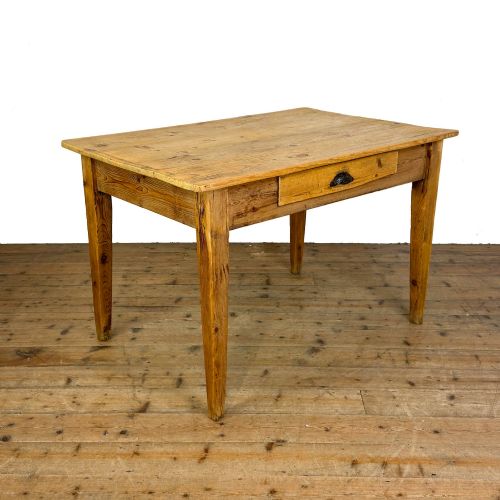
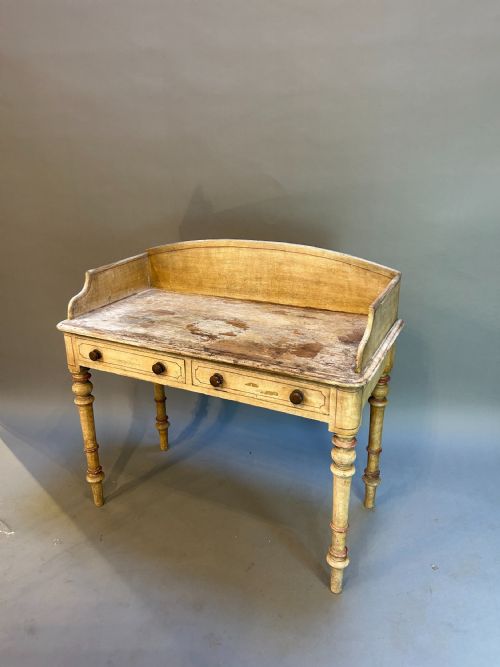
Victorian Pine Side Desk
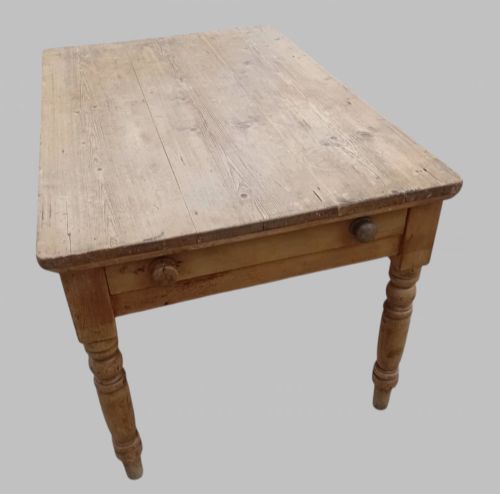
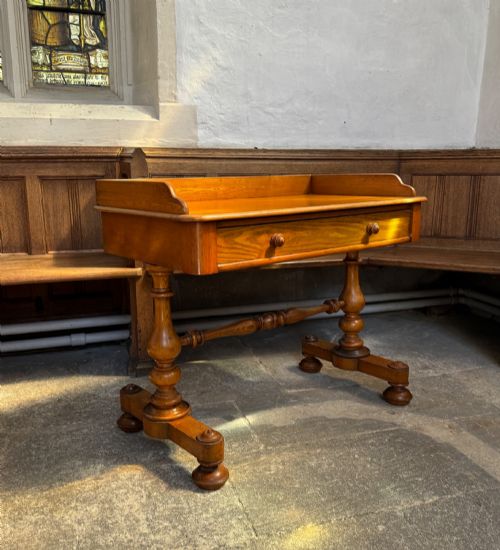
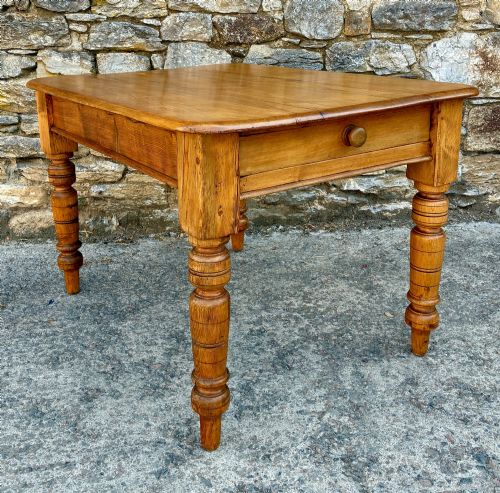
These Victorian pine side desk pieces are utilitarian nineteenth-century tables brought into domestic service for writing and daily tasks.
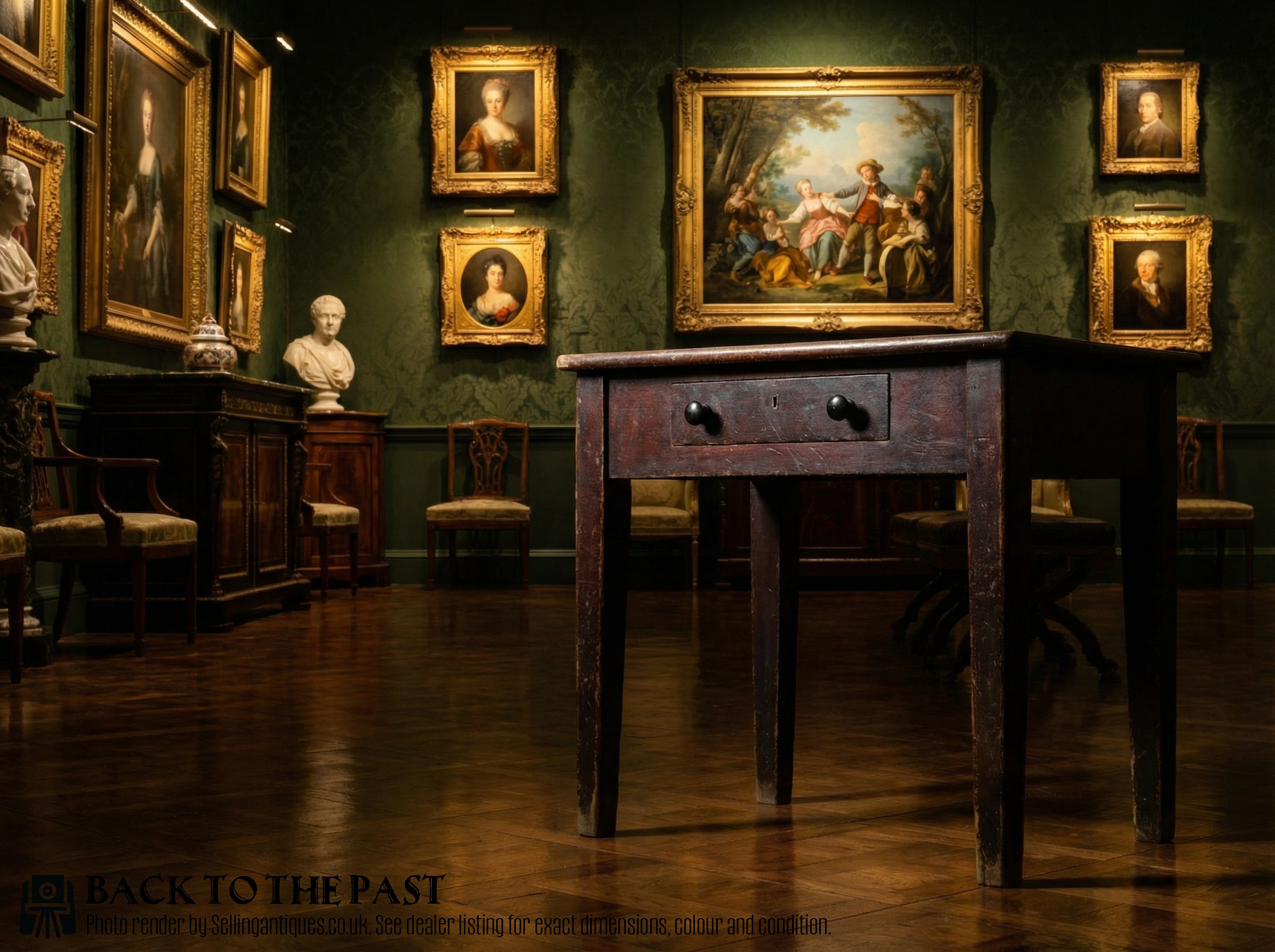
Victorian Pine Side Desk
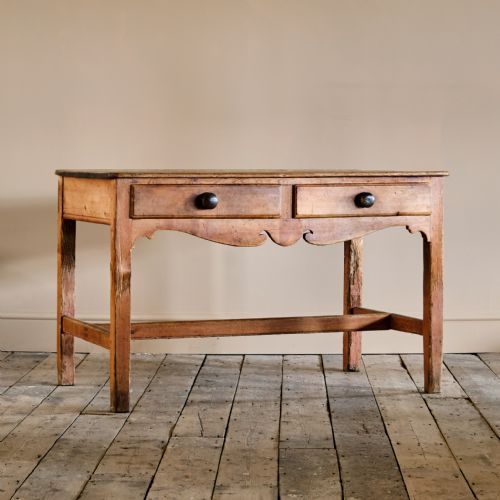
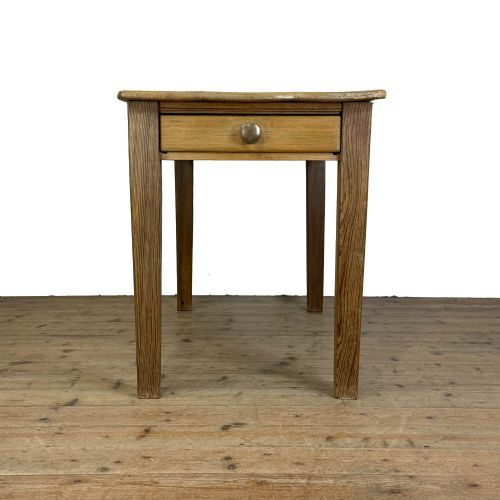
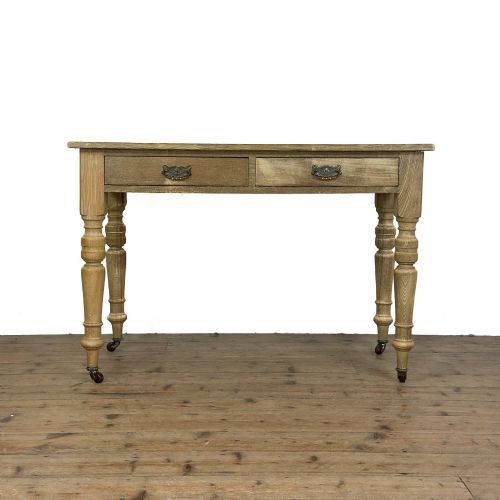
When you search for a victorian pine side desk, you enter a practical category of nineteenth-century utilitarian furniture built for kitchens, sculleries, and modest studies. The pieces on this page span the Victorian period and the wider nineteenth century, frequently incorporating single drawers to the front frieze for storage.
You are most likely to meet standard side tables, servers, and writing tables constructed primarily from pine or denser pitch pine. Many examples double as washstands, dairy tables, or small kitchen tables, showing how adaptable these wooden items were in period homes.
Materials and Construction
The primary material across these listings is timber, specifically standard pine and durable pitch pine, sometimes paired with fruitwood or elm tops. Joinery relies on traditional methods suited to hardworking furniture destined for domestic and commercial spaces.
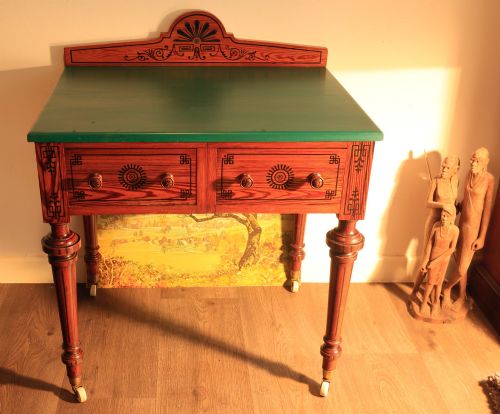
Metal components such as brass, cast iron, and general hardware appear on drawers and structural fittings, while applied paint and coloured finishes survive on several pieces to protect the wood.
The listings here span the nineteenth century, utilising pine, pitch pine, elm, and fruitwood across side tables, writing desks, and washstands.
Judging Quality
Quality in these desks and side tables rests on the selection of timber and the preservation of original surfaces. Dense pitch pine and well-figured standard pine command respect when the grain remains crisp and unblemished.
The presence of original painted legs, untouched drawer friezes, and regional characteristics elevate a simple utilitarian table into a more desirable collector piece.
The Victorian Pine Side Desk Glossary
- Pitch pine
- A dense, resinous softwood sourced mainly from North America and favored by Victorian makers for its durability and strong grain pattern.
- Frieze
- The horizontal band running directly beneath the top surface of the table, frequently housing one or more drawers.
- Washstand
- A domestic table designed to hold a basin and jug for morning ablutions, often sharing dimensions and form with side desks.
- Scullery table
- A heavy-duty utilitarian table utilised in the functional rear rooms of nineteenth-century houses for food preparation and messy chores.
Victorian Pine Side Desk: Frequently Asked Questions
What is a Victorian pine side desk?
A nineteenth-century utilitarian table made from pine or pitch pine, often fitted with a single drawer and utilised for writing or general domestic tasks.
These versatile items served various roles in Victorian homes, functioning equally well as compact desks, hall tables, or side surfaces.
How do I use one today?
These tables adapt readily to modern interiors as compact writing desks, hallway console tables, or occasional surfaces in living spaces.
Their shallow depth and modest proportions allow them to fit into narrow corridors and smaller home offices without dominating the room.
How can I tell pitch pine from standard pine?
Pitch pine displays a noticeably denser grain with prominent, resinous growth rings and a heavier weight compared to ordinary white or yellow pine.
Victorian makers selected pitch pine for items requiring extra resilience, such as washstands and heavy-use writing tables.
Did these tables always have drawers?
Many examples feature a single drawer fitted into the front frieze, though numerous variations exist without storage compartments.
Simple boards and open underframes were equally common for dairy tables, scullery tables, and basic side surfaces.