

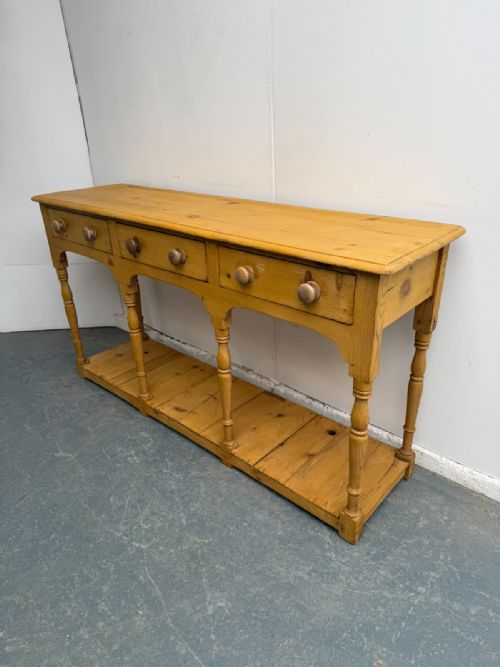
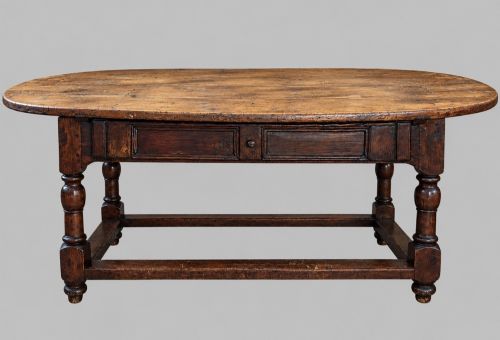
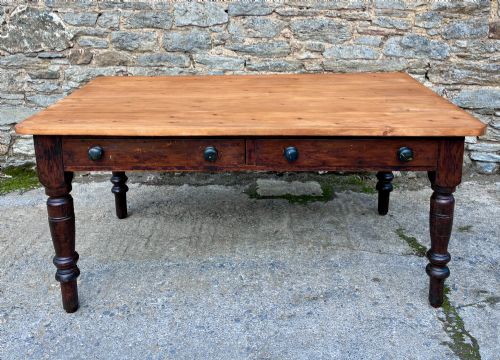
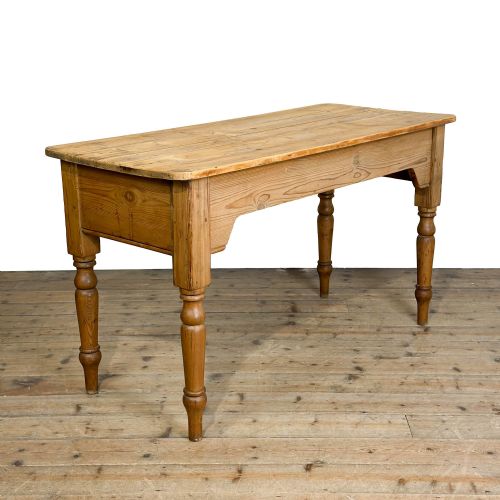
Country Pine Table
When you search for a country pine table, you are looking at honest domestic timber built to serve daily life across centuries.
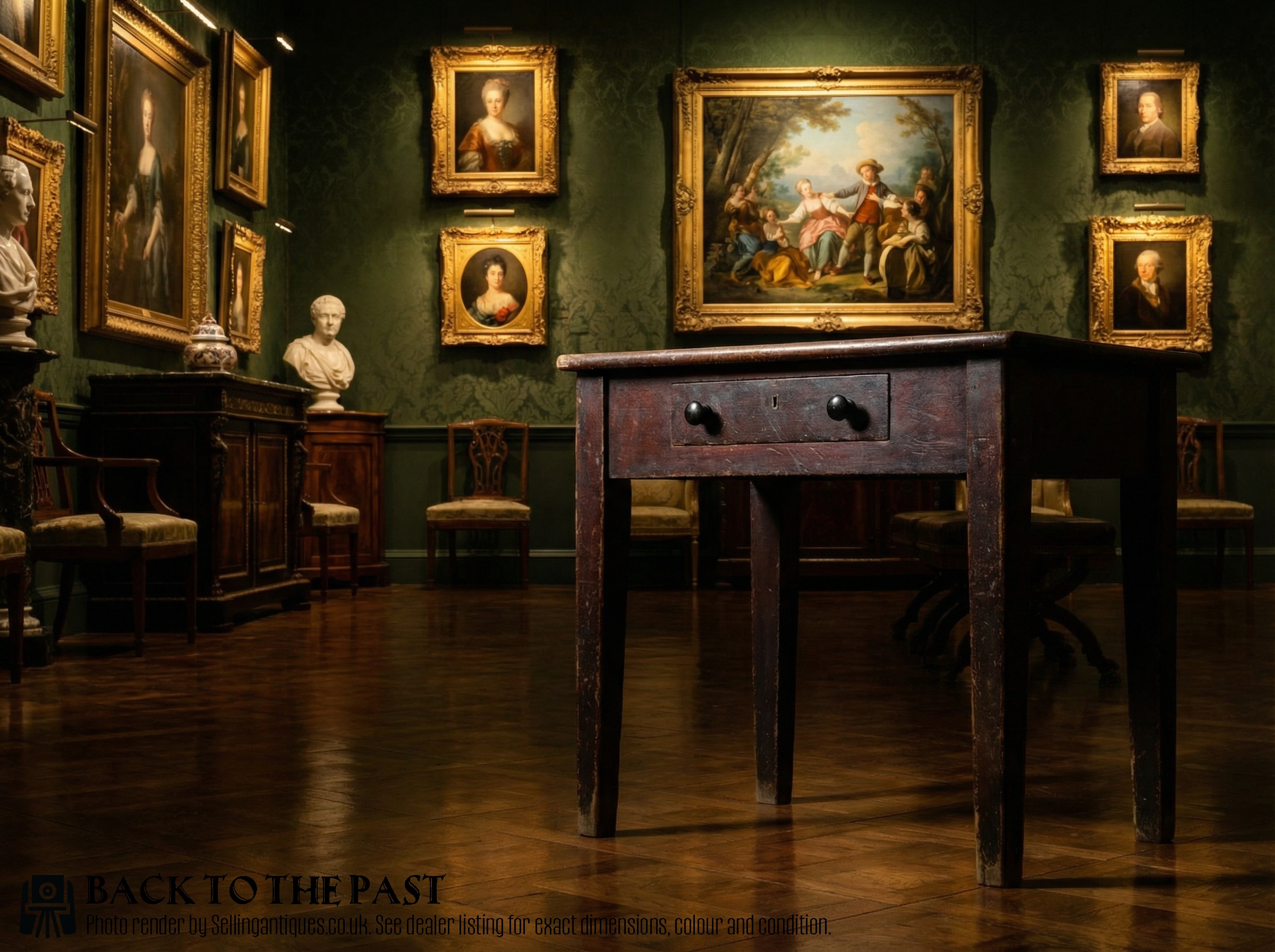
Country Pine Table
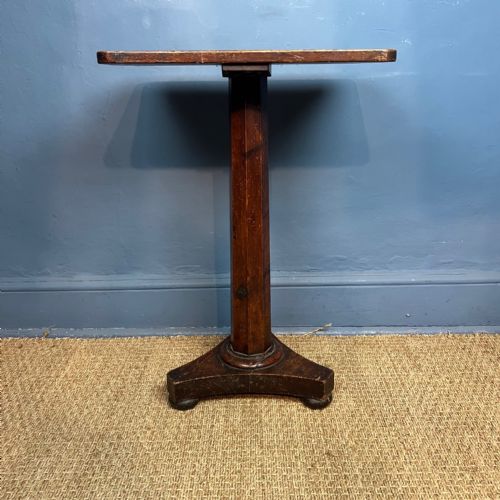
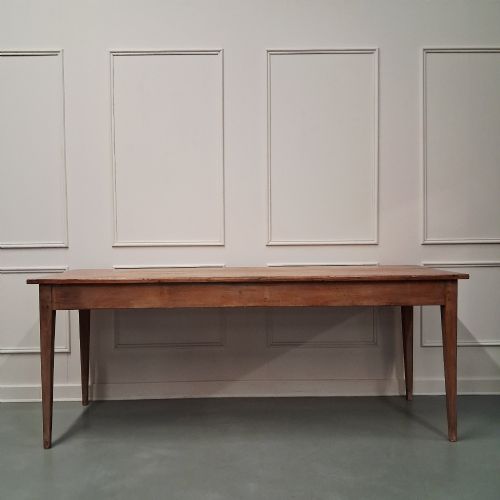
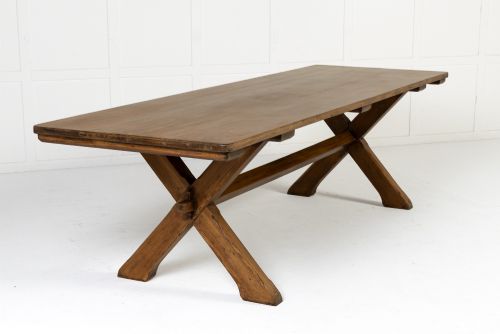
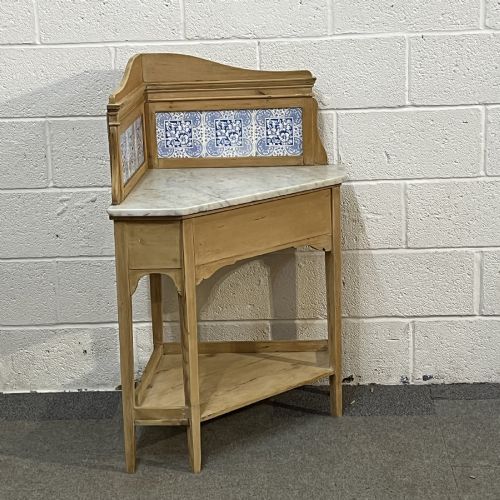
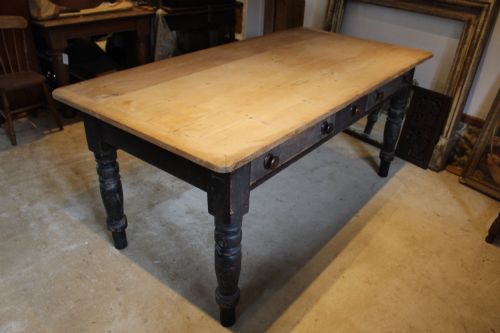
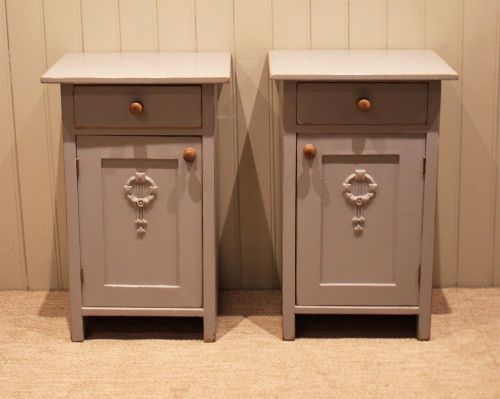
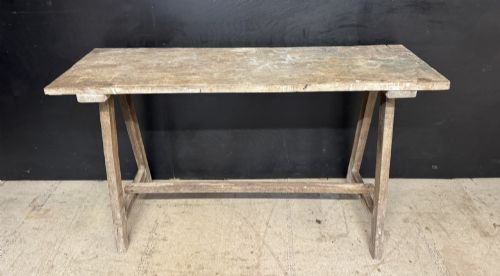
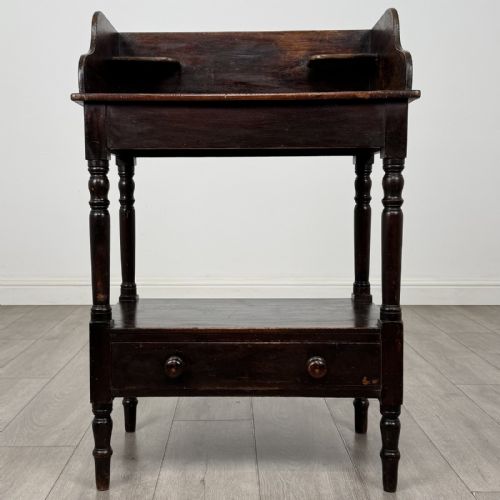
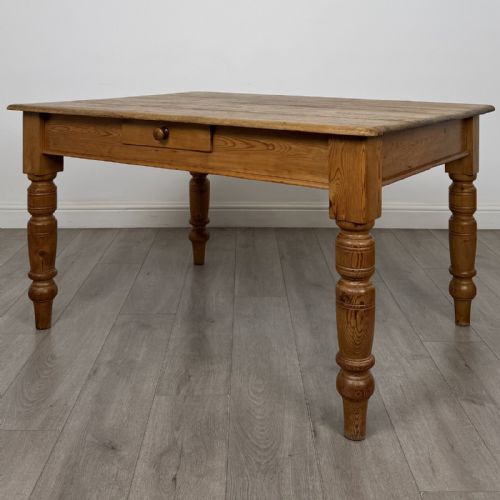
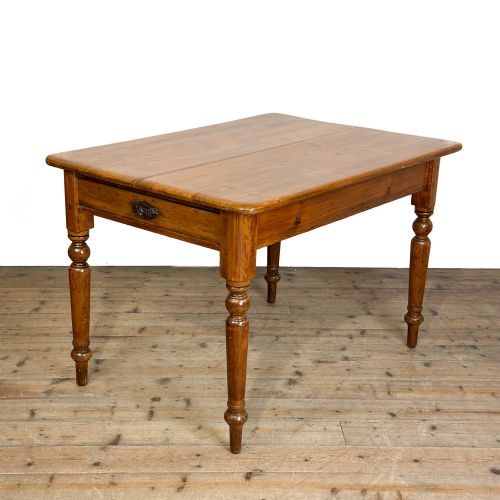
A country pine table serves as a functional centrepiece for the home, originating from vernacular traditions across Britain, France, and Scandinavia. These listings show heavy representation from the nineteenth century and the Victorian era, spanning robust kitchen dining pieces, work benches, and low cricket tables.
The aesthetic embraces rustic charm, marked by natural timber grain, scumble finishes, or original paintwork. Whether built for a dairy, a country house kitchen, or a modest cottage, each form reflects the specific domestic needs of its era.
How They Were Made
Construction relies heavily on solid pine and pitch pine planks, occasionally combined with structural oak, ash, or fruitwood elements for legs and framing. Joinery was straightforward and robust, utilising pegged joints, sturdy turned legs, and plank tops built to withstand heavy daily labour.
Surface treatments range from plain scrubbed timber to layers of original paint, scumble glazes, and protective wax finishes. Iron and brass fixings appear on specific functional variants like dairy tables and drawer handles.
Country Pine Table Retail Price Guide 2026
Typical asking prices for country pine table among the pieces listed under this phrase on Sellingantiques today, from the lower quarter to the upper quarter. They describe what is for sale here now, not the wider market.
Listings feature eighteenth-century Queen Anne examples alongside nineteenth-century Victorian farmhouse tables, incorporating iron, brass, oak, and pitch pine materials.
What Varies In Quality
Quality rests in the integrity of the original construction, the thickness and condition of the plank top, and the survival of untouched surface finishes. Tables retaining their original paint, scumble, or authentic patination command greater interest than those stripped down to bare wood in later decades.
Proportion and structural balance also separate utilitarian workshop pieces from finer country house examples. Original hardware, untouched drawers, and well-turned legs indicate superior craftsmanship within the vernacular tradition.
The Country Pine Table Glossary
- Cricket table
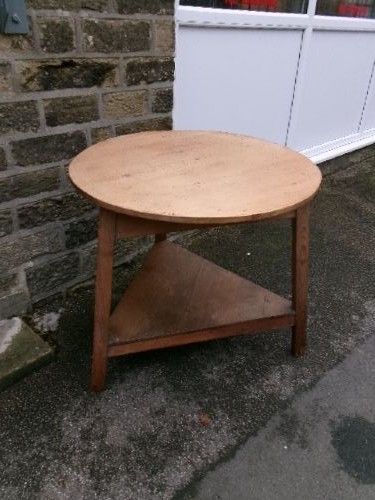
- A small, three-legged occasional table originating from the vernacular tradition, typically featuring a round top and triangular stretchers. These tables were designed for uneven flagstone floors.
- Pitch pine
- A dense, resinous softwood variety prized for its durability and strong grain pattern. It appears frequently in nineteenth-century utilitarian and country house furniture.
- Scumble
- A decorative paint technique involving translucent glazes dragged or brushed over a base coat to imitate finer woods or create textured patterns. Original scumble surfaces are particularly prized by collectors.
- Potboard
- A lower slatted shelf fitted between the legs of a dresser base or serving table, traditionally used for storing pots and pans. This feature is common on vernacular farmhouse furniture.
- Refectory table
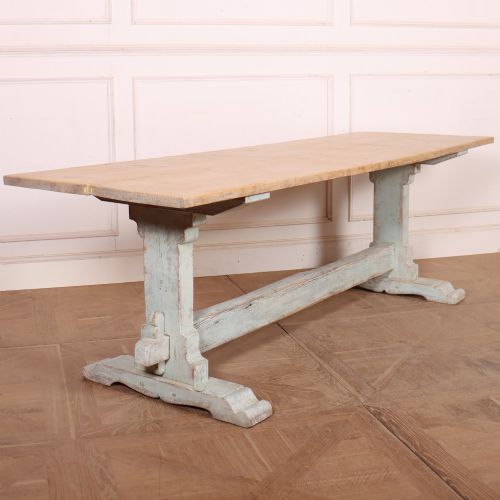
- A long dining table originally built for monastic or large domestic dining halls. In country furniture, this translates to expansive plank-top tables designed to seat many guests.
Country Pine Table: Frequently Asked Questions
How do I clean a pine table?
Maintenance requires little more than a soft cloth and mild soap to preserve the wax or polished surface. Avoid soaking the timber, as excessive moisture damages historic finishes.
Regular waxing helps nourish dry pine and maintains the natural lustre built up over generations of use.
Can I use these tables daily?
These pieces were originally built for hard domestic service in kitchens and dairies, making them exceptionally durable for modern dining. Their sturdy construction handles everyday family life with ease.
Using mats and coasters protects historic timber and original painted surfaces from heat and moisture marks.
What is a dairy table?
Dairy tables were specialised work surfaces often fitted with brass banding or enamel sections for hygiene in butter and cheese production. They bring a distinct industrial utility to domestic spaces.
Their robust construction and unusual materials make them striking kitchen islands or prep surfaces today.
How do I date a pine table?
Dating relies on examining construction methods, tool marks, timber selection, and hardware types. Hand-sawn boards and pegged joinery generally indicate earlier nineteenth-century or Georgian origins.
Original paint finishes and surface patination also offer strong chronological clues regarding when the piece was made.