

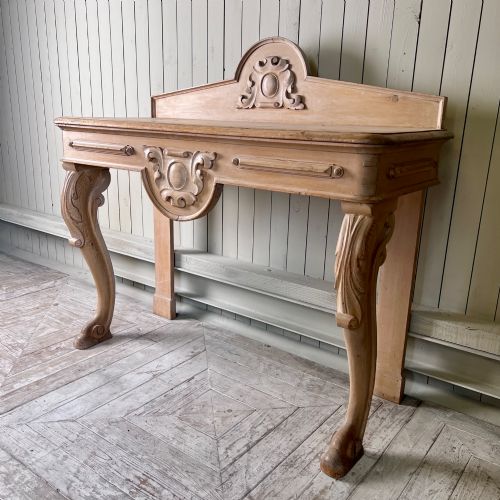
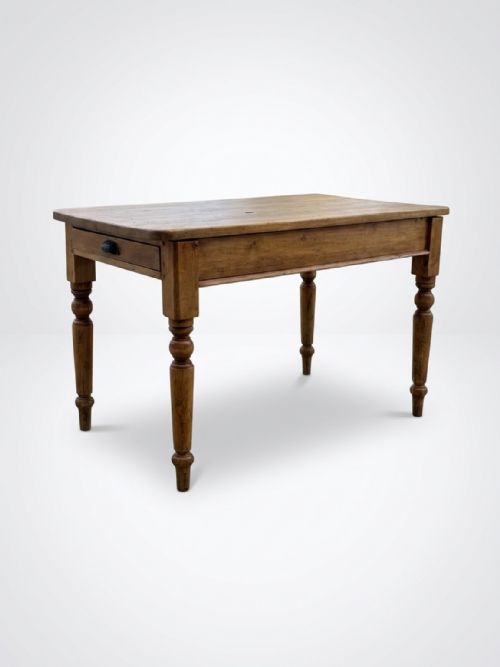
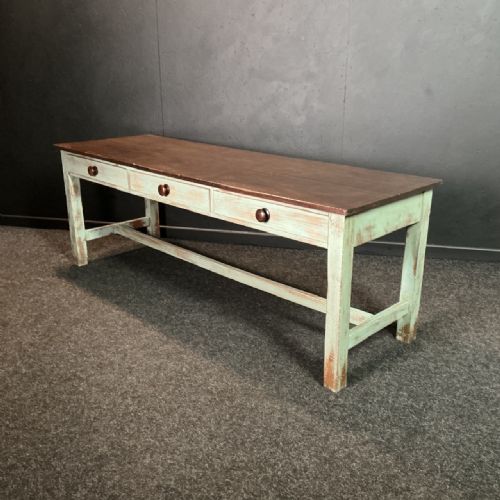
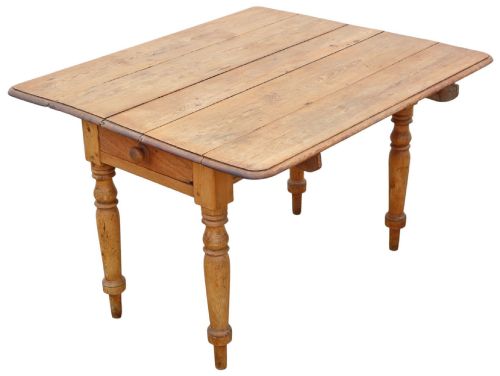
Victorian Pine Side Table
These Victorian pine side tables are sturdy utilitarian surfaces built during the nineteenth century, prized today for their honest domestic charm.
Victorian Pine Side Table
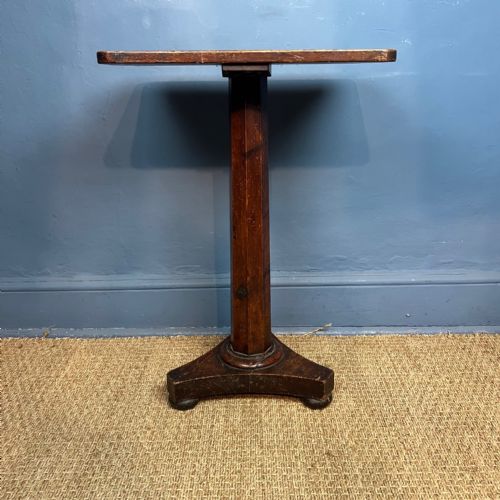
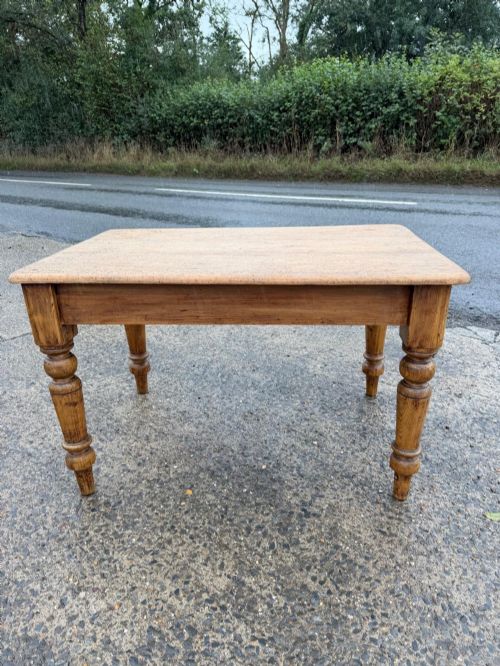
When looking for a victorian pine side table, buyers encounter a utilitarian form produced across the nineteenth century, including specific dates such as 1850 and 1880. These pieces function as small kitchen tables, washstands, writing desks, and serving consoles in pine, pitch pine, and Oregon pine.
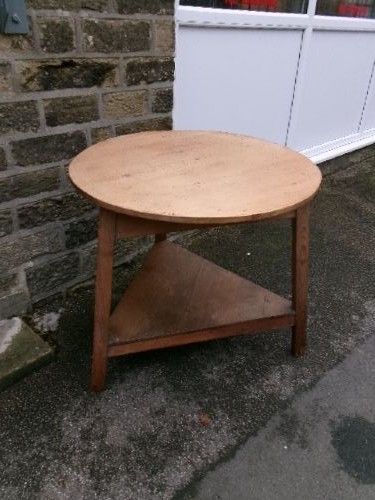
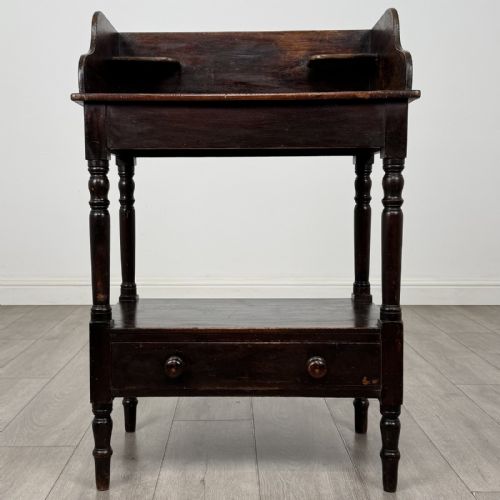
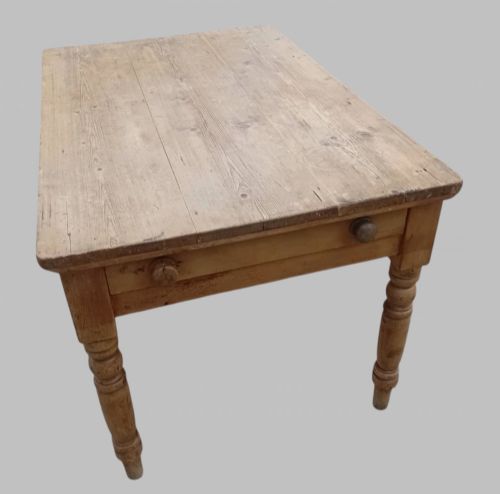
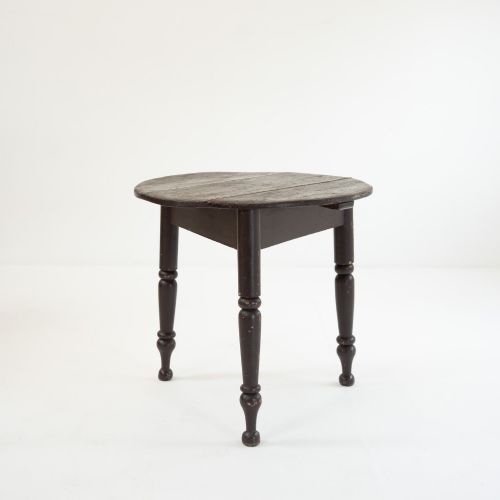
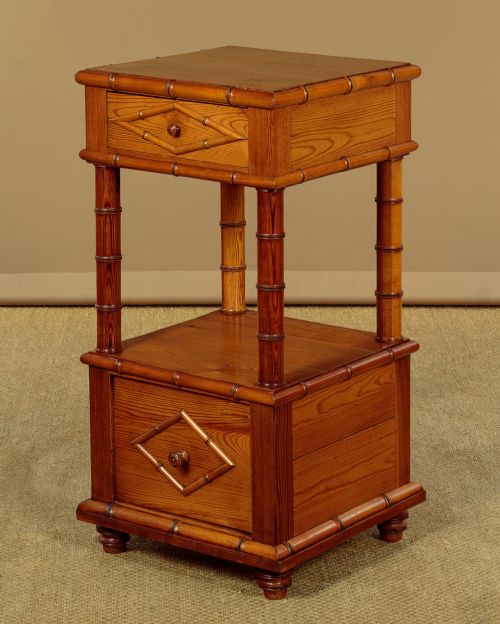
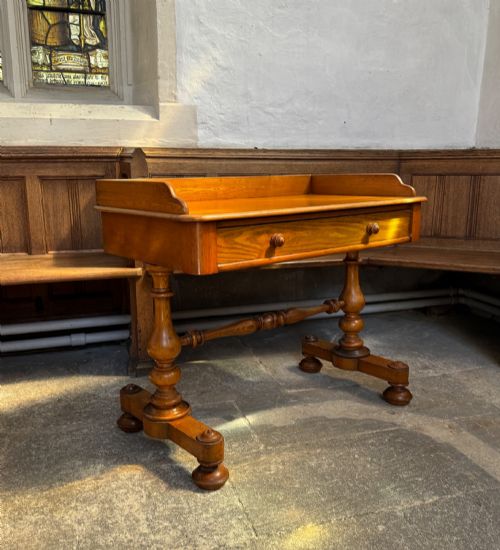
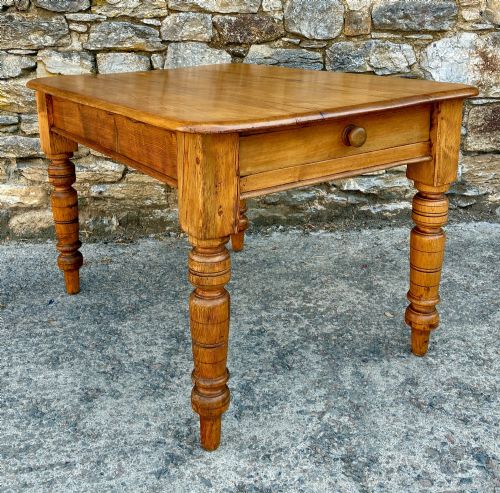
The evidence shows various configurations, from simple single-drawer designs and folding drop-leaf tables to galleried writing surfaces and cricket tables on three turned legs. Painted finishes, original paint, and bleached tops appear alongside stripped wood.
Rustic country and farmhouse styles dominate the listings, reflecting everyday domestic use rather than formal parlour display. Side tables merge with dining tables, lamp tables, and hall consoles in the broader record.
Materials and construction
Joiners built these tables primarily using pine, along with pitch pine and Oregon pine, supported by metal fittings where necessary. Turned legs, shelves, and drawers with brass handles form the structural components of the surviving pieces.
Surfaces received various treatments, including plain wood, bleached tops, original paint, and painted finishes. Some examples incorporate galleries, flaps, and two-drawer arrangements requiring precise carpentry to ensure daily durability.
Victorian Pine Side Table Retail Price Guide 2026
Typical asking prices for victorian pine side table among the pieces listed under this phrase on Sellingantiques today, from the lower quarter to the upper quarter. They describe what is for sale here now, not the wider market.
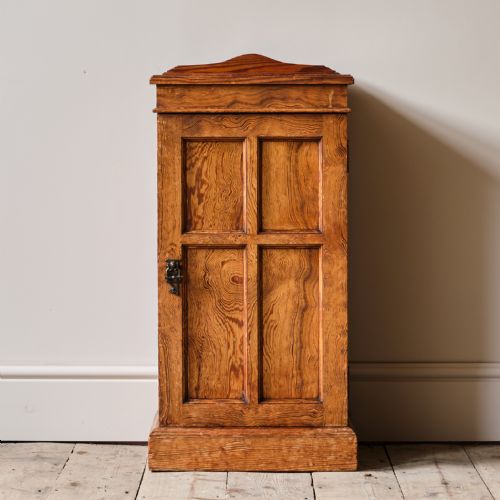
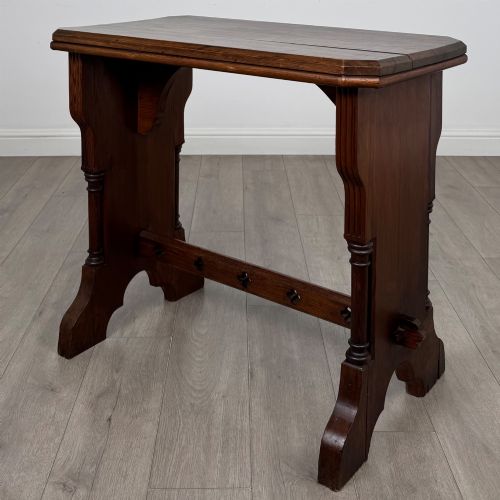
A church side table slips quietly from Sunday hymns into the mundane duty of holding Monday morning post.
Gradations in quality
Quality rests in the survival of original painted surfaces versus stripped wood, with untouched historical paint adding considerable character. The presence of functional additions like drawers, galleries, and drop leaves elevates a piece beyond a basic plank table.
Construction details such as turned legs, sturdy joints, and secondary timbers like pitch pine distinguish robust workshop output from simpler vernacular items. Maker attribution, where recorded, separates standard utility furniture from named cabinet maker production.
Heal & Sons·Howard and Sons·J. Shoolbred
The Victorian Pine Side Table Glossary
- Pine
- A softwood commonly used for nineteenth-century domestic furniture because it was cheap, abundant, and easy to work. It takes paint well and develops a rich patina through handling.
- Pitch pine
- A harder, heavier pine variety featuring prominent resin canals and a distinct striped grain. It provides greater durability for heavy-use furniture.
- Gallery
- A low raised wooden border running along the back or sides of a table top to prevent items from rolling off. It frequently appears on writing and washstand tables.
- Cricket table
- A small, light three-legged table designed for uneven cottage flagstone floors. The tripod base ensures the table remains stable without rocking.
- Drop leaf
- A hinged table flap that folds down to save space when not in use. Supported by swing legs or brackets, it extends the surface area on demand.
Victorian Pine Side Table: Frequently Asked Questions
What rooms suit a Victorian pine side table?
These versatile tables fit easily into hallways, kitchens, and living spaces as compact utility surfaces. Their modest scale allows them to function as lamp stands, writing desks, or small serving tables.
The unpretentious character of nineteenth-century pine complements both traditional interiors and modern minimalist spaces. They provide practical surface area without dominating a room.
How were these tables originally used?
Households utilised these pieces for everyday domestic chores, food preparation, washing, and writing. Kitchens, bedrooms, and halls all required sturdy, functional tables that could withstand heavy daily wear.
Drawers and shelves accommodated small household items, sewing gear, or writing materials. Their robust construction reflected a purely utilitarian purpose before collectors valued them for decorative display.
Did Victorian pine tables always have paint?
Makers finished these tables according to their intended environment, applying paint, protective coatings, or leaving the softwood bare. Painted finishes protected the pine and added colour to simple domestic interiors.
Many surviving pieces retain their original paint, while others were stripped down to the raw timber during later decades. Both painted and unpainted surfaces represent authentic historical states.