


Antique Pine Prep Table
An antique pine prep table brings robust utility and honest charm to modern kitchens and workrooms.
Antique Pine Prep Table
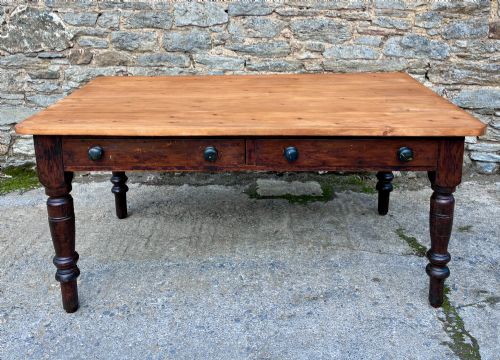
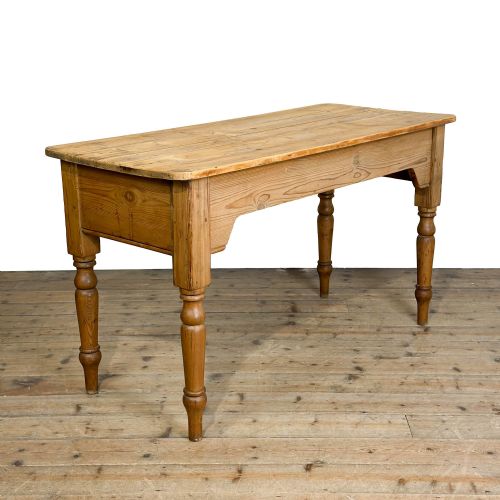
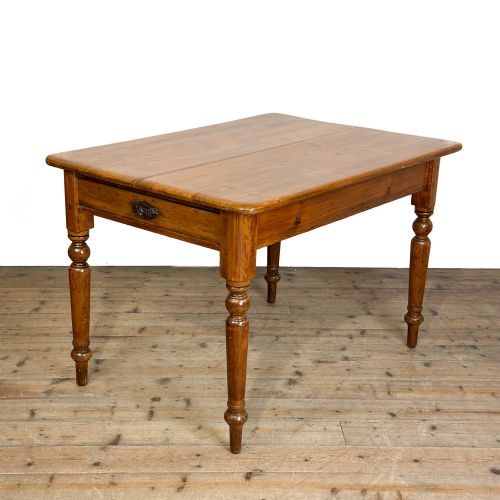
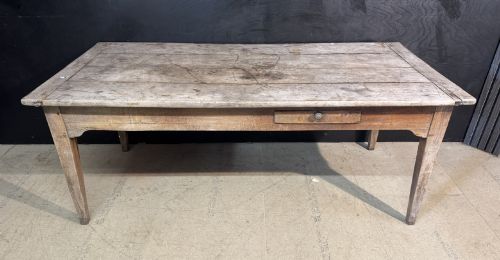
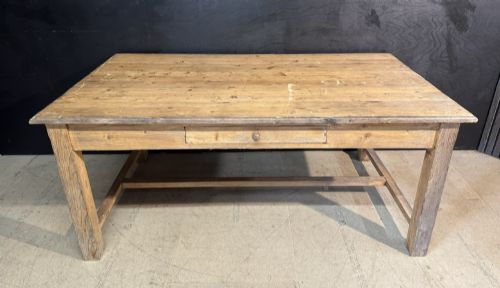
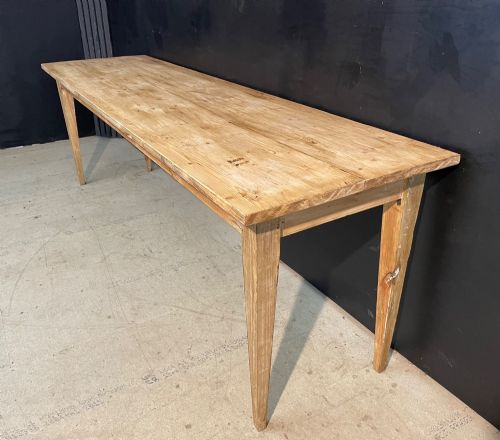
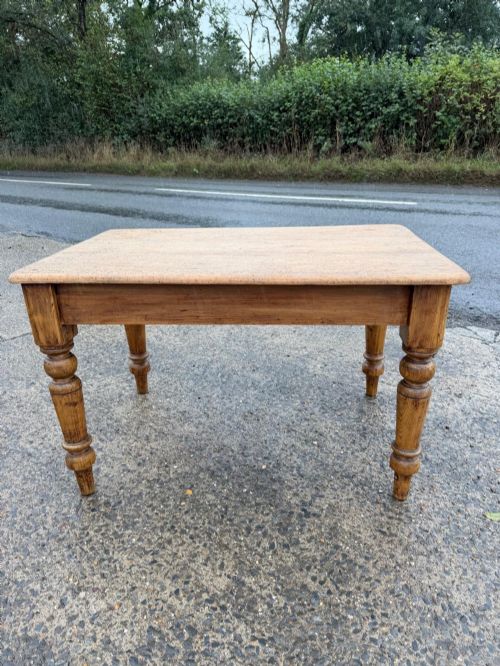
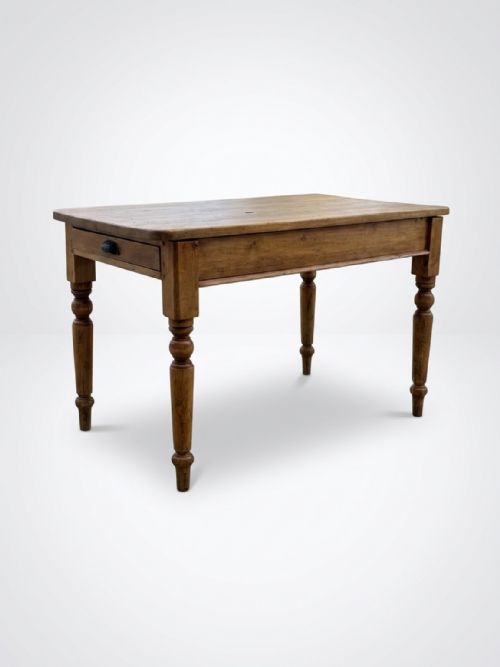
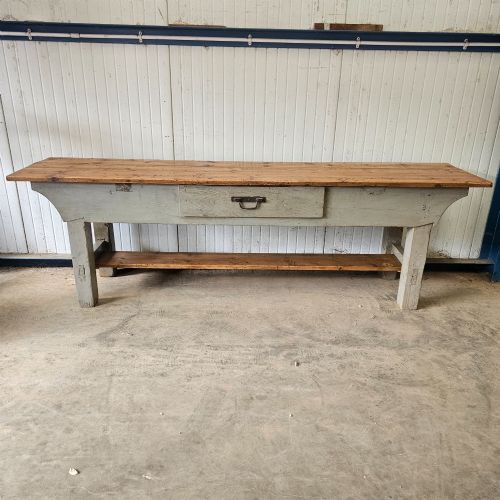
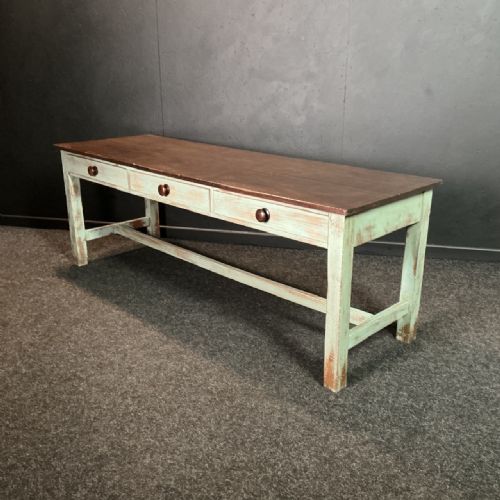
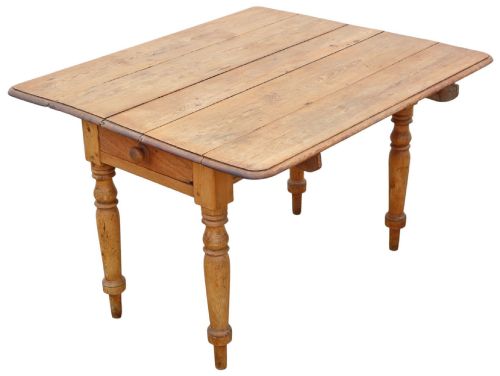
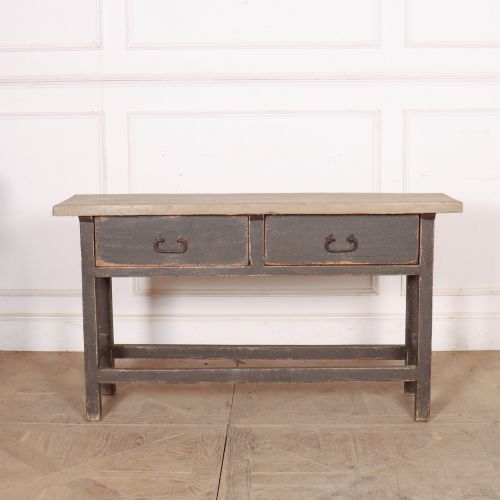
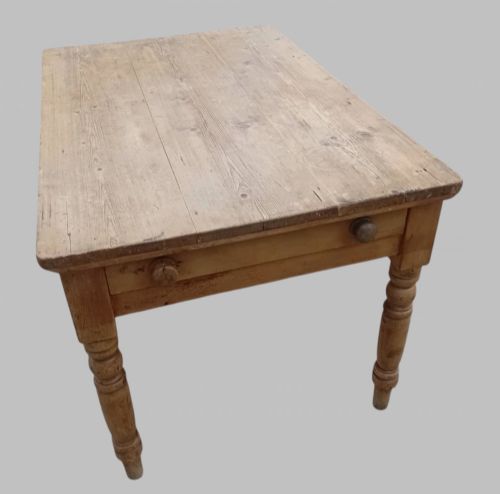
When you search for an antique pine prep table, you encounter hard-working utility furniture built for heavy daily use in kitchens, dairies, sculleries and workshops. The pieces span the nineteenth century and the early twentieth century, carrying designations such as farmhouse, harvest, scullery, dairy and bakers tables. Most items on this page lean towards generous proportions, often featuring single or double drawers fitted to the front frieze for storage of utensils and tools.
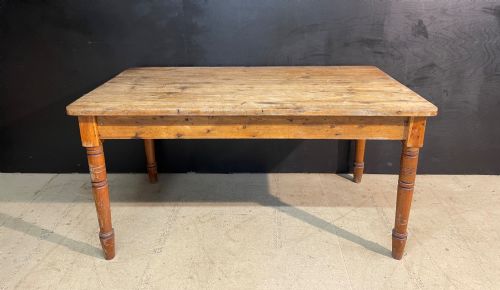
You will notice substantial timber surfaces designed for food preparation, kneading dough or sorting produce. Many examples combine softwoods with harder timbers, pairing pine tops with fruitwood, sycamore or oak elements, while others show traces of original or later paint on their bases. Origins range across English country houses and farmsteads to French, Italian and Scottish provincial workshops.
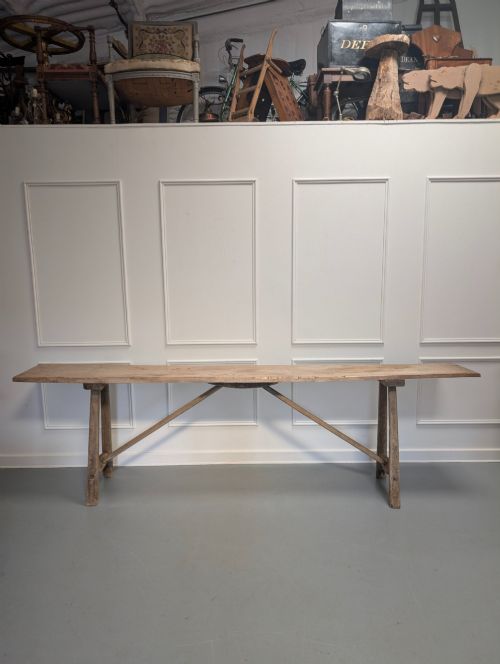
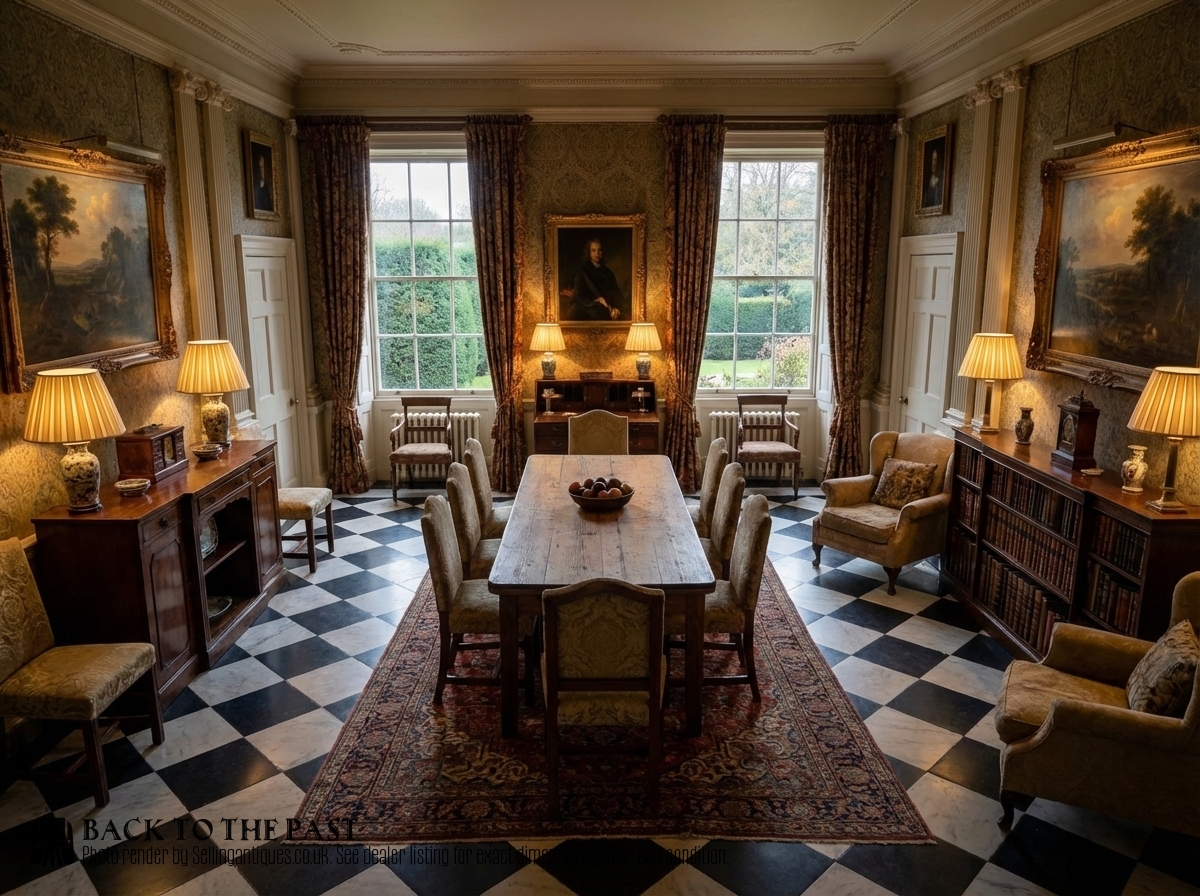
The utility of these tables adapts easily to contemporary domestic life as kitchen islands, side consoles or dining surfaces. Their forms vary from drop-leaf folding versions and narrow serving tables to long harvest tables and sturdy work benches. Each piece reflects the specific domestic or commercial task it originally served, carrying the marks of hard labour on its timber top.

Construction materials and techniques
Makers built these tables primarily from solid pine, often selecting pitch pine or white pine for its resilience and straight grain. Hardwoods like oak, sycamore and fruitwood frequently appear for scrub tops or structural components where extra resistance to wear was essential.
Joinery focused entirely on strength and stability rather than decorative flourish, utilising sturdy mortise and tenon frames. Iron, brass and metal hardware appeared on drawers and drop-leaf mechanisms, while surfaces were either scrubbed clean or finished with layers of paint.
Antique Pine Prep Table Retail Price Guide 2026
Typical asking prices for pine prep table among the pieces listed under this phrase on Sellingantiques today, from the lower quarter to the upper quarter. They describe what is for sale here now, not the wider market.
Tables retain flour dust ground into deep pine grain and ink stains from dairy records kept a century ago.
Assessing quality in utility tables
Quality rests upon the integrity of the timber and the honesty of the wear. Superior examples display thick, well-seasoned top boards that have survived decades of scrubbing without excessive cupping or structural failure. Original paint surfaces, where present, hold greater desirability than stripped or modernly repainted alternatives.
Proportion and structural soundness distinguish better pieces from ordinary workshop furniture. Tighter joinery, original drawer construction with retained wooden pulls or brass handles, and unaltered heights elevate a piece above standard utilitarian items.
The Antique Pine Prep Table Glossary
- Scrub top
- A bare wooden tabletop designed to be repeatedly scrubbed with water and sand or soap to maintain hygiene. This process leaves the grain raised and light in colour.
- Frieze
- The horizontal band or rail directly beneath the tabletop, frequently housing one or more storage drawers. In these tables, the frieze often shows robust peg joinery.
- Drop leaf
- A hinged flap of wood attached to the main tabletop that can be raised and supported by swinging brackets to increase surface area. It allows the table to save space when folded down.
- Pitch pine
- A resinous North American and European pine species known for its durability, hardness and pronounced grain pattern. Cabinetmakers favoured it for heavy-use furniture.
- Dairy table
- A specialised work table used in cheese making and butter preparation, typically featuring unsealed softwood surfaces to absorb moisture and resist slipping.
Antique Pine Prep Table: Frequently Asked Questions
What is a prep table used for?
These tables served practical domestic and commercial functions such as food preparation, baking, scullery work and dairy processing.
Today, buyers repurpose them as kitchen islands, robust dining surfaces or console tables in hallways and living spaces.
How do I clean a scrub top?
Scrub tops require gentle washing with warm water and mild soap, using a stiff brush along the grain to remove dirt without damaging the softened timber.
Avoid harsh chemical cleaners and excessive water, allowing the wood to dry naturally after washing.
Are these tables suitable for modern kitchens?
Their sturdy construction and practical proportions make them highly functional additions to contemporary kitchen spaces for daily food preparation.
Many buyers value the generous surface area and integrated drawers for additional kitchen storage.
How can I tell the age of a pine table?
Age is determined by construction details such as hand-cut joints, timber characteristics, tool marks and the natural patina accumulated over generations of use.
Victorian and earlier pieces often display irregular board widths and forged iron fixings distinct from later mass-produced items.