
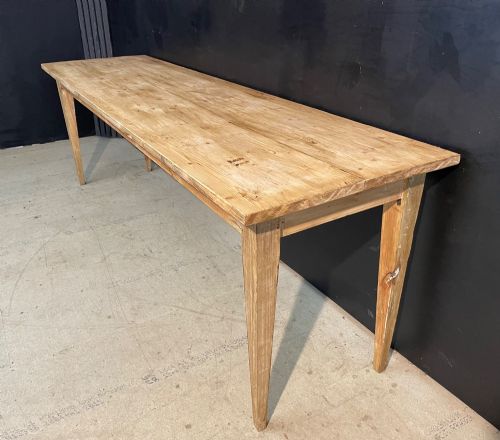
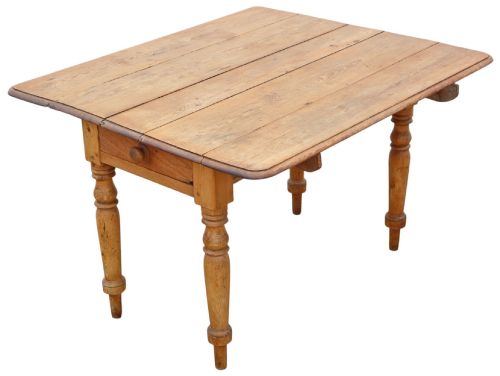
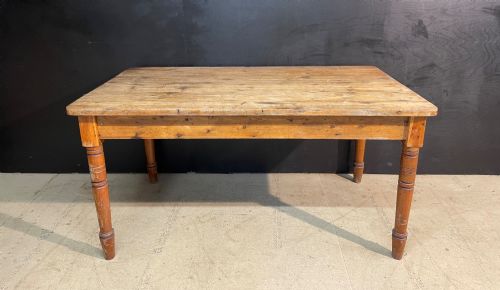
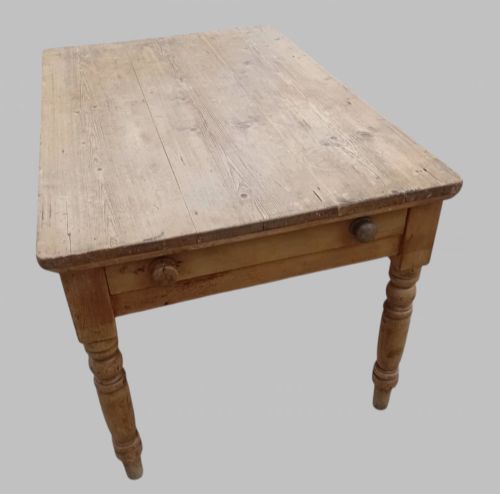
Natural Pine Kitchen Table
A natural pine kitchen table brings warmth to a room, offering practical surface space rooted in hardworking domestic history.
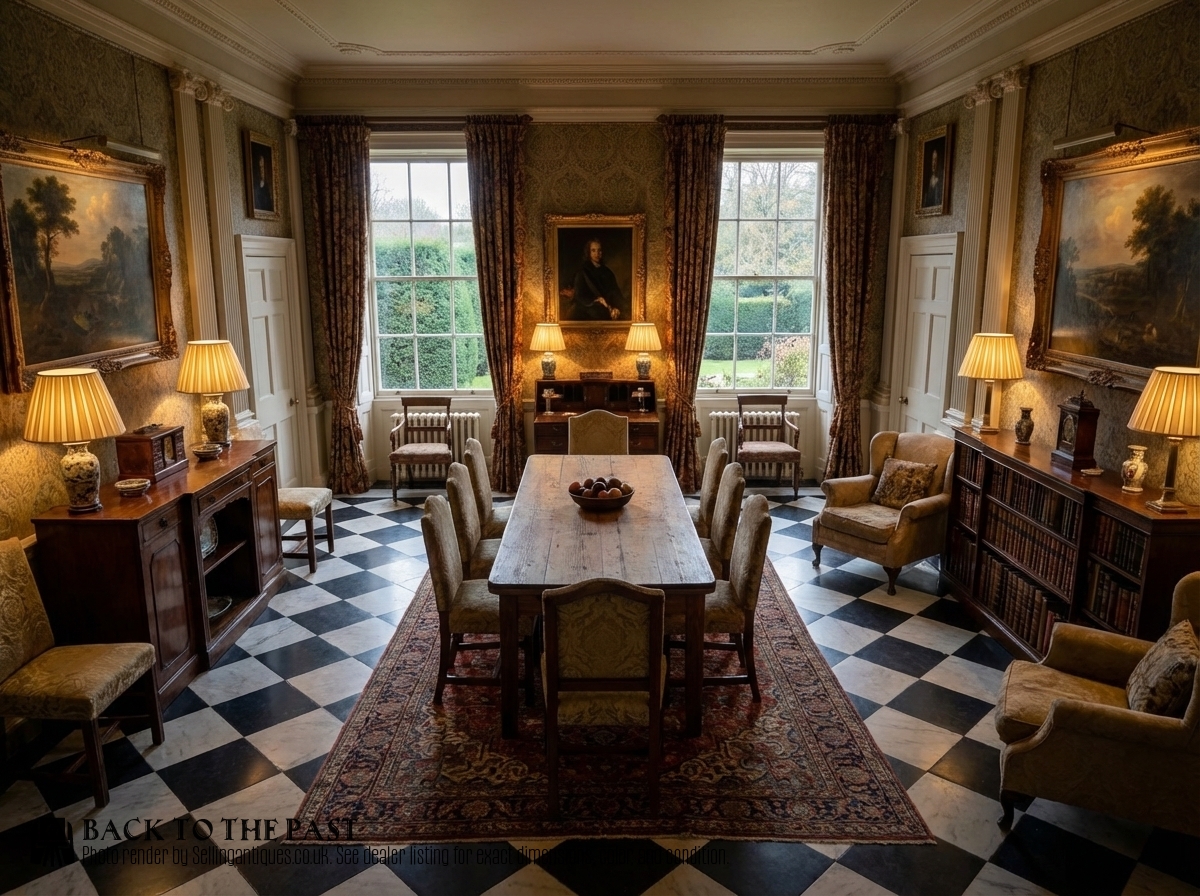
Natural pine kitchen tables
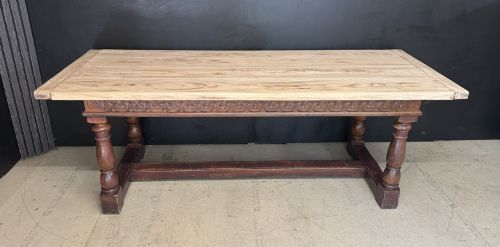
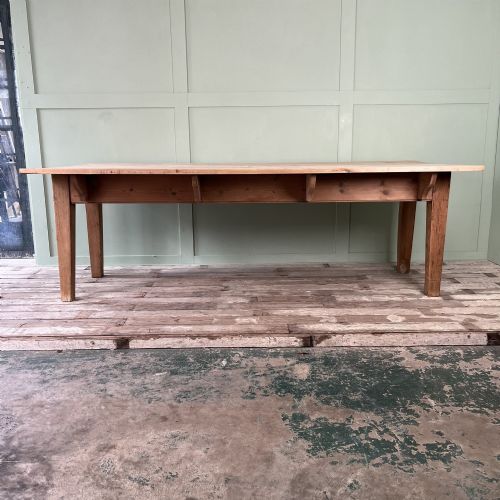
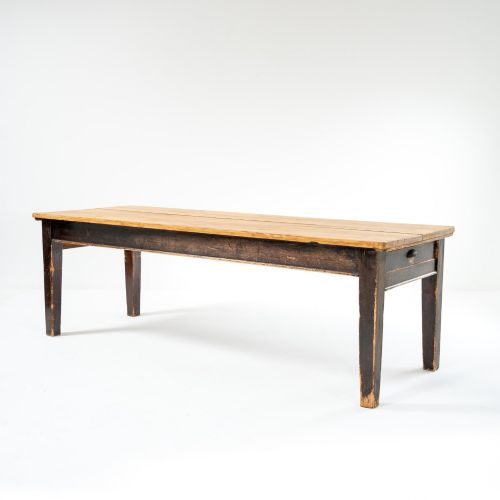
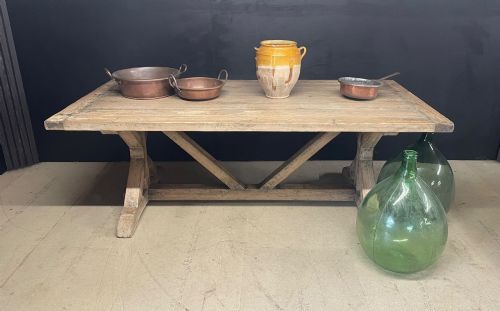
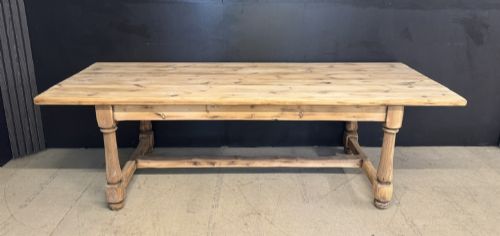
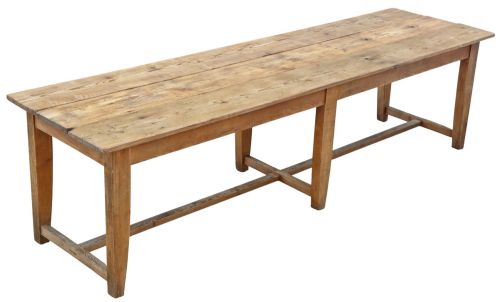
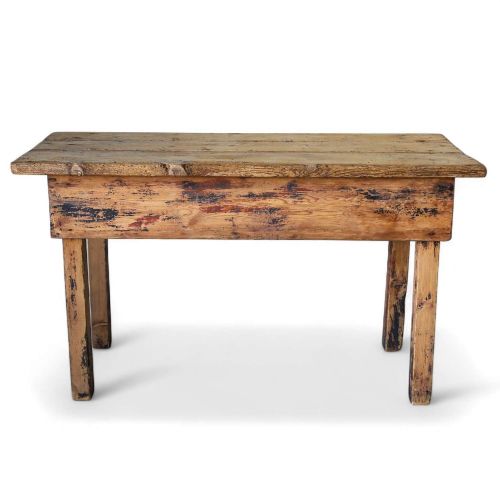
A natural pine kitchen table stands as a utilitarian centrepiece, designed for daily domestic labour and family meals alike. These pieces typically emerge from the Victorian period, the late nineteenth century, or around nineteen-twenty.
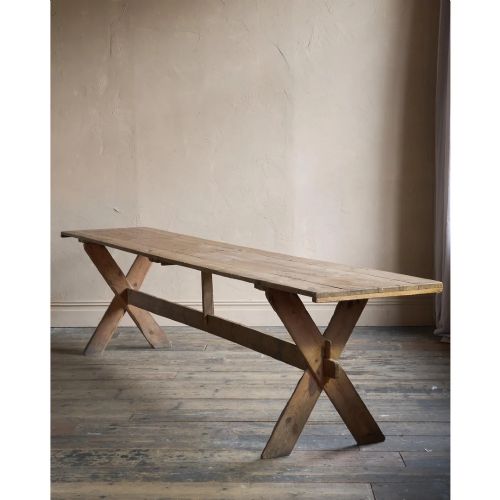
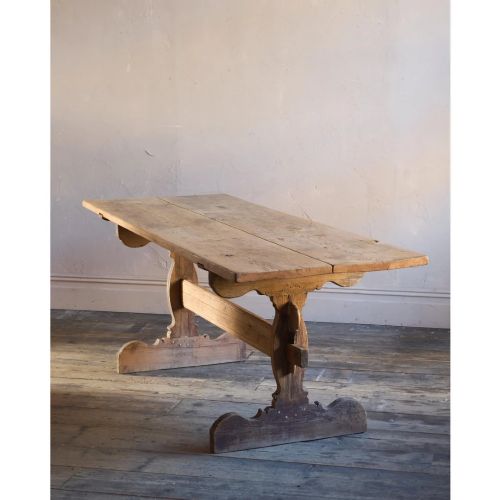
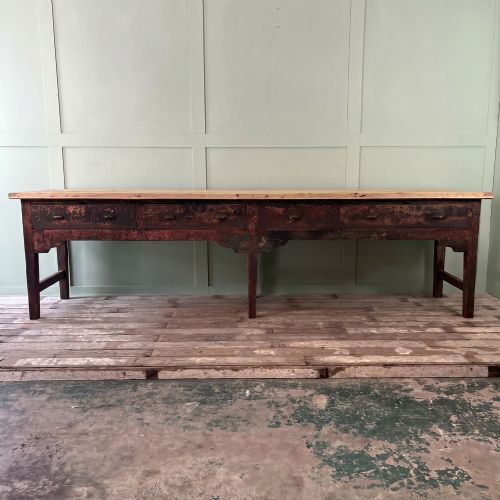
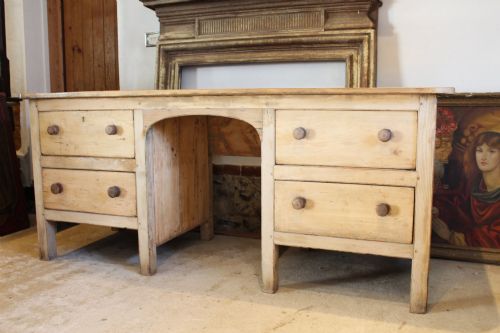
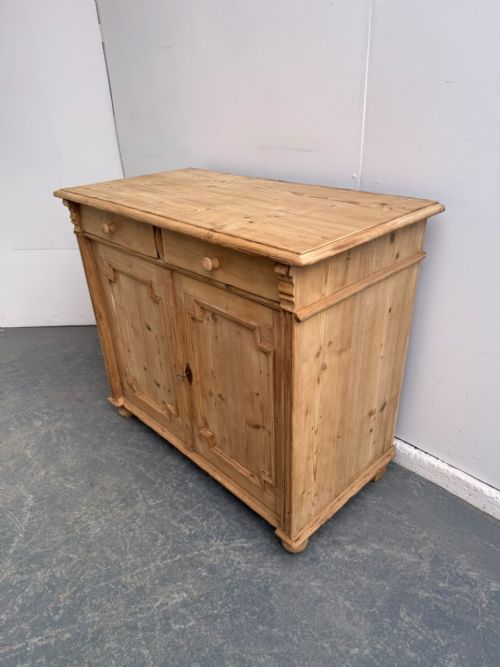
The inventory on this page ranges from large farmhouse tables to folding drop leaf variants equipped with drawers. Buyers frequently encounter rustic farmhouse and rustic country styles, alongside scrub top examples featuring fruitwood components.
Forms span from straightforward dining tables to low pantry surfaces and unusual configurations. Each piece reflects the functional demands of historic kitchens and rural homes.
Construction and materials
Joinery relies on solid wood construction, utilising pine throughout alongside occasional fruitwood additions for specific elements like scrub tops. Brass hardware appears on drawers, offering durable fastening and functional utility.
Makers shaped these tables from timber using traditional woodworking methods suited to robust daily use. Surfaces often show the scrubbed finish typical of hardworking kitchen furniture.
Retail Price Guide 2026
Typical UK retail prices for natural pine kitchen table, calculated from the Sellingantiques database of over a million retail prices indexed since 2003. This retail price guide relies exclusively on Sellingantiques data; no external sources or auction records are used, so the figures do not describe the wider market.
Scrub top tables carry the literal elbow grease of past cooks who scoured the timber clean every single week.
Judging quality
The presence of secondary timbers like fruitwood or uncommon configurations elevates a piece beyond a basic utility table. Evidence of original brass hardware and well-executed drop leaf mechanisms further distinguishes better examples.
The Natural Pine Kitchen Table Glossary
- Scrub top
- A wooden table top designed to be vigorously cleaned with water and a brush, leaving a pale, weathered grain. This finish results from decades of practical kitchen maintenance.
- Drop leaf
- A hinged table leaf that folds down to save space when not in use. Supported by swing legs or brackets, it provides flexibility in room layout.
- Farmhouse table
- A large, sturdy wooden table built for communal dining and food preparation in rural homes. These pieces typically feature simple lines and robust timber construction.
- Pine
- A softwood derived from coniferous trees, widely utilised for historic domestic furniture due to its availability and workability. It takes on a warm patina through years of use.
- Fruitwood
- Dense hardwood obtained from fruit-bearing trees such as pear or apple, employed by makers for contrasting details or hard-wearing surfaces.
Frequently Asked Questions
How do I date a Victorian pine table?
Dating a Victorian pine table involves examining construction methods, timber characteristics, and hardware like brass pulls.
Pieces from this era often display hand-cut joinery and signs of genuine domestic wear that distinguish them from modern reproductions.
Are these tables suitable for daily dining?
These tables were originally built for heavy domestic use, making them robust choices for contemporary kitchens and dining rooms.
Solid wood construction ensures stability, while generous proportions accommodate modern seating arrangements comfortably.
What is a drop leaf kitchen table?
A drop leaf table incorporates hinged flaps on the sides that raise to expand the surface area when needed.
This clever mechanism allowed historic households to maximise floor space in smaller kitchens or sculleries.
Did pine tables have drawers?
Many nineteenth-century kitchen and farmhouse tables incorporate one or more drawers beneath the top.
These compartments provided convenient storage for cutlery, linens, and small utensils close to the main workspace.