





Rustic Pine Kitchen Table
A rustic pine kitchen table brings enduring utility and simple country character to the heart of the home.
Rustic Pine Kitchen Table
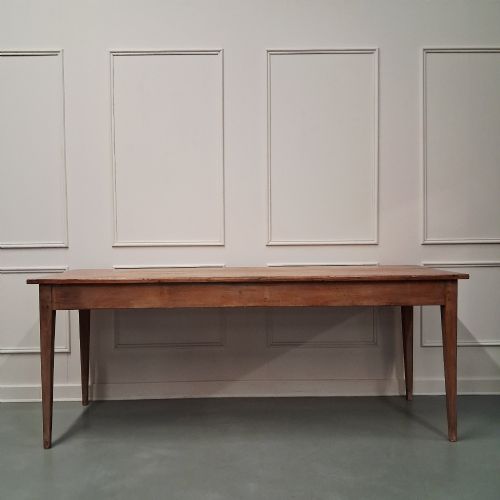
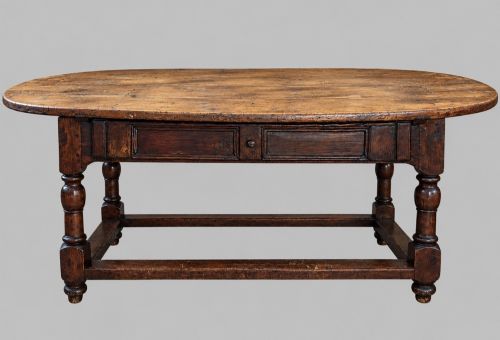
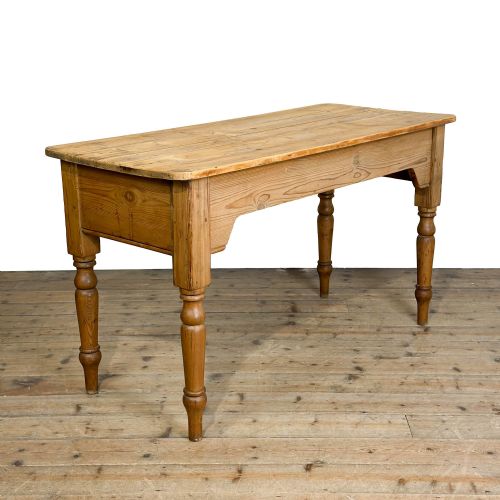
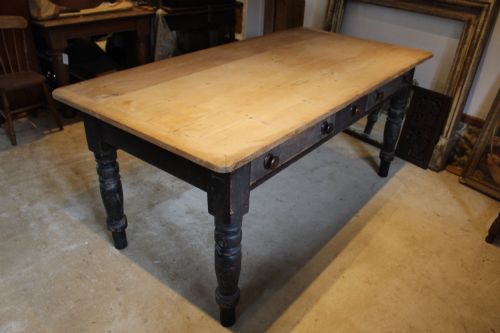
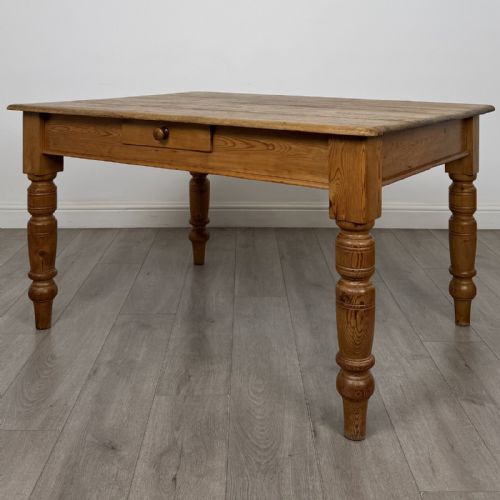
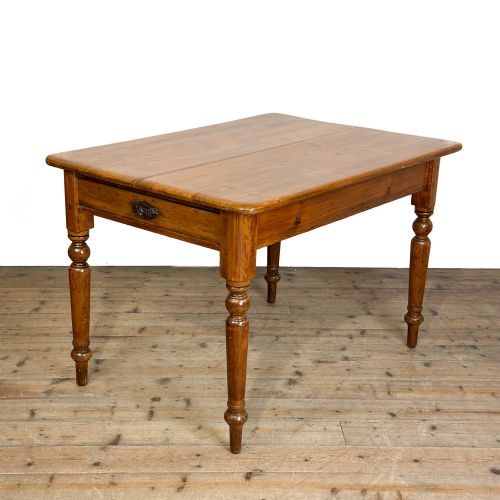
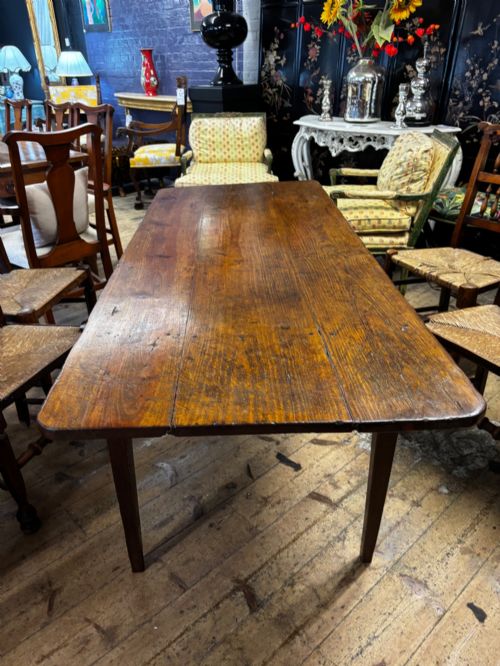
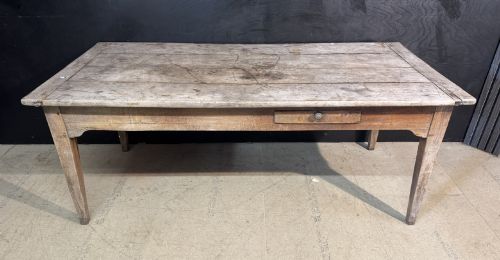
A rustic pine kitchen table serves as a sturdy work surface shaped by decades of domestic life, dining, and food preparation. Buyers searching for a rustic pine kitchen table commonly encounter pieces originating from the nineteenth century and the early decades of the twentieth century, including farmhouse tables, prep tables, and refectory designs.
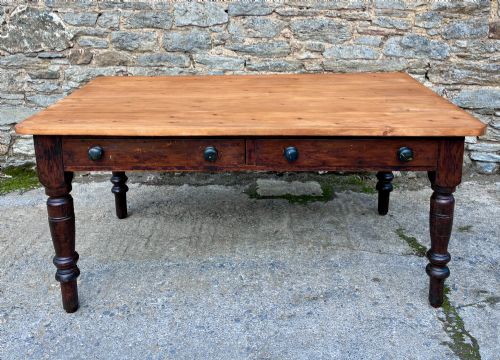
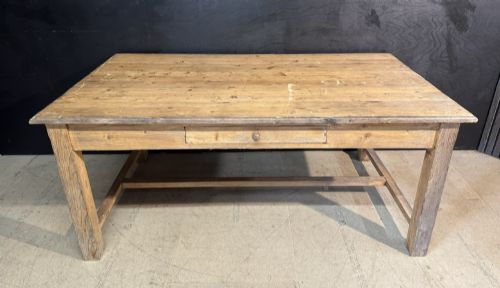
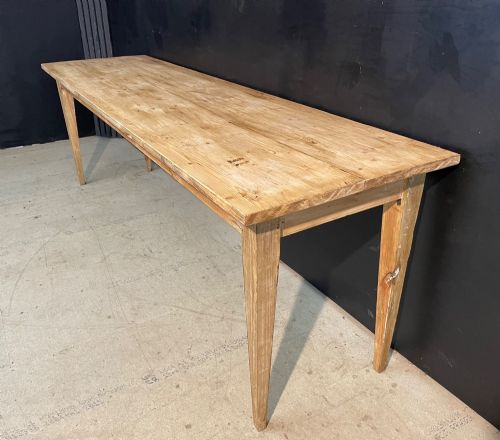
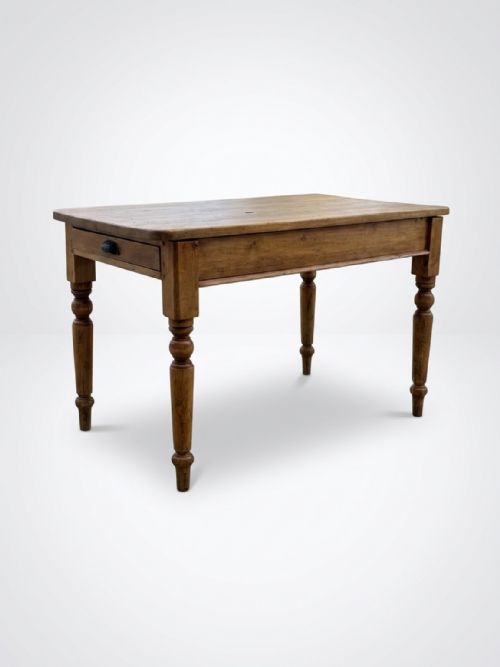
The dominant forms span standard four-legged dining tables, long harvest tables, and work tables fitted with practical drawers. Many examples reflect English, French, and Victorian country traditions, constructed for heavy daily use in sculleries, dairies, and farm kitchens.
While traditional dining tables predominate, listings frequently include variations such as drop-leaf tables, fold-down versions, and narrow console tables. These pieces display the practical adaptability required in historic domestic spaces.
Materials and Construction
Construction relies heavily on solid pine and pitch pine, often combined with complementary secondary hardwoods like oak, fruitwood, sycamore, or elm for structural strength. Joinery methods typically employ sturdy mortise and tenon frames designed to endure significant weight and movement.
Surfaces frequently show the effects of historic use, including scrubbed bare wood, traces of later paint, or traditional wax finishes. Metal elements such as brass or iron appear selectively on drawer pulls, drop-leaf hinges, and structural brackets.
Rustic Pine Kitchen Table Retail Price Guide 2026
Typical asking prices for rustic pine kitchen table among the pieces listed under this phrase on Sellingantiques today, from the lower quarter to the upper quarter. They describe what is for sale here now, not the wider market.
Several tables retain deep drawer spaces originally intended for storing flour, rolling pins, or damp linen cloths.
Quality and Character
Differences in quality depend on the integrity of the original construction, timber selection, and the degree of structural alteration over time. Dense pitch pine and tightly grained old-growth timber provide greater durability than softer, later pine boards.
Proportion and scale distinguish exceptional pieces, particularly extra-long harvest tables and refectory formats with integrated potboards or multiple drawers. The character of the surface - whether retaining an honest scrubbed finish or untouched historic paint - defines the visual merit of each example.
The Rustic Pine Kitchen Table Glossary
- Pitch pine
- A dense, resinous variety of pine known for its prominent grain pattern and exceptional durability. It was frequently used in nineteenth-century heavy-duty furniture.
- Refectory table
- A long, narrow dining table traditionally built for communal dining halls. These tables often feature stretcher bases for added stability.
- Potboard
- A lower open shelf built into the base of a table or dresser. It was historically designed to hold pots, pans, and heavy kitchen utensils.
- Prep table
- A utilitarian work table utilised for food preparation in domestic kitchens or dairies. They often feature scrubbed tops and deep utility drawers.
- Drop-leaf table
- A table with hinged flaps on one or both sides that fold down to save space. This mechanism allows the surface area to expand or contract as needed.
Rustic Pine Kitchen Table: Frequently Asked Questions
How do I date an old pine table?
Dating relies on examining construction techniques, tool marks, and timber characteristics. Hand-sawn boards, pegged joints, and older fastening methods typically indicate nineteenth-century or earlier origins.
Later twentieth-century pieces often display standardised machine-sawn components and modern fixings. Comparing the timber density and wear patterns against established period styles helps narrow the manufacturing era.
Can I use a kitchen table for daily dining?
These tables were built specifically for daily domestic service, making them exceptionally well-suited for everyday meals and family gatherings. Their sturdy frames and solid wooden tops easily withstand regular use.
Care involves using appropriate protection against moisture and heat to preserve the historic wood finish. Regular waxing helps maintain the timber against daily wear.
What is the difference between a farmhouse table and a refectory table?
Farmhouse tables generally feature simpler four-leg constructions intended for general family use in country kitchens. They frequently incorporate single or double drawers for storage.
Refectory tables are distinguished by their elongated proportions and supportive stretcher bases running low between the legs. This design provides superior rigidity for very long tabletops.
How do I care for a scrubbed pine top?
Scrubbed pine surfaces benefit from gentle cleaning with mild soap and warm water applied with a soft brush along the grain. Avoid harsh chemical cleaners that strip the natural character of the wood.
Periodically applying a nourishing beeswax helps seal the pores and maintain a soft lustre. This traditional maintenance protects the timber while preserving its historic appearance.