


Country Pine Kitchen Table
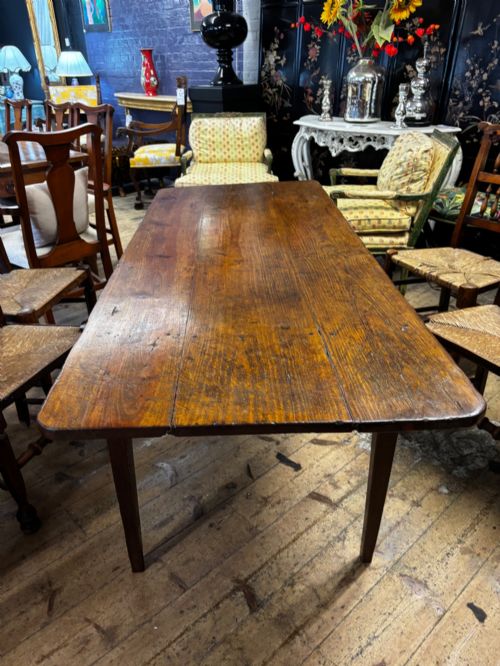
A country pine kitchen table brings warmth to a room, offering a sturdy surface shaped by decades of domestic use.
Country Pine Kitchen Table
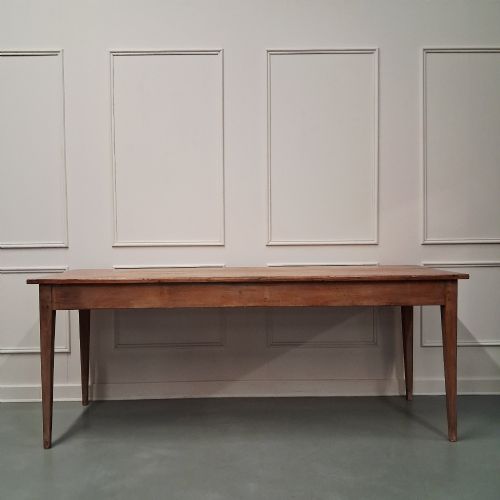
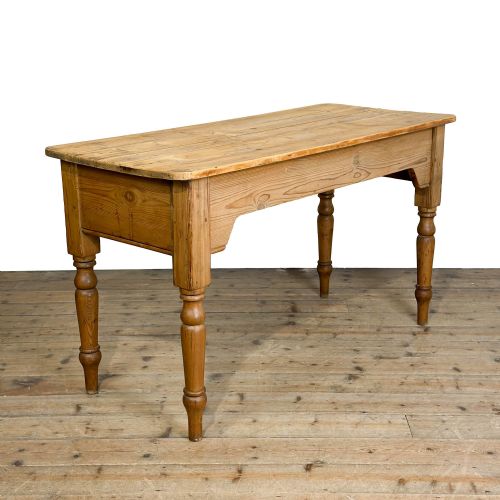
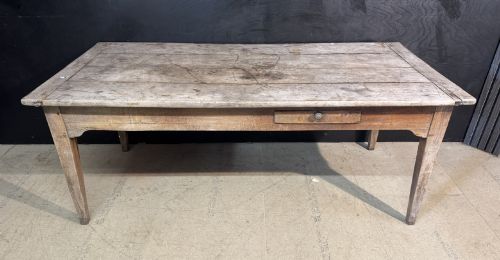
A country pine kitchen table is a utilitarian domestic object designed for food preparation and family dining in rural and provincial homes. When you search for a country pine kitchen table, you encounter domestic furniture dating from the Georgian period through the Victorian era and into the early twentieth century. These tables serve multiple functions within the home, acting as both work surfaces and gathering places.
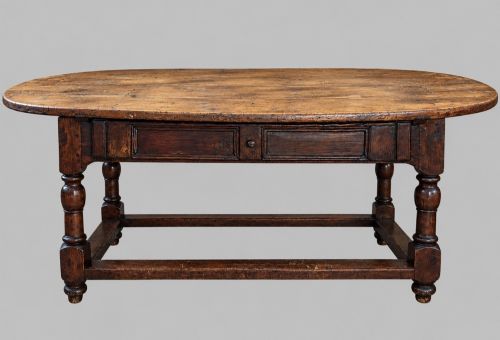
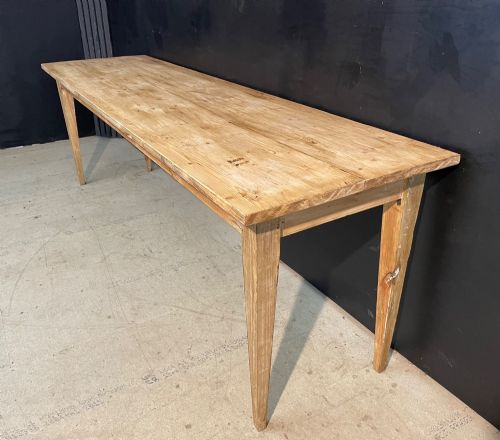
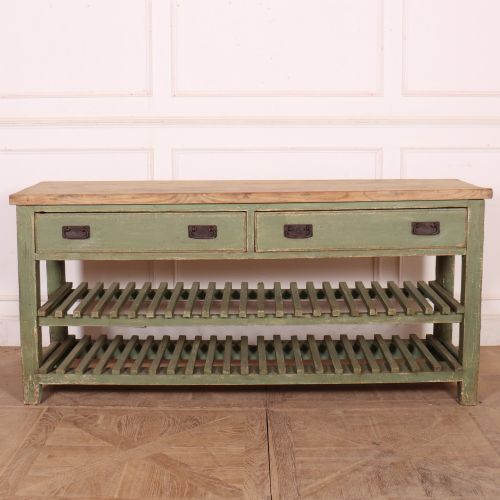
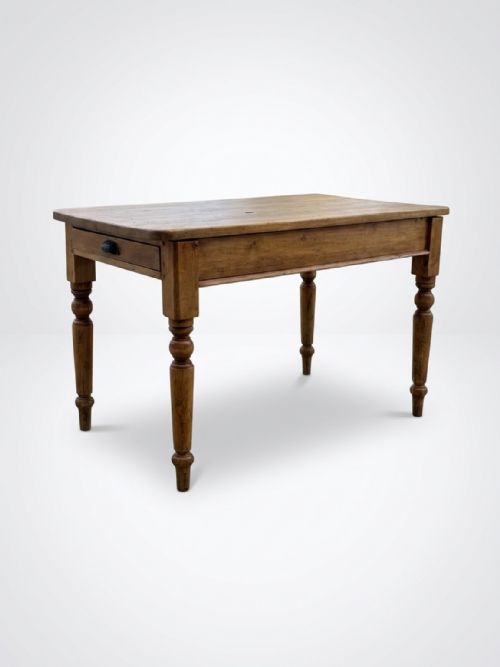
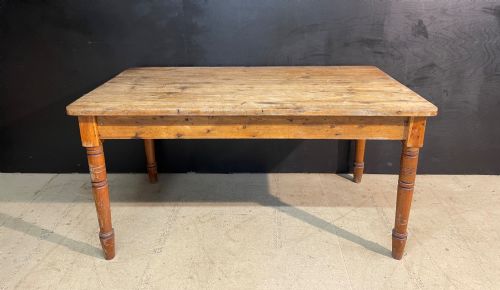
The pieces appearing on this page span several specific forms, including kitchen tables, dining tables, serving tables, and prep tables. You are most likely to meet Victorian examples alongside pieces from the late nineteenth century and the early decades of the twentieth century. Regional variations also appear, with specific items identified as originating from the West Country.
Materials and construction
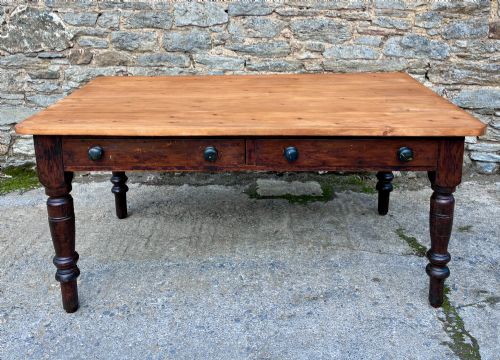
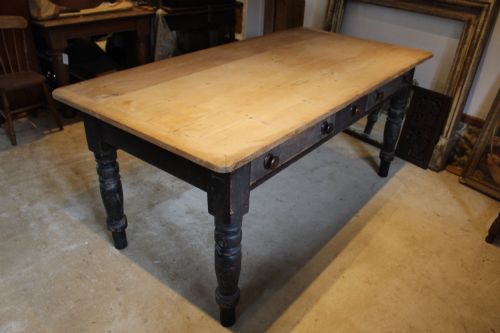
The construction of these pieces relies primarily on pine and wood, occasionally supplemented by fruitwood or mahogany for specific elements. Carpenters utilised robust softwood for the main tabletops and frames, ensuring the furniture could withstand heavy daily tasks. Some examples feature painted surfaces, adding a layer of historical colour to the timber underneath.
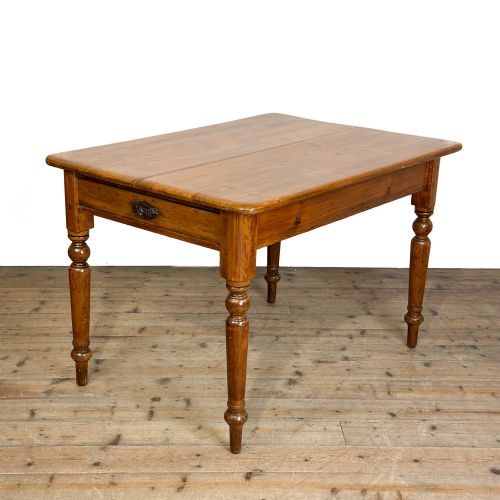
Hardware components such as brass appear on certain tables, typically on drawer pulls or functional fittings. Joinery methods prioritise stability and durability over decorative refinement, resulting in solid legs and thick tops. The physical evidence shows centuries of wear that highlight the honest carpentry of the period.
Country Pine Kitchen Table Retail Price Guide 2026
Typical asking prices for country pine kitchen table among the pieces listed under this phrase on Sellingantiques today, from the lower quarter to the upper quarter. They describe what is for sale here now, not the wider market.
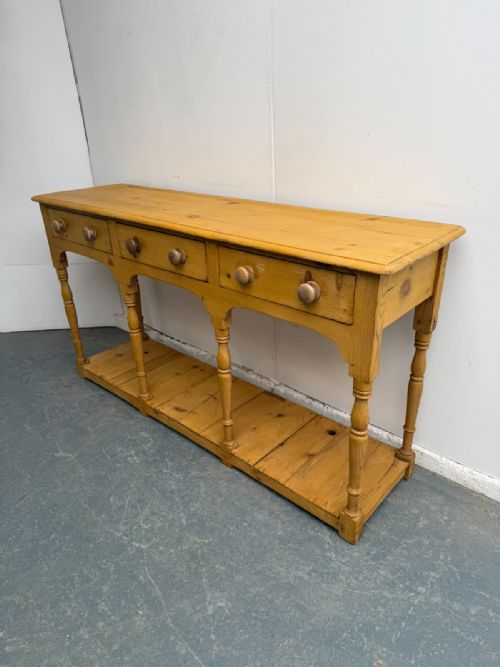
Object forms documented in the archives include dining tables, serving tables, prep tables, and variants equipped with storage drawers.
Quality and proportion
Quality in these tables rests upon the integrity of the timber and the balance of proportions rather than ornate decoration. Tables constructed from dense, well-figured pine with patinated surfaces demonstrate superior material selection by the original maker. The thickness of the top planking and the stability of the structural frame determine the structural grade.
The Country Pine Kitchen Table Glossary
- Pine
- A softwood commonly used for domestic furniture throughout the eighteenth and nineteenth centuries. It provides a pale, workable surface that takes paint and wax polish well.
- Fruitwood
- A dense, close-grained timber harvested from fruit-bearing trees. Cabinet makers utilised it for specific tables requiring harder working surfaces.
- Prep table
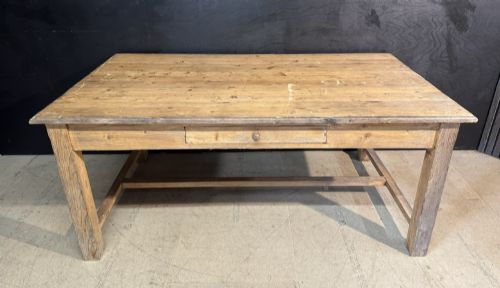
- A specialised functional form designed for food preparation in large country kitchens. These often feature scrubbed tops and occasional storage drawers.
- Farmhouse style
- A vernacular design tradition prioritising utility and robust construction over classical ornament. It defines the unpretentious character of these domestic tables.
Country Pine Kitchen Table: Frequently Asked Questions
Did these tables have drawers originally?
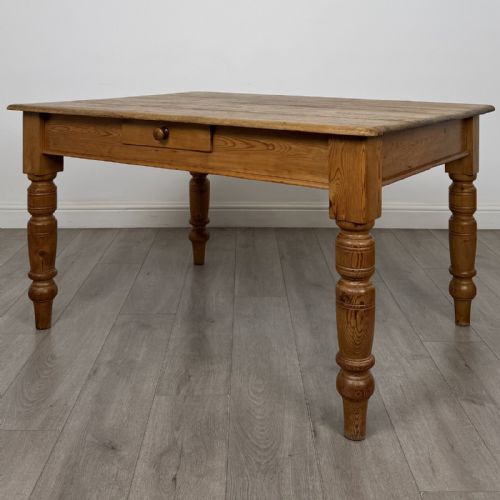
Many working kitchen and prep tables incorporated drawers or storage spaces beneath the top to hold utensils. The evidence shows numerous examples featuring single drawers designed for daily domestic utility.
Tables intended purely for dining often omitted these storage additions to allow greater legroom for seated guests.
How do I care for antique pine?
Maintenance involves regular dusting and occasional treatment with suitable natural waxes to preserve the dry or polished timber surface. Avoid placing pine furniture in areas of extreme temperature fluctuation to protect the old wood.
Gentle cleaning preserves the accumulated patina developed over generations of kitchen use.
Were these tables painted originally?
Historical examples frequently featured painted bases or tabletops as part of traditional domestic decoration. Surviving paint finishes provide evidence of past interior schemes and protect the underlying timber.
Unpainted surfaces often reveal the warm grain of scrubbed pine shaped by years of preparation tasks.