

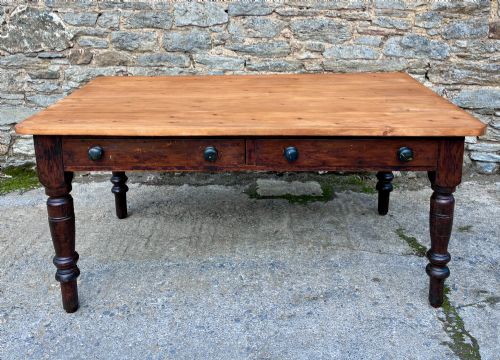
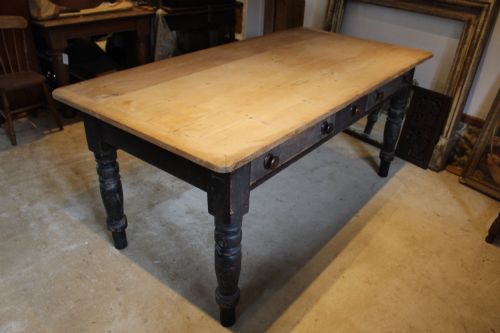
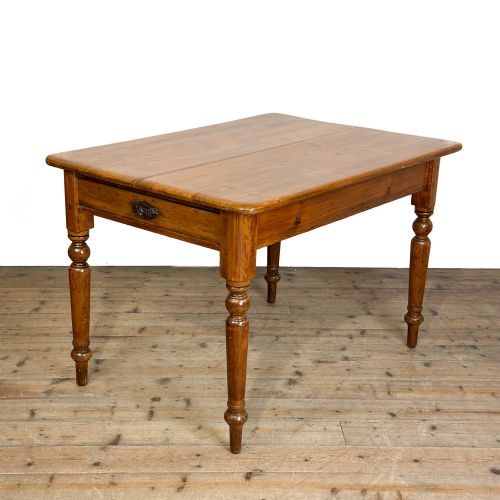
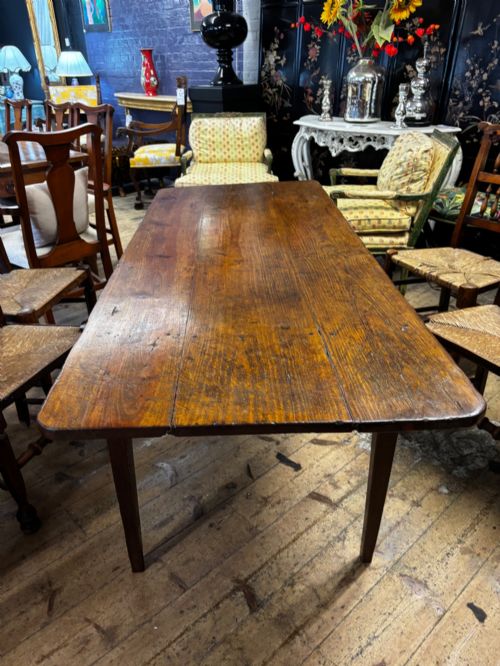
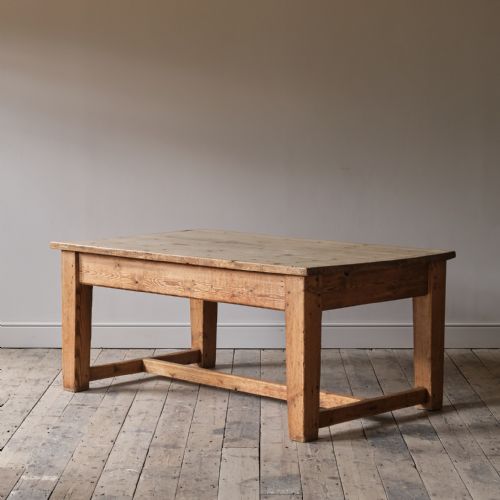

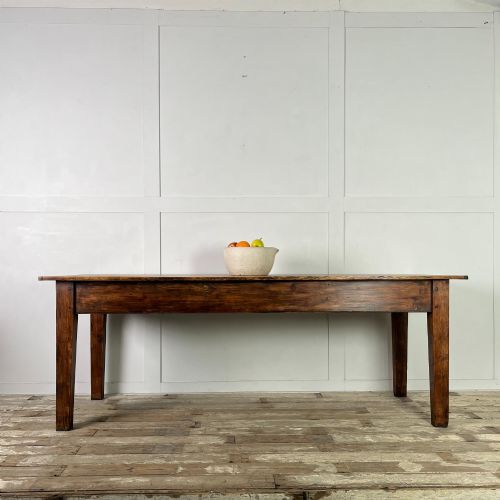
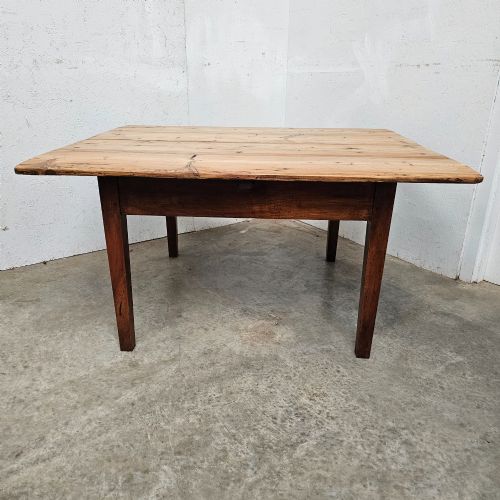
Traditional Pine Dining Table
A traditional pine dining table brings honest utility and robust timber character straight into the heart of a home.
Traditional Pine Dining Table
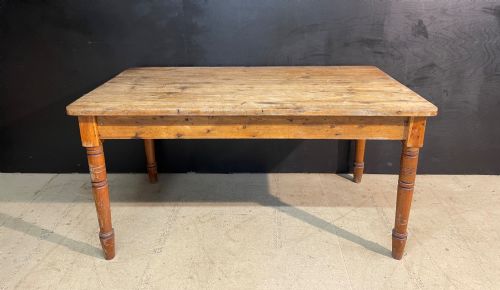
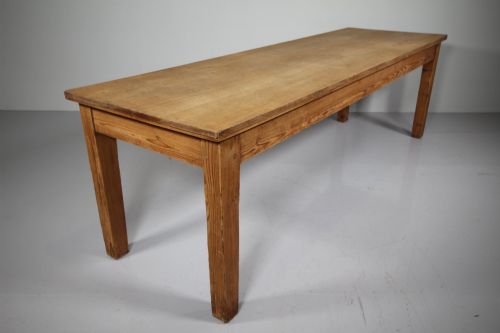
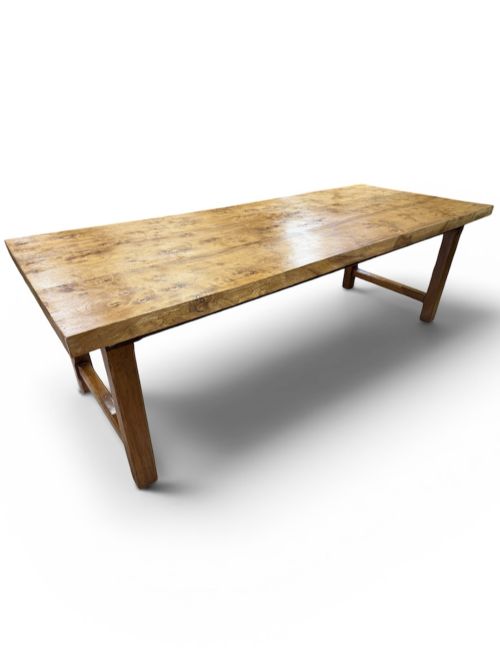
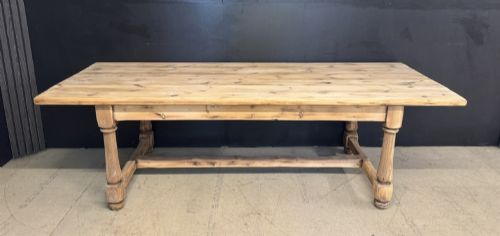
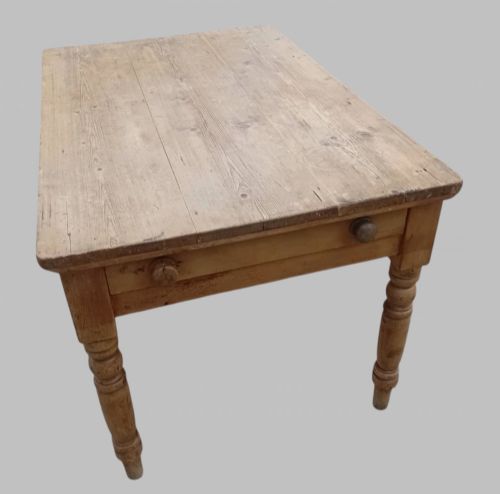
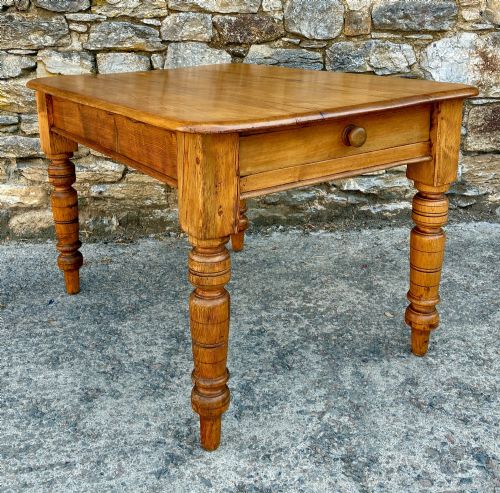
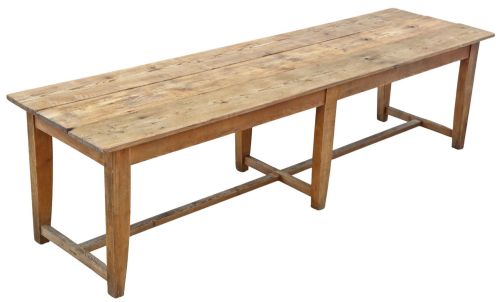
A traditional pine dining table serves as a sturdy centrepiece rooted in everyday domestic history. These pieces span the nineteenth century and into nineteen thirty, incorporating rustic farmhouse and Victorian country styles.
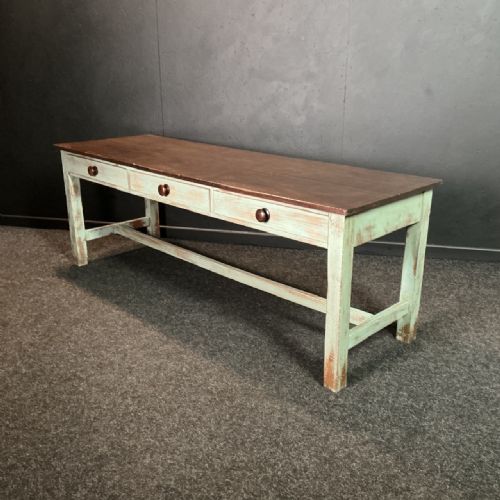
Buyers encounter variations including standard kitchen tables, drop leaf formats of large proportions, and examples retaining original paint finishes. The forms remain practical and unpretentious, designed for heavy daily use.
Origins trace back through nineteenth century workshops where pine served as the primary timber for utilitarian furniture. Each surface reflects decades of historical domestic life.
Materials and construction
Construction relies primarily on solid pine timbers selected for strength and practicality in daily service. Iron components appear selectively for structural reinforcement and operational hinges on drop leaf variations.
Surface treatments range from bare timber exposed by wear to surviving coats of original paint. Joinery methods reflect straightforward nineteenth century cabinet-making techniques intended for longevity rather than display.
Traditional Pine Dining Table Retail Price Guide 2026
Typical asking prices for traditional pine dining table among the pieces listed under this phrase on Sellingantiques today, from the lower quarter to the upper quarter. They describe what is for sale here now, not the wider market.
The inventory spans the nineteenth century to nineteen thirty, utilising pine, paint, and iron across rustic farmhouse and Victorian country styles.
Judging quality in pine furniture
Quality reveals itself in the integrity of the timber and the honesty of the surface patina. Tables retaining original paint layers stand apart from those stripped down to raw wood.
Proportions dictate utility, with larger formats and drop leaf mechanisms demonstrating greater ambition in design. The depth of the working surface grain tells the story of prolonged household use.
The Traditional Pine Dining Table Glossary
- Pine
- A soft timber extensively utilised in nineteenth century utilitarian furniture for its accessibility and resilience. It accepts paint readily and develops a rich surface character over time.
- Drop leaf
- A table design featuring hinged flaps that fold down to save space or extend upwards for larger gatherings. Iron brackets frequently support these movable sections.
- Original paint
- Surviving historic pigment applied directly to the timber surface during the period of manufacture. This finish provides crucial evidence of the piece's chronological authenticity.
- Farmhouse style
- A robust aesthetic prioritising functional simplicity and heavy timber construction over decorative ornamentation. These tables emerged directly from rural domestic requirements.
Traditional Pine Dining Table: Frequently Asked Questions
What defines a traditional pine dining table?
These tables are solid timber pieces originating from the nineteenth century up to nineteen thirty. They were built for hard service in kitchens and rural homes.
Their styles follow rustic farmhouse and Victorian country traditions. The focus rests entirely on practical utility and honest construction.
How do I care for an old pine table?
Maintain the timber by avoiding excessive moisture and sudden temperature changes. Regular dusting keeps the surface safe without stripping historical character.
Treat painted or bare wood surfaces with gentle care. Allow the natural patina to continue developing through everyday family use.
Are these tables suitable for daily dining?
The pieces were originally constructed precisely for daily kitchen and dining tasks. Their robust pine frames handle active family life with ease.
Generous proportions and drop leaf formats offer flexibility for modern meals. Their durable build accommodates heavy everyday service.
How can I tell the age of a pine table?
Dating relies upon timber characteristics, joinery methods, and surface wear patterns. Nineteenth century examples show distinct tool marks and construction traits absent in modern reproductions.
Original paint layers and iron fittings provide further clues to chronological origin. The overall patina builds up over generations of genuine domestic use.