


Green Painted Table
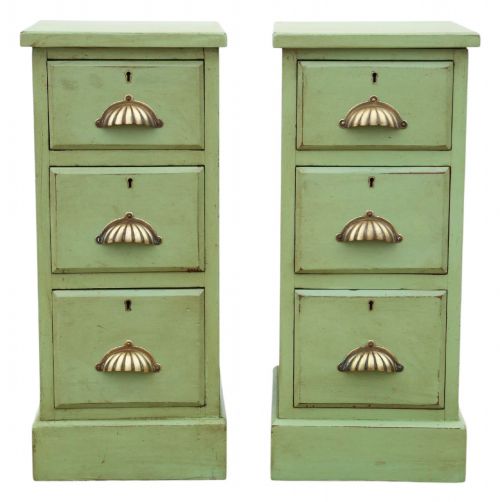
A green painted table brings painted colour and functional surface space into a room, spanning rustic farmhouse forms to refined Regency designs.
Green Painted Table
When you search for a green painted table, you encounter a diverse range of furniture types spanning multiple centuries. The selection includes occasional tables, bedside tables, console tables, and dining tables originating from various European regions.
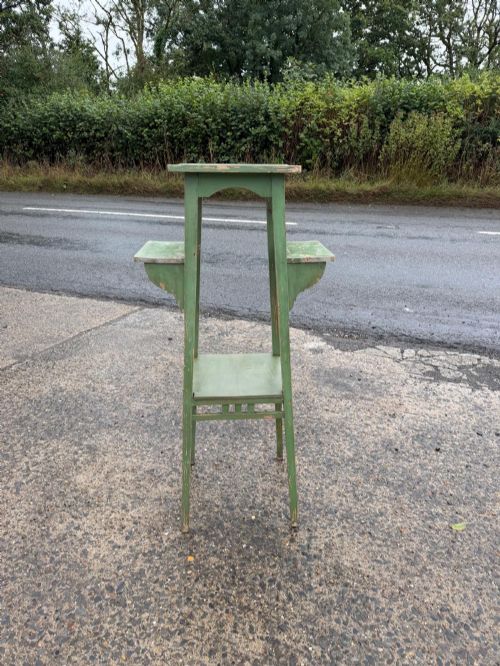
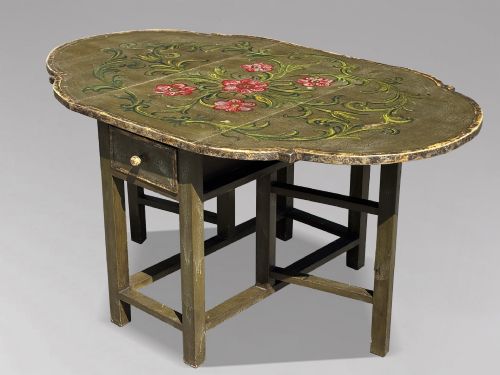
You are most likely to meet pieces finished in original or later decorative paint, reflecting styles such as Victorian country, rustic farmhouse, and French Empire. These items range from compact lamp tables to larger serving and drop-leaf formats made of wood.
The category also encompasses specialised forms like sewing tables, chess tables, and dressing tables featuring painted surfaces. Each piece demonstrates how makers applied colour to utilitarian furniture across the eighteenth, nineteenth, and early twentieth centuries.
How they were made
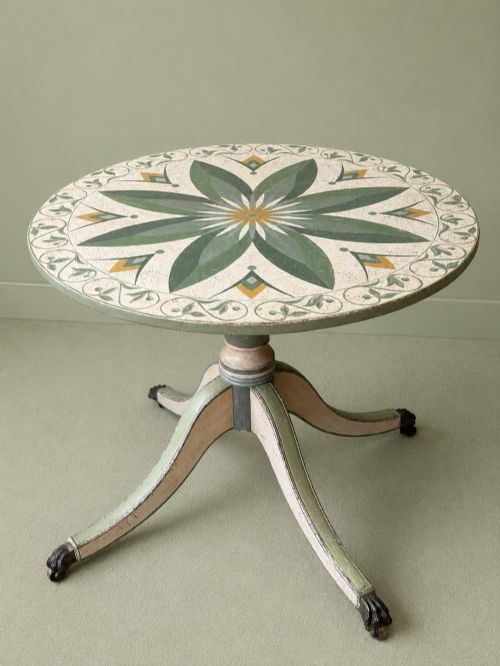
Wood serves as the primary substrate, with pine, birch, and oak utilised for structural stability and surface smoothness. Artisans applied coats of paint directly to the timber, sometimes incorporating gilt details or floral motifs over the base colour.
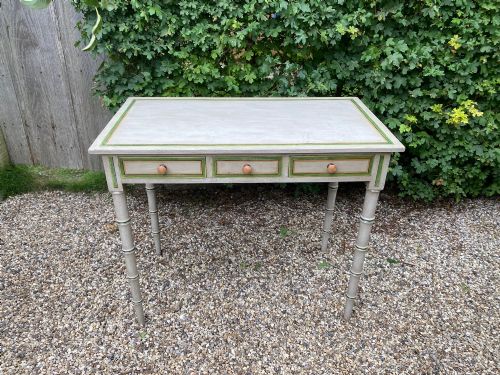
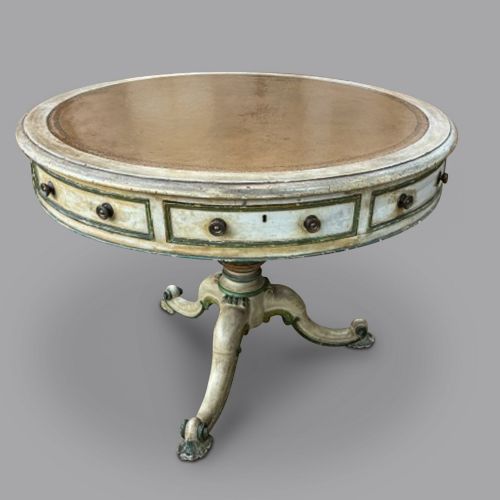
Many examples feature applied decorative elements such as brass mounts, faux bamboo turnings, or wrought iron components. The application of paint ranges from early surviving layers to later decorative schemes applied to Victorian tilt-top and pedestal forms.
Listings feature pine, oak, and birch beneath paint, alongside brass and wrought iron hardware.
What varies in quality
The distinction between tiers of quality rests upon the preservation of the original painted surface versus later overpainting. Pieces retaining their initial pigment and integrated decorative detailing command greater interest from collectors.
Structural integrity and the refinement of joinery also differentiate examples. Well-proportioned timber framing and sophisticated regional styling, such as Gustavian or Venetian design work, separate standard utilitarian items from finer decorative pieces.
L and F Moreau·Josef Lorenzl·Pauly et Cie
The Green Painted Table Glossary
- Tilt-top table
- A table with a hinged top that can be rotated to a vertical position when not in use. This mechanism saved space in smaller historic interiors.
- Console table
- A table designed to be fixed against a wall, often supported by brackets or legs. These pieces frequently functioned as serving or display surfaces in formal rooms.
- Faux bamboo
- A decorative technique where wood is carved or painted to imitate the segmented appearance of bamboo. This finish gained popularity during the Regency and Victorian periods.
- Slagbord
- A traditional Scandinavian drop-leaf dining table supported by swinging wooden gates. The design allows the leaves to fold down neatly.
- Potboard serving table
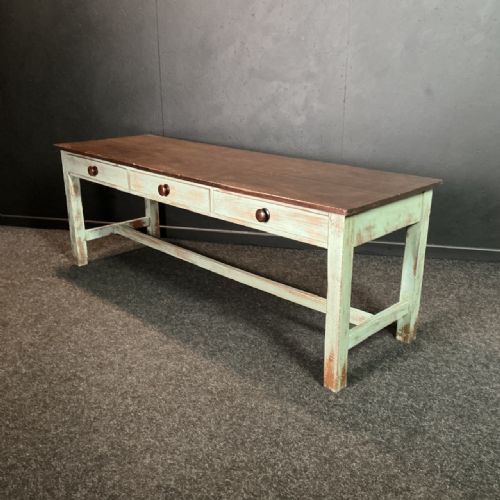
- A large utilitarian table featuring a lower shelf, known as a potboard, used for storing kitchenware. These sturdy pieces originated in English domestic spaces.
Green Painted Table: Frequently Asked Questions
Are these painted surfaces original?
Many items retain their early or original paint layers applied decades or centuries ago, while others received later decorative painted schemes during subsequent periods.
Examining the wear patterns, craquelure, and pigment adherence helps determine whether a finish dates to the manufacture of the furniture or represents a later revival.
What wood lies beneath the paint?
Makers typically utilised accessible regional timbers such as pine, oak, and birch to construct the carcase and legs of these tables.
The choice of wood often relates to the geographic origin of the piece, with northern European workshops frequently employing pine and birch.
How do I style a green painted table?
These tables function well as accent pieces in neutral rooms, drawing the eye through their distinctive colour and painted decoration.
They serve practical roles as bedside chests, lamp stands, or occasional surfaces in living spaces without overwhelming existing interior schemes.
What distinguishes Regency from Victorian painted tables?
Regency painted tables often incorporate classical motifs, gilt accents, and faux bamboo turnings reflecting neoclassical taste.
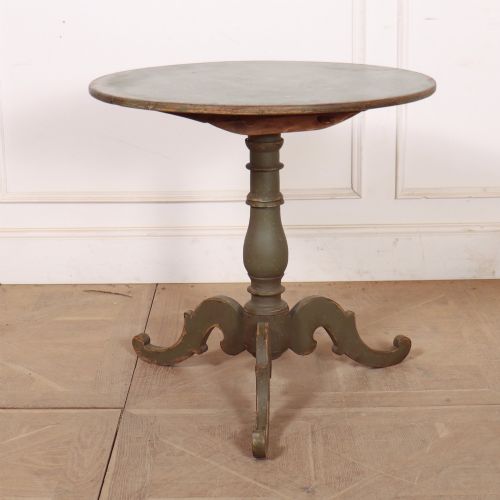
Victorian pieces tend toward sturdier proportions, tilt-top mechanisms, and country styling, sometimes featuring floral designs added during later decades.