

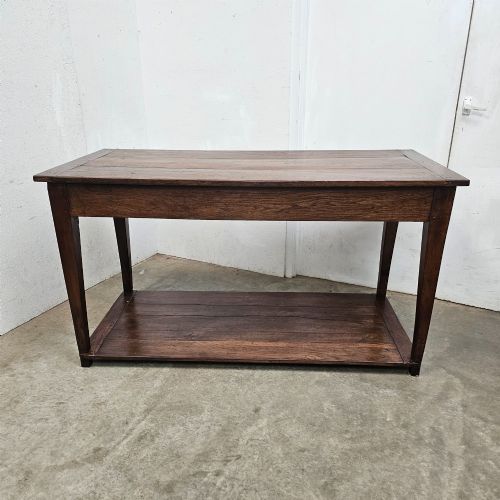
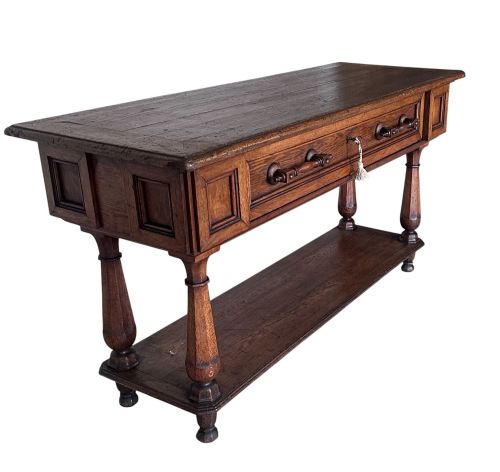
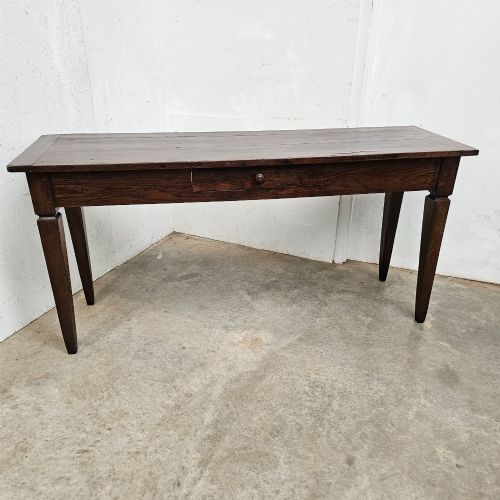
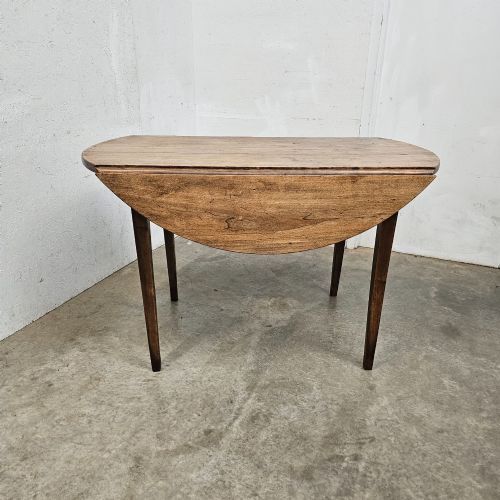
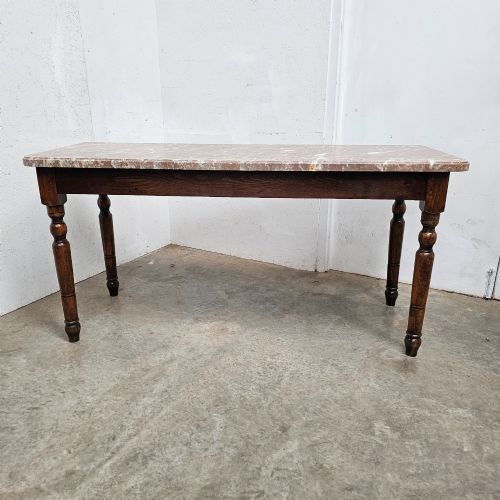

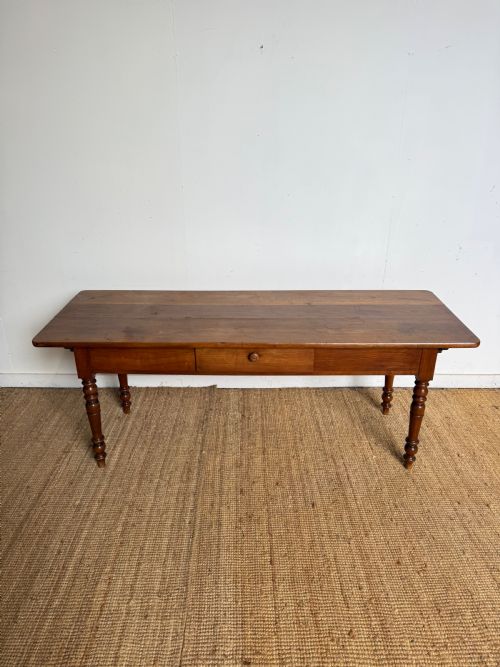
French Provincial Console
These french provincial console pieces combine rural utility with regional elegance, offering surface and form for domestic interiors.
French Provincial Console
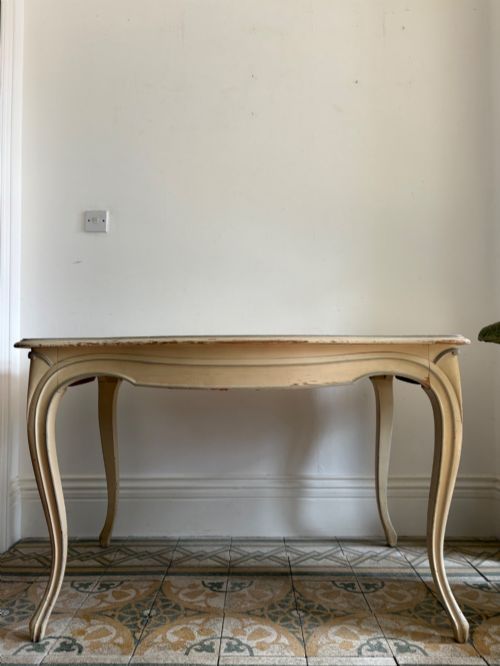
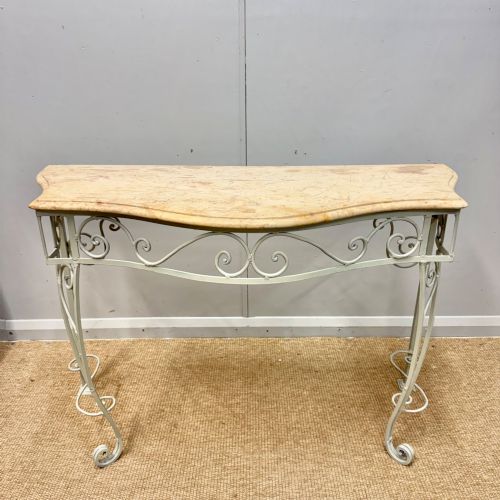
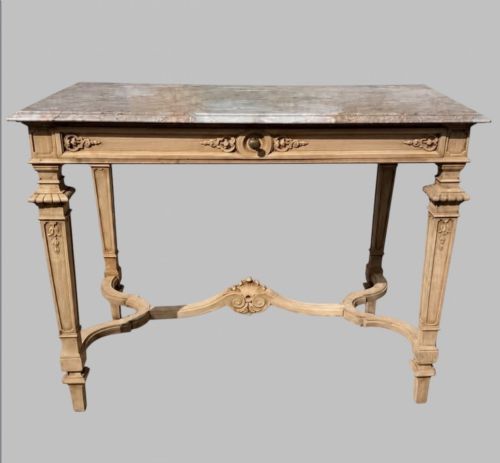
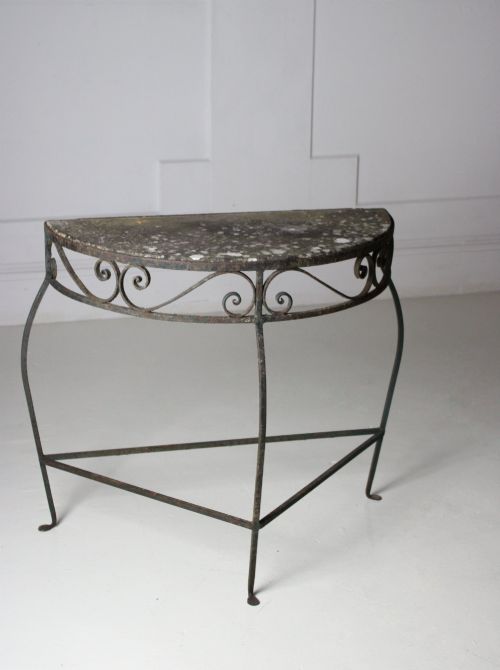
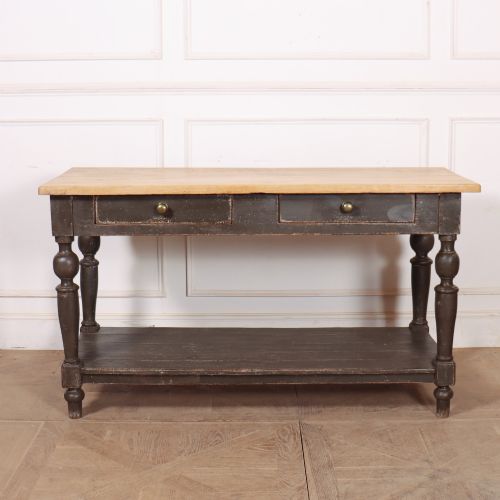
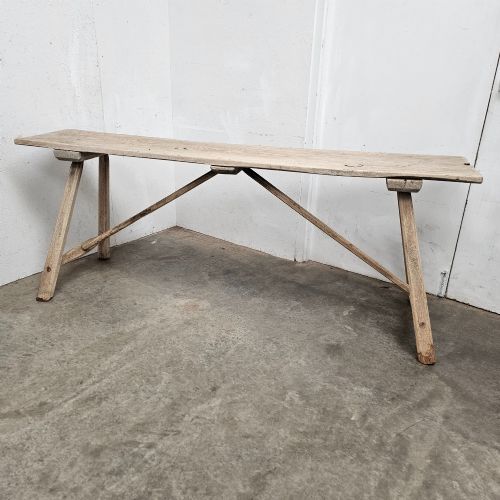
A french provincial console represents regional domestic furniture adapted for hallway, living room or dining placement. The pieces range from straightforward pine work tables and scrub-topped kitchen benches to marble-topped serving tables and demilune consoles.
Most examples date from the nineteenth century, though eighteenth-century pieces in oak, walnut, yew tree and fruitwood appear alongside Edwardian painted pairs and nineteen-twenties creations. Forms encompass console tables, side tables, serving tables, drapers tables and two-tier work tables.
Regional variations span styles such as French Country, French Chateau, Scandinavian Country, Louis XVI Revival, Louis Philippe, Neoclassical and Louis XVI Style. Buyers encounter serpentine fronts, pot shelves, drawers and inset suede tops.
Materials and Construction
Makers utilised native hardwoods and softwoods including oak, walnut, cherrywood, fruitwood, yew tree and scrubbed pine. Surfaces often display paint, cream finishes, or scrubbed natural grain.
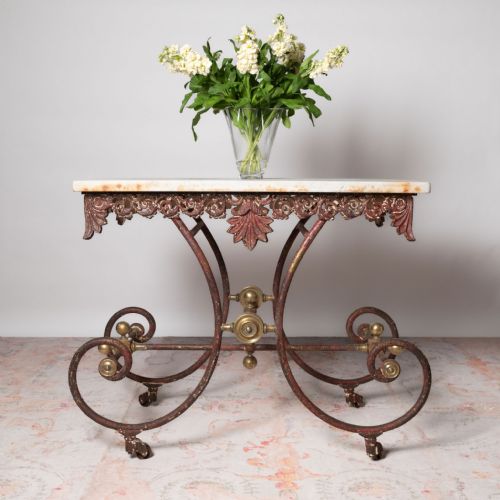
Insets of marble, wrought iron and brass add weight and utility to serving and display tables. Joinery supports functional demands like laundry, drapers and patisserie work.
French Provincial Console Retail Price Guide 2026
Typical asking prices for french provincial console among the pieces listed under this phrase on Sellingantiques today, from the lower quarter to the upper quarter. They describe what is for sale here now, not the wider market.
Scrub-top laundry and butchers tables preserve the vigorous daily scrubbing of past domestic kitchens.
Quality and Character
The distinction lies in the integrity of the timber, the presence of original patina, and the proportion of the piece. Unaltered scrubbed pine and patinated walnut command attention for their honest wear.
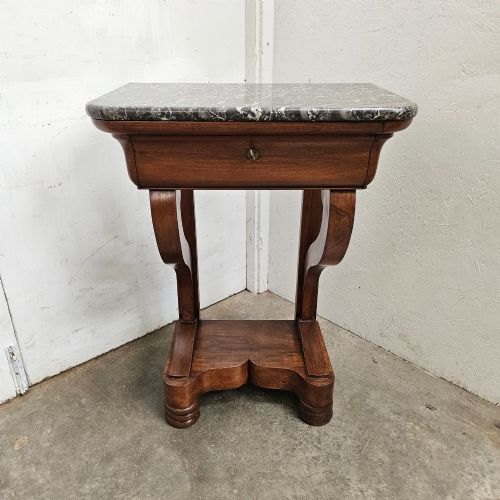
Refined detailing such as marquetry, marble slabs, wrought iron bracing or carved oak motifs elevates certain examples from utilitarian work tables to formal console furniture.
The French Provincial Console Glossary
- Console table
- A table designed to stand against a wall, frequently fixed or supported by brackets and legs. These pieces provide surface space in hallways and reception rooms.
- Demilune
- Half-moon shape, applied to console tables with a semicircular front and flat back. This form fits neatly against interior walls.
- Patina
- The surface sheen and colour developed through age, handling and polishing. Original patina indicates minimal chemical alteration over centuries.
- Pot shelf
- A lower open shelf built into a serving table or pot board. It was traditionally utilised for storing pots and kitchen utensils.
- Serviette
- Serving table used in dining rooms for holding dishes. These tables often incorporate drawers and scrubbed timber tops.
French Provincial Console: Frequently Asked Questions
Where should I place a console table?
These tables suit hallways, living rooms and dining spaces where surface area is required without blocking traffic flow. Their shallow depth allows them to sit flush against walls.
Marble-topped and painted versions fit reception areas, while oak and fruitwood utility tables suit dining rooms or kitchens.
How do I care for a marble top?
Marble surfaces require regular wiping with a damp cloth and mild soap to prevent staining from liquids. Acidic substances like citrus or wine can etch the polished stone.
Using coasters and mats preserves the nineteenth-century finish and prevents surface scratching on antique marble.
What is the difference between a console and a drapers table?
Consoles are primarily decorative and functional wall tables often featuring marble or polished wood tops. Drapers tables originate from retail use with long, deep timber surfaces.
Drapers tables tend to offer generous proportions and lower storage shelves suitable for modern living spaces.
How can I identify eighteenth-century timber?
Eighteenth-century pieces display hand-cut joinery, pegged joints and timber grain matured over hundreds of years. Oak, walnut and yew tree show distinct cellular patination.
Examine the underside and drawer linings for tool marks and signs of historical hand-planing.