



19th Century Console
A 19th century console brings architectural weight and varied timber grain to a room, offering surface space built for display or everyday domestic use.

19th Century Console
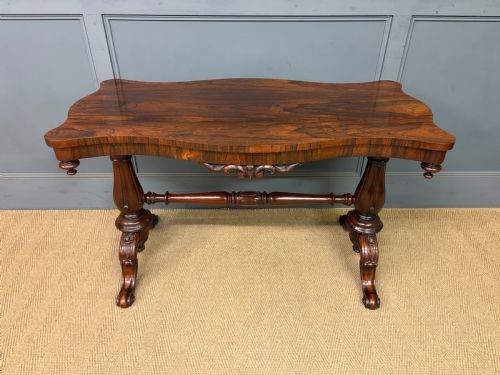
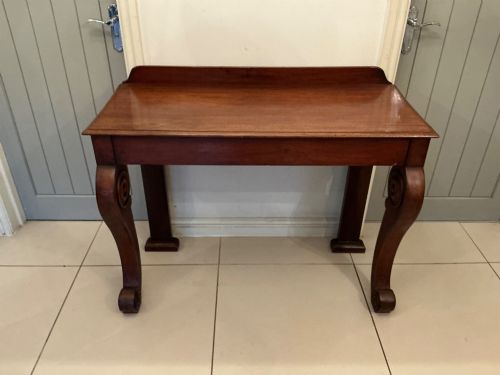
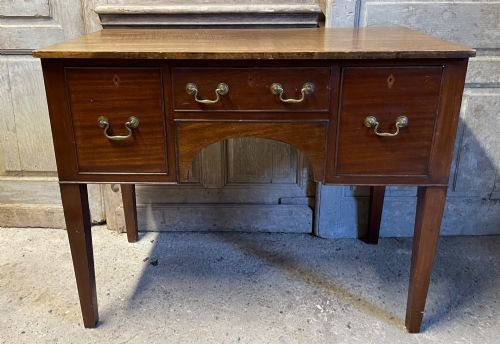
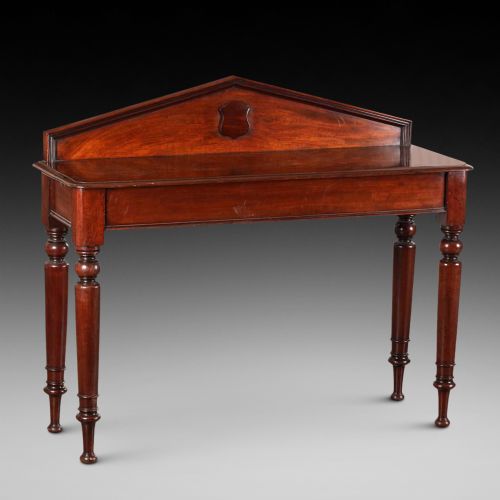
When searching for a 19th century console, buyers encounter a broad category encompassing side tables, pier tables, and pier-glass combinations designed to sit flush against a wall. Many examples originate from English, French, and Italian workshops, reflecting the tastes of the Regency, Victorian, and Empire periods.
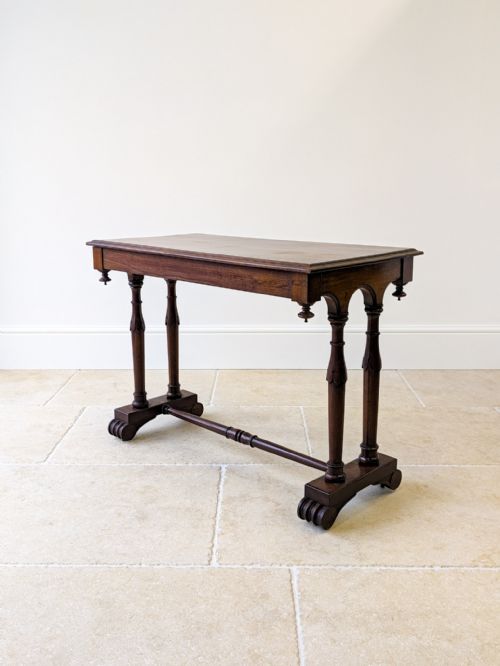
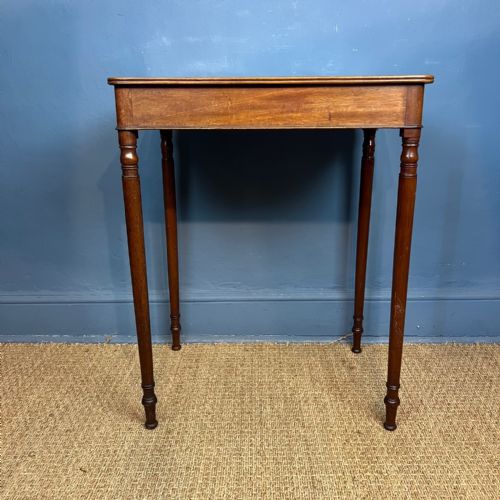
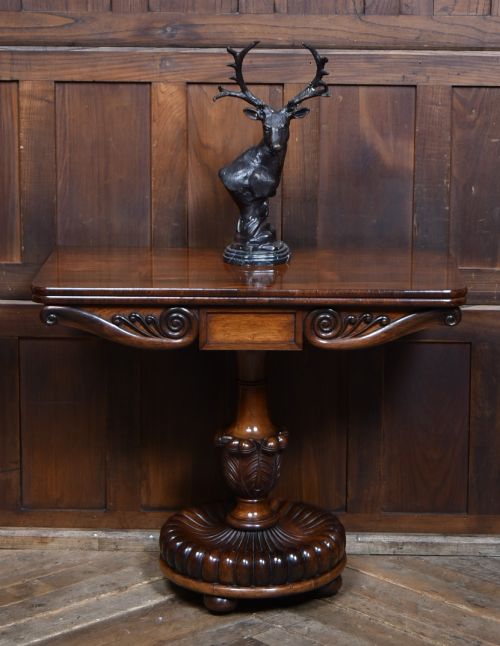
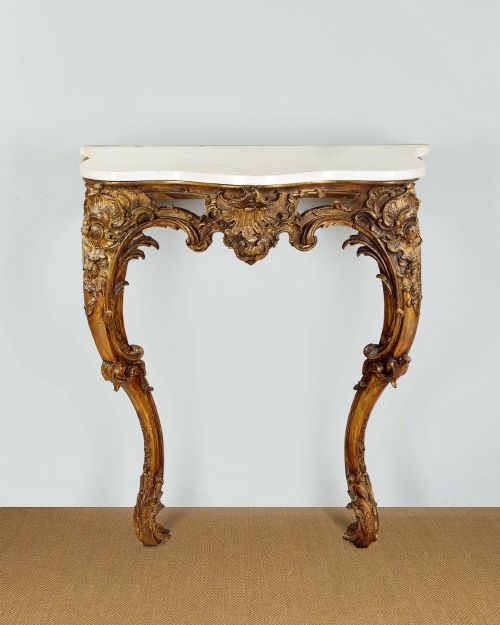
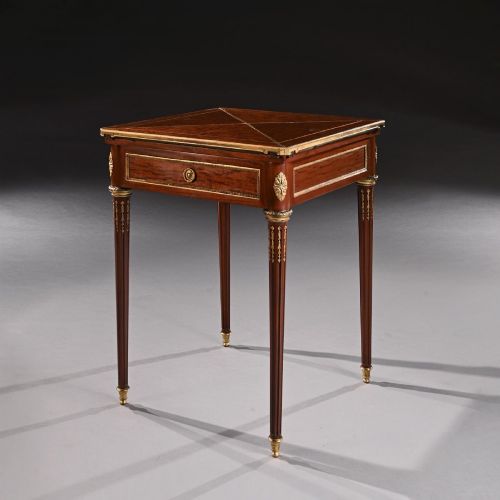
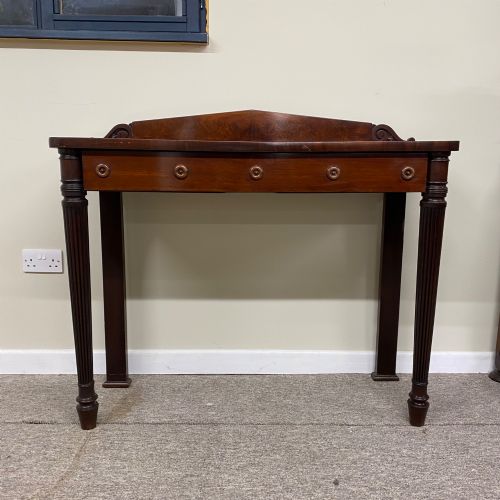
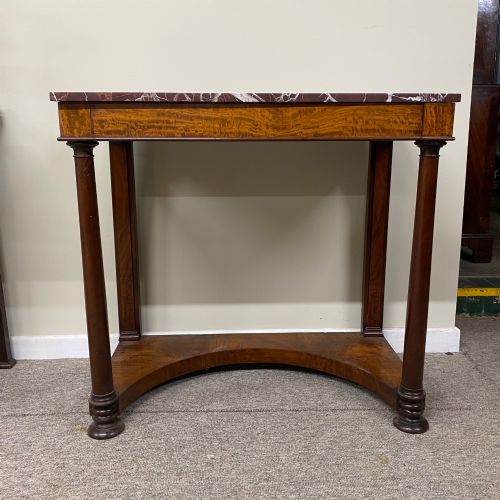
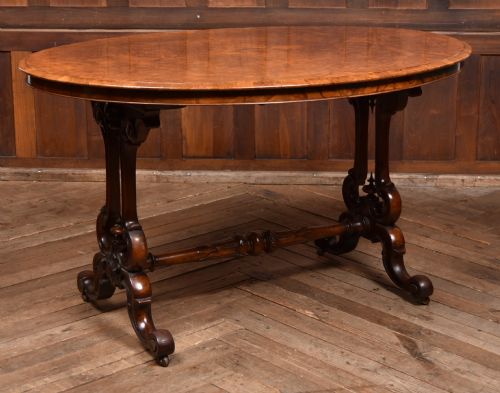
The form frequently overlaps with card tables, games tables, and serving tables that share the narrow proportions and decorative presence typical of the era. On this page, solid mahogany, rosewood, and walnut versions appear alongside giltwood pieces topped with marble.
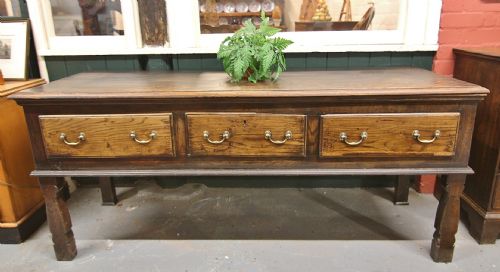
Simpler pine and oak farmhouse variants also emerge alongside sophisticated French rococo revival and neoclassical designs. This diversity allows the furniture to function as a focal point in a hallway or a functional writing surface in a reception room.
Materials and construction methods
Cabinet makers utilised dense hardwoods like mahogany, rosewood, and walnut, often selecting flame or figured veneers for visual depth on tabletops and friezes. Secondary timbers such as pine provided sturdy internal framing and drawer linings.
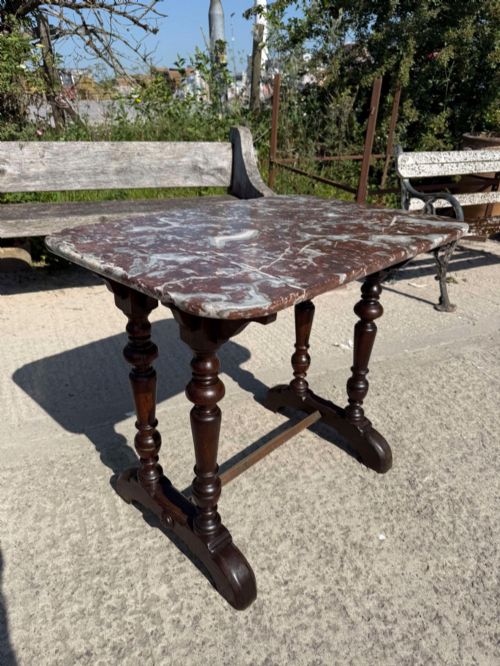
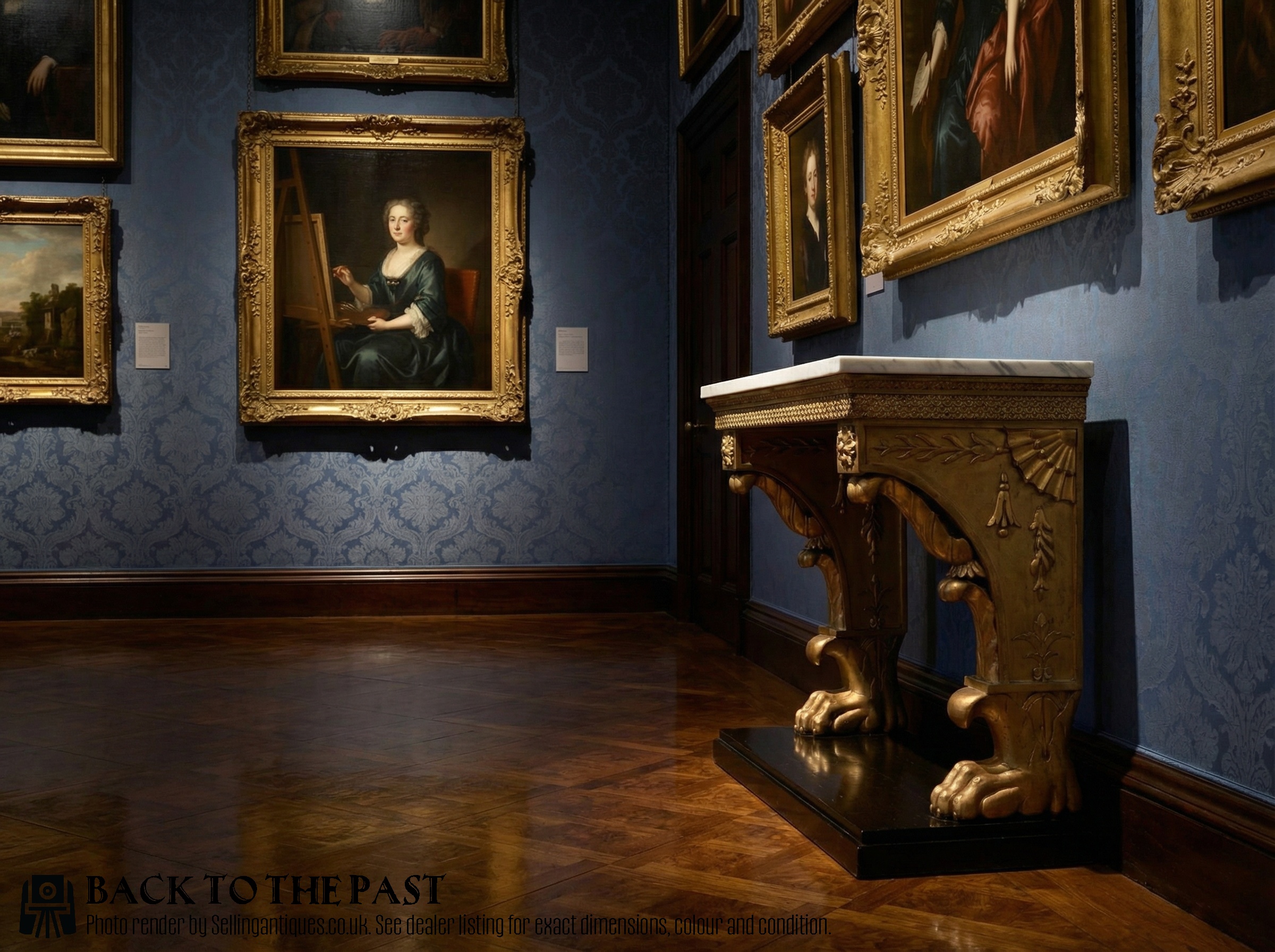
Giltwood frames combined carved softwoods coated in gesso and gold leaf, frequently paired with heavy slabs of white, grey, or breccia marble. Brass inlay, ormolu mounts, and marquetry added ornamental detail to formal Regency and French examples.
19th Century Console Retail Price Guide 2026
Typical asking prices for 19th century console among the pieces listed under this phrase on Sellingantiques today, from the lower quarter to the upper quarter. They describe what is for sale here now, not the wider market.
Listings feature woods ranging from native pine and oak to imported mahogany, rosewood, and goncalo alves.
Distinguishing quality across the range
The standard of execution depends heavily on the crispness of the hand-carved ornament and the selection of timber veneers. Superior pieces display seamless matching of wood grain across folding tops and drawer fronts, alongside robust internal joinery that withstands heavy use.
Gilt surfaces on top-tier items reveal careful layering of gesso before gilding, whereas lesser pieces show flatter application and simpler secondary woods. The integration of high-grade marble slabs, fitted without gaps into carved wooden rebates, also marks out finer workshop output.
Heal and Son·Gillows·Edward and Roberts·Howard and Sons
The 19th Century Console Glossary
- Console table
- A table designed to be fixed or placed against a wall, often supported by front legs or wall brackets. These pieces frequently feature decorative carving on the front apron while keeping the rear plain.
- Pier table
- A low table specifically created to stand beneath a wall mirror between two windows. They often share matching frames and giltwood finishes with their accompanying mirrors.
- Ormolu
- Gilded bronze ornamentation applied to furniture, particularly popular in French nineteenth-century design. The metal is cast and chased before receiving a gold amalgam finish.
- Marquetry
- The art of applying pieces of veneer to a structure to form decorative patterns and pictures. Makers used contrasting woods to create floral or geometric motifs across tabletops.
- Breccia marble
- A multicoloured stone composed of angular fragments set in a finer-grained matrix. It appears frequently as the top surface on formal nineteenth-century giltwood tables.
19th Century Console: Frequently Asked Questions
Where should I place a console table?
These tables fit naturally in entrance halls, narrow corridors, or against living room walls where floor space is limited. Their shallow depth allows them to serve as a drop zone or display surface without obstructing movement.
Pairing a console with a matching wall mirror creates a balanced focal point reminiscent of period interior arrangements.
How were folding console tables used?
Many console forms double as card or tea tables featuring fold-over tops supported by concertina actions or pivoting legs. In nineteenth-century parlours, these closed against the wall when not in use and opened for evening entertainment.
Internal wells frequently provided storage for playing cards, counters, or writing materials.
How do I care for a marble top?
Marble surfaces require prompt wiping of liquid spills to prevent staining, particularly on porous varieties like Carrara or breccia. Mild soap and water serve for routine cleaning, avoiding acidic commercial cleaners that etch the polish.
Using felt pads under heavy objects protects both the stone and the underlying wooden frame from sudden impacts.
How do I distinguish Regency from Victorian pieces?
Regency pieces often display neoclassical restraint with clean architectural lines, brass inlay, and rosewood or mahogany veneers. Victorian examples tend to feature heavier proportions, bolder carving, and darker walnut or burr timbers.
Revival styles during the Victorian era also borrowed heavily from French rococo and Gothic motifs.