
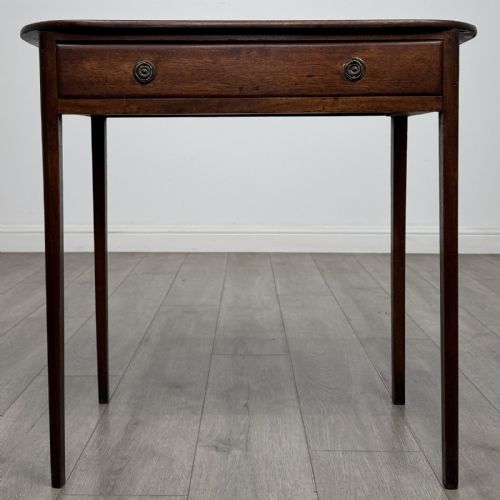
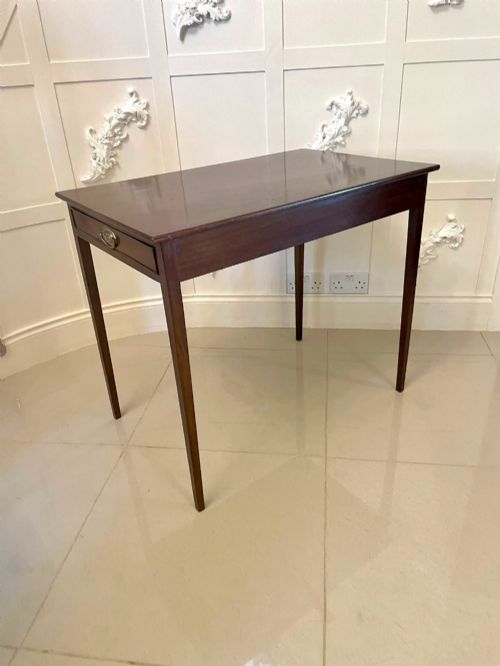
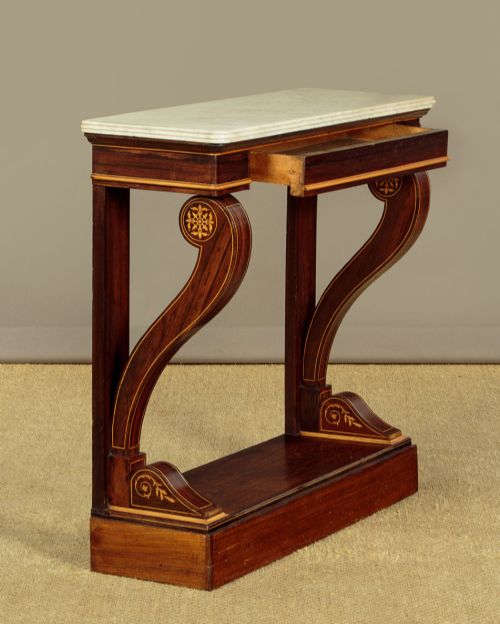
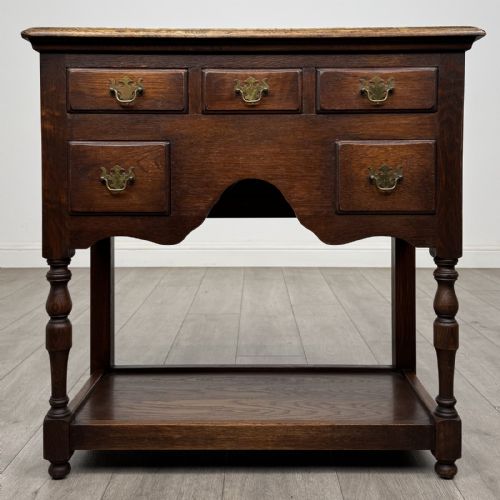


Small Console Table
A small console table brings architectural grace and surface utility to narrow hallways, sitting rooms and landings.
Small Console Table
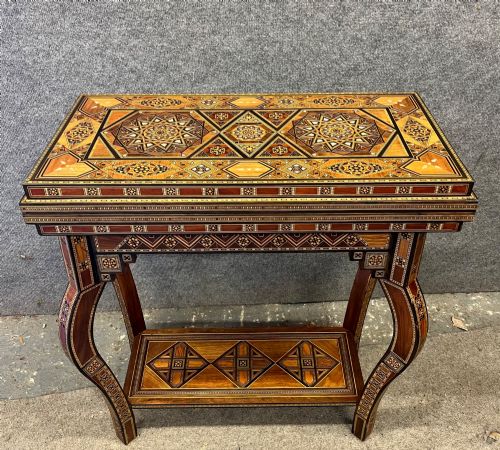
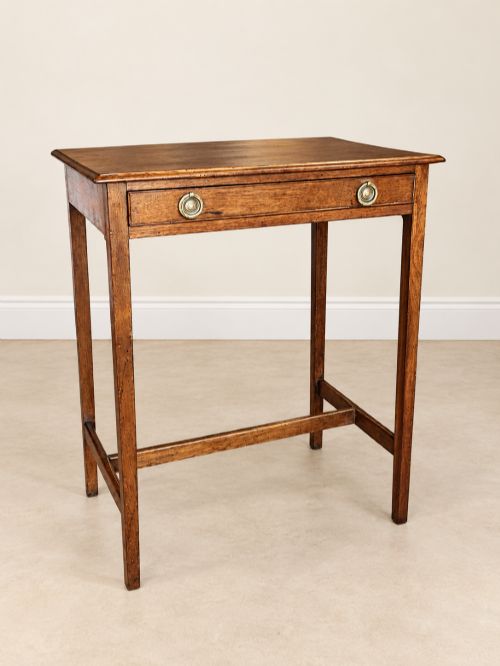
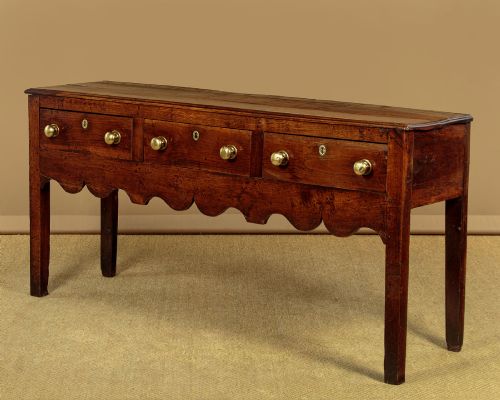
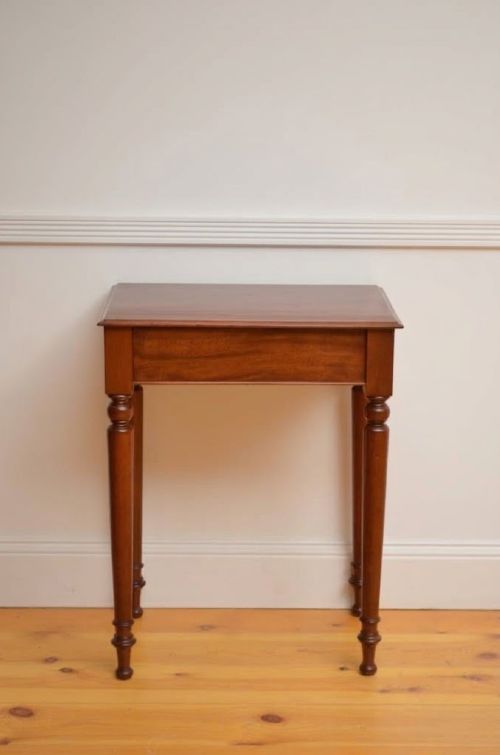
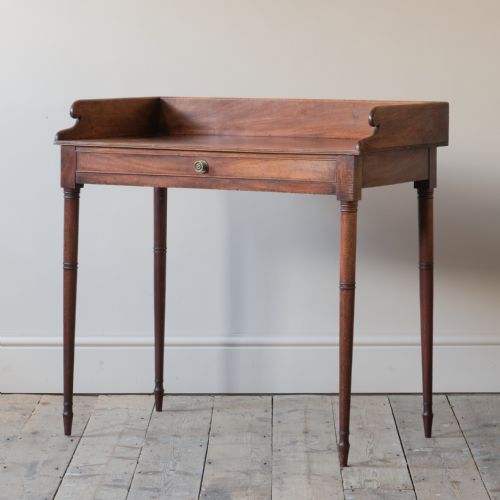
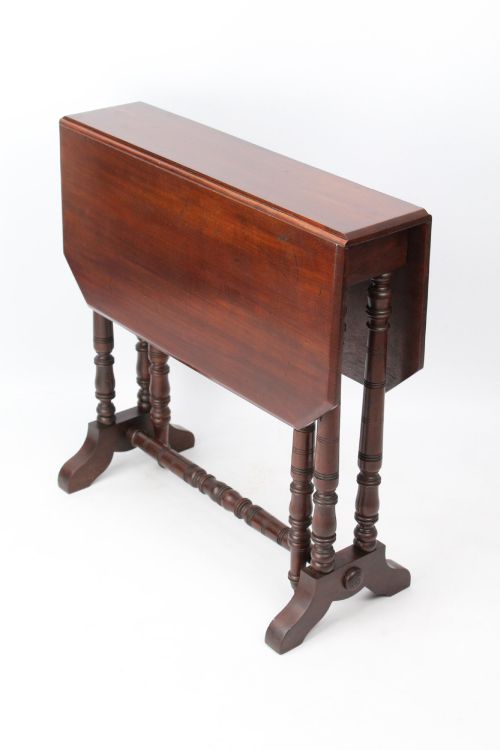
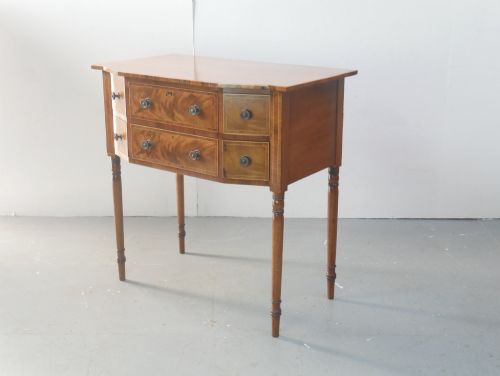
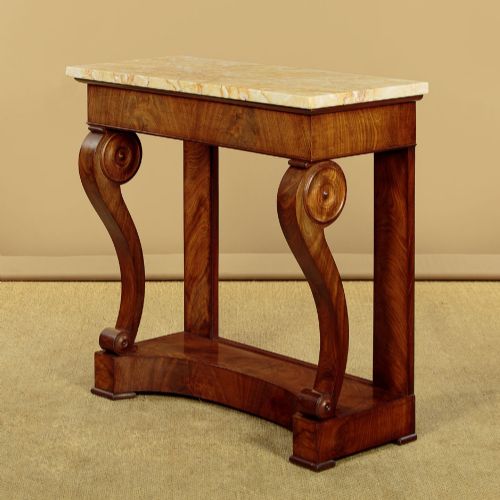
A small console table is a compact surface designed to sit flat against a wall, frequently appearing in forms like side tables, lowboys, and demine-lune shapes across this selection. These pieces serve utilitarian and decorative purposes in entrance halls and reception rooms, spanning Georgian, Victorian, Edwardian, and later periods.
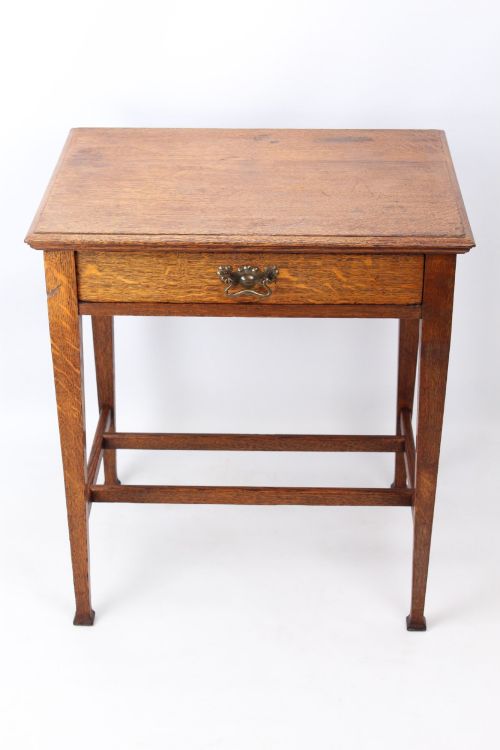
The version most commonly met on this page is the mahogany or oak side table with a narrow footprint, often featuring a single drawer or a marble top. They bridge the gap between heavy case furniture and open space, providing a neat platform for lamps or ornaments without crowding a room.
Materials and construction methods
Cabinet makers utilised dense hardwoods like mahogany, walnut, and oak to build these tables, frequently employing figured veneers to add visual depth to flat surfaces. Structural joints relied on traditional joinery techniques, ensuring stability despite the slender proportions typical of console and side furniture.
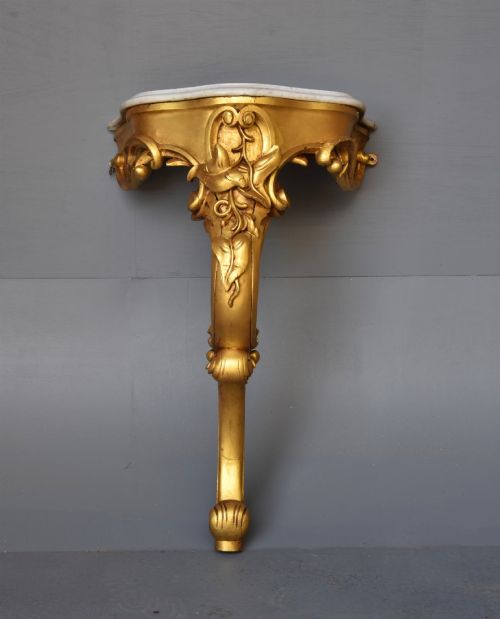
Surface adornment often involved contrasting inlays, satinwood banding, or marquetry, particularly on Georgian and Edwardian examples. High-status pieces incorporated heavy white marble slabs inset into wooden frames, paired occasionally with gilded gesso woodwork or brass fittings.
Markers of distinction and craftsmanship
Quality reveals itself in the selection of timber and the precision of the underlying construction, such as the use of solid oak drawer linings and hand-cut dovetailing. Superior examples maintain narrow, balanced proportions that prevent the piece from feeling heavy or awkward in a small space.
The crispness of carved details, the integrity of the original marble slab, and the subtlety of wood figure separate standard utility tables from finer cabinet-maker commissions. Finer pieces retain original hardware and patination that reflect decades of careful maintenance.
Druce and Co
The Small Console Table Glossary
- Console table
- A table designed to stand against a wall, historically supported by brackets or legs, and used for display.
- Lowboy
- A small eighteenth-century dressing table or side table featuring one or more rows of drawers beneath the top.
- Demi-lune
- A half-moon shape commonly utilised for tabletops and side tables during the Georgian period.
- Satinwood
- A lustrous, yellowish timber often used for marquetry, banding, and inlay work on fine period furniture.
- Gesso
- A plaster-based mixture applied to wood surfaces as a smooth base for subsequent gilding or painting.
Small Console Table: Frequently Asked Questions
Where should I place a small console table?
These tables suit narrow circulation spaces such as hallways, landings, and entrance passages where deep furniture obstructs movement. Their compact depth allows them to sit flat against perimeter walls without dominating the room.
They also function effectively beneath mirrors in reception rooms or as compact writing surfaces in studies. The narrow proportions ensure they provide surface utility without cluttering the floor plan.
How do I care for a marble top?
Marble surfaces require protection from acidic substances like citrus, wine, and vinegar, which can etch the polished stone. Wipe spills promptly with a damp cloth and mild soap.
Avoid abrasive cleaners or scouring pads that dull the historical polish. Regular dusting and occasional gentle waxing maintain the smooth finish of the stone.
What is the difference between a console and a side table?
Console tables traditionally anchor to the wall or feature shaped legs designed to be viewed primarily from the front. Side tables are freestanding units finished on all sides and can float more flexibly within a room.
In modern usage, the terms often overlap, but console tables generally maintain a shallower depth suited specifically for perimeters. Both forms appear frequently in oak and mahogany across eighteenth and nineteenth-century designs.
How do I date an oak table?
Dating oak furniture involves examining the construction marks, timber grain, and hardware fixings visible on the piece. Hand-sawn timber and pegged joints generally point toward earlier eighteenth-century craftsmanship.
Later Victorian and Edwardian revivals often utilise machine-cut elements and standardised screw fixings. Comparing the patination and secondary woods inside the drawers provides further clues to the exact era.