

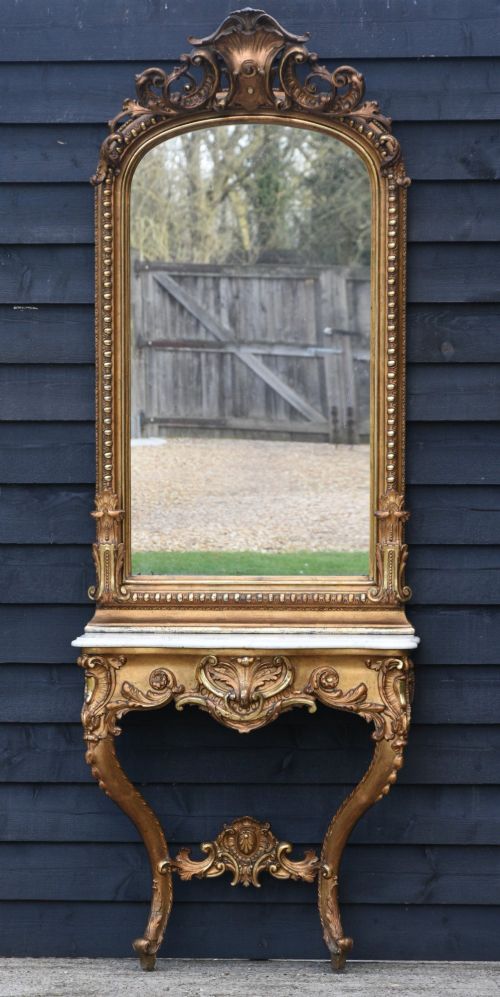
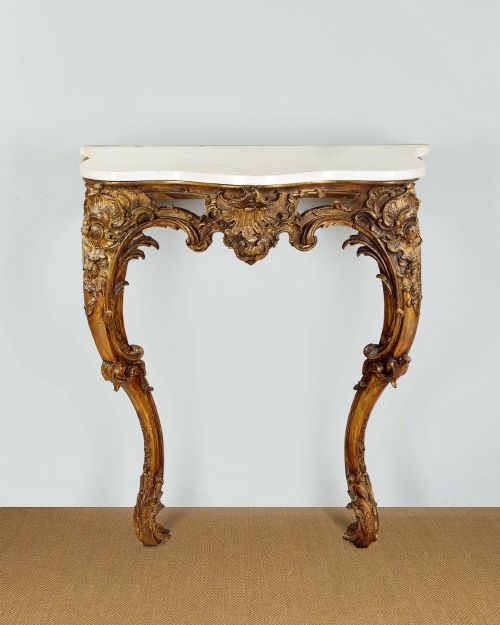
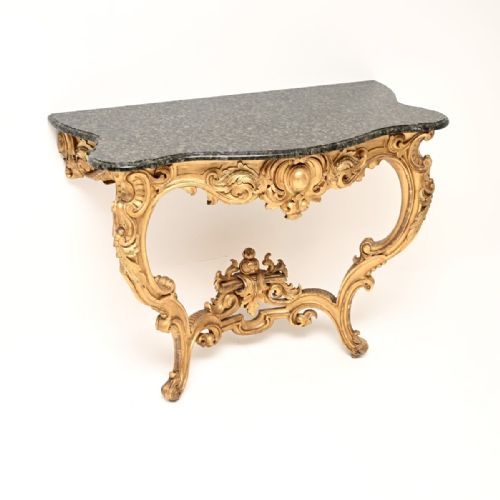
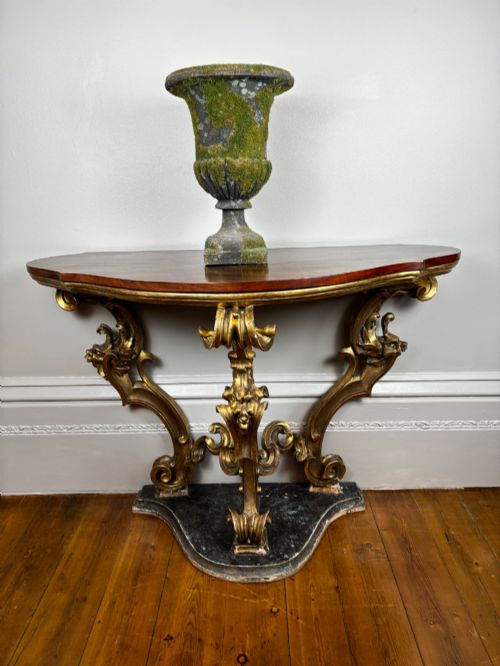
Carved Giltwood Pier Table
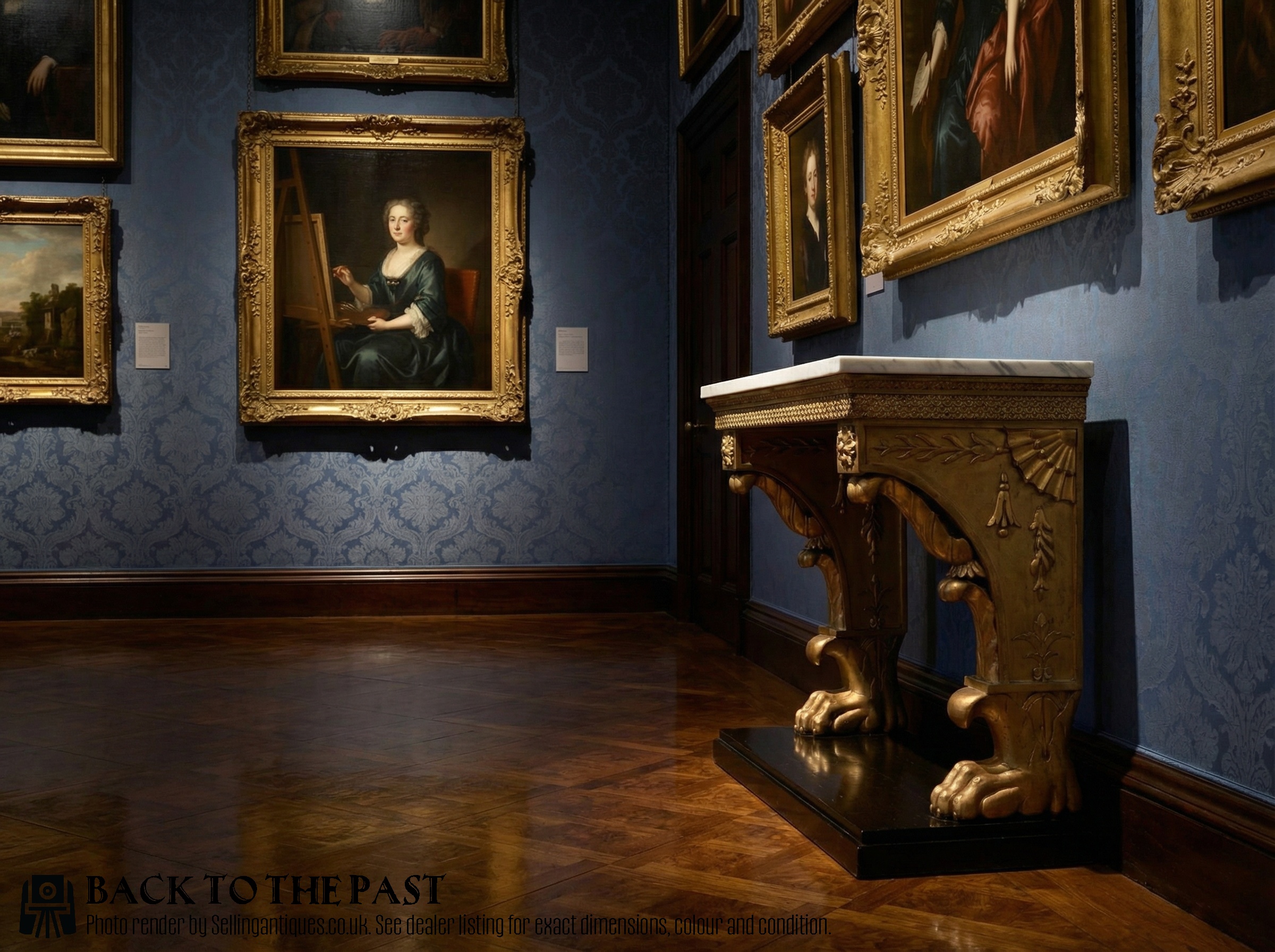
A carved giltwood pier table brings classical grandeur to a room, offering a dramatic focal point designed to sit flat against a wall.
Carved Giltwood Pier Table
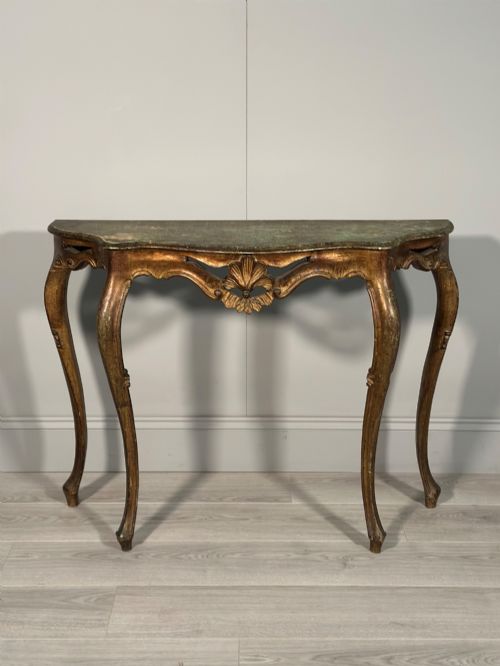
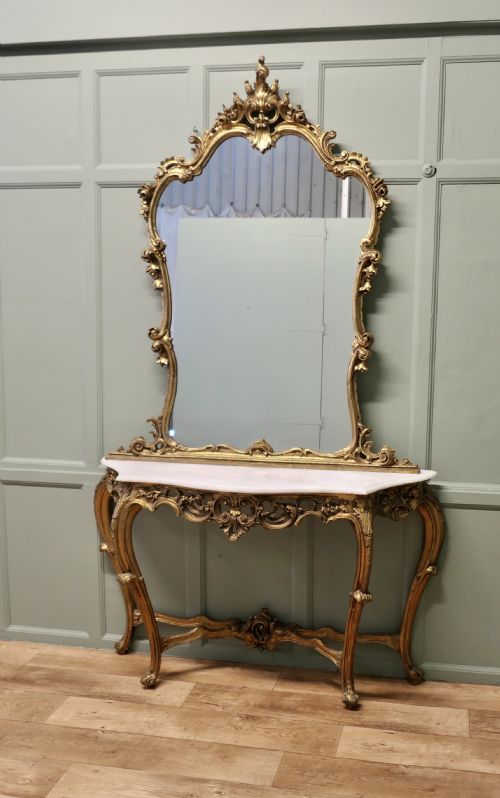
A carved giltwood pier table is a formal side or console table designed to fit between windows beneath a pier glass mirror. These pieces emerge from the 18th century and extend through the 19th century into the early 20th century.
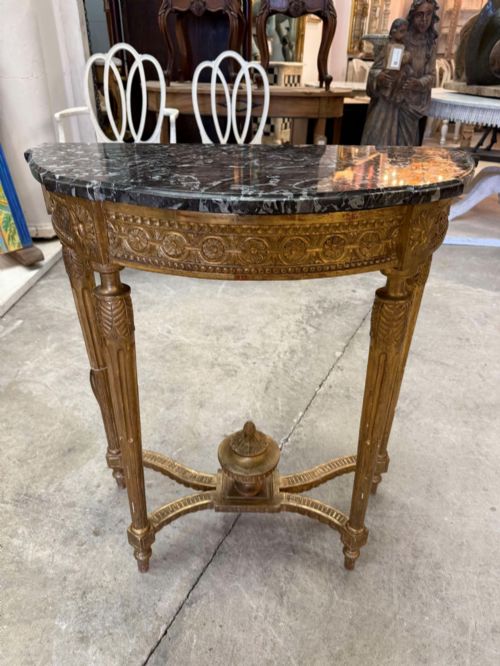
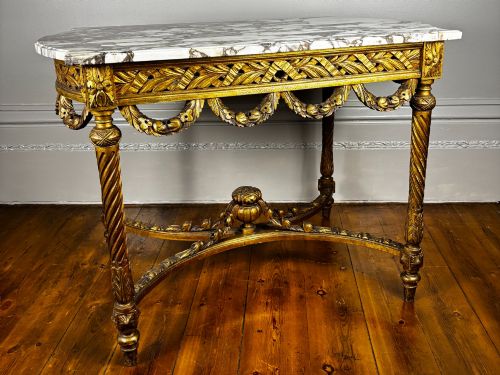
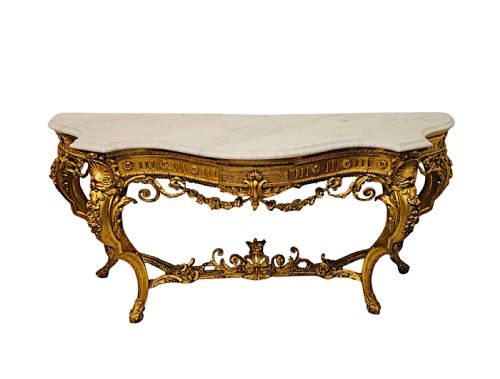
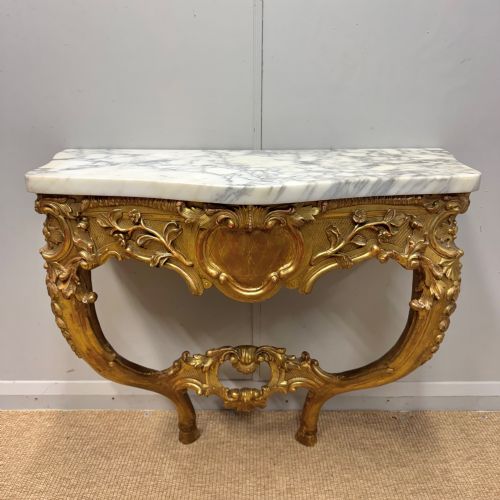
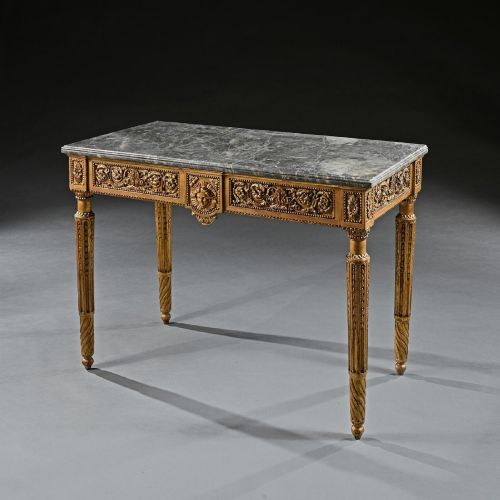
The versions most commonly met on this page include French and Italian examples from the 18th and 19th centuries, alongside later Revival pieces. They frequently feature heavy marble tops in white Carrara, breccia, or sienna, supported by elaborately carved wooden frames.
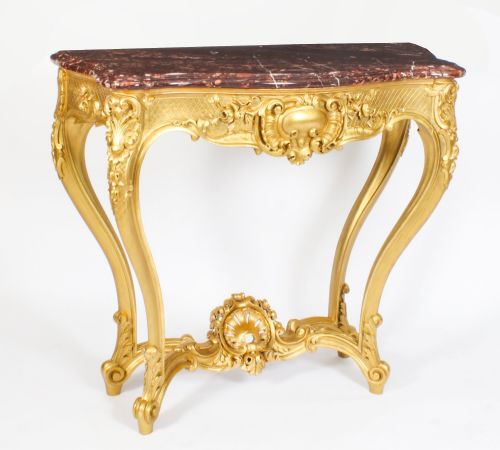
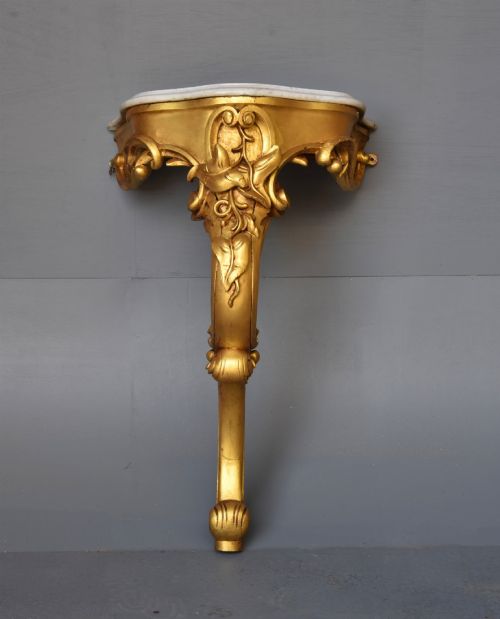
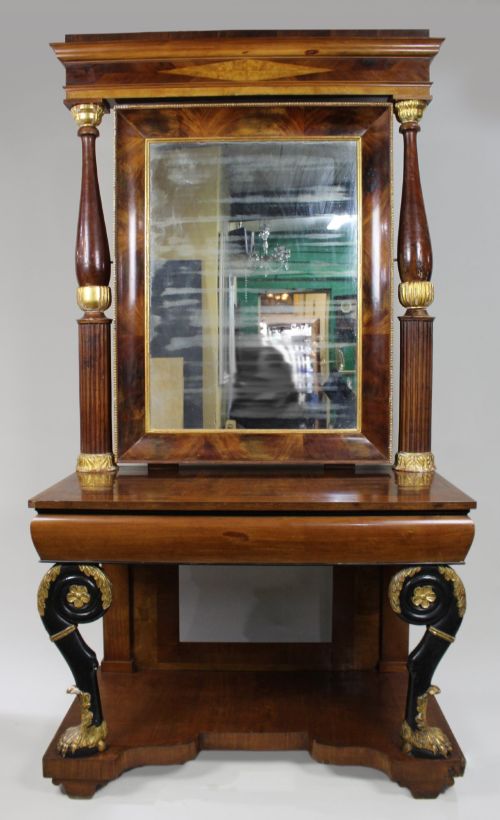
Forms range from serpentine-front console tables and demi-lune shapes to grand console table and mirror sets. Many examples display regional characteristics such as French Rococo curves or Italian neoclassical restraint.
How they were made
Makers fashioned the structural frames from carved wood, applying layers of gesso to smooth the surface before gilding. Gold leaf or paint finishes were then carefully laid over the prepared wooden base to create a rich metallic sheen.
Heavy marble slabs were cut and polished to form the tops, resting directly upon the carved giltwood bases. These stone surfaces often included figured varieties like breche d'alep or rouge marble, selected to contrast with the gilded woodwork.
Carved Giltwood Pier Table Retail Price Guide 2026
Typical asking prices for carved giltwood pier table among the pieces listed under this phrase on Sellingantiques today, from the lower quarter to the upper quarter. They describe what is for sale here now, not the wider market.
Several tables feature robust lion's paw supports, standing ready to hold heavy marble.
What varies in quality
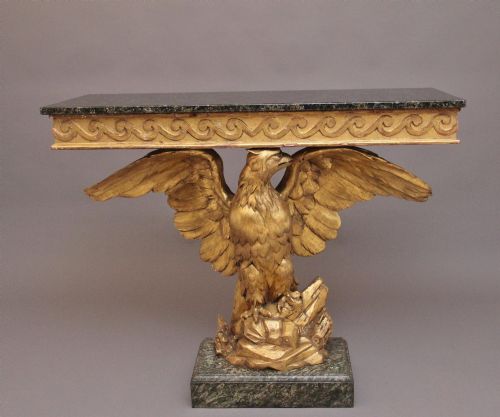
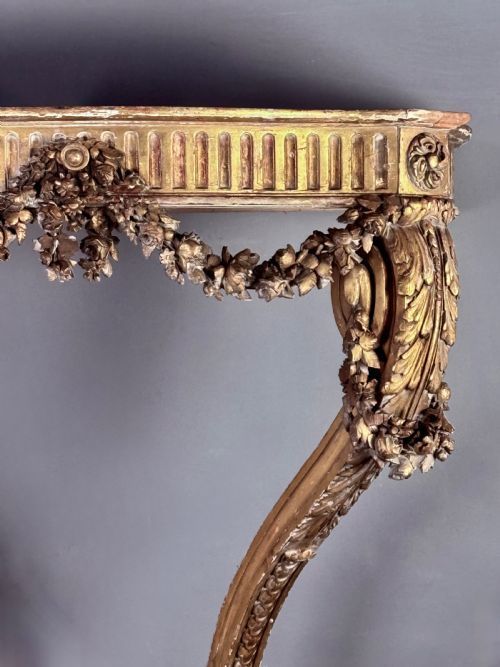
The depth and crispness of the wood carving distinguish finer examples from simpler workshop productions. Pier tables with deeply undercut foliage, scrolls, and figural supports demonstrate a higher level of artisan skill than flat or moulded decoration.
The quality of the gilding and the selection of the marble top significantly influence the standing of the piece. Tables retaining original gold leaf applied over well-prepared gesso hold greater presence than those with later repainting or inferior surface treatments.
Felix-Alfred Ternisien
The Carved Giltwood Pier Table Glossary
- Giltwood
- Wood that has been coated with gold leaf over a prepared gesso ground. This technique creates a luminous, reflective surface characteristic of formal antique furniture.
- Pier table
- A table specifically designed to stand against a wall pier, often positioned underneath a matching mirror. These tables are typically shallow and heavily ornamented.
- Gesso
- A plaster mixture applied to wood surfaces as a smooth base for gilding or painting. It allows carvers to achieve sharp detail before applying gold leaf.
- Breccia marble
- A type of marble composed of angular rock fragments embedded in a fine-grained matrix. It provides colourful, highly figured surfaces on classical table tops.
- Demi-lune
- A half-moon shape used for the tops and frames of certain side tables. This profile allows the furniture to sit compactly against a flat wall.
Carved Giltwood Pier Table: Frequently Asked Questions
Where should a pier table be placed?
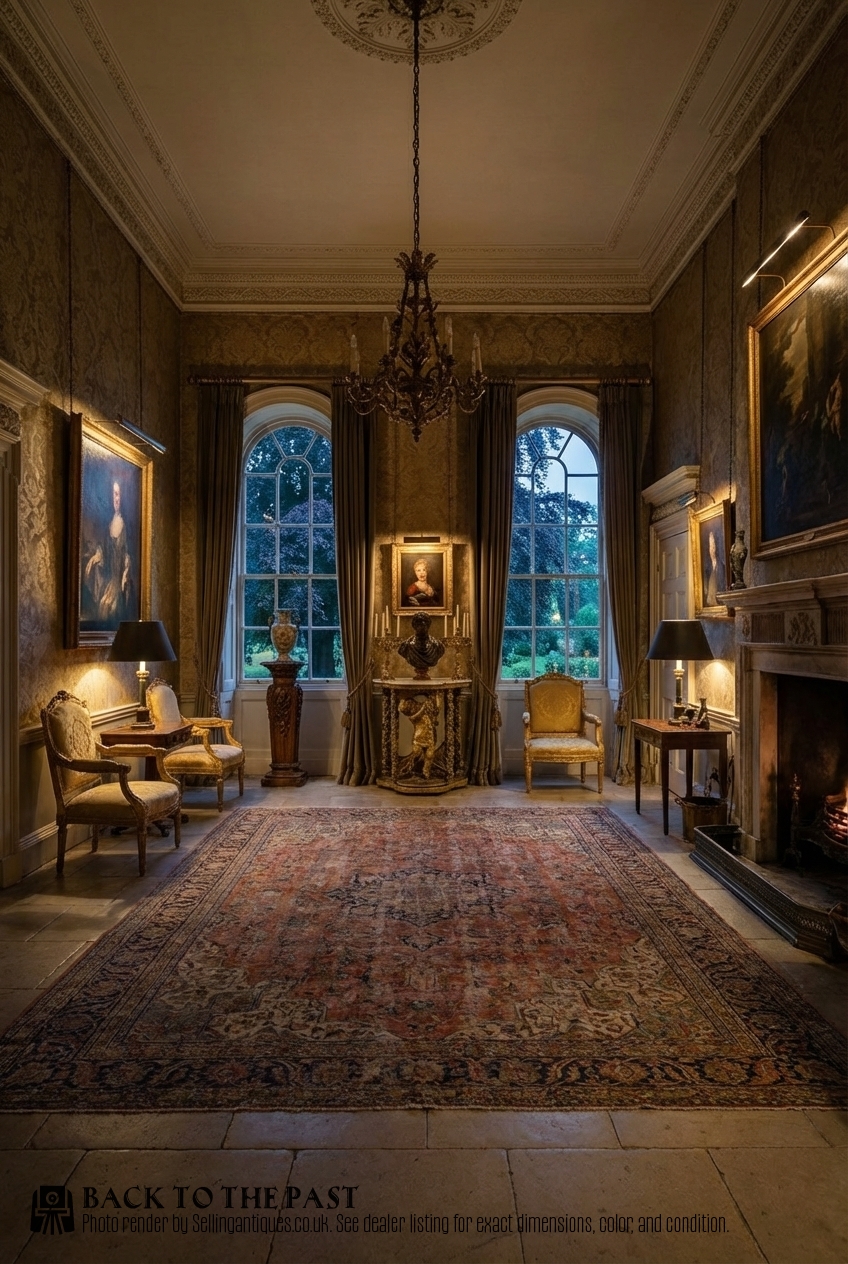
These tables are traditionally positioned against a flat wall between two windows, frequently beneath a tall pier mirror. Their shallow depth allows them to sit gracefully in hallways and drawing rooms without obstructing pathways.
Placing one in a formal reception space creates an immediate focal point, especially when paired with decorative objects displayed on the marble top.
How do I care for giltwood?
Giltwood surfaces require gentle dusting with a soft, dry cloth to prevent accumulation without disturbing the delicate gold leaf. Moisture and harsh cleaning agents must be strictly avoided as they damage the underlying gesso.
Keeping the table away from direct sunlight and excessive humidity protects the historic gilding from flaking or fading over time.
Are these tables sturdy?
Many pier tables were originally designed to rely on wall fixings for total stability, as their ornate front legs sometimes carried lighter loads. Checking the frame construction helps determine whether the table stands securely on its own.
Heavier marble tops add considerable weight that anchors the base, though larger examples still benefit from being secured to the wall for safety.
How do I identify a revival piece?
Revival pieces from the 19th or early 20th century often emulate earlier 18th-century styles like Louis XV or Baroque. Examining the tool marks, timber ageing, and construction methods reveals whether a piece is a later interpretation.
Maker attributions and specific revival characteristics help date these decorative tables accurately within the Victorian or Edwardian periods.