



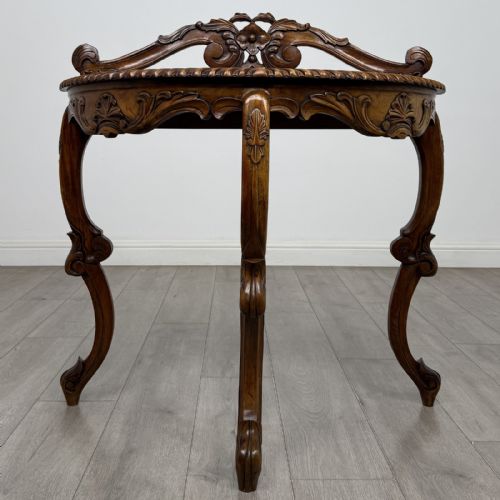
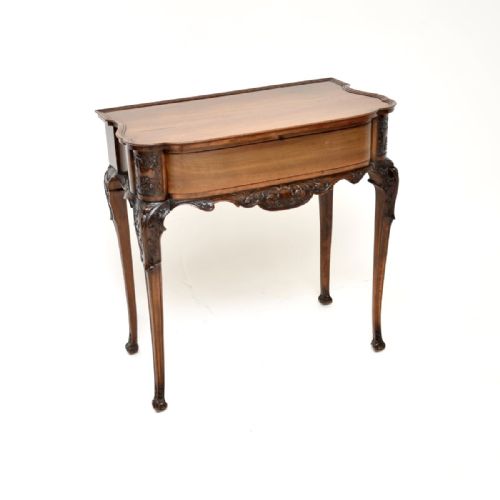
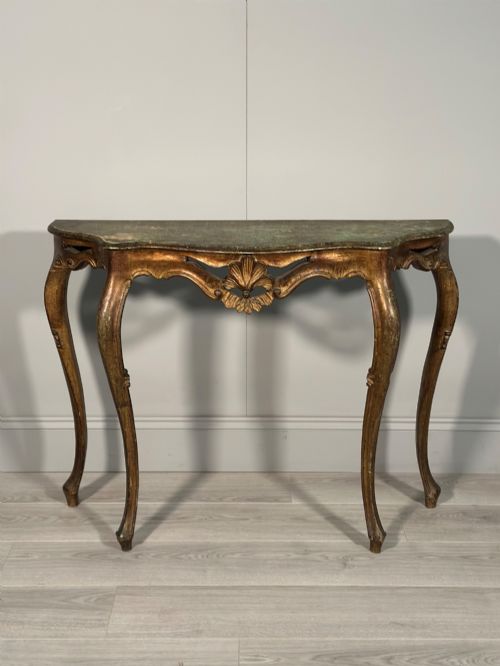
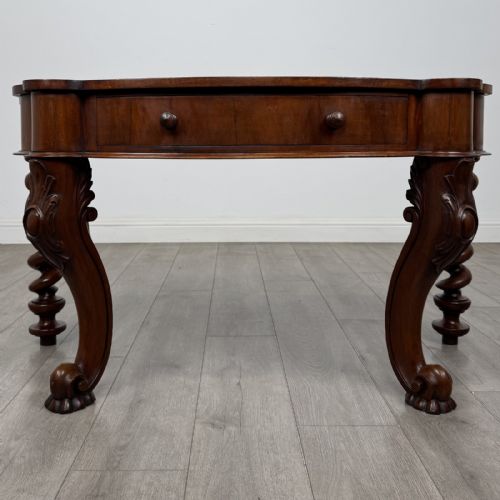
Carved Wood Wall Table
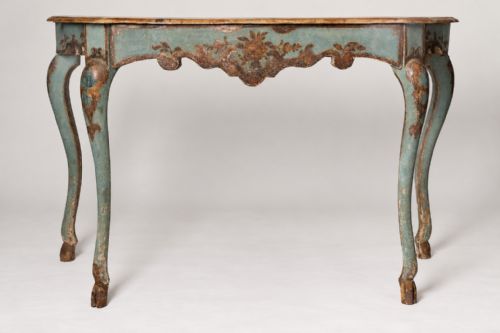
A carved wood wall table anchors a room with architectural weight, offering a surface that floats against the plaster.
Carved Wood Wall Table
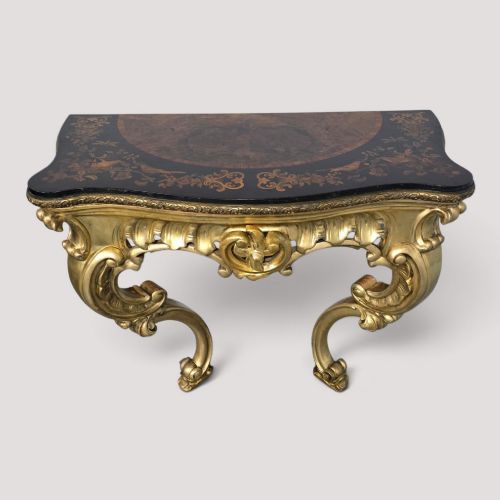
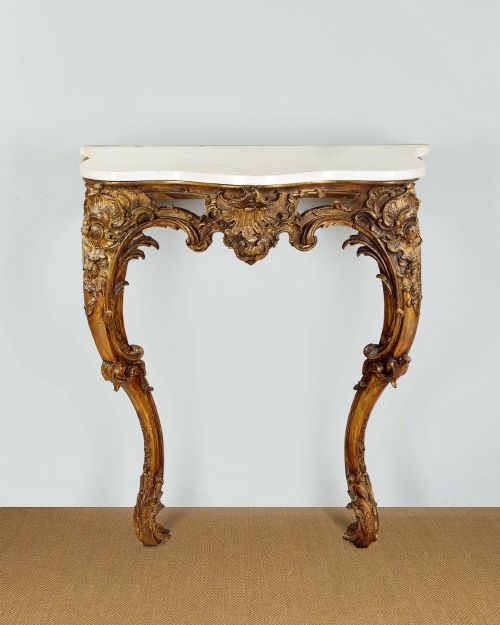
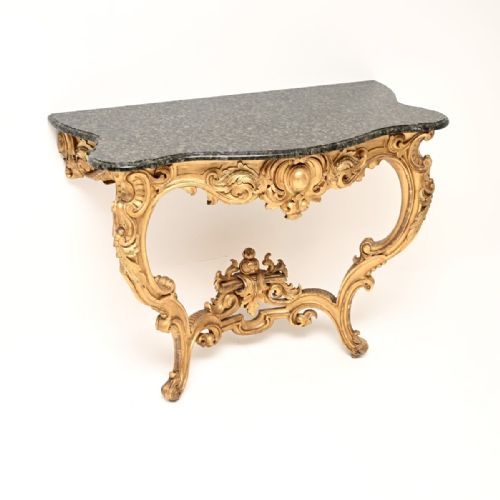
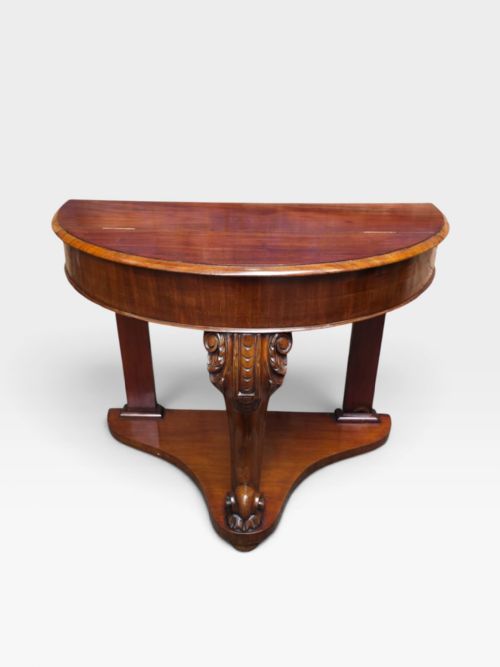
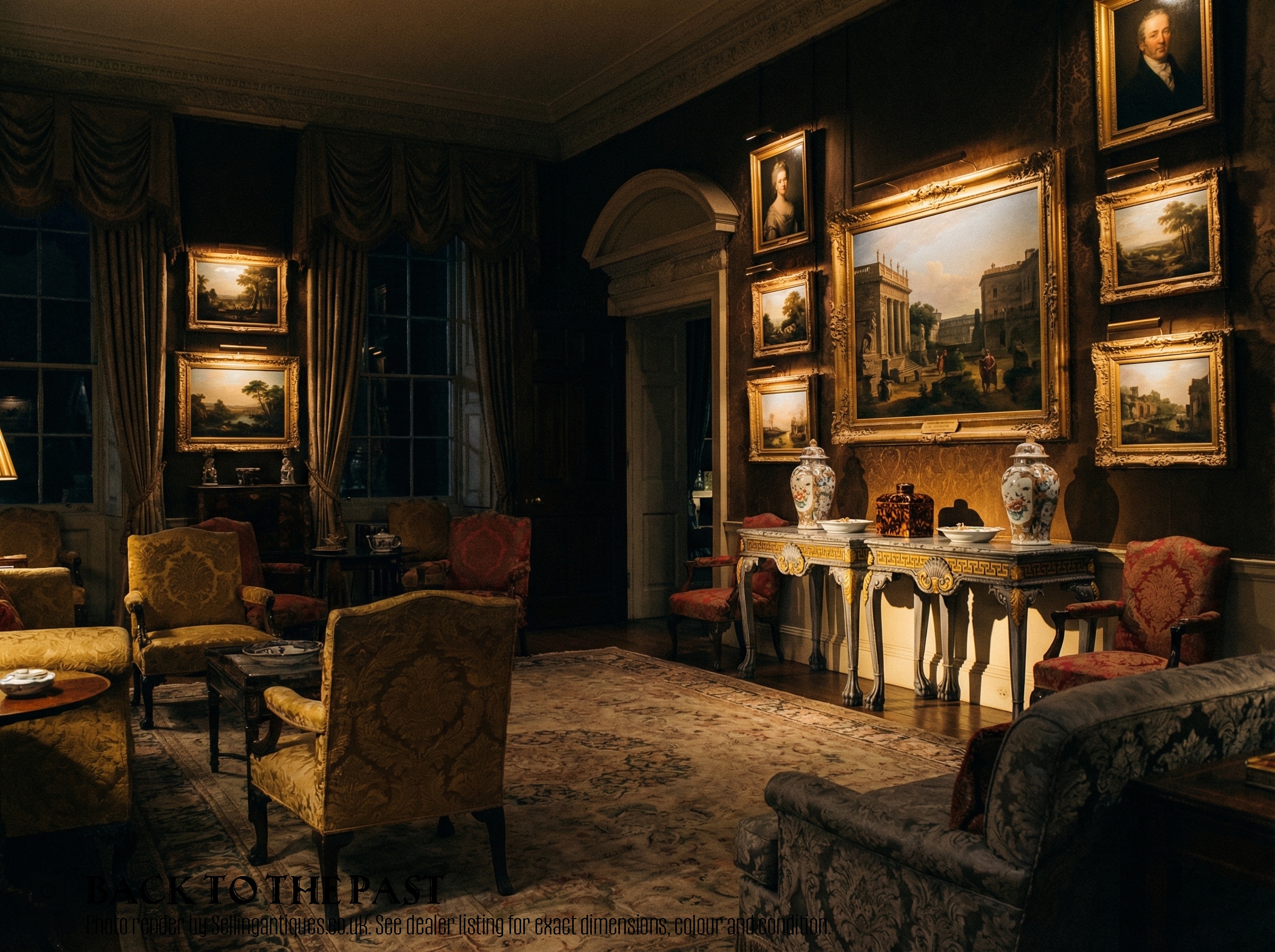
A carved wood wall table, frequently designated as a console or pier table, sits flush against a vertical surface and often relies on wall fixings or front legs for support. You will most commonly encounter nineteenth-century examples shaped by French and Italian tastes, alongside eighteenth-century specimens.
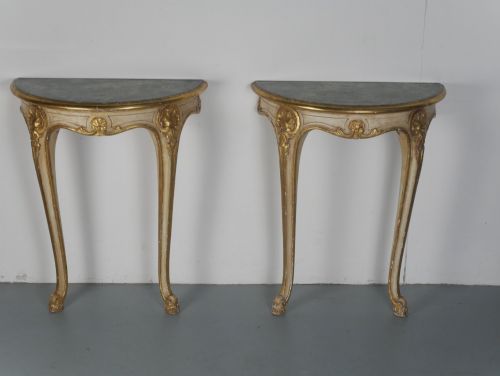
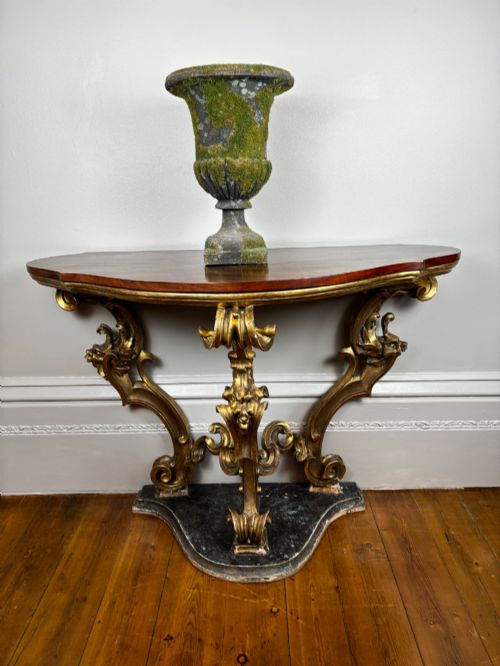
The form appears in varied iterations including serpentine fronts, demi-lune shapes, and monumental pairs designed to flank architectural elements. These tables serve primarily as decorative stages for mirrors, lamps, and objects of curiosity within formal rooms and hallways.
How they were made
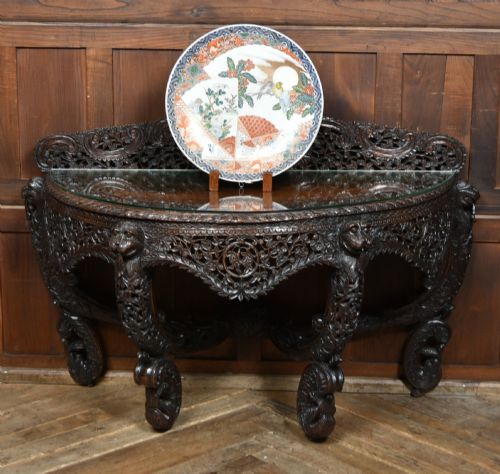
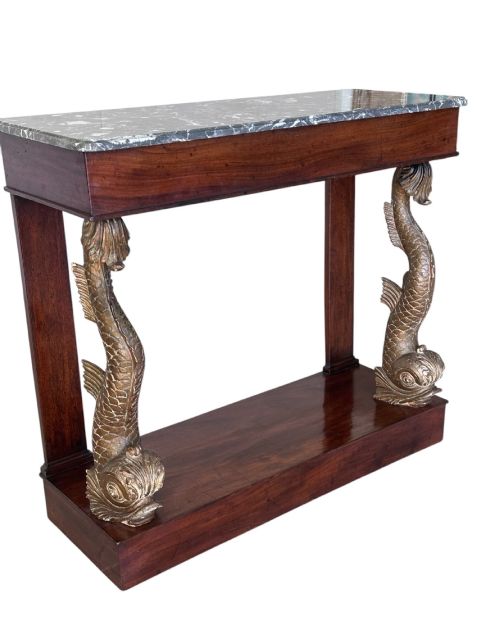
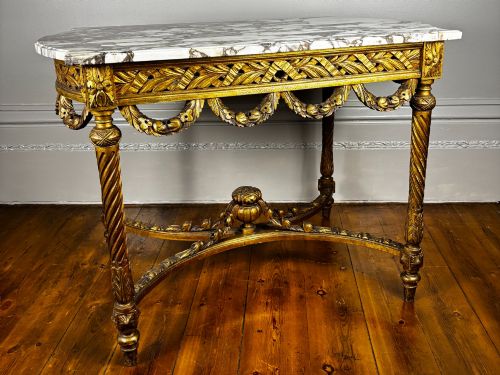
Carved wood structures form the backbone of these pieces, utilising mahogany, lime wood, and softer timbers beneath heavy applications of gesso, gold leaf, silver gilt, and paint finishes. Artisans shaped these foundations with intricate flourishes characteristic of Rococo, Neoclassical, and Baroque revivals.
Heavy stone slabs, particularly figured marbles such as breccia and breche d'alep, rest upon the timber frames to provide durable and visually striking upper surfaces. Joinery and hand-carving techniques varied by region, uniting French elegance with Italian sculptural depth.
Carved Wood Wall Table Retail Price Guide 2026
Typical asking prices for carved wood wall table among the pieces listed under this phrase on Sellingantiques today, from the lower quarter to the upper quarter. They describe what is for sale here now, not the wider market.
Twin-tailed mermaids occasionally peer from beneath the timbers.
What varies in quality
The depth, sharpness, and undercut precision of the wood carving separate masterwork pieces from routine production, dictating how lively the foliage, scrollwork, and figurative elements appear. Tables with crisp, deeply hand-carved relief demonstrate superior workshop capability compared to shallow, mechanically smoothed moulding.
Material selection dictates the upper tier of quality, seen in thick, richly figured marble slabs and the preservation of original hand-applied gilding or period paint finishes. Cohesion between the supporting console base and its original stone top preserves the integrity and historical standing of the object.
Felix-Alfred Ternisien
The Carved Wood Wall Table Glossary
- Console table
- A table designed to be fixed against a wall, traditionally supported by front legs while secured to the masonry behind. These pieces frequently accompany matching wall mirrors.
- Giltwood
- Timber coated with a thin layer of gold leaf over a prepared gesso ground. This treatment creates a luminous metallic surface common on eighteenth and nineteenth-century frames.
- Serpentine
- A furniture front curved in a wave-like manner, bending outward in the centre and inward at the sides. This contour requires precise carpentry and shaping.
- Breccia
- A composite marble made of angular rock fragments embedded in a fine-grained matrix. It yields a variegated, multicoloured surface prized for tabletop use.
- Gesso
- A plaster mixture applied to wood surfaces as a smooth base for gilding and paint. It permits intricate, sharp relief moulding before finishing.
Carved Wood Wall Table: Frequently Asked Questions
Do wall tables need to be fixed to the wall?
Many console tables are top-heavy, particularly those carrying thick marble slabs, and require physical attachment to the wall for stability. Wall-mounted variants rely entirely on this structural support to remain upright.
Securing the frame prevents tipping and ensures the piece safely bears the weight of objects displayed upon its surface.
How do I identify a French console from an Italian one?
French tables often display refined serpentine curves and restrained Rococo or Neoclassical motifs. Italian examples frequently exhibit more monumental proportions, dramatic gilding, and sculptural supports like lion's paws.
Examining the underlying timber and the character of the gesso work also reveals regional workshop practices.
Where should I place a console table?
These tables find natural homes in entrance halls, formal reception rooms, and dining spaces where floor space is at a premium. Positioning them beneath a matching wall mirror creates a balanced architectural focal point.
Ensure the height of the table complements surrounding furniture and allows unobstructed passage through the room.
How do I care for antique giltwood?
Giltwood surfaces require gentle dusting with a soft, dry ostrich feather brush to remove particulates without disturbing the delicate gold leaf. Avoid liquid cleaners, moisture, and abrasive cloths entirely.
Keep the tables away from direct sunlight and strong heat sources to prevent the underlying gesso from cracking or lifting.