

Italian Furniture
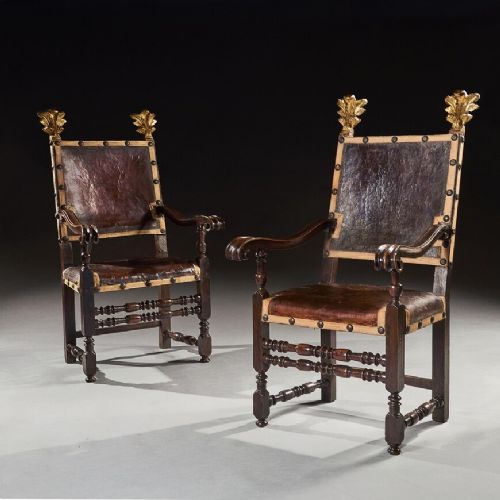
Italian antique furniture brings walnut consoles and carved mahogany armchairs into a room, offering centuries of regional craftsmanship.
What Italian Antique Furniture Is
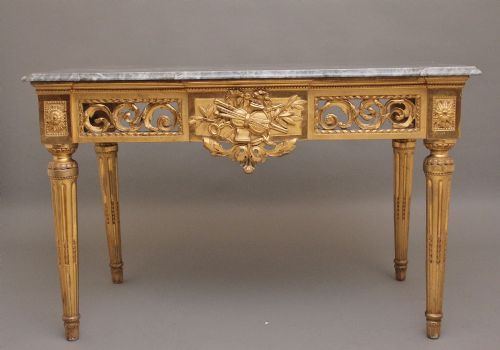
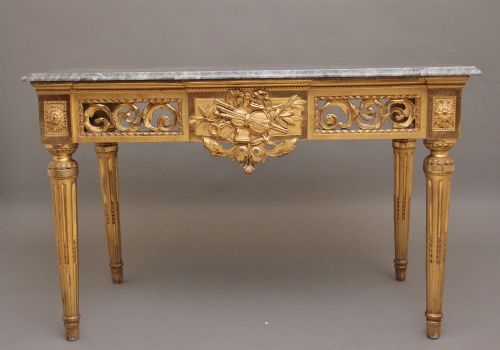
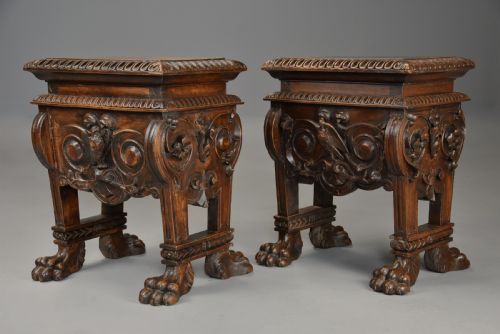
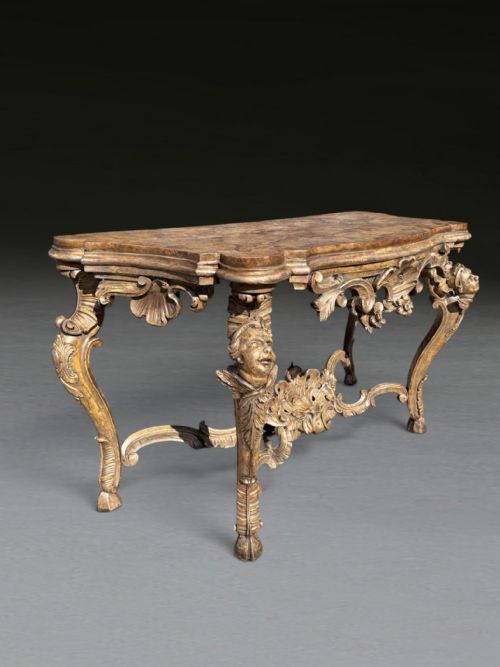
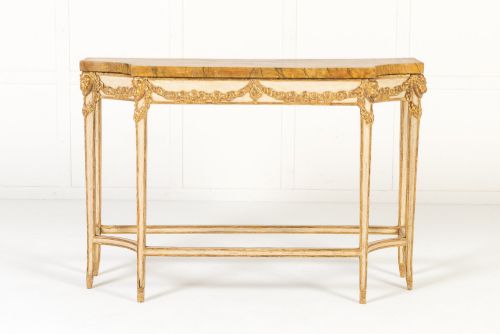
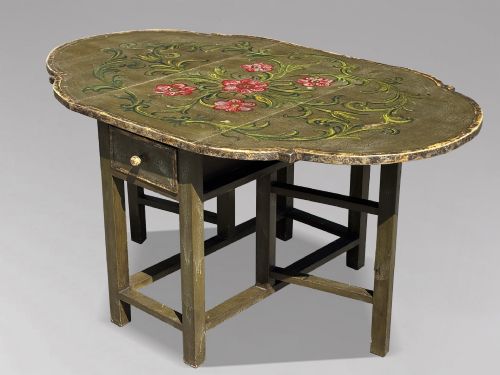
These pieces encompass console tables, chests of drawers, sideboards, desks, and salon armchairs originating from Italy. The items span the eighteenth and nineteenth centuries, capturing periods from Italian Neoclassical and Rococo to Grand Regency and provincial designs.
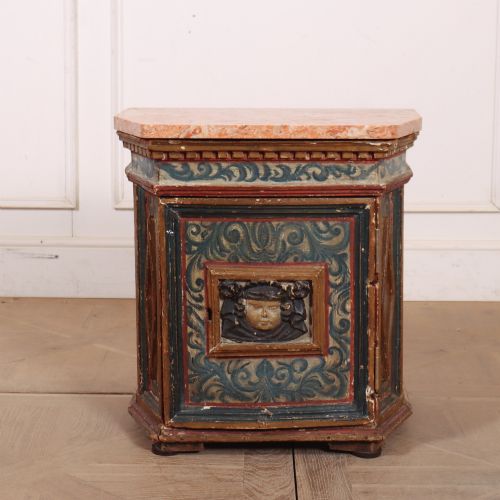
Visitors to this selection most frequently encounter walnut console tables and chests of drawers from the eighteenth and nineteenth centuries. These forms reflect diverse regional aesthetics, including Northern Italian Piedmontese craftsmanship.
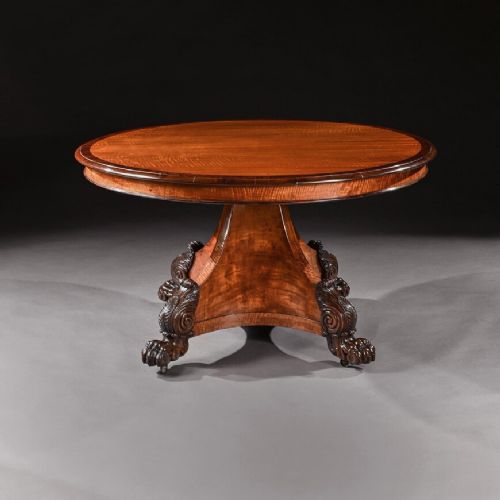
Console tables and sideboards provide functional surface areas whilst showcasing rich timber grains and decorative mounts. Desks and armchairs demonstrate the structural ambition and seating comfort valued in historic Italian interiors.
How They Were Made
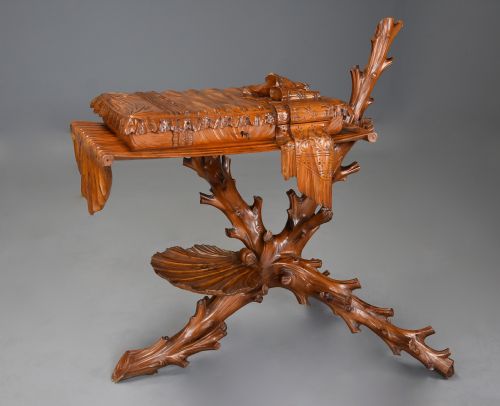
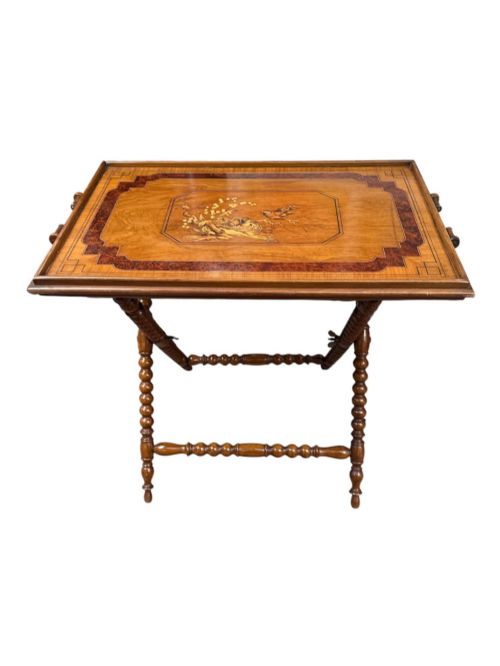
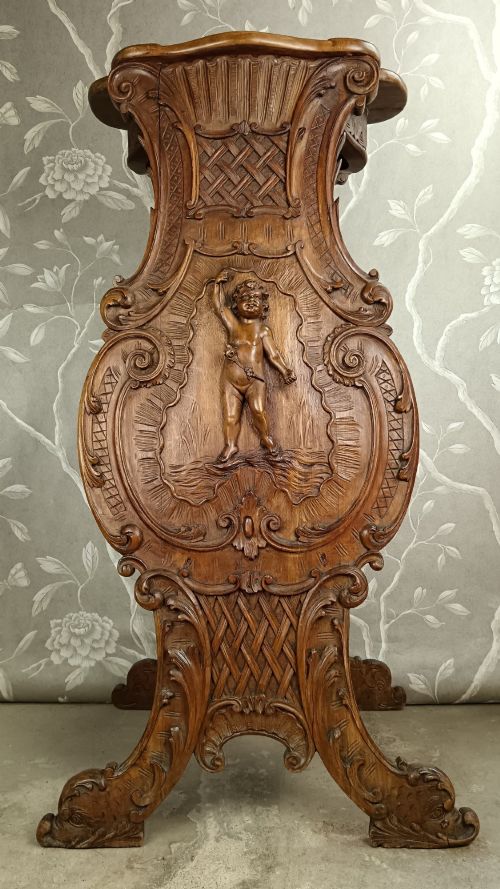
Carpenters utilised primary timbers such as walnut and mahogany, shaping structural frames and drawer carcases with traditional joinery. Artisans applied intricate inlay work to enhance surface decoration on tables and storage pieces.
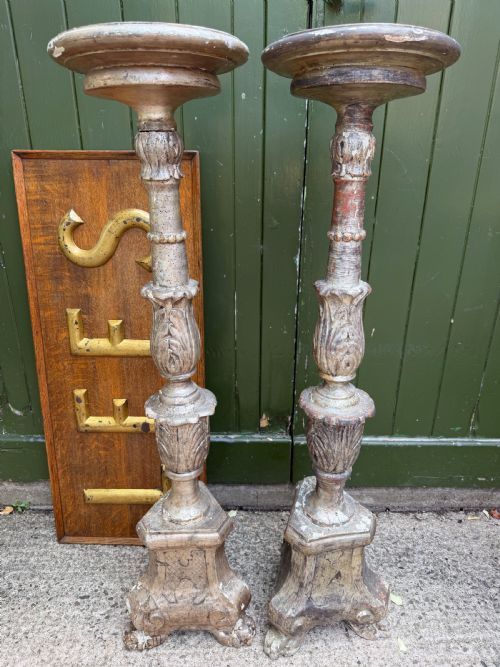
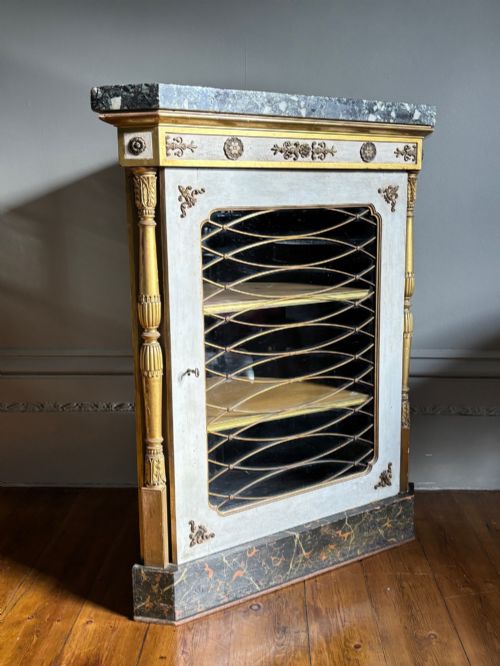
Giltwood, ormolu, and brass elements appear as decorative mounts and carved highlights, contrasting with dark timber surfaces. Marble tops provide durable and elegant finishes to console tables and chests.
Upholstery fabric completes salon armchairs, complementing carved mahogany frames. Surface carving defines stylistic details across Rococo, Neoclassical, and provincial pieces.
Retail Price Guide 2026
Typical UK retail prices for italian furniture, calculated from the Sellingantiques database of over a million retail prices indexed since 2003. This retail price guide relies exclusively on Sellingantiques data; no external sources or auction records are used, so the figures do not describe the wider market.
Materials recorded across the inventory include walnut, mahogany, marble, ormolu, brass, inlay, upholstery fabric, and giltwood.
What Varies in Quality
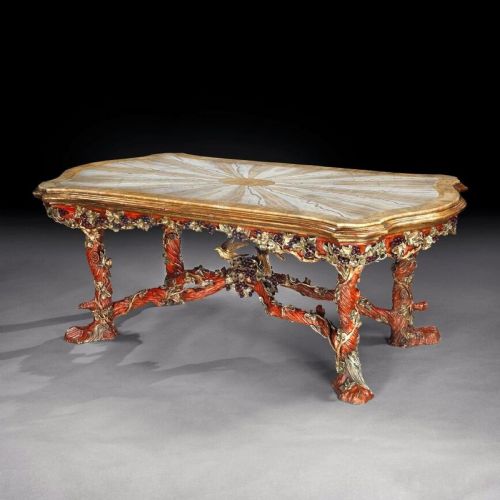
The sophistication of the carving and the precision of the inlay separate standard domestic pieces from high-status commissions. Finer items display crisply defined gesso and giltwork alongside carefully selected timber veneers.
Material integration dictates the overall distinction of a piece, particularly where marble tops, ormolu mounts, and brass details meet the wooden structure. Harmonious proportions and balanced regional styling elevate the presence of console tables and armchairs.
Henry Thomas Peters
The Italian Furniture Glossary
- Console table
- A table designed to stand against a wall, frequently featuring a marble top and carved wooden legs. These pieces often anchor formal reception rooms.
- Ormolu
- Gilded bronze used for decorative mounts and furniture embellishments. This technique adds metallic lustre to nineteenth-century designs.
- Inlay
- The insertion of contrasting materials into a wooden surface to create decorative patterns. It defines the ornamentation on many chests and desks.
- Giltwood
- Wood that has been coated with gold leaf or a gold-colored gilt preparation. It characterises the ornate surfaces of Rococo and Neoclassical frames.
Frequently Asked Questions
What is Italian antique furniture?
These items comprise historical seating, storage, and display pieces originating from Italy during the eighteenth and nineteenth centuries. They reflect distinct regional styles such as Neoclassical and Rococo.
Craftsmen utilised local timbers, marble, and gilt finishes to produce durable items for domestic and formal interiors.
How were console tables used?
Console tables served as decorative side supports placed against walls in grand reception rooms and hallways. Their marble tops provided stable surfaces for displaying ornaments.
In period interiors, these tables frequently matched mirrors or architectural mouldings above them.
What woods are common?
Walnut and mahogany appear most frequently across these historical listings, providing strong structural frames and rich grain patterns. Craftsmen selected these timbers for their durability and carving qualities.
Additional materials like giltwood and inlay enhance the visual depth of the primary woods.
How do I identify periods?
Period identification relies on observing stylistic markers such as Rococo curves, Neoclassical symmetry, and provincial restraint. Construction techniques and material choices also signal the era of production.
Comparing regional characteristics helps narrow down the approximate date of creation.