


Brown Timber Desk
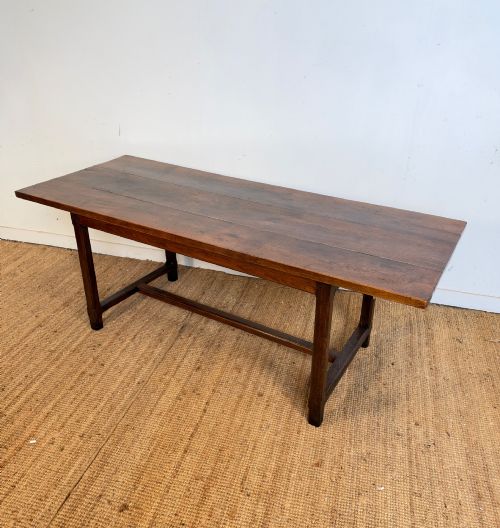
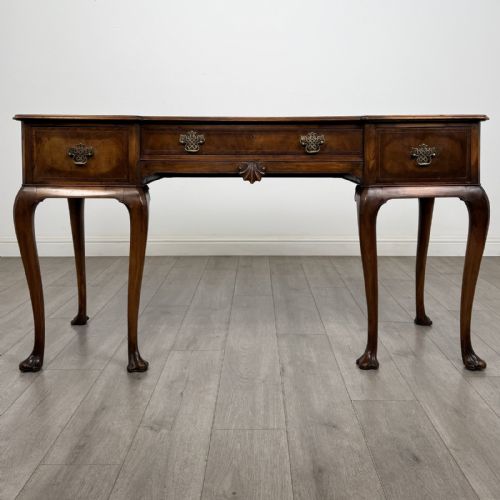
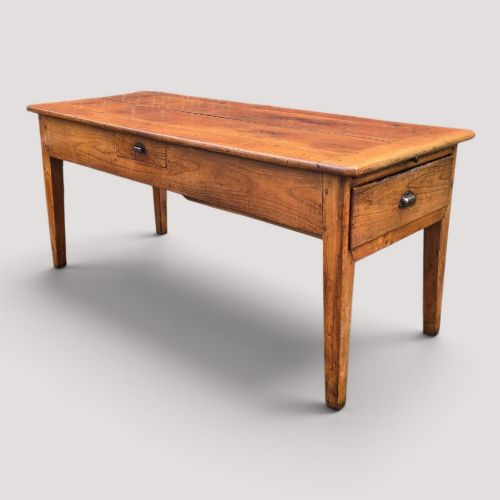
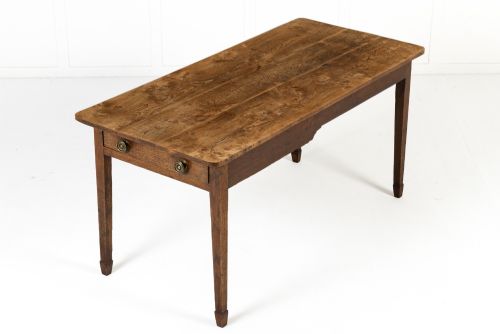
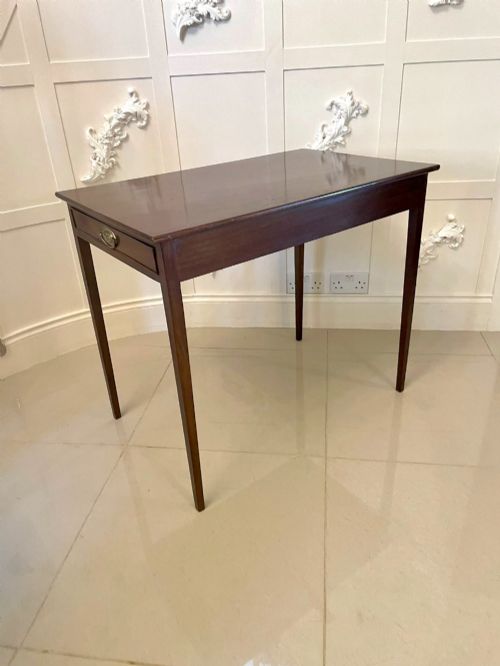
A brown timber desk brings warmth and a practical workspace into a room, offering sturdy construction and classic proportions.
Brown Timber Desk
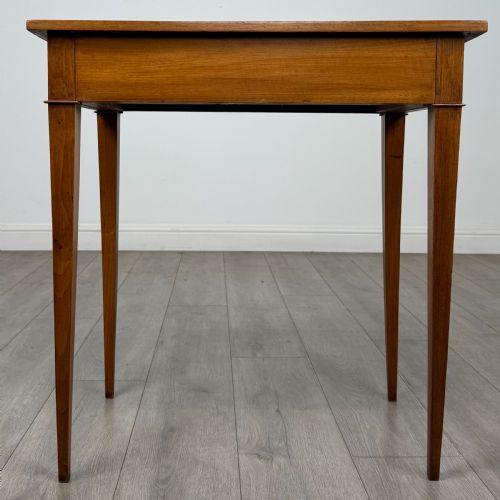
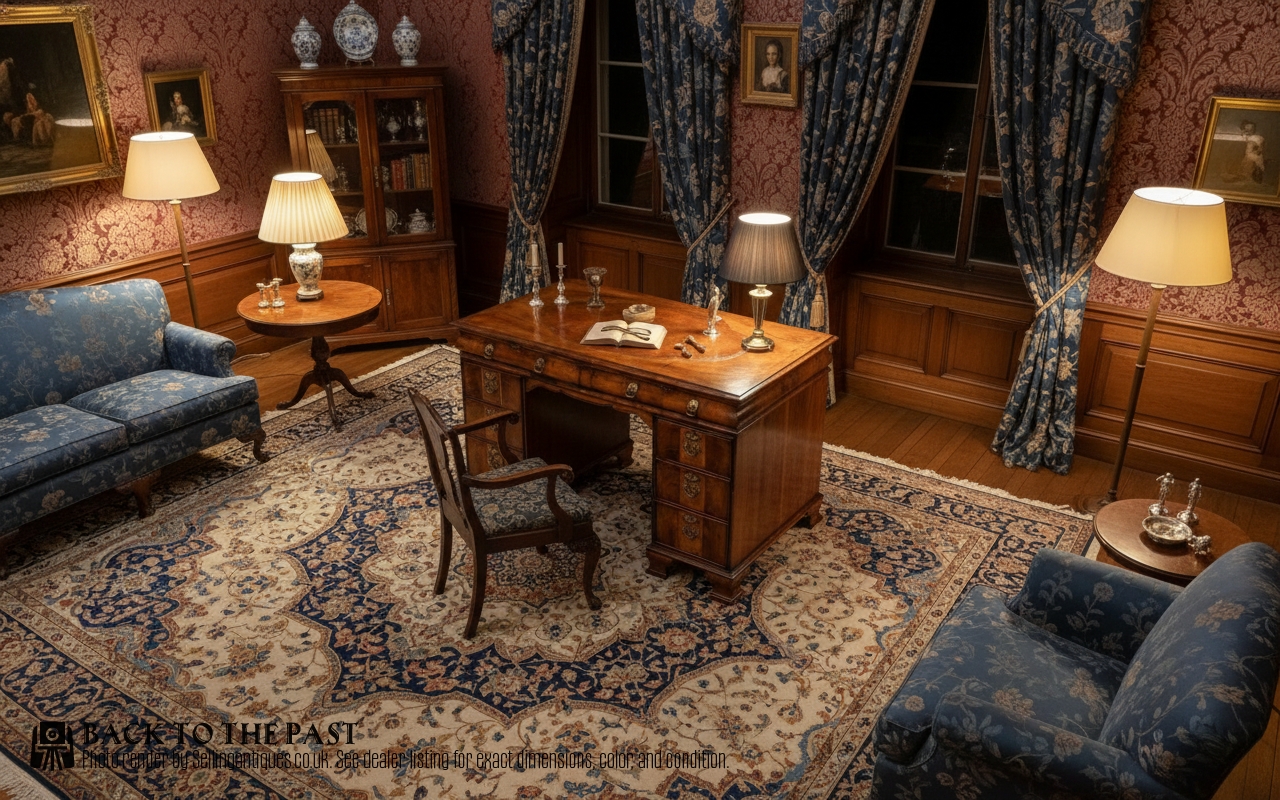
A brown timber desk provides a dedicated surface for writing and administrative tasks, often incorporating drawers for storage. These pieces appear across several periods, including the Georgian era, the nineteenth century, and the Edwardian period.
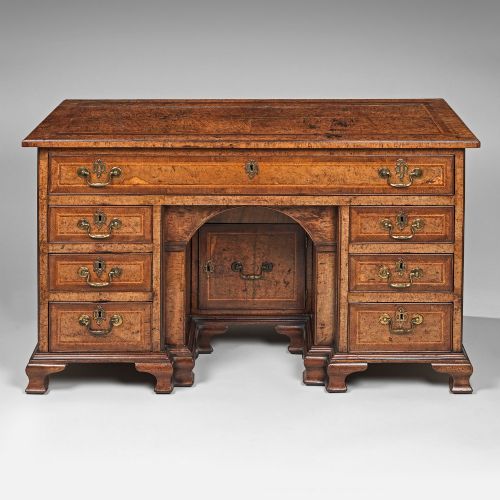
The version most commonly met on this page is constructed from mahogany, oak, or walnut, sometimes featuring a leather writing surface. Forms range from compact kneehole desks to larger pedestal campaign models and writing tables.
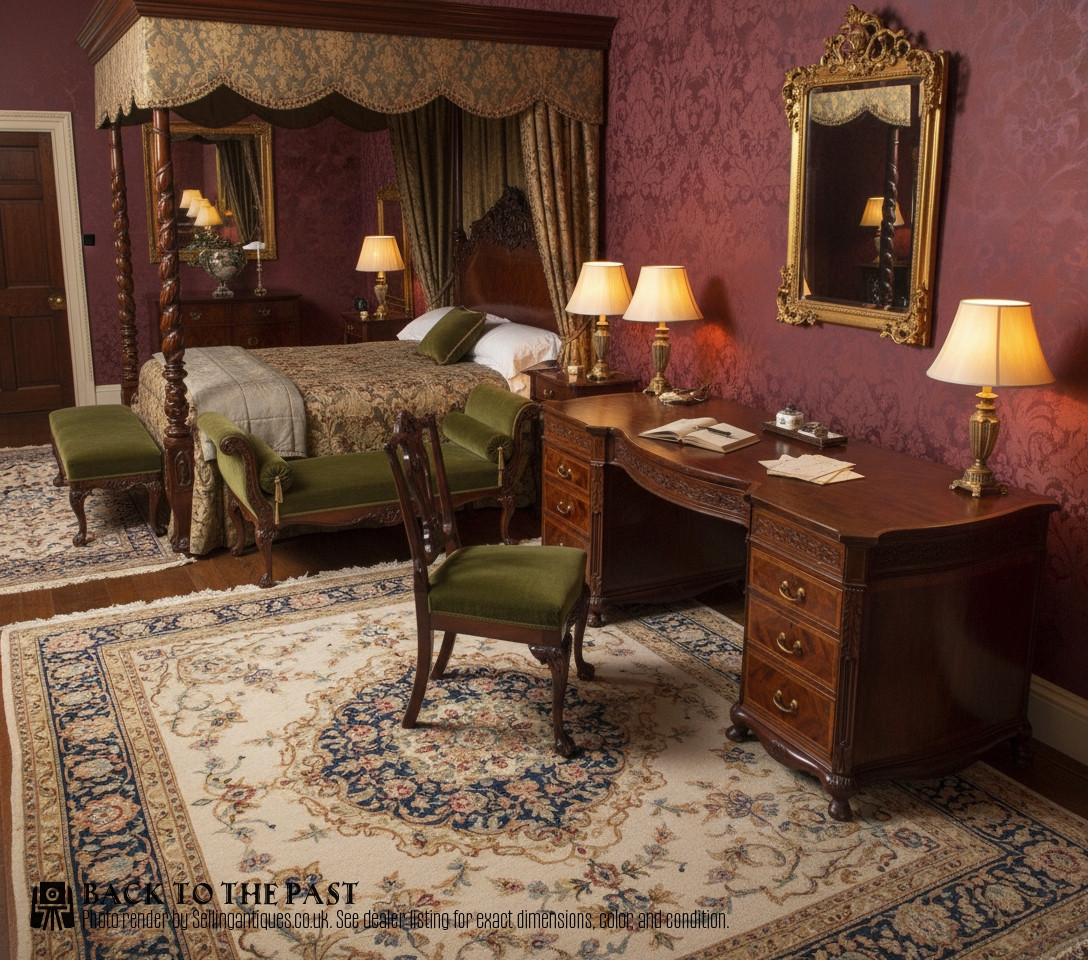
How they were made
Cabinet makers utilised solid timbers such as mahogany, oak, elm, and walnut for the primary frames and surfaces. Brass fittings, handles, and locks frequently appeared on campaign and pedestal variants.
Writing surfaces were often lined with tooled leather to provide a smooth plane for writing. Joinery techniques varied from robust dovetailing in drawers to intricate carved details on period pieces.
Brown Timber Desk Retail Price Guide 2026
Typical asking prices for brown timber desk among the pieces listed under this phrase on Sellingantiques today, from the lower quarter to the upper quarter. They describe what is for sale here now, not the wider market.
Desk drawers occasionally retain old ink stains, secret compartments, or forgotten nineteenth-century calling cards tucked behind the linings.
What varies in quality
The grade of timber and the choice of veneer significantly alter the character of a brown timber desk. Figures in walnut or mahogany display varying degrees of depth and grain definition.
Execution of hardware, such as brass drop handles and working locks with keys, marks the distinction between standard utility items and finer cabinet work.
Trollope and sons
The Brown Timber Desk Glossary
- Kneehole desk
- A writing table featuring a central recess for the user's legs, flanked by pedestals of small drawers. This form became popular during the eighteenth century.
- Campaign desk
- A modular desk designed for easy transport by military officers, typically featuring brass corners, inset handles, and sectional construction. These items often date from the nineteenth century.
- Pedestal desk
- A heavy freestanding desk comprising two stacked drawer units supporting a large top board. They offer substantial storage and a commanding presence in a room.
- Tooled leather
- Leather treated with gold leaf or blind tooling impressions around the perimeter of a desk surface. This material provides a traditional writing texture.
- Dovetail
- A joint formed by interlocking wedge-shaped fingers, used extensively in drawer construction. High-density dovetailing indicates careful manual assembly.
Brown Timber Desk: Frequently Asked Questions
What periods do these desks cover?
The selection spans multiple eras, including Georgian, nineteenth century, Victorian, and Edwardian periods. Each era brought distinct proportions and decorative treatments to the form.
Craftsmen adapted the basic desk design to suit changing domestic and professional requirements over the centuries.
How do I maintain the leather top?
Leather writing surfaces require gentle cleaning with a slightly damp cloth followed by a neutral leather cream to prevent drying. Avoid harsh chemical cleaners that can strip the gold tooling.
Keeping the surface protected from direct sunlight preserves the colour and suppleness of the hide.
How do I identify a kneehole desk?
A kneehole desk is recognised by its central recessed space beneath the desktop, flanked on both sides by vertical stacks of small drawers. This layout provides balanced storage while allowing the user to sit comfortably in the centre.
They frequently feature a long upper drawer directly beneath the writing surface.