
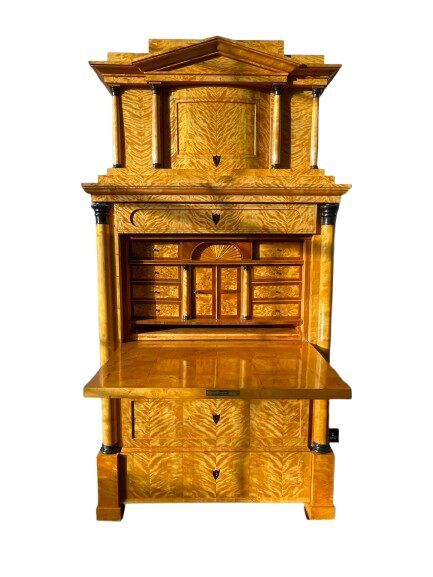
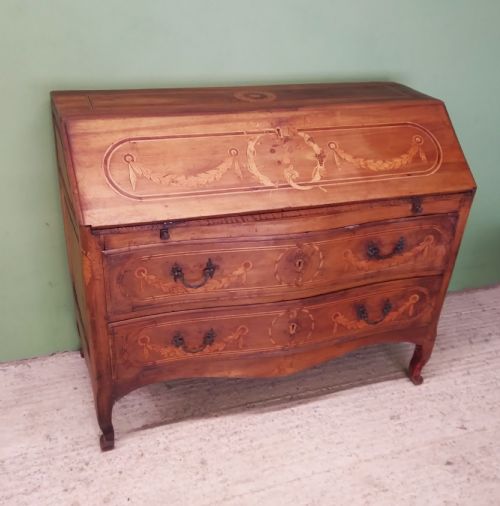

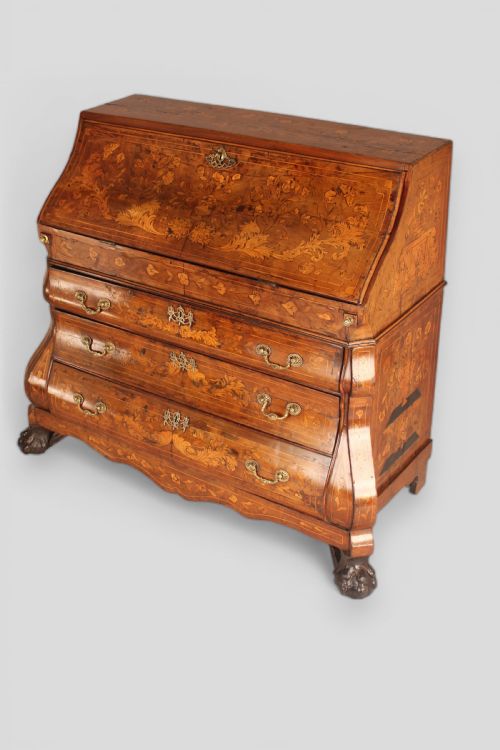


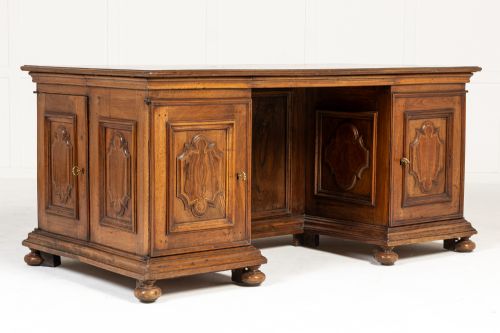

Continental Writing Desk
A continental writing desk is a practical workspace for correspondence, and you will find walnut and mahogany forms from the 17th, 18th, and 19th centuries here.
Continental Writing Desk
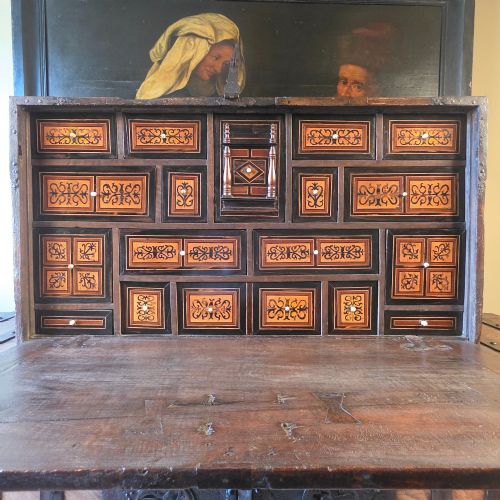
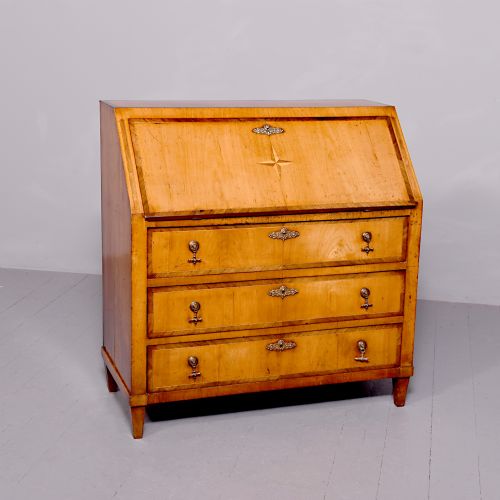
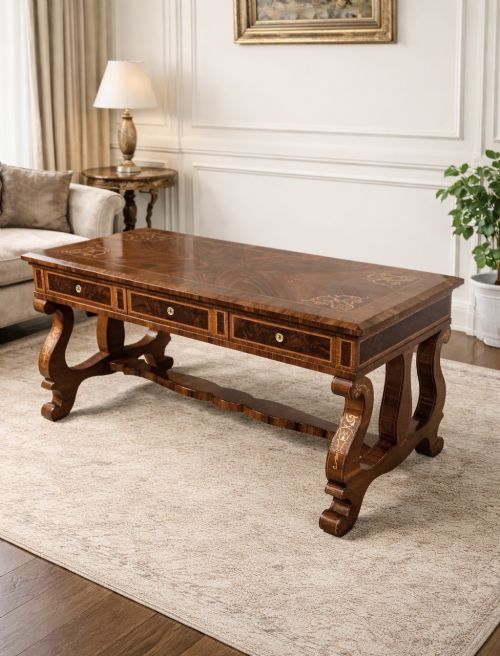
A continental writing desk serves as a dedicated space for correspondence and administrative tasks, appearing across this selection in forms such as bureaux, secretaires, writing tables, and escritoires. The items gathered here span periods from the 17th century through the 19th century, featuring regional expressions like Biedermeier, Baroque, and Dutch marquetry.
Buyers are most likely to encounter walnut and mahogany bureaux or secretaire abattants alongside pine and fruitwood examples. These pieces range from upright cabinet combinations with drop-down writing slopes to simpler single-drawer tables designed for writing and study.
Originating across European workshops, these desks incorporate functional compartments, secret drawers, and fitted interiors behind panelled or sloping fronts. The historical variety encompasses both grand bureau bookcases and modest country pieces.
How They Were Made
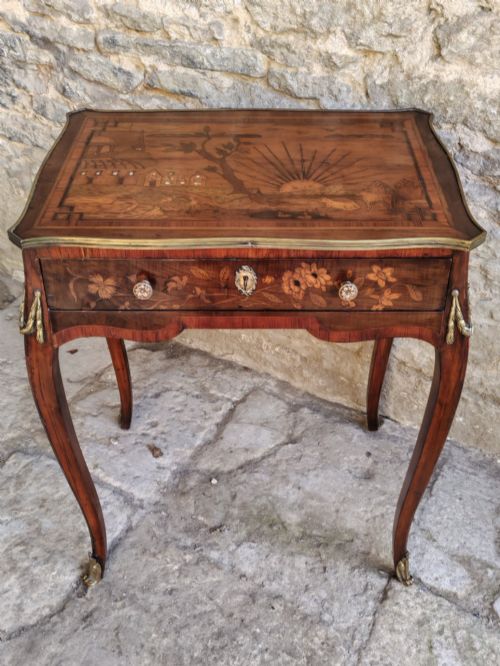
Cabinetmakers constructed these desks using native and imported timbers, applying walnut and mahogany veneers over secondary woods like pine or fruitwood. Marquetry and inlaid decoration frequently embellished the surfaces, utilising contrasting woods to create intricate pictorial or geometric patterns.
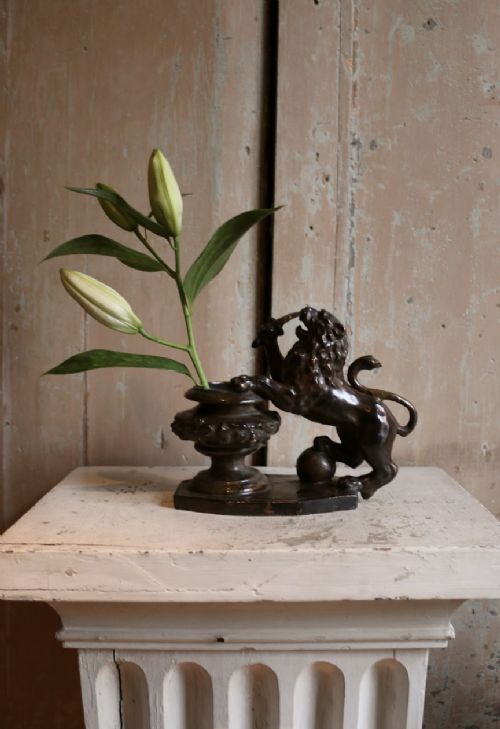
Structural elements relied on traditional joinery techniques, housing secret drawers and drop-down writing flaps within cabinet frameworks. Metal fixings, brass mounts, and bronze inkwells complemented the timber constructions, while ebonised wood details provided contrast.
Continental Writing Desk Retail Price Guide 2026
Typical asking prices for continental writing desk among the pieces listed under this phrase on Sellingantiques today, from the lower quarter to the upper quarter. They describe what is for sale here now, not the wider market.
An antique pine secretaire hides tiny secret drawers behind its drop-down front, ready for your most clandestine paperclips.
What Varies in Quality
The standard of a continental writing desk rests on the precision of its marquetry and the choice of wood veneers, such as figured walnut, Karelian birch, or mahogany. Finer examples display meticulous attention to interior fittings, including secret drawers and matched grain patterns.
Construction methods and the integrity of the original hardware distinguish regional workshops, from South German Baroque pieces to Biedermeier abattants. Pieces retaining their fitted compartments and original brass or bronze elements reflect higher preservation standards.
The Continental Writing Desk Glossary
- Secretaire
- A desk or cabinet featuring a concealed writing drawer or a fold-down flap that reveals fitted interior compartments. These units often form part of a larger chest or bookcase structure.
- Bureaux
- Sloping-front desks designed to enclose writing materials and papers beneath a hinged lid. They typically sit upon drawer bases or stands.
- Marquetry
- The art of applying small pieces of veneer to a structure to form decorative patterns or pictures. Craftsmen utilised contrasting timbers such as fruitwood and walnut for this effect.
- Escritoire
- A writing cabinet or desk, frequently taking an upright form with a drop-front writing surface. The term often describes refined 19th-century continental examples.
- Bombe
- A swelling, outward-curved contour found on the front and sides of certain 18th-century furniture forms. This bulbous shaping demands advanced cabinetmaking skill.
- Secretaire Abattant
- An upright wall cabinet featuring a vertical drop-front panel that opens to create a writing surface. It conceals pigeonholes and small drawers within the upper section.
Continental Writing Desk: Frequently Asked Questions
What is a secretaire abattant?
A secretaire abattant is an upright cabinet with a vertical panel that drops down to form a writing surface. It keeps correspondence hidden away when closed.
Inside, you typically find a collection of small drawers and pigeonholes for stationery and documents. These pieces were popular in 19th-century continental interiors.
How do I identify Biedermeier desks?
Biedermeier desks are characterised by clean architectural lines and a focus on the natural grain of timbers like mahogany, birch, and walnut. They date mainly from the 19th century.
Unlike heavily carved Baroque pieces, Biedermeier furniture relies on minimal ornament and balanced proportions. The craftsmanship emphasises smooth surfaces and functional restraint.
What are secret drawers?
Secret drawers are hidden compartments built into the interior of a desk behind false panels or sliding dividers. They were designed to secure private papers and valuables.
Cabinetmakers integrated these compartments into bureaux and secretaires as a practical security feature. Finding them often requires releasing hidden spring catches within the pigeonholes.