

19th Century Italian Desk
When you search for a 19th century italian desk, you step into a world of rich walnut, marble tops, and scholarly inkstands.
19th Century Italian Desk
A 19th century italian desk encompasses grand pedestal tables in walnut and mahogany alongside refined writing cabinets and bureau bookcases.
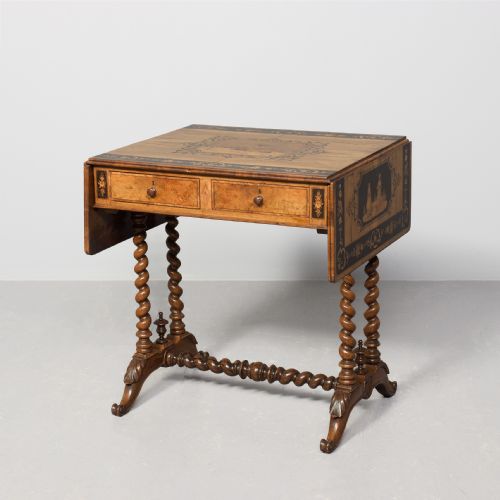
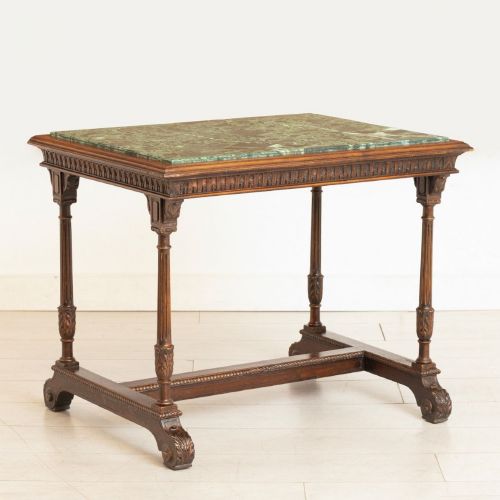
Buyers frequently encounter smaller side tables and writing surfaces featuring inlaid woods or marble tops alongside larger library tables.
Materials and Construction
Cabinetmakers utilised dense native timbers such as walnut and burr walnut, frequently pairing them with contrasting inlay work in olivewood.
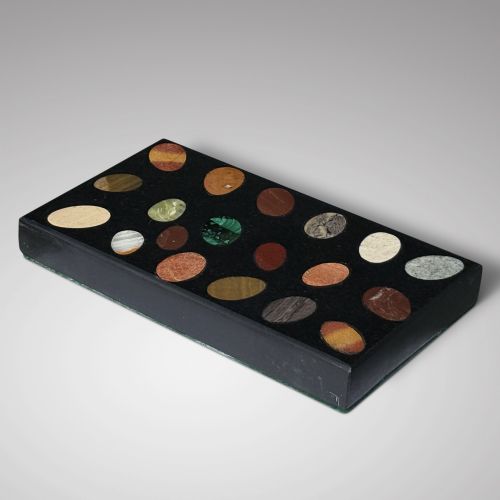
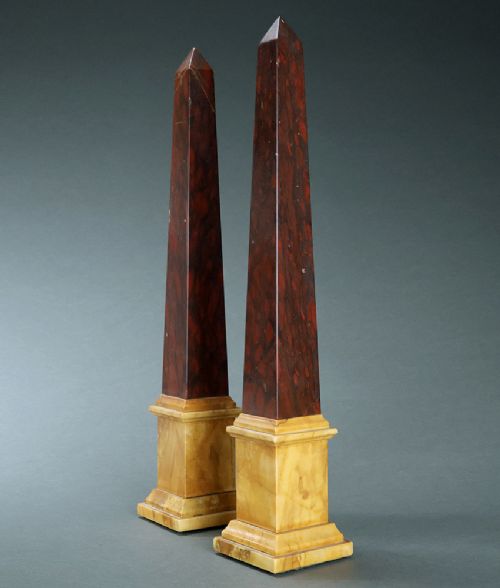
Writing surfaces and architectural ornaments incorporated luxurious stones including Carrara marble, Siena marble, and multi-coloured pietra dura specimens.
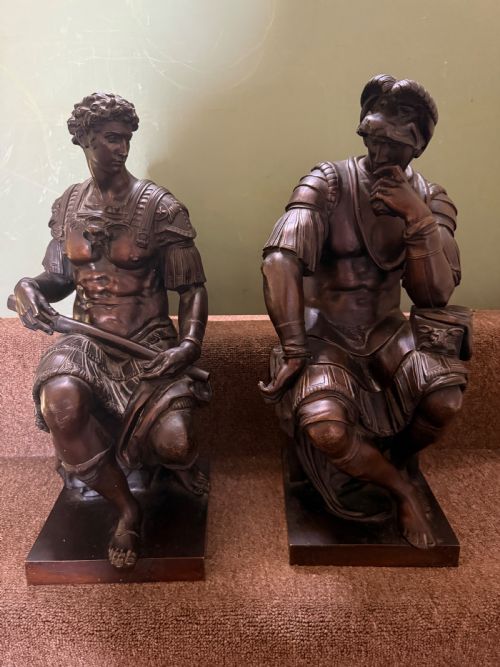
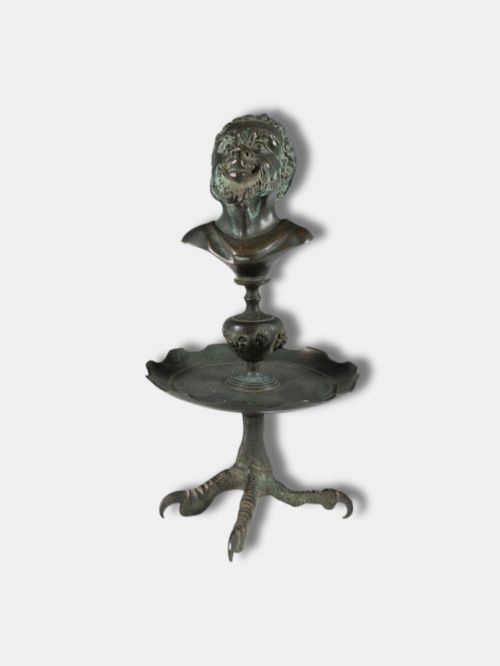
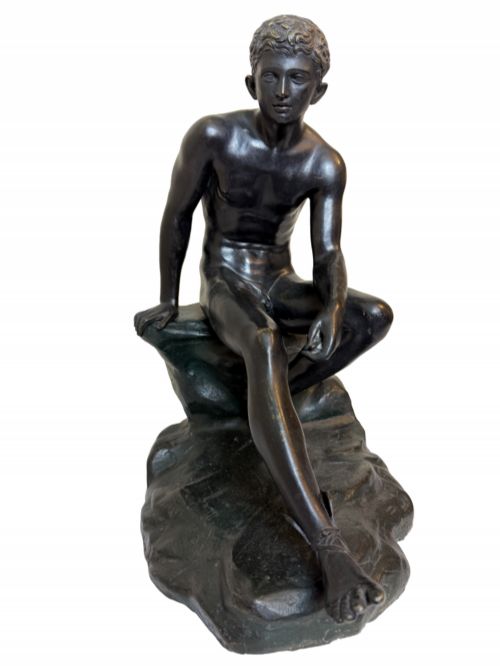
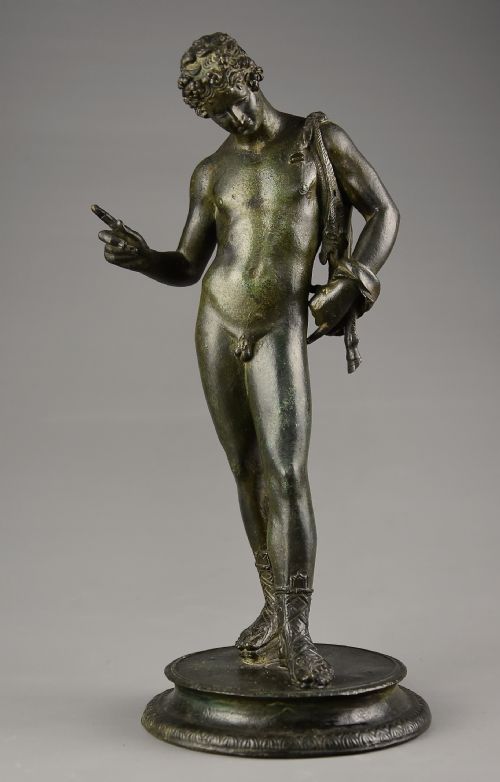
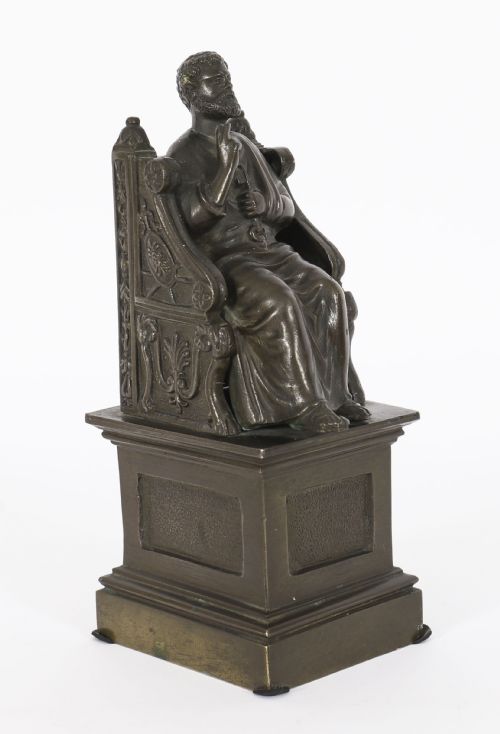
Metal elements relied on cast bronze, patinated bronze, and gilt bronze for sculptural mounts, figures, and decorative desk fittings.
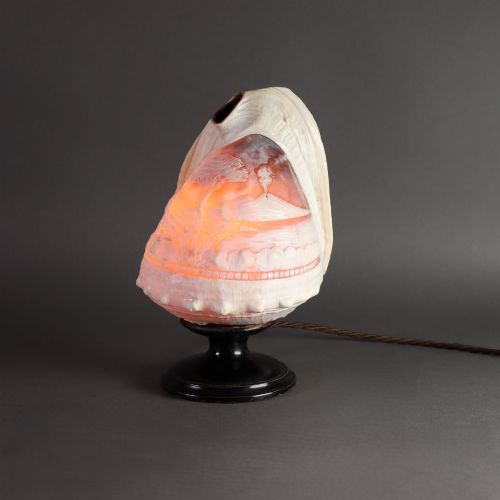
Listings feature Carrara marble, Siena marble, patinated bronze, and walnut across nineteenth-century Italian desks and decorative objects.
Judging Quality
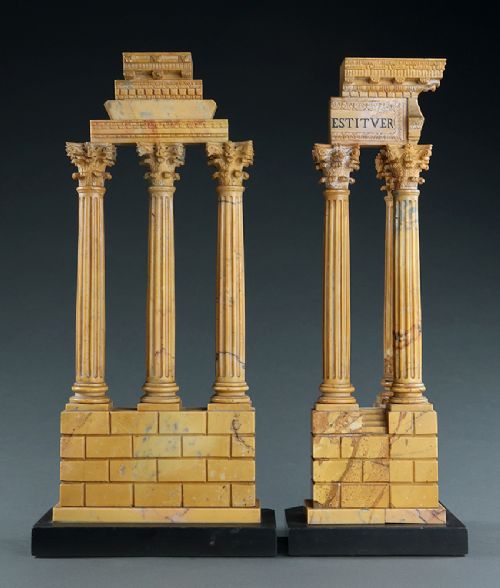
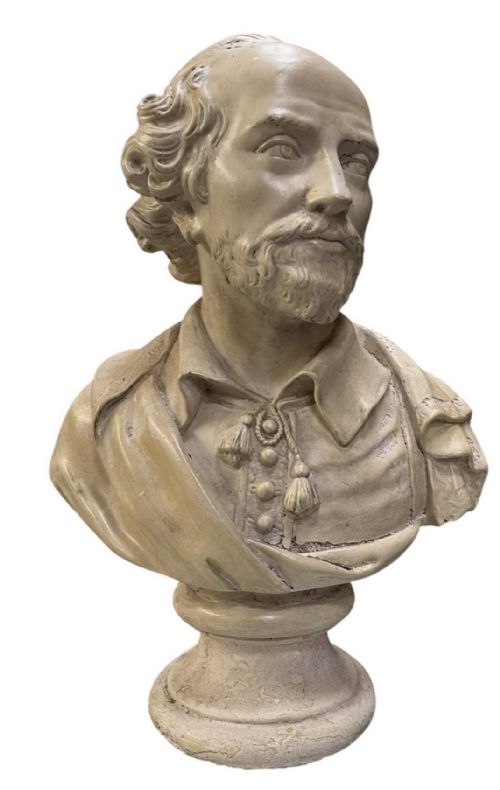
Excellence resides in the crispness of the carving, particularly on figural walnut elements, winged griffins, and architectural marble temples.
The precision of pietra dura inlay, micro-mosaic panels, and cast bronze patination distinguishes workshop output.
Structural integrity of large walnut pedestal desks and bureau bookcases depends upon seasoned timbers and original joinery.
Adriano Brambilla·Angiolo Barbetti Firenze·Luigi Frullini·Raffaelo Monti
The 19th Century Italian Desk Glossary
- Grand Tour
- A cultural journey undertaken by wealthy young Europeans visiting classical sites in Italy, generating a market for souvenir bronzes and marble models.
- Pietra dura
- An artistic technique using cut and fitted polished coloured stones to create mosaic images on tabletops and paperweights.
- Micro-mosaic
- Glass tesserae assembled into intricate pictorial panels inset into marble desk accessories and paperweights.
- Bureau bookcase
- A writing cabinet featuring a sloping fall-front desk combined with upper shelving or cupboard storage behind doors.
19th Century Italian Desk: Frequently Asked Questions
What defines a Grand Tour desk accessory?
Grand Tour pieces comprise souvenirs purchased by travellers in Italy during the nineteenth century, depicting classical architecture, famous sculptures, or archaeological finds.
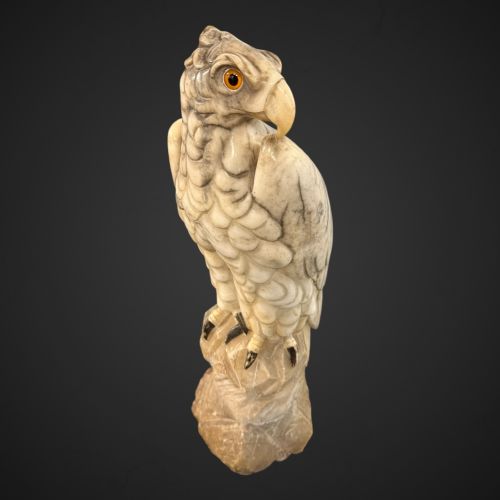
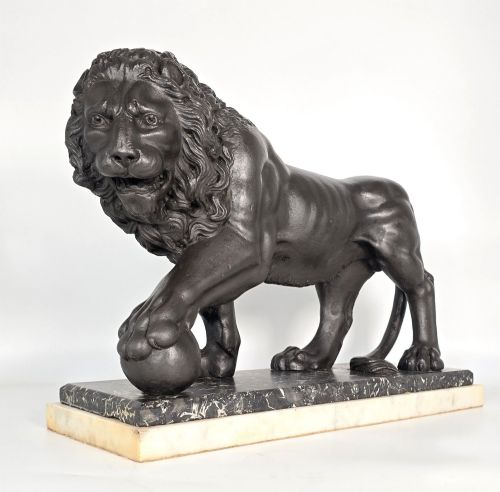
Items such as marble obelisks, bronze lions, and micro-mosaic paperweights served as scholarly desk ornaments reflecting classical education and taste.
How do walnut and mahogany desks differ?
Walnut desks from Italy often display rich grain patterns, burr veneers, and deeply carved figural details such as griffins or scrolling foliage.
Mahogany examples lean towards architectural pedestal forms with clean lines, polished stone tops, and restrained neoclassical proportions.
What is pietra dura?
Pietra dura involves inlaying meticulously shaped hardstones like jasper, chalcedony, and marble into a solid stone matrix to form pictorial designs.
On desk items, this technique creates smooth, durable specimen tops depicting floral motifs or geometric patterns.
Where were these pieces used?
These desks and writing tables occupied libraries, private studies, and salons of nineteenth-century residences for correspondence and scholarly pursuits.
Smaller items like inkstands and paperweights completed the scholarly desk arrangement.