


Italian Writing Table
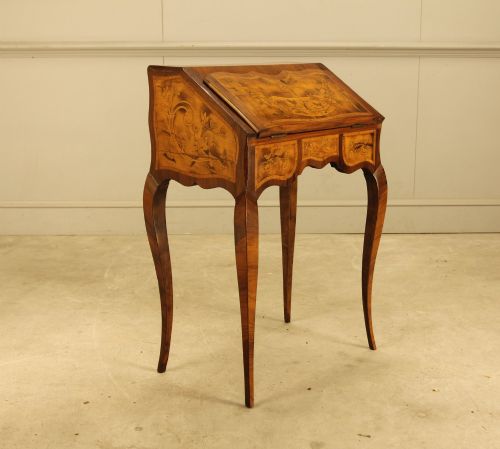
An italian writing table brings walnut, marquetry inlay and carved detail together into a functional workspace.
Italian Writing Table
An italian writing table is a versatile surface designed for correspondence, reading, and small administrative tasks, often doubling as a centre table or side table in grand rooms. When you examine an italian writing table, you encounter forms ranging from simple eighteenth century walnut desks to elaborate nineteenth century revival pieces.
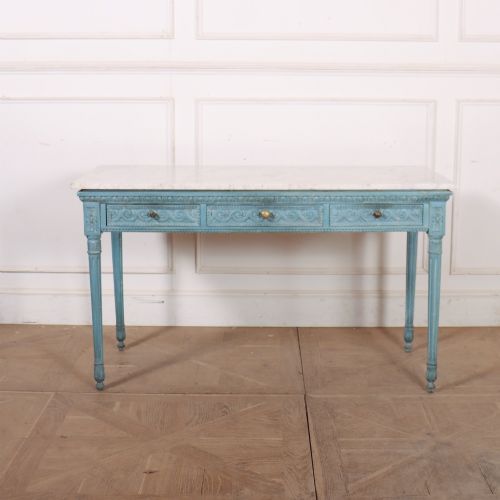
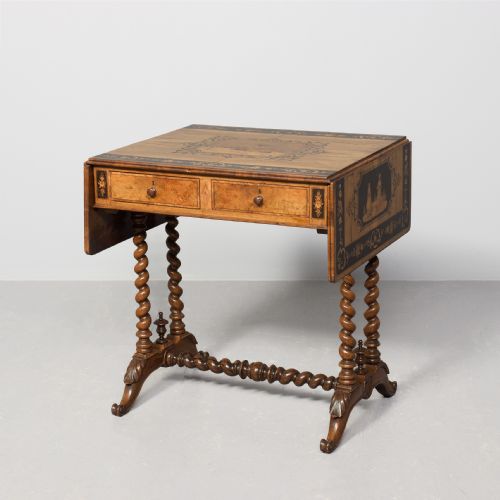
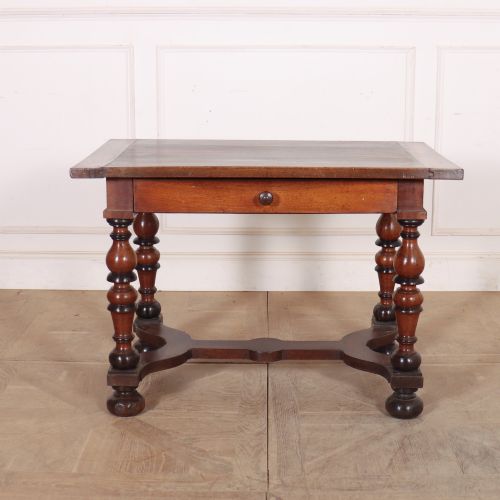
The selections available include console tables, sofa tables, bureaux, and occasional tables originating from various Italian regions. Walnut serves as the primary structural timber, frequently enriched with olivewood, fruitwood, and intricate marquetry inlay.
Nineteenth century iterations often display historical revivals such as Renaissance Revival, Baroque, and Sorrento styles. Earlier examples from the eighteenth century focus on robust walnut construction and refined proportions suitable for domestic use.
Materials and construction
Makers constructed an italian writing table predominantly using solid walnut and fruitwood timbers, often applying decorative veneers and marquetry inlay across the top surfaces and drawer fronts. Cabinetmakers utilised contrasting woods like olivewood to create geometric patterns and pictorial scenes.
Surface decoration frequently incorporated carved details, painted wood finishes, and lacquered wood applications. Elements of brass hardware and occasional marble inserts appeared on specific revival models to enhance the visual weight of the piece.
Cherub carvings occasionally peer out from beneath the writing surface, watching over your daily correspondence.
Judging quality in an italian writing table
The distinction between standard examples and exceptional pieces rests in the execution of the carving and the precision of the marquetry inlay. Finer items exhibit meticulous hand-carved ornamentation on the walnut frames and seamless integration of contrasting woods.
Structural integrity and the retention of original decorative surfaces dictate the standing of a piece. Original patination on the walnut and fruitwood timbers elevates the desirability above examples with compromised finishes.
Angiolo Barbetti Firenze
The Italian Writing Table Glossary
- Marquetry inlay
- Decorative wood veneers fitted together to form geometric patterns or pictorial designs on table tops. This technique requires significant skill to cut and assemble distinct timber species.
- Sofa table
- A rectangular occasional table traditionally designed to stand in front of or beside a sofa. These pieces often feature drop leaves and small drawers for writing materials.
- Renaissance Revival
- A nineteenth century design movement that reinterprets sixteenth century classical motifs, heavy carving, and architectural forms. This style is frequently observed on walnut desks from the 1860s and 1880s.
- Sorrento
- A style of decorative woodworking originating from the Italian town of Sorrento, characterised by intricate micro-mosaic marquetry and olivewood construction. Pieces in this style often depict architectural views or floral motifs.
- Console table
- A table designed to stand against a wall, sometimes secured to the vertical surface rather than standing entirely on its own four legs. These forms often double as writing surfaces in smaller rooms.
Italian Writing Table: Frequently Asked Questions
What defines an italian writing table?
An italian writing table is a dedicated workspace piece originating from Italy, typically constructed from walnut or fruitwood with decorative inlay or carving.
These tables vary from simple eighteenth century desks to ornate nineteenth century revival pieces featuring marquetry and brass details.
Where were these tables used?
These tables served primarily in studies, libraries, and principal reception rooms of grand residences for correspondence and reading.
Because many examples function equally well as centre tables or side tables, owners could position them in the middle of a room or against a wall.
How do I identify the period?
Dating relies on stylistic clues such as Renaissance Revival or Baroque ornamentation, alongside timber choices like walnut and olivewood.
Eighteenth century examples generally show simpler, structural walnut forms, whereas nineteenth century pieces frequently embrace heavier historical revival styles and complex marquetry.
Are these tables suitable for daily use?
Many examples function well for contemporary writing and display tasks, provided you protect antique wood and veneer surfaces from moisture and excessive heat.
Their sturdy construction in walnut and fruitwood ensures they handle everyday domestic placement when treated with care.