





1920s Walnut Desk
A 1920s walnut desk brings striking grain and period proportion to a study, offering the functional presence buyers seek.
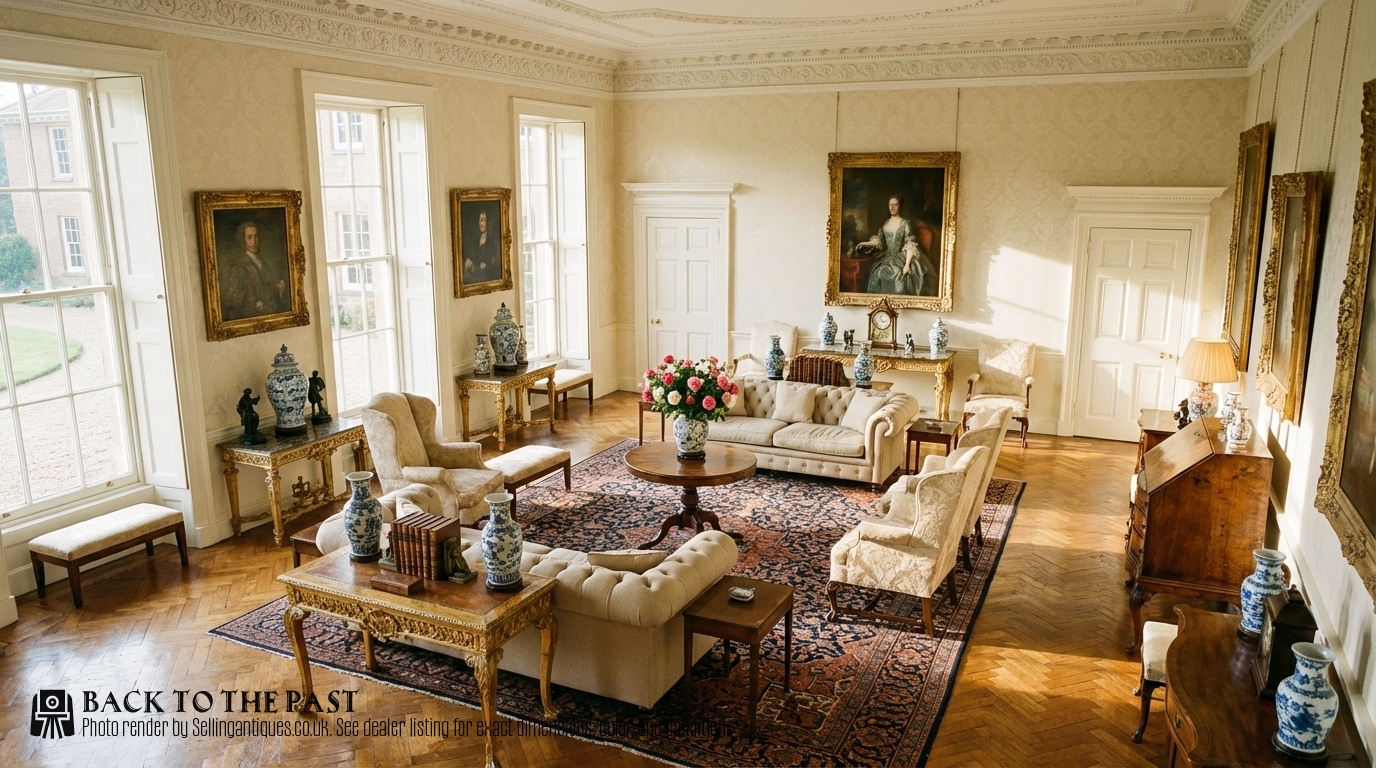
1920s Walnut Desk
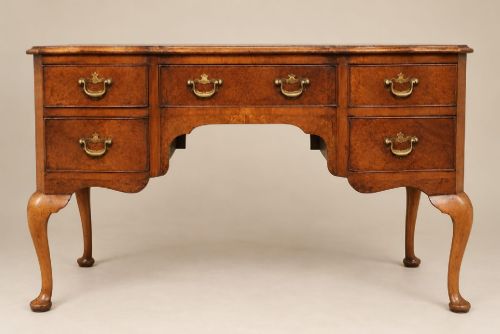
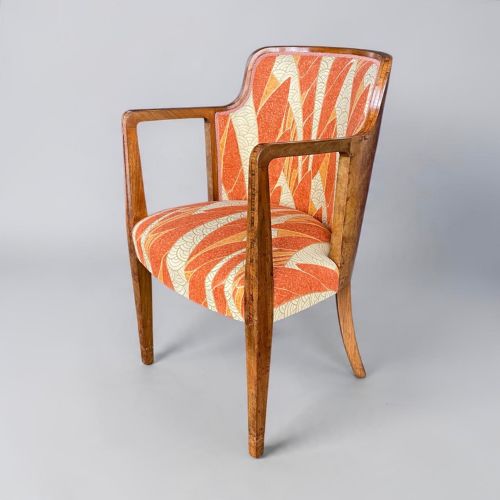
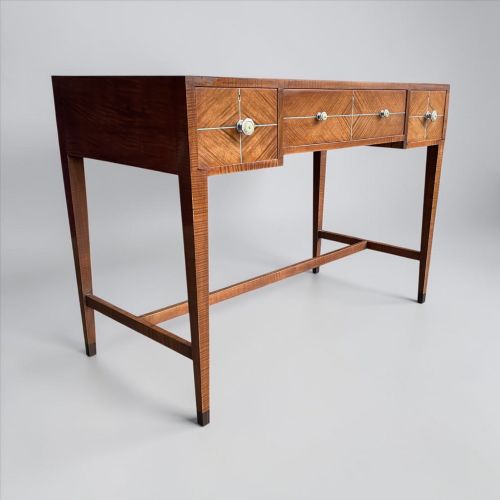
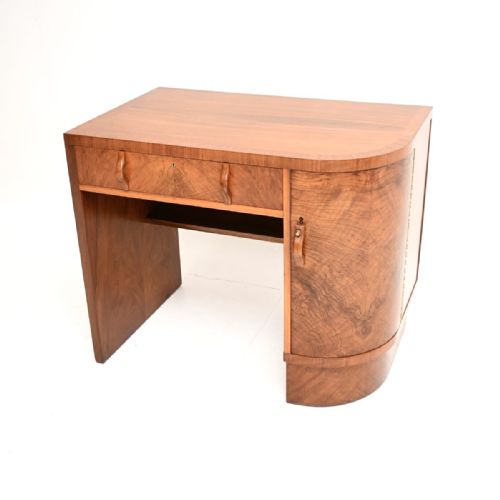
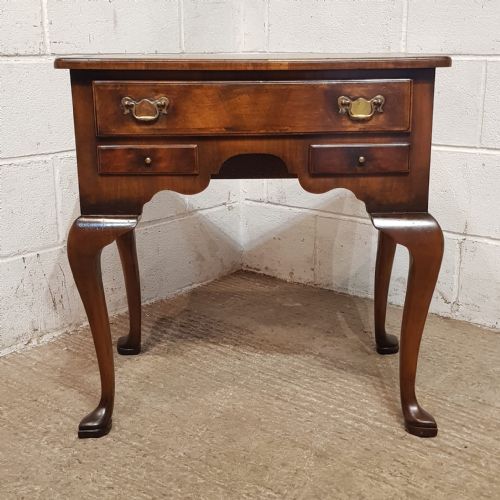
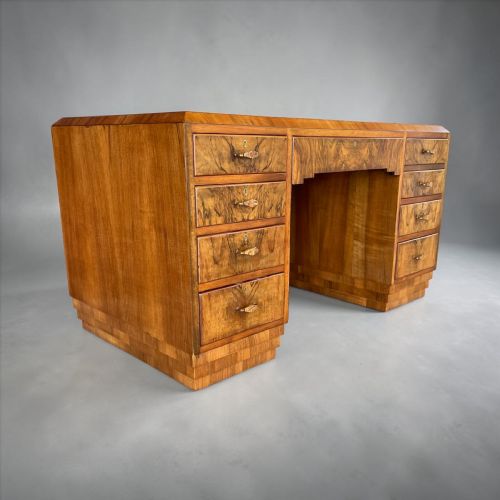
A 1920s walnut desk combines the practical workspace of the interwar period with rich timber figures. Buyers investigating a 1920s walnut desk typically encounter examples shaped by Art Deco design or revivals such as Queen Anne style.
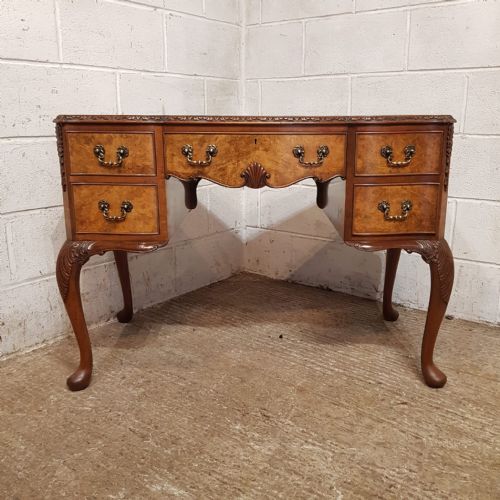
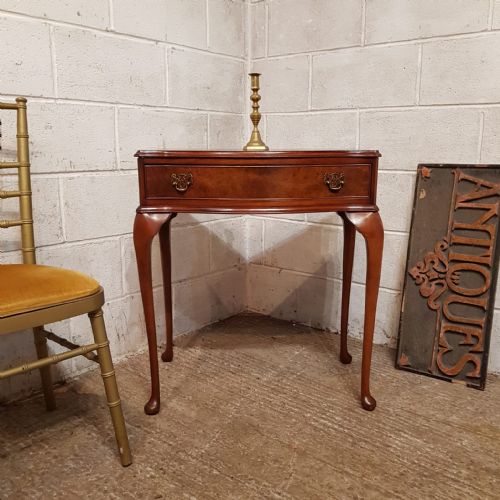
The form spans straightforward kneehole formats, serpentine fronts and kidney shaped writing tables. Alongside traditional desks, related items such as bureau de dame forms appear frequently within the period range.
What varies in quality
The grade of timber selection determines the visual impact of a piece, particularly the symmetry and depth of burr walnut figuring across wide surfaces. Plain veneers indicate a more utilitarian construction compared to carefully matched grain patterns.
Execution of revival details or geometric Art Deco lines separates standard cabinetwork from finer productions. The integration of quality hardware like brass fittings influences the overall integrity of the finished writing table.
1920s Walnut Desk Retail Price Guide 2026
Typical asking prices for 1920s walnut desk among the pieces listed under this phrase on Sellingantiques today, from the lower quarter to the upper quarter. They describe what is for sale here now, not the wider market.
Interwar cataloguing occasionally blurs the line between writing furniture and heavy machinery, pairing walnut desks with machinist console cabinets.
Maurice Dufrêne
The 1920s Walnut Desk Glossary
- Burr walnut
- A wood harvested from the abnormal growth of a walnut tree, yielding complex, swirling grain patterns. It is sliced into thin veneers for decorative furniture surfaces.
- Serpentine front
- A furniture front characterised by a concave central section flanked by two convex ends, or vice versa. This undulating profile requires skilled carpentry.
- Kidney shaped desk
- A writing table featuring a curved, kidney outline that wraps around the user. These pieces often utilise walnut or burr walnut veneers.
- Art Deco
- A design style emerging in the 1920s and 1930s favouring streamlined shapes, geometric forms and stylised motifs. Desks from this movement display clean horizontal and vertical lines.
- Kneehole desk
- A compact desk design featuring a central recess for the legs flanked by banks of drawers. This configuration became standard for domestic studies in the early twentieth century.
1920s Walnut Desk: Frequently Asked Questions
How do I identify a 1920s walnut desk?
Examine the timber figuring, construction methods, and overall silhouette to place the piece correctly. Interwar examples often combine walnut veneers with distinct Art Deco geometry or traditional revival motifs.
Look closely at drawer linings, hardware materials, and secondary woods used in the interior structure. These physical traits help distinguish pieces made around nineteen-twenty to nineteen-thirty from later reproductions.
What styles are common for these desks?
The dominant aesthetic categories on this page are Art Deco and revival interpretations such as Queen Anne style. Art Deco versions utilise clean lines and figured veneers, whereas revival pieces draw on earlier historic proportions.
Kidney shaped formats and serpentine fronts also appear regularly among surviving interwar examples. Each style reflects the shifting tastes of cabinetmakers working through the nineteen-twenties and thirties.
How should I care for walnut veneer?
Protect the wood surfaces by keeping desks away from direct sunlight and steady heat sources that can dry out timber. Gentle dusting with a dry cloth maintains the finish without moisture damage.
Avoid chemical polishes that build up residue over time on antique veneer. Natural wax applied sparingly preserves the lustre of the walnut grain.
Where were these desks used?
These writing tables served in domestic studies, libraries, and private offices during the interwar period. Their proportions suited middle-class and professional homes of the nineteen-twenties.
Smaller formats like the bureau de dame or serpentine tables functioned effectively in reception rooms or bedrooms. Their compact dimensions accommodated varied domestic layouts.