


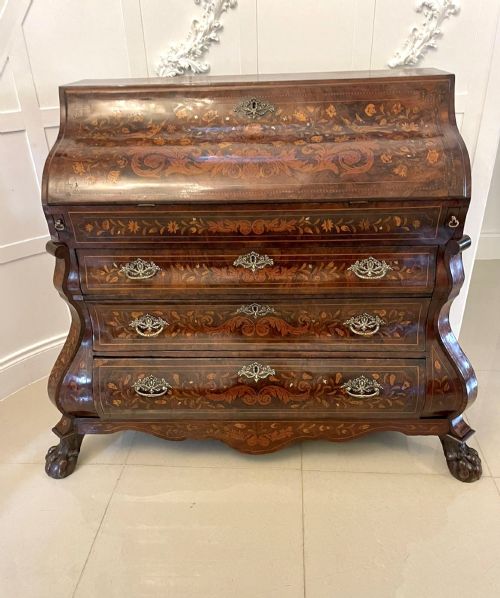

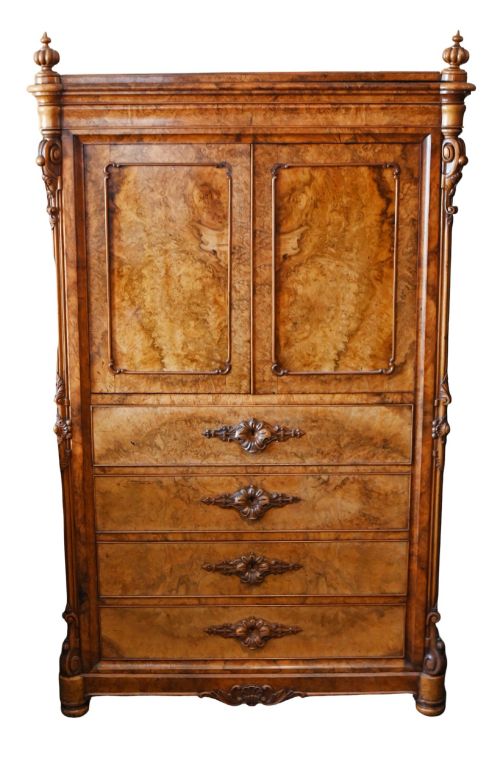
Burr Walnut Bureau Desk
A burr walnut bureau desk combines rich, swirling timber with a clever drop-front writing surface that hides a fitted interior.
Burr Walnut Bureau Desk
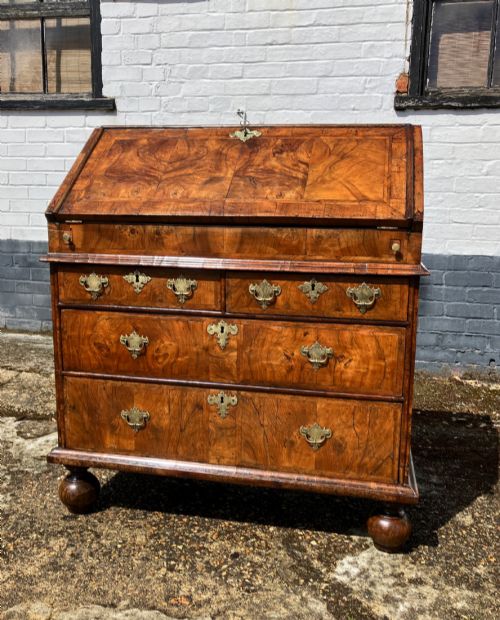
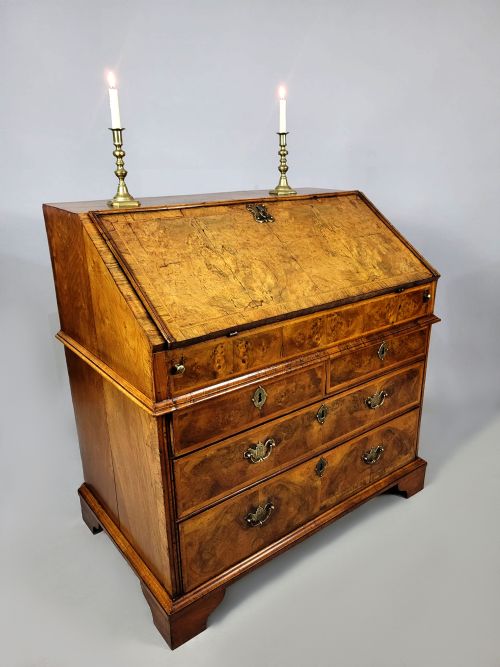
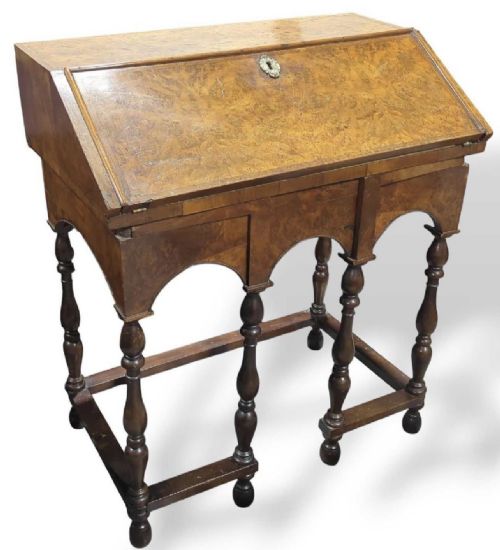
When searching for a burr walnut bureau desk, a buyer is looking at pieces that range from early eighteenth-century masterworks to later revival and Art Deco forms. The core of these pieces is a writing cabinet featuring a sloping fall-front that opens to reveal small drawers and pigeonholes.
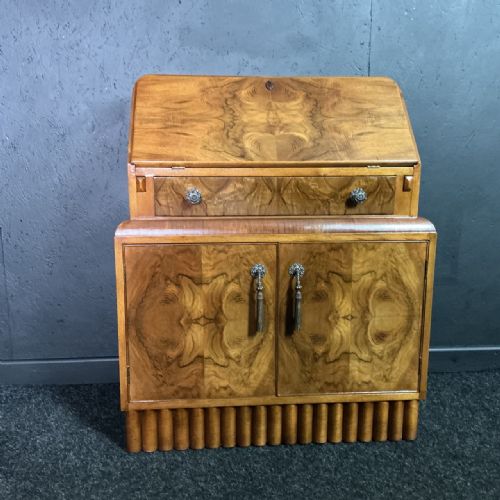
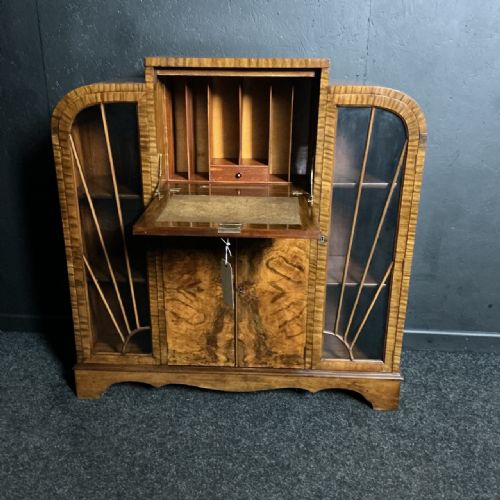
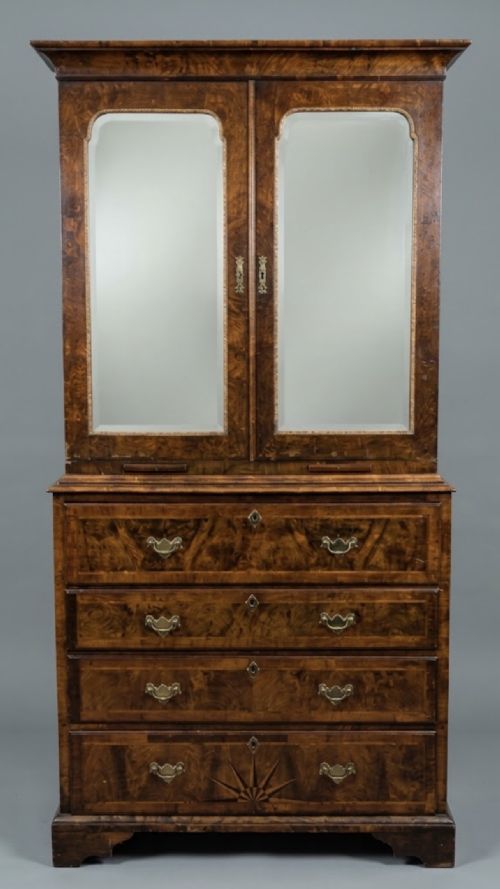
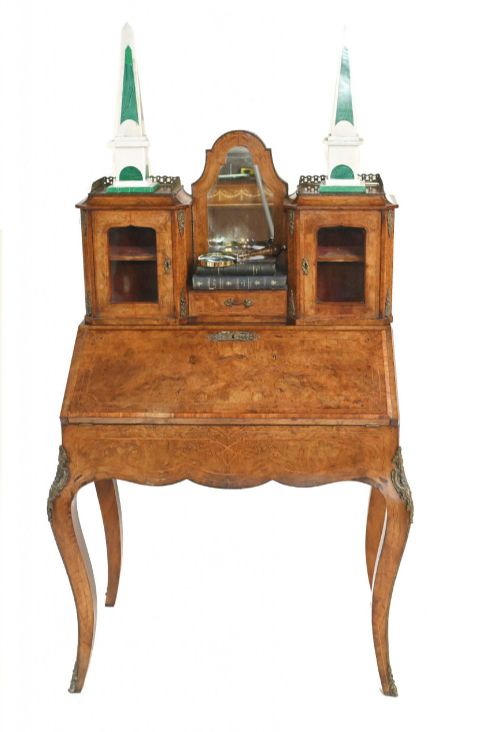
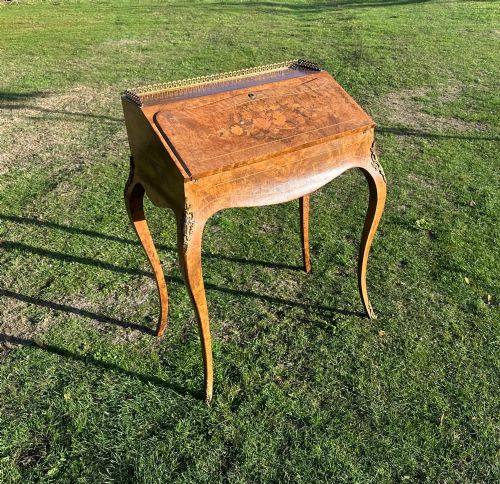
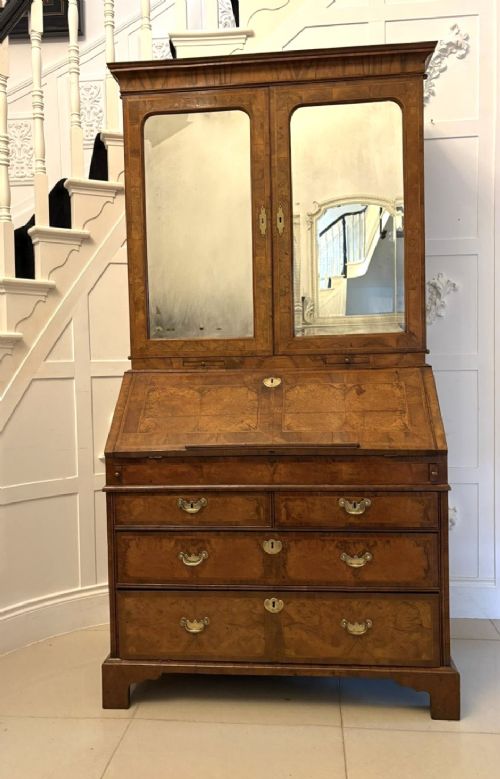
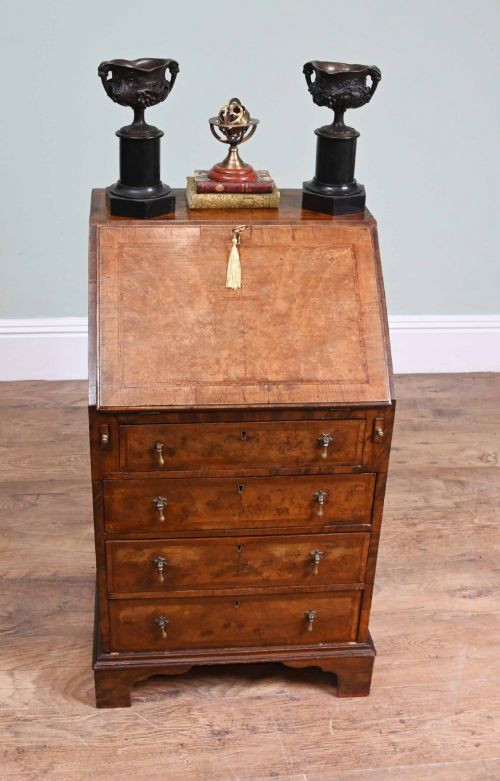
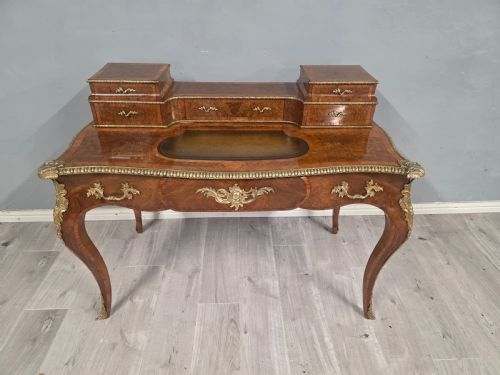
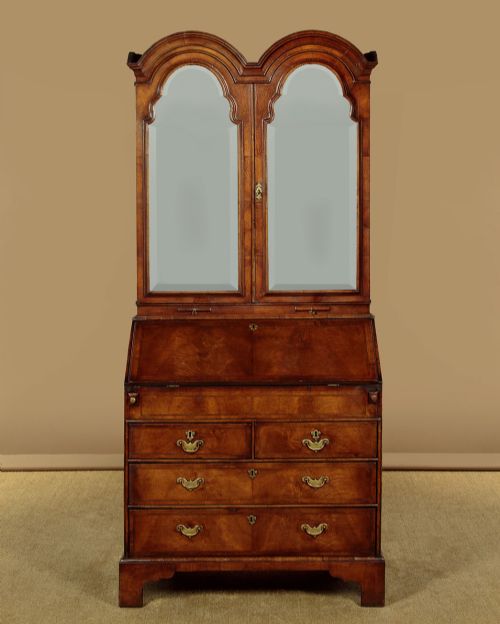
The most common versions met on this page include compact Edwardian fall-front bureaux and larger George I or Queen Anne bureau bookcases. Alongside traditional forms, pedestal desks and serpentine writing tables appear regularly in the selection.
Origins stretch across the eighteenth, nineteenth, and twentieth centuries, uniting periods such as the Georgian era with the 1930s. Each era brings distinct proportions and interior layouts, yet all share the striking patterned timber that defines the group.

How they were made
Cabinetmakers constructed these pieces using solid oak or pine carcases that received a finely sliced outer layer of burr walnut veneer. This technique exploited the knotty growths of the walnut tree, where the grain swirls in complex, organic patterns.
Craftsmen enhanced the lively grain by framing the panels with herringbone banding and featherbanding in contrasting lighter and darker timbers. Brass hardware, including drop handles and escutcheons, alongside leather writing inserts, completed the construction.
Burr Walnut Bureau Desk Retail Price Guide 2026
Typical asking prices for burr walnut bureau desk among the pieces listed under this phrase on Sellingantiques today, from the lower quarter to the upper quarter. They describe what is for sale here now, not the wider market.
Listings span multiple centuries, uniting 18th-century Georgian craftsmanship with 1930s Art Deco pedestal forms.
What varies in quality
The distinction between ordinary and exceptional pieces lies in the selection and matching of the veneer across the fall-front and drawers. Superior examples display symmetrical, highly figured grain patterns that wrap continuously around the carcass.
Interior architecture also drives the standard, separating simple compartments from elaborately fitted pigeonholes with secret drawers and sliding wells. The crispness of the featherbanding and the retention of original brass fittings further elevate a piece.
Maple & Co·Wylie & Lochhead Glasgow
The Burr Walnut Bureau Desk Glossary
- Burr walnut
- A type of wood veneer sliced from the distorted growth knots of a walnut tree. It produces a highly decorative, swirling pattern prized for fine cabinetmaking.
- Bureau
- A writing desk featuring a sloping hinged lid that drops down to form a flat writing surface. It typically conceals a series of small interior drawers and pigeonholes.
- Featherbanding
- A delicate form of inlay where two strips of veneer are laid at an angle to resemble a bird's feather. It often frames the drawer fronts and main panels of walnut furniture.
- Kneehole desk
- A compact desk featuring a recessed central space for the user's legs, flanked by pedestals of small drawers. This form became popular during the late seventeenth and eighteenth centuries.
- Bureau bookcase
- A tall piece of furniture combining a bureau desk base with an upper shelving or glazed cabinet section. These two-part items provided secure storage for both writing materials and books.
Burr Walnut Bureau Desk: Frequently Asked Questions
What is a bureau desk?
A bureau desk is a writing cabinet with a hinged sloping flap that pulls down to create a writing surface. Inside, it contains small compartments and drawers for letters and stationery.
When closed, the sloped front conceals the working area entirely, keeping the room tidy. This form evolved significantly from the seventeenth century onward, adapting to changing domestic needs.
How do I identify a George I bureau?
George I pieces typically date from the early eighteenth century and display exceptional walnut veneers with herringbone inlay. They often feature candle slides beneath the main fall-front and exceptionally well-fitted internal drawers.
Proportions tend to be smaller and more refined than later Victorian interpretations. The underlying carcase construction often utilises solid oak.
Where were these desks placed?
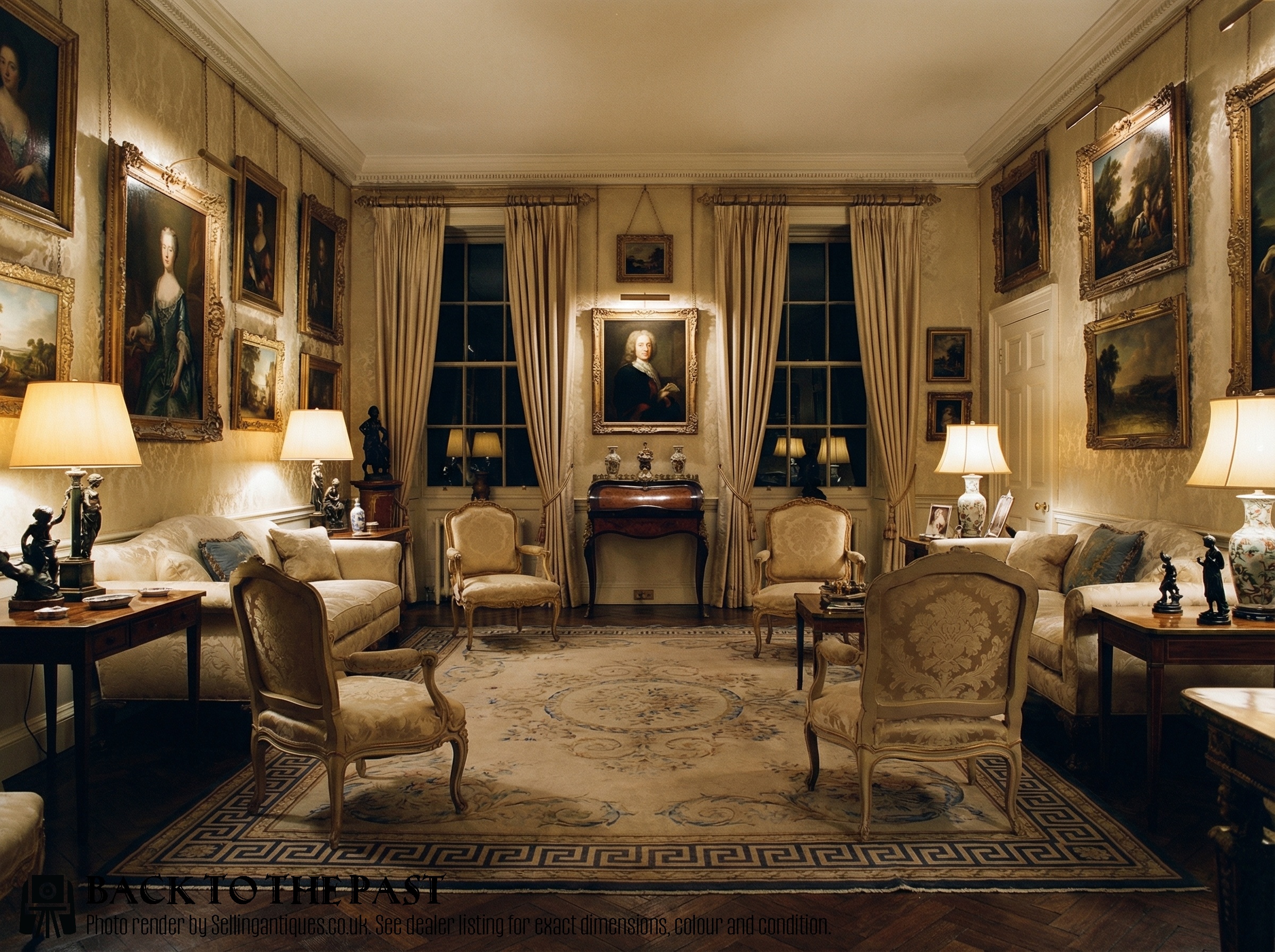
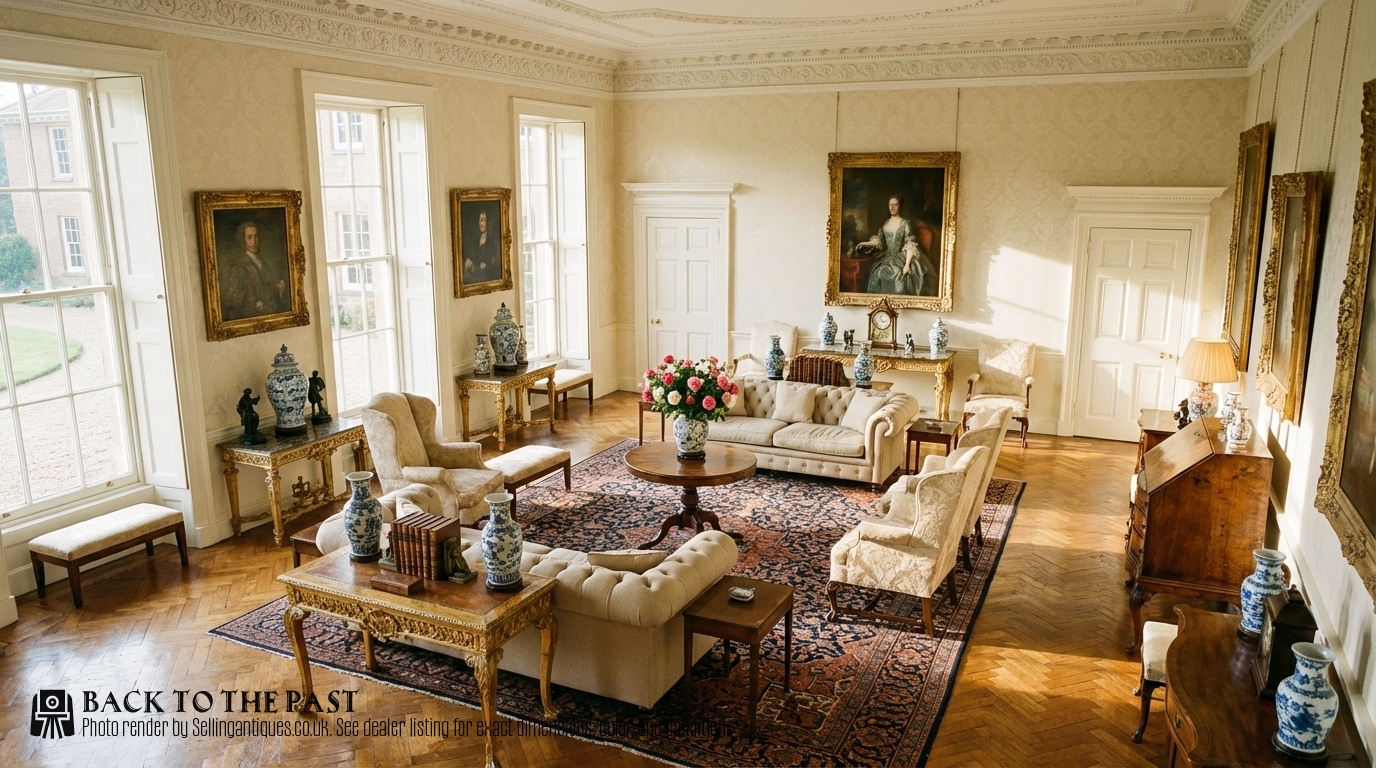
Historically, these desks found their place in private parlours, libraries, and withdrawing rooms where personal correspondence took place. They offered a secure space to write letters and store important documents.
Today, they translate easily into modern studies and living rooms. Their compact footprints allow them to function effectively as practical writing stations.
What is burr walnut?
Burr walnut is harvested from the abnormal growths on walnut trees where the grain grows in turbulent, knotty patterns. Cabinetmakers slice this wood into thin veneers to cover larger surfaces.
This technique highlights the rich, organic movement within the timber. It requires immense skill to match the grain across different drawer fronts and panels.