


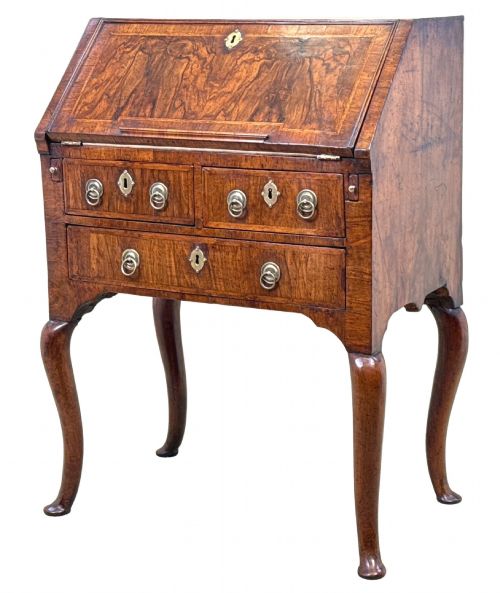
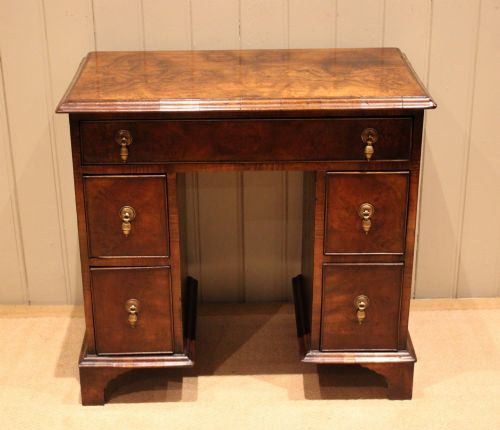
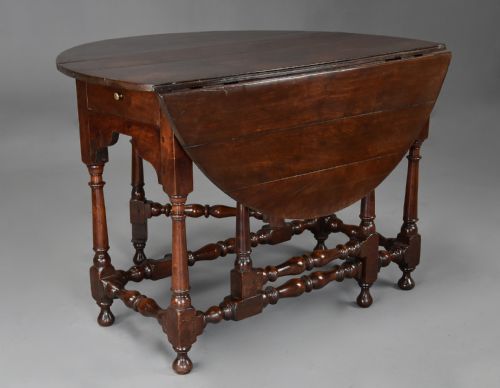
Compact Walnut Desk
A compact walnut desk delivers rich wood grain and practical workspace in a scaled-down footprint that suits modern rooms.
Compact Walnut Desk
A compact walnut desk gathers the functional forms of past centuries, offering a designated workspace without dominating a room. These pieces appear in periods ranging from the eighteenth century to the twentieth.
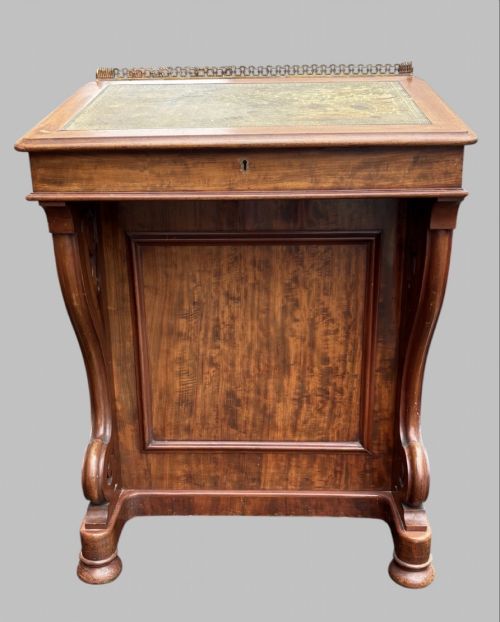
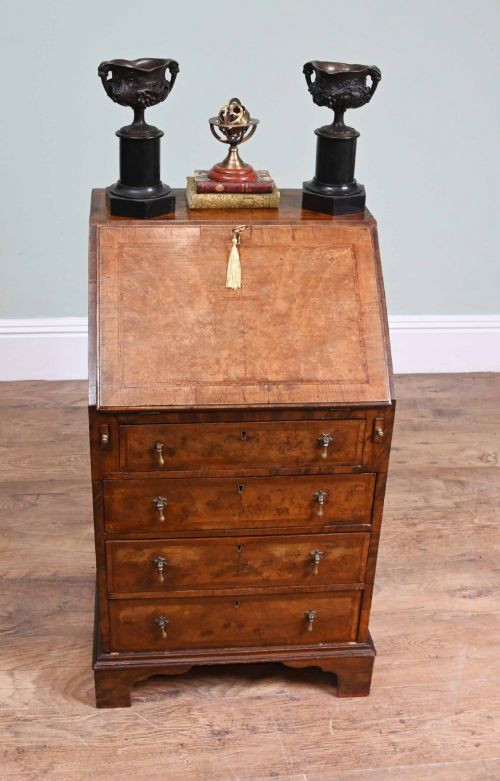
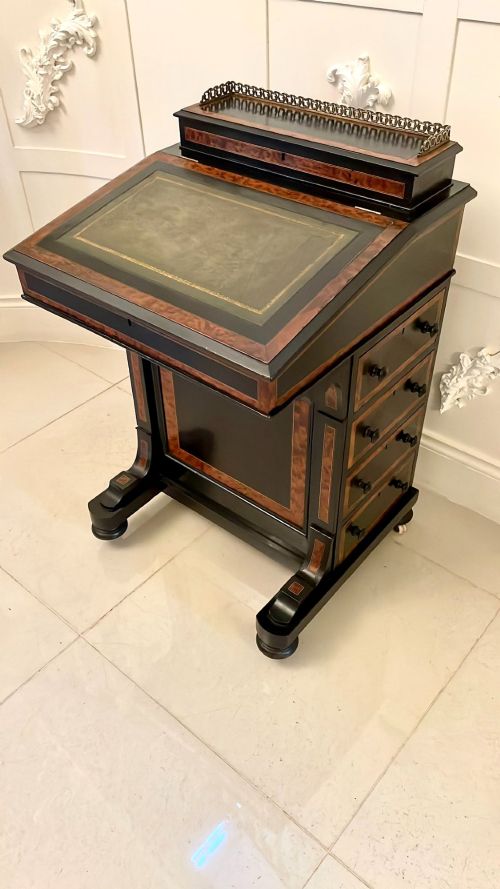
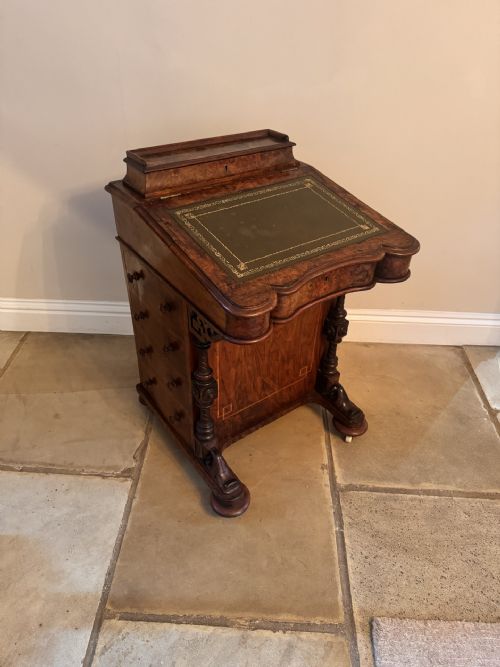
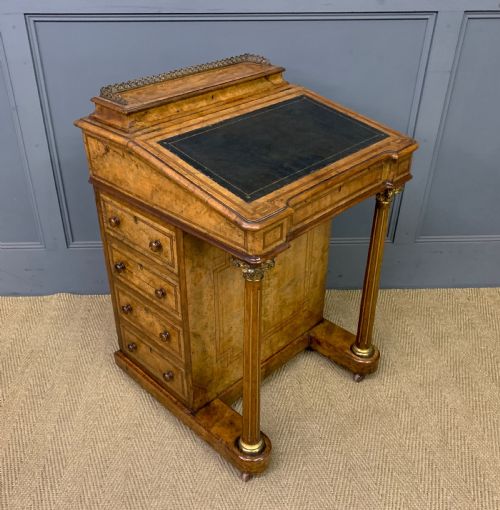
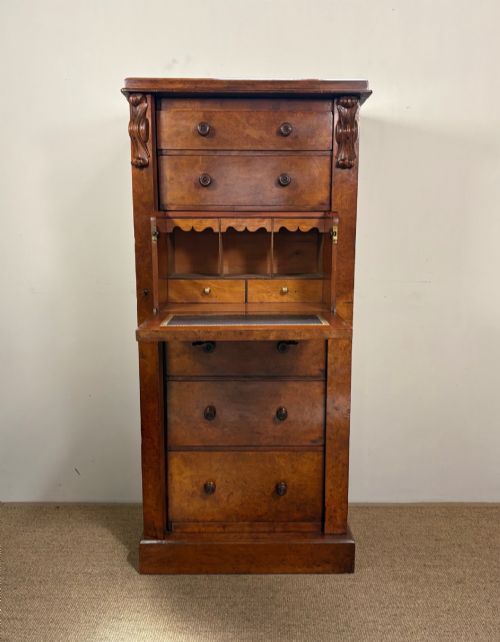
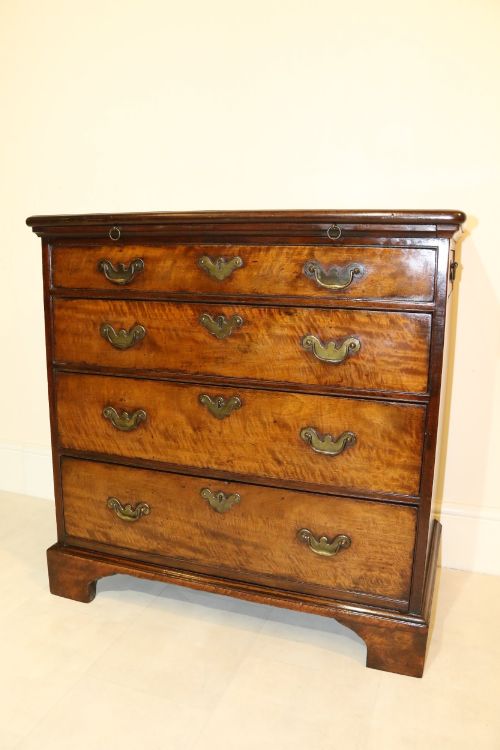
The selection on this page centres heavily on Victorian pieces, particularly davenport desks with sloping writing surfaces. Alongside these, buyers find eighteenth-century bureaus and twentieth-century writing tables.
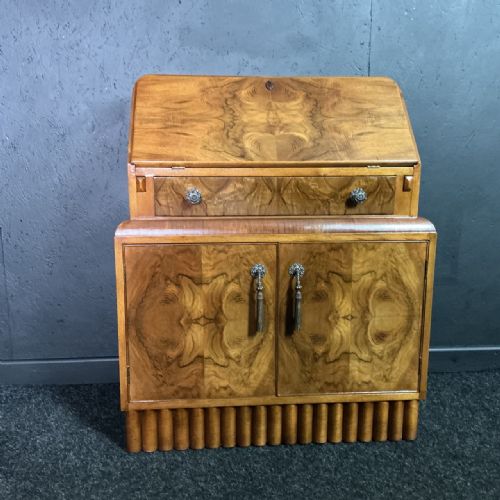
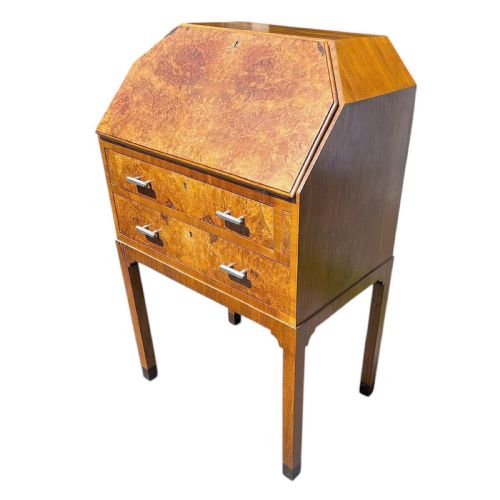
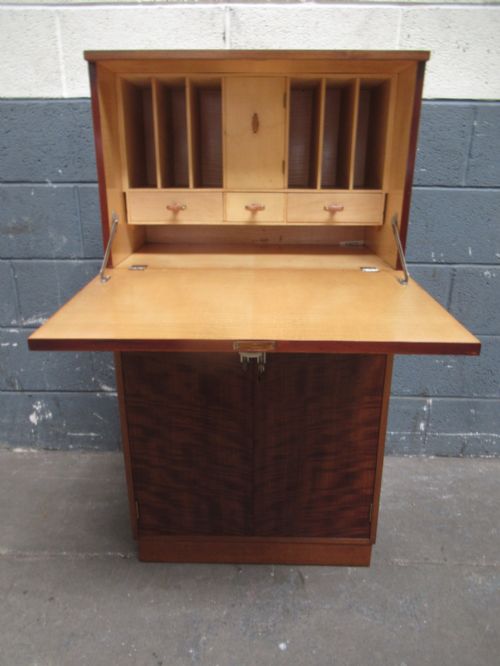
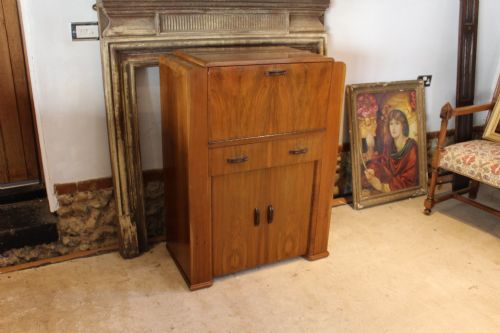
Forms vary from traditional piano top davenports to twentieth-century art deco writing desks. Each variation provides a distinct method of concealing papers and writing materials while maintaining a modest scale.
How they were made
Cabinet makers utilised timber selections such as burr walnut and figured walnut for visible surfaces, applying veneer over secondary woods like oak. This technique created striking patterns across the writing slopes and drawer fronts.
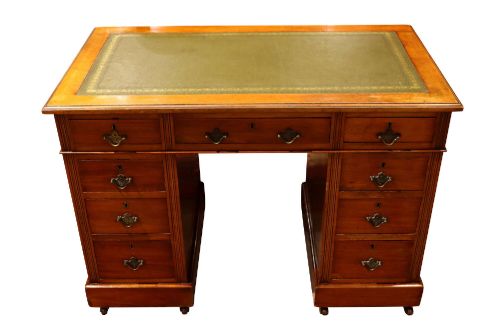
Fittings incorporated brass for handles, hinges, and gallery rails, adding metallic contrast to the dark timber. Writing surfaces frequently integrated leather inserts to provide a durable and traditional writing plane.
Compact Walnut Desk Retail Price Guide 2026
Typical asking prices for compact walnut desk among the pieces listed under this phrase on Sellingantiques today, from the lower quarter to the upper quarter. They describe what is for sale here now, not the wider market.
Current listings span four periods, featuring Victorian, eighteenth-century, 1920s, and 1930s examples.
What varies in quality
Quality rests upon the selection and matching of the walnut veneer across the exterior surfaces. Finer examples display symmetrical burr figures that flow naturally across drawers and writing slopes.
Construction methods and timber selection for interior components separate standard production from superior craftsmanship. The use of secondary woods like solid oak inside drawers indicates a higher standard of manufacture.
The Compact Walnut Desk Glossary
- Burr walnut
- A prized timber harvested from the growth excrescences of walnut trees, yielding intricate, swirling grain patterns. Cabinet makers selected these veneers for decorative impact on primary surfaces.
- Davenport desk
- A small writing desk featuring a sloping lid that lifts to reveal storage compartments, often with drawers accessed from the side. Victorian makers favoured this compact form for parlours and boudoirs.
- Piano top davenport
- A specific davenport variant where the sliding top rolls back to reveal a fitted interior with small drawers and pigeonholes. This mechanical action represents advanced nineteenth-century cabinet making.
- Bureau
- A writing cabinet featuring a sloping fall-front that opens to create a desk surface above a set of drawers. Early eighteenth-century examples present smaller proportions and fitted internal compartments.
Compact Walnut Desk: Frequently Asked Questions
What is a davenport desk?
A davenport desk is a compact nineteenth-century writing cabinet featuring a sloping top and side-opening drawers. It provides a dedicated writing surface within a minimal floor space.
Victorian makers built these pieces in burr walnut with stationary compartments and hinged lids. They suit small studies or living spaces where standard writing tables prove too large.
How do I identify burr walnut?
Burr walnut appears as a dense arrangement of swirling knots and organic rings across the wood surface. It comes from tree growths rather than straight timber.
Cabinet makers valued this veneer for its rich decorative contrast. It forms the primary visual feature on many Victorian and twentieth-century desks.
Are eighteenth-century bureaus different?
Eighteenth-century bureaus offer a hinged writing flap that opens down to rest on support arms. They contain internal drawers and pigeonholes for correspondence.
These early pieces use solid timbers and veneers arranged with restraint. Their proportions remain smaller than later Victorian writing furniture.
How do art deco desks differ?
Art deco desks from the 1930s embrace streamlined geometric forms with smooth walnut surfaces. They discard nineteenth-century ornamentation in favour of clean lines.
These pieces utilise figured veneers to create visual interest through grain patterns alone. They fit modern interiors seeking a vintage aesthetic without traditional carving.