

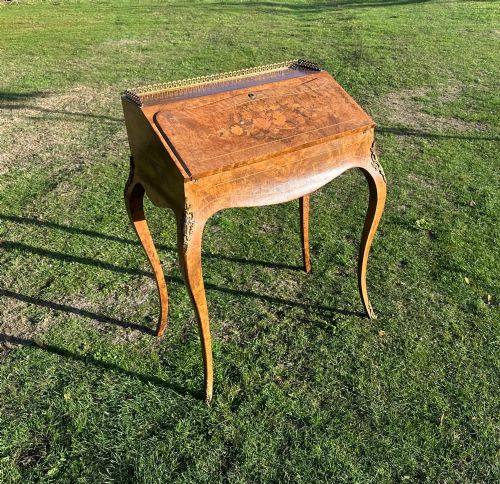
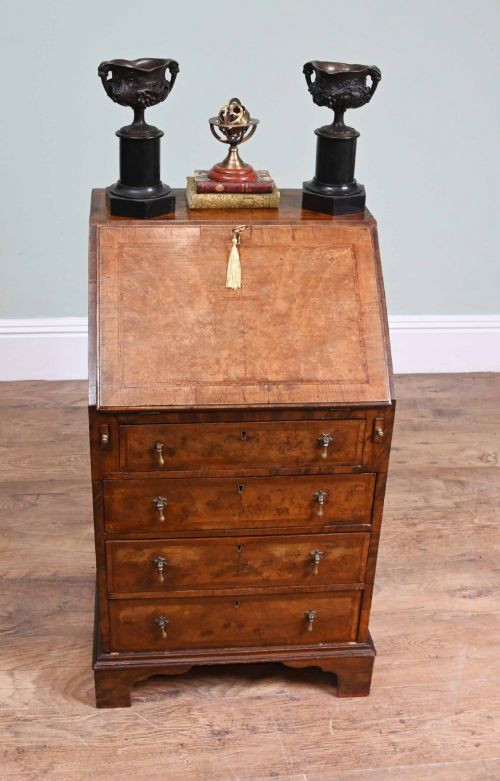
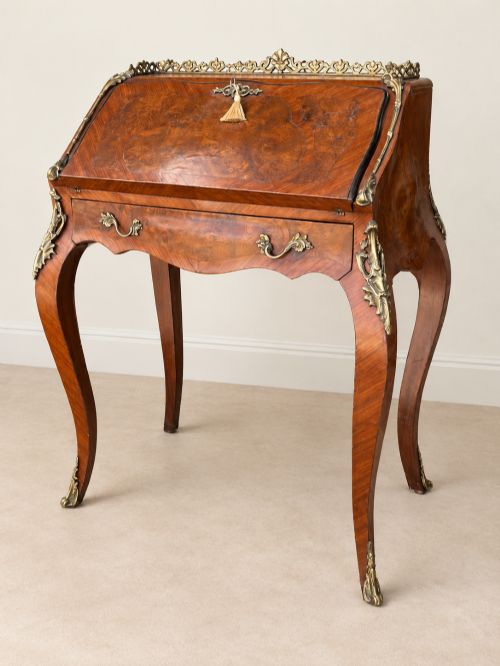
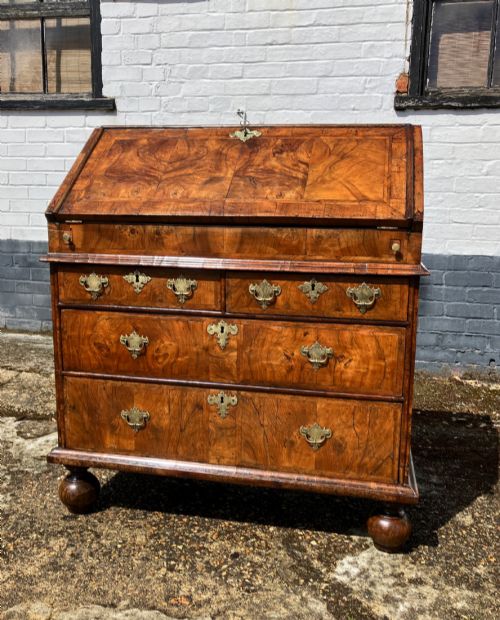
Walnut Fall Front Desk
A walnut fall front desk brings together rich timber and concealed drawers, offering a practical writing space that conceals its contents behind a hinged flap.
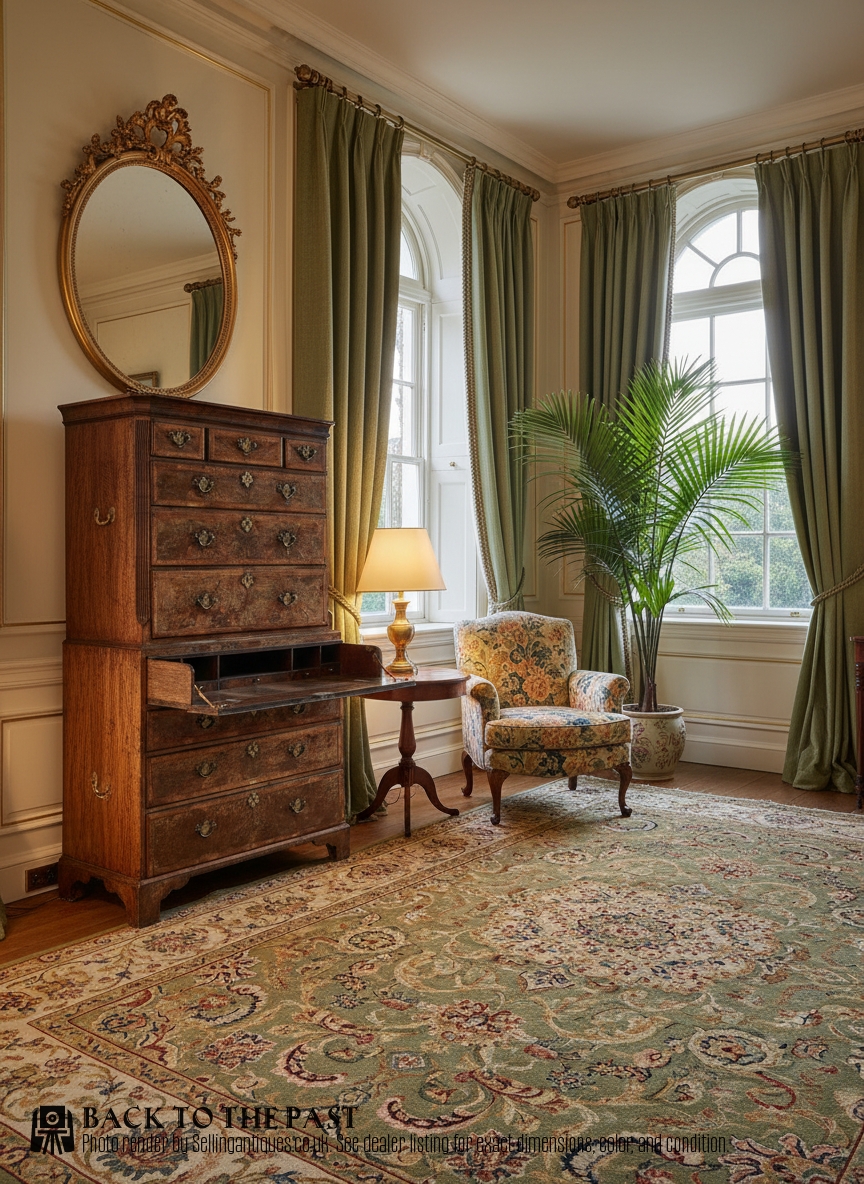
Walnut Fall Front Desk
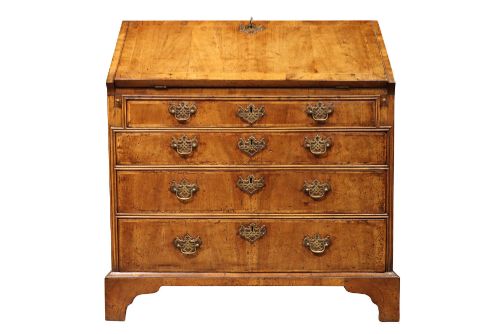
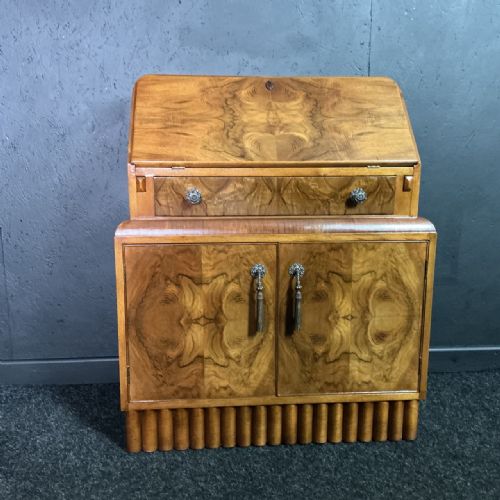
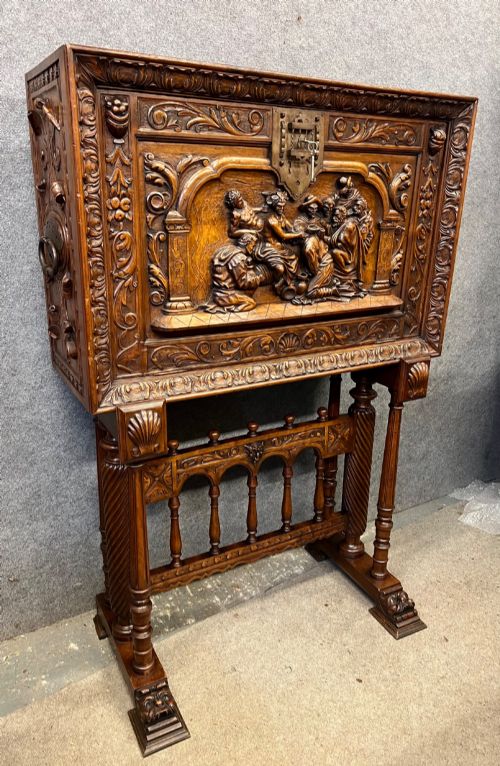
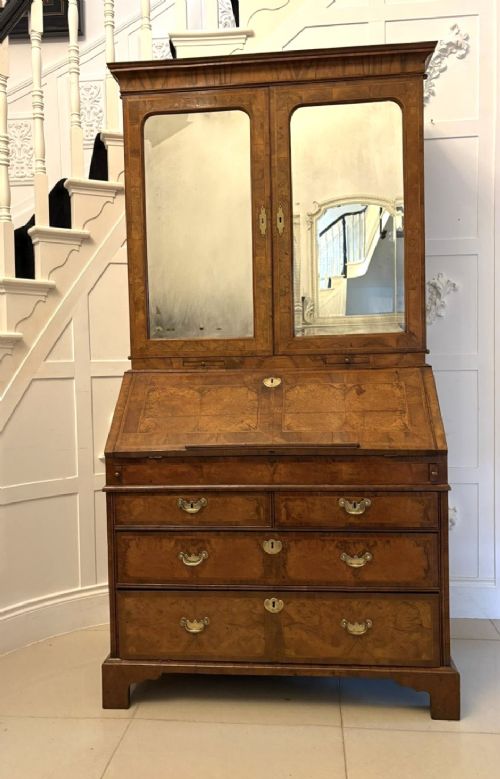
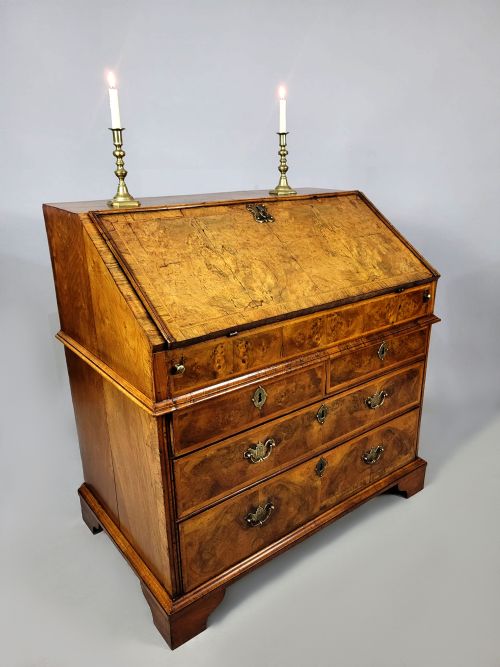
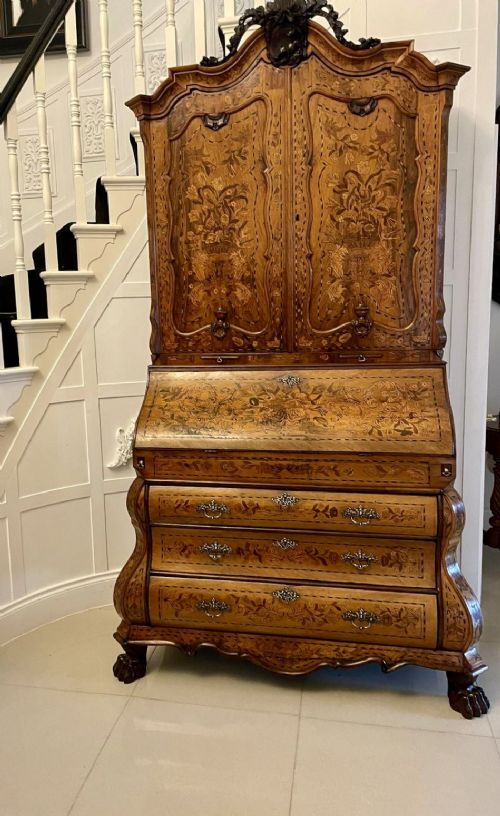
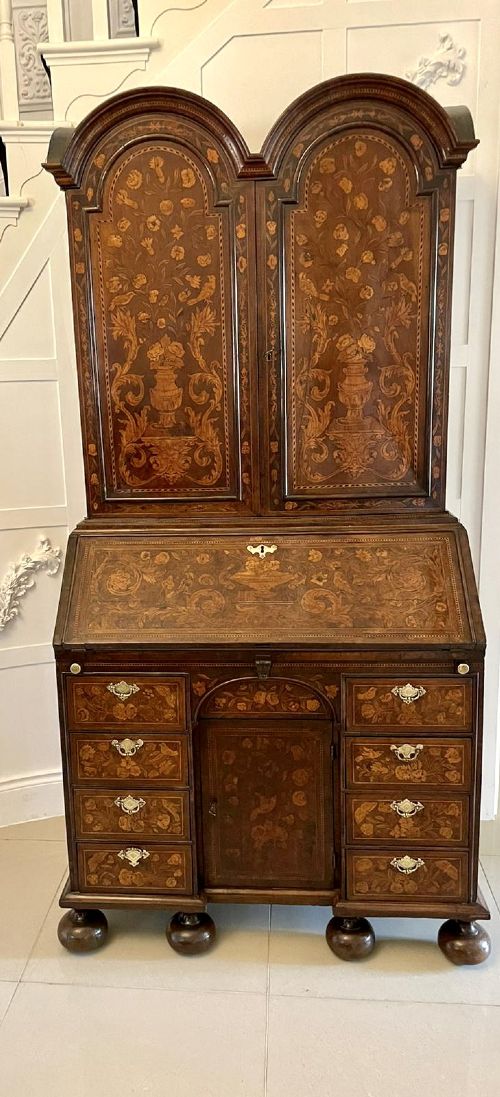
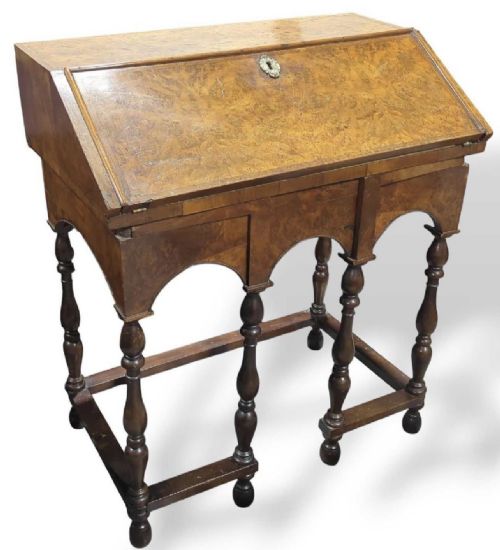
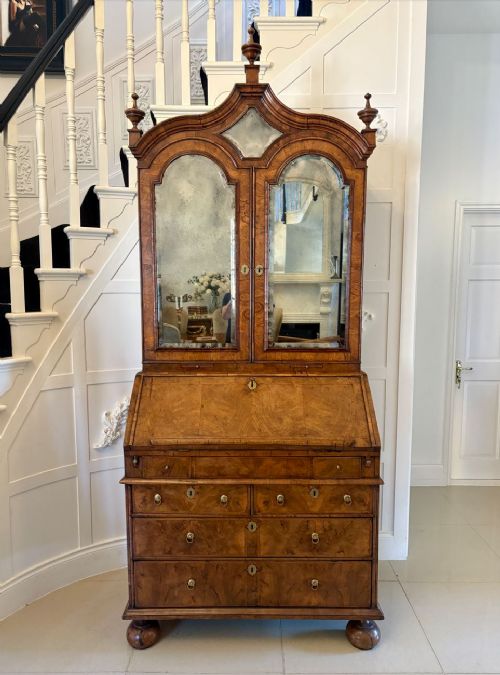
A walnut fall front desk encompasses several regional iterations and forms, appearing as standalone writing cabinets, larger bureau bookcases with glazed upper sections, and elaborate bureau on stand configurations. These pieces span centuries of cabinet making, from early seventeenth and eighteenth-century English and continental works to later Edwardian and Art Deco revivals.
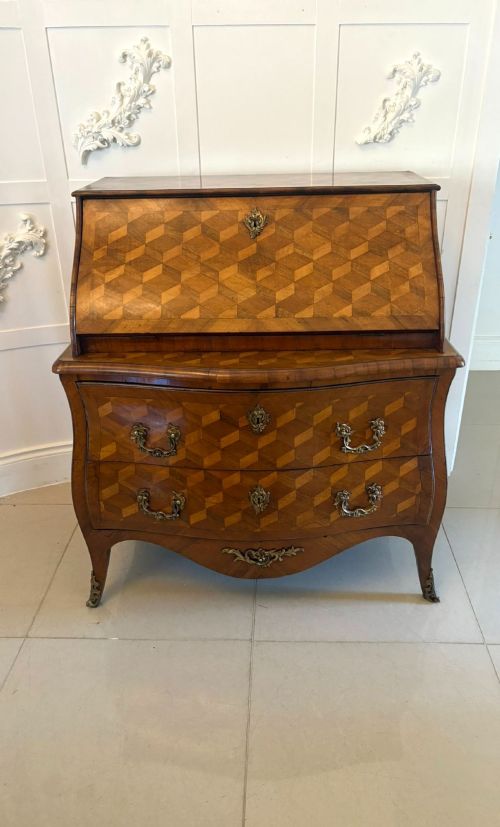
The dominant forms include slope front writing desks with fitted interiors, tall escritoires, and bombe shaped cabinets featuring serpentine profiles. Buyers meet examples styled in the manner of Queen Anne, George I, and Dutch Baroque traditions, alongside French secrétaires and streamlined twentieth-century writing desks.
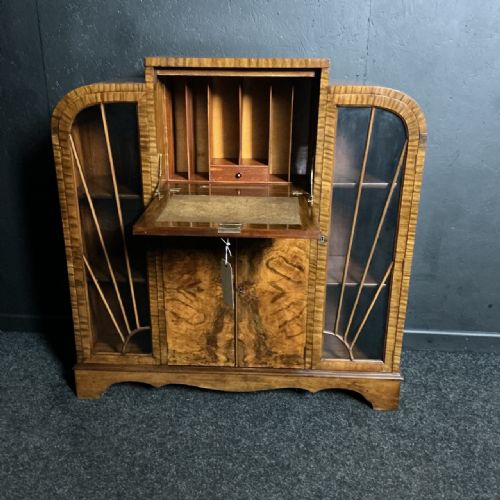
Origin and date define the architectural layout of the interior compartments, pigeonholes, and secret drawers hidden behind the main writing flap. Early pieces often utilise a two-part construction or tall proportions, whereas later Edwardian and Art Deco interpretations adapt the traditional fall front mechanism to cleaner, simpler room settings.
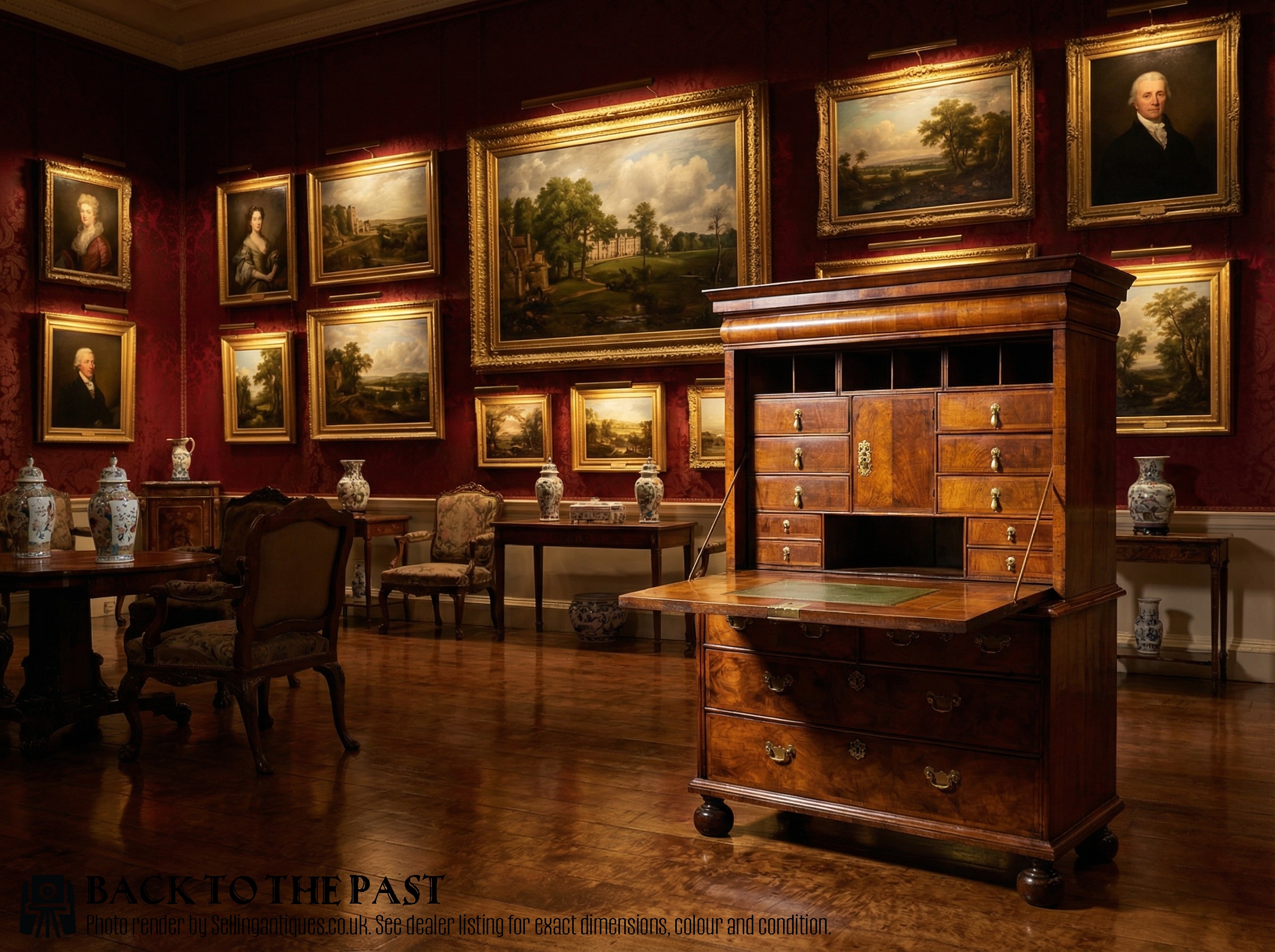
Materials and Technique
Master craftsmen built these desks using solid structural timbers of oak and fruitwood, veneered with highly figured walnut, burr walnut, and featherbanded borders. The practice of matching burr veneers across drawer fronts creates symmetrical patterns that catch the light.
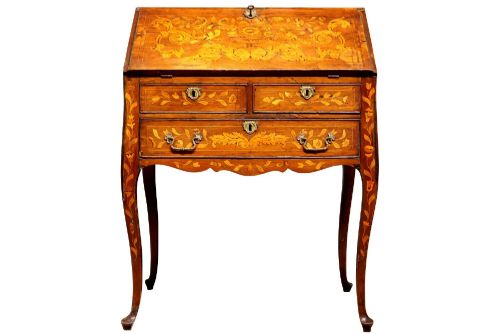
Decoration relied heavily on intricate floral marquetry, geometric parquetry inlay, and herringbone banding using contrasting lighter woods. Hardware typically consists of brass drop handles, key escutcheons, and hinges that secure the heavy falling flap when lowered for writing.
Interior fitments involve tightly joined pigeonholes, small sliding wells, and hidden compartments constructed with dovetailed drawer construction. Leather writing surfaces, often coloured red, appear inset into the writing flaps of Georgian and later iterations.
Walnut Fall Front Desk Retail Price Guide 2026
Typical asking prices for walnut fall front desk among the pieces listed under this phrase on Sellingantiques today, from the lower quarter to the upper quarter. They describe what is for sale here now, not the wider market.
Many antique desks conceal secret compartments behind sliding pigeonholes, designed for hiding private letters and family fortunes.
Evaluating Craftsmanship
The degree of figuration in the walnut veneer and the precision of the marquetry establish the visual tier of a desk. Superior examples display continuous grain matching across the fall front and drawers, whilst lesser pieces show plain or mismatched timber selections.
Structural integrity depends on the quality of the internal pigeonhole assembly and the stability of the fall front hinges under daily use. Finer desks incorporate secondary timbers like oak throughout their internal framing and drawer linings, maintaining structural truth over centuries.
The complexity of the fitted interior, including sliding candle slides, secret compartments, and well-executed parquetry, distinguishes standard production from master cabinet work. Original brass mounts and untouched surface patination further separate exceptional survivals from heavily restored pieces.
F.H. Marshall & Co Glasgow
The Walnut Fall Front Desk Glossary
- Fall front
- A hinged writing flap that drops down to provide a horizontal surface for correspondence. When closed, it conceals the interior pigeonholes and small drawers.
- Burr walnut
- A timber veneer sliced from the gnarly growths of a walnut tree, prized for its swirling, highly decorative grain patterns. Cabinet makers applied these expensive veneers to the primary display surfaces of high-status furniture.
- Marquetry
- Inlaid patterns of wood veneer, bone, or ivory arranged to form floral or pictorial designs on the exterior of a cabinet. Dutch examples frequently utilise this technique across curved facades.
- Escritoire
- A tall writing cabinet featuring a fall front door that opens to reveal a nest of small drawers and compartments. These pieces often incorporate a drawer stand or cabinet base.
- Featherbanding
- Narrow strips of veneer cut diagonally across the grain and laid in a herringbone pattern around the edges of drawer fronts or panels. It serves as a decorative border to frame figured walnut sections.
Walnut Fall Front Desk: Frequently Asked Questions
What is a walnut fall front desk?
A walnut fall front desk is a writing cabinet featuring a hinged sloping or vertical panel that pulls down to create a writing surface. These pieces contain internal compartments and small drawers designed for stationery and documents.
Cabinet makers constructed them from oak or fruitwood and faced them with figured walnut veneers, sometimes incorporating marquetry or herringbone banding.
How do I date an antique walnut desk?
Dating relies on examining construction methods, timber choice, and hardware styles. Eighteenth-century pieces frequently display secondary oak framing, hand-cut dovetails, and candle slides, whilst Edwardian and Art Deco versions show twentieth-century manufacturing techniques.
The presence of burr walnut veneers, featherbanding, and specific period hardware also helps determine whether a piece originates from the Georgian era or later revival periods.
Were these desks used for writing letters?
These desks functioned as primary writing and correspondence centres for households and offices. The drop-down flap provided a firm wooden or leather-lined surface for quill and ink work.
Internal pigeonholes and miniature drawers kept paper, inkwells, and sealing wax organised and secure behind the locked exterior flap.
How do I care for walnut veneer?
Walnut veneer requires stable indoor humidity and protection from direct sunlight to prevent the timber from drying and cracking. Regular dusting with a soft, dry cloth preserves the finish.
Avoiding harsh chemical polishes ensures the historic wax or French polished surface retains its natural sheen over time.