

18th Century Bureau Desk
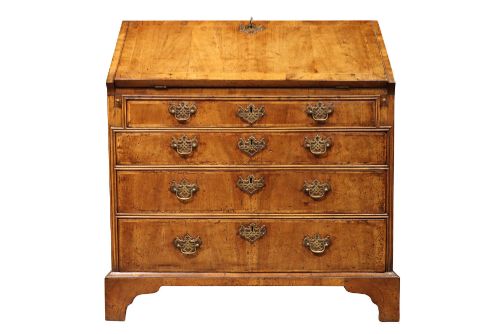
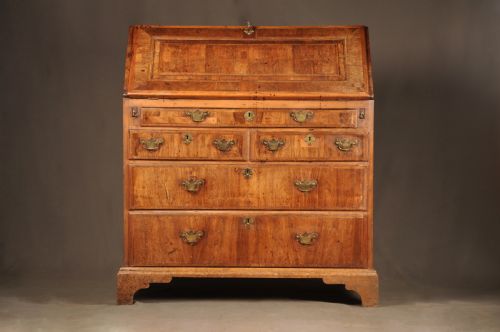
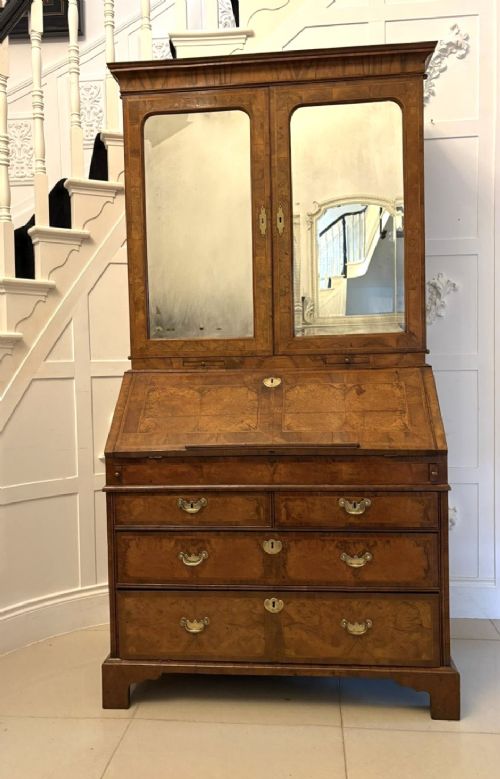
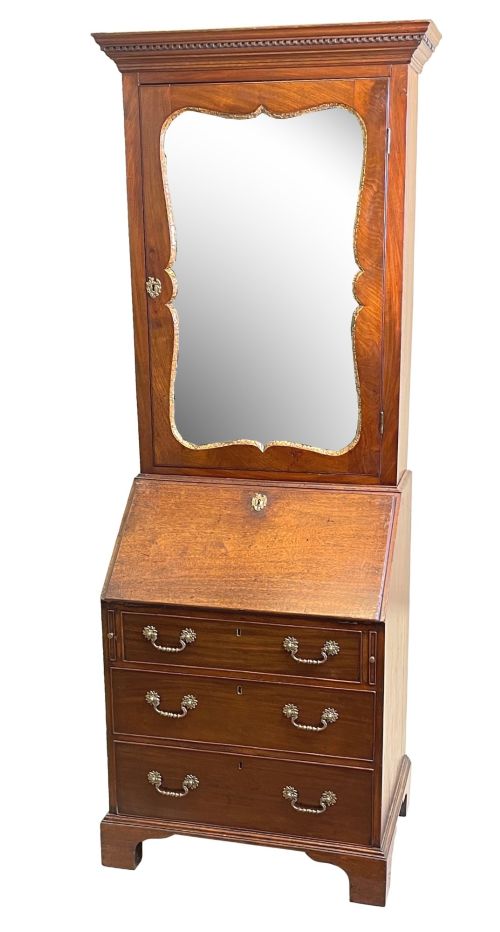
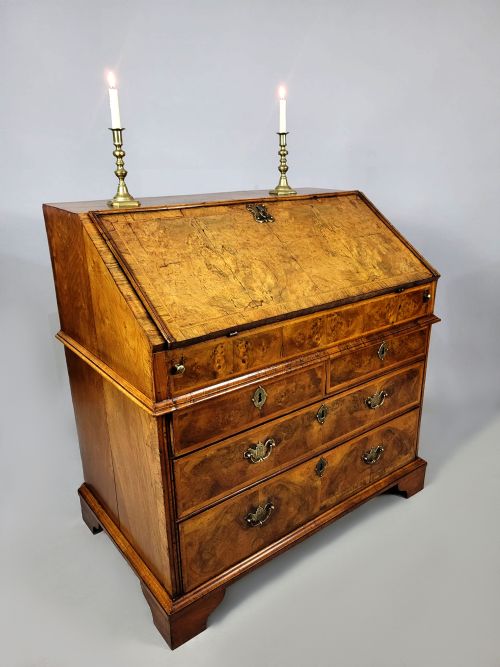
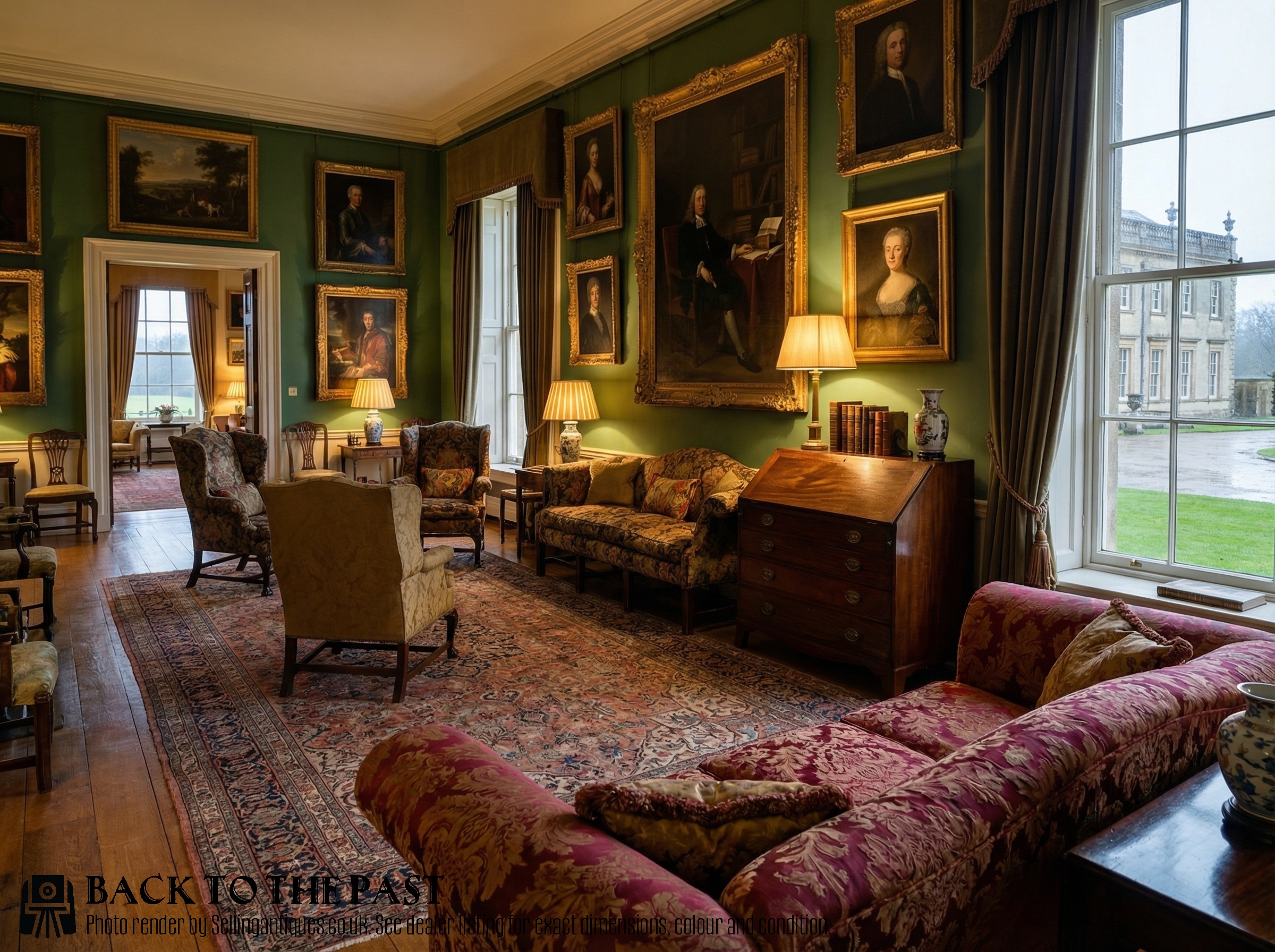
When you seek an 18th century bureau desk, you look for a writing cabinet with a sloping fall-front that opens to reveal a fitted interior of drawers and pigeonholes.
18th Century Bureau Desk
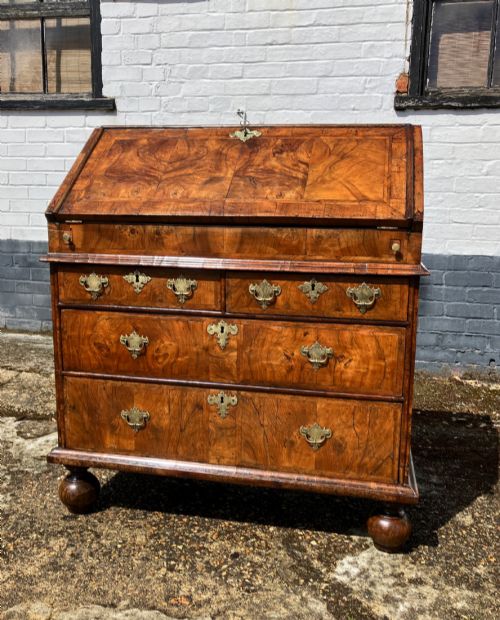
An 18th century bureau desk is a domestic writing cabinet featuring a fall-front flap that lowers to create a writing surface. These pieces frequently appear from the Queen Anne, George I, George II, and George III periods, alongside Dutch baroque and rococo variants.
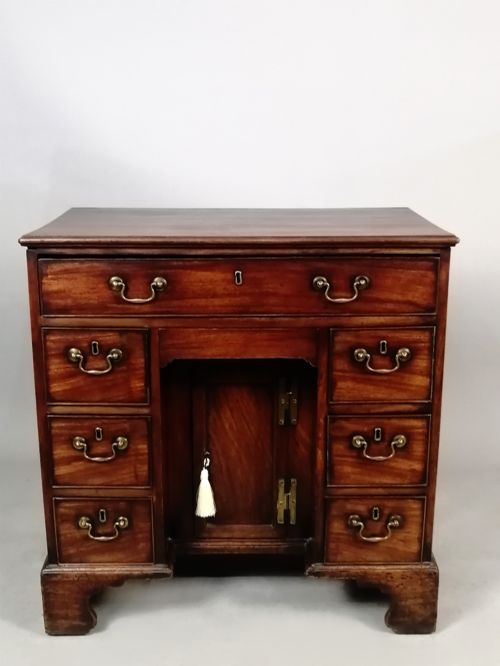
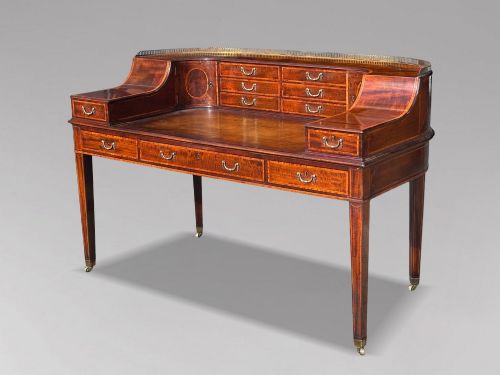
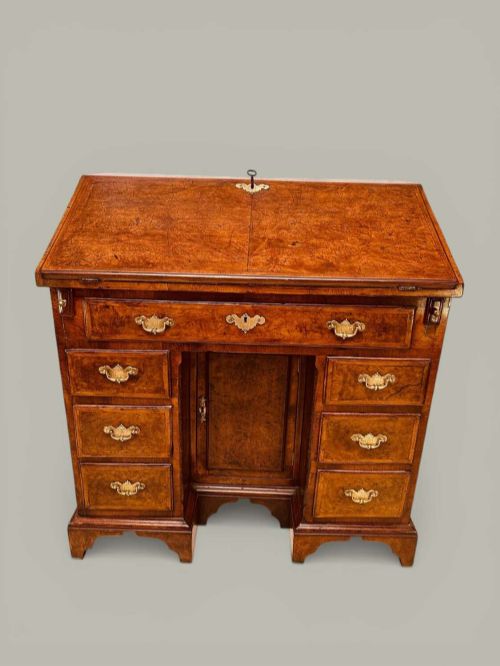
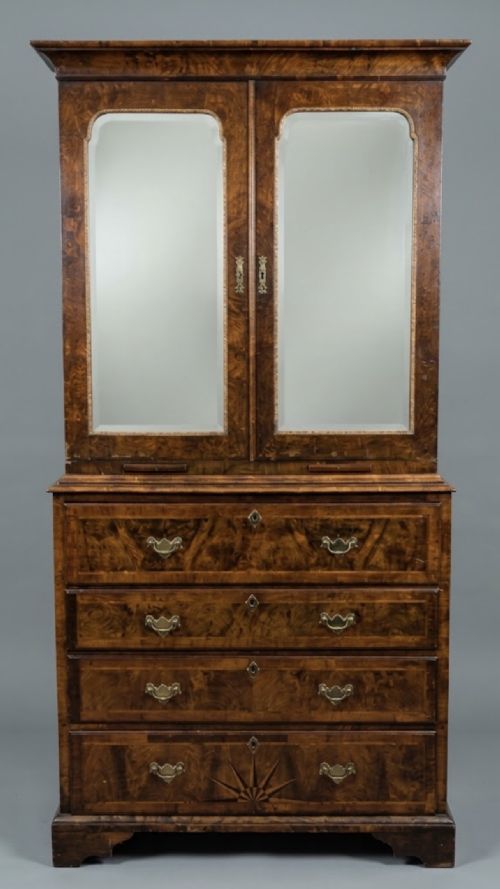
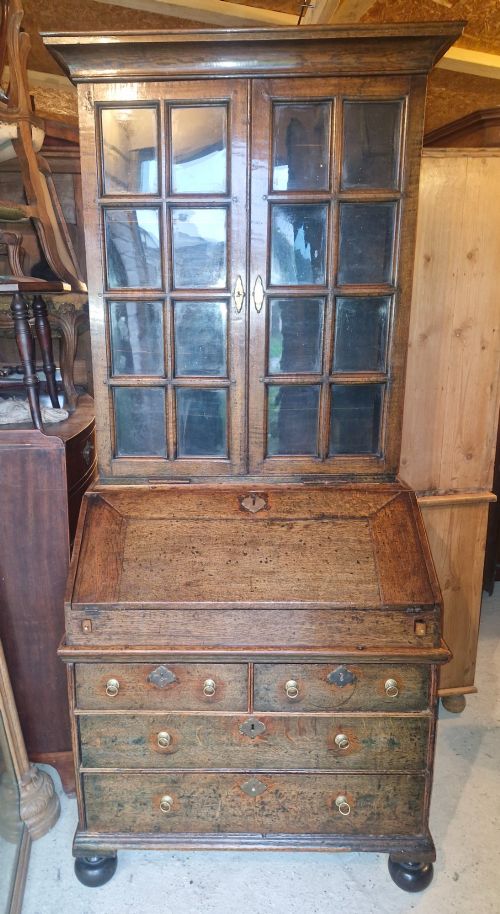
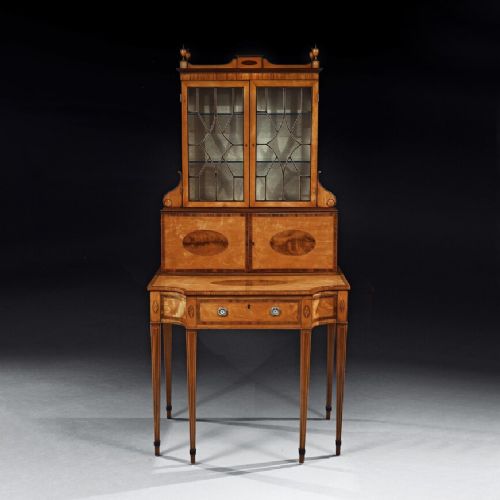
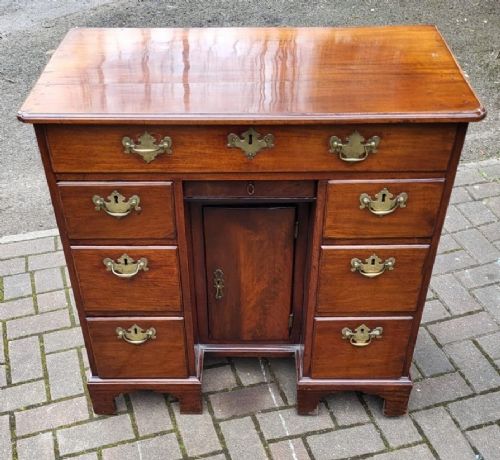
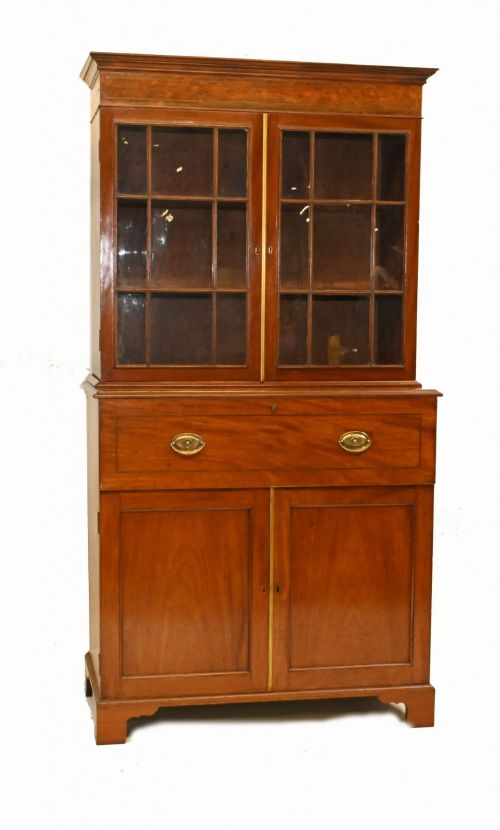
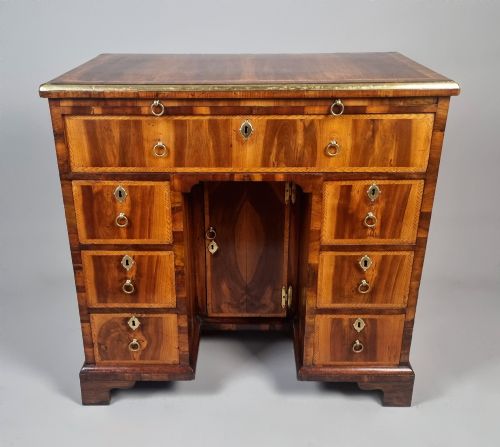
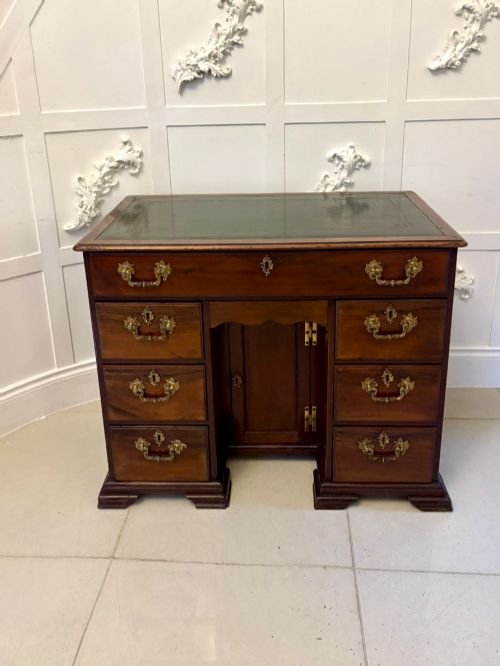
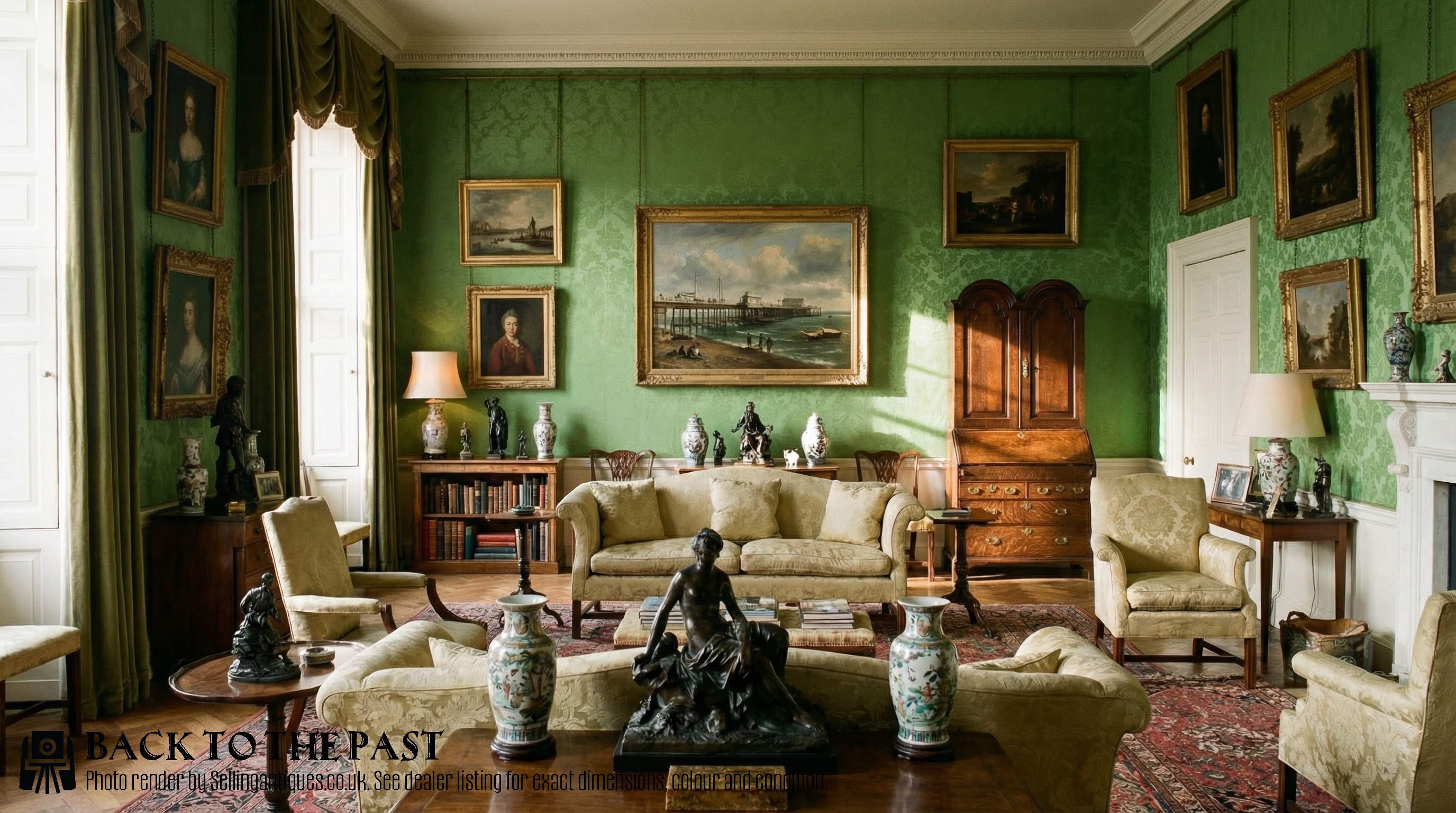
The form ranges from compact table models and oak country pieces to large bureau bookcases surmounted by glazed cabinets. Writing tables, kneehole desks, and escrintoires also emerge within these periods.
Mahogany and walnut predominate, often enriched with burr veneers, marquetry inlay, or featherbanding, while sturdier examples utilise solid oak or fruitwood.
How They Were Made
Cabinetmakers constructed carcass frames in oak or pine, applying expensive timbers such as mahogany, walnut, and burr walnut as veneers across the fall-front and drawer faces. Marquetry panels incorporated floral and pictorial designs in lighter fruitwoods and contrasting woods.
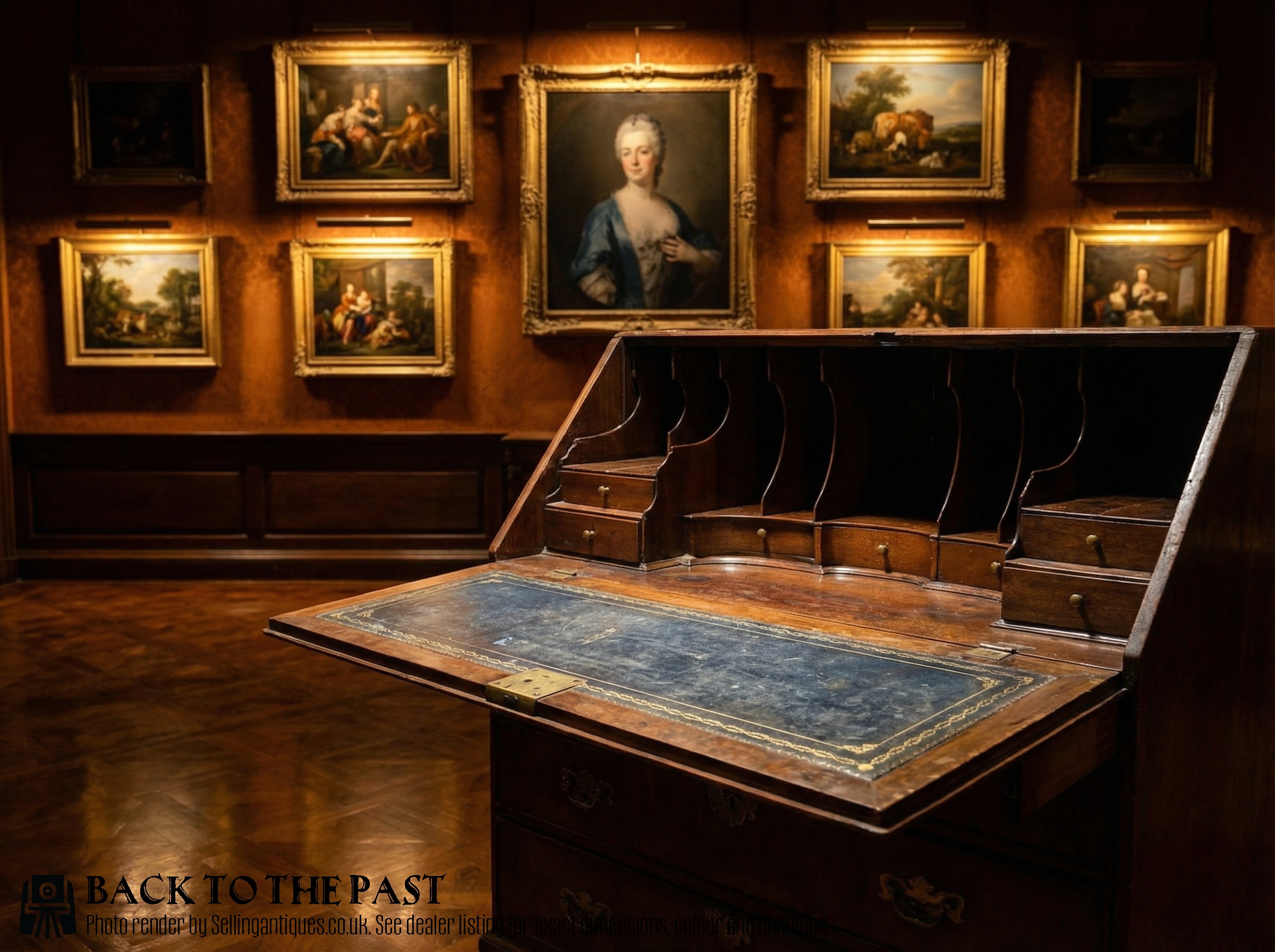
Internal compartments relied on delicate pigeonholes, small drawers, and secret compartments assembled with dovetail joints. Brass handles, escutcheons, and bracket or ogee feet completed the construction.
18th Century Bureau Desk Retail Price Guide 2026
Typical asking prices for 18th century bureau desk among the pieces listed under this phrase on Sellingantiques today, from the lower quarter to the upper quarter. They describe what is for sale here now, not the wider market.
One early oak bureau bookcase has been adapted specifically to accommodate a television.
What Varies in Quality
Quality depends upon the choice of timber figure, such as highly patterned burr walnut or figured mahogany, and the precision of the floral marquetry and parquetry. The complexity and depth of the internal stepped drawers and central compartments dictate the grade of the piece.
Proportion and structural integrity separate standard examples from finer creations, particularly in bombe shaped forms or bureau bookcases where cornices and cabinet doors demand sophisticated joinery.
The 18th Century Bureau Desk Glossary
- Fall-front
- The hinged sloping lid of a bureau that pulls down to serve as a writing surface. It conceals the internal drawers and pigeonholes when closed.
- Burr walnut
- Timber taken from a wart or outgrowth on a walnut tree, yielding a swirling, highly decorative grain pattern. Cabinetmakers used it for veneering prominent surfaces.
- Marquetry
- Decorative veneer patterns made from various coloured woods fitted together to form pictorial or floral motifs. It adorned the exterior flaps of Dutch and English pieces.
- Kneehole desk
- A compact writing table with a central recess for the user's knees, flanked by pedestals of small drawers. Examples appear in walnut, mahogany, and elm from the eighteenth century.
- Escritoire
- A tall writing cabinet or desk featuring a drop-front writing flap. Early versions utilise walnut and oak.
18th Century Bureau Desk: Frequently Asked Questions
How do I use a bureau desk?
Lower the sloping front flap to access the internal writing surface, drawers, and pigeonholes for correspondence or laptop use.
Close and lock the fall-front when finished to conceal papers and restore the clean lines of the cabinet.
What is inside the fall-front?
Opening the flap reveals a stepped arrangement of small drawers, pigeonholes, and occasionally a central cupboard door concealing secret compartments.
Finer versions feature intricate arched compartments and sliding wells for documents.
How do I tell walnut from mahogany?
Walnut displays a rich, warm brown tone with dark grain figuring, prominent in early eighteenth-century pieces like those from the Queen Anne and George I eras.
Mahogany exhibits a redder hue and straighter grain, becoming the dominant timber by the middle of the eighteenth century under George II and George III.
Where should I place a bureau desk?
Position the desk against a sturdy wall in a study or living room where natural light falls across the working flap.
Ensure adequate clearance in front of the piece for a chair when the fall-front is lowered.