


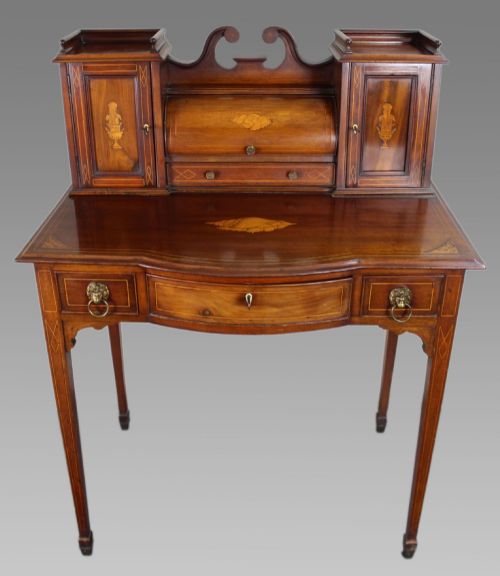
Vintage Mahogany Writing Desk
A vintage mahogany writing desk brings dense grain, fitted drawers and a leather writing surface together for daily correspondence.
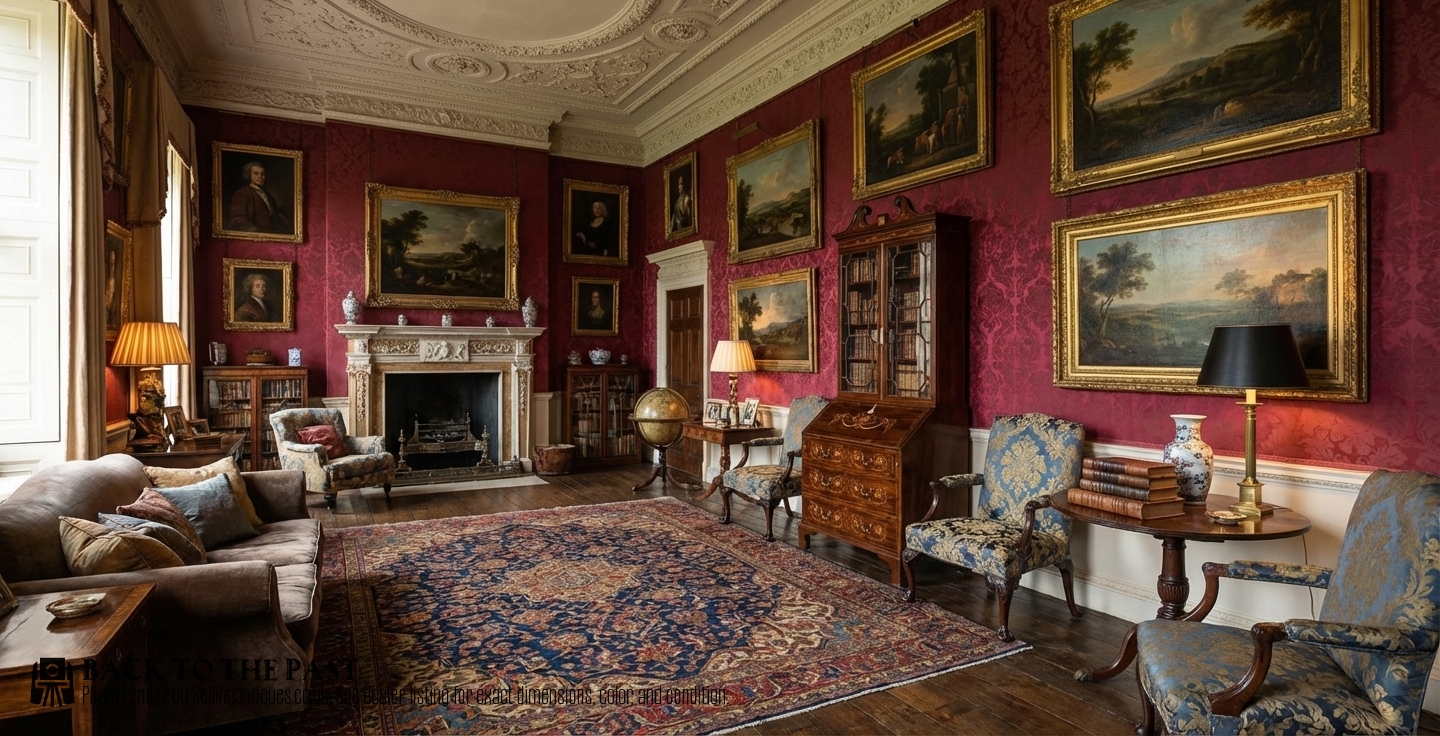
Vintage Mahogany Writing Desk
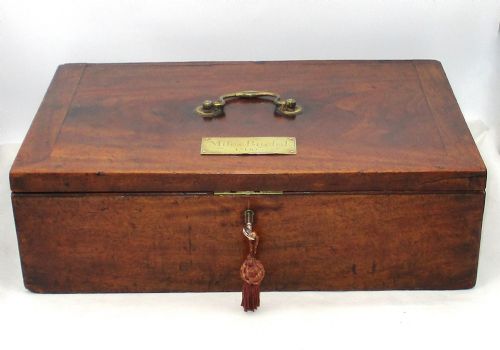
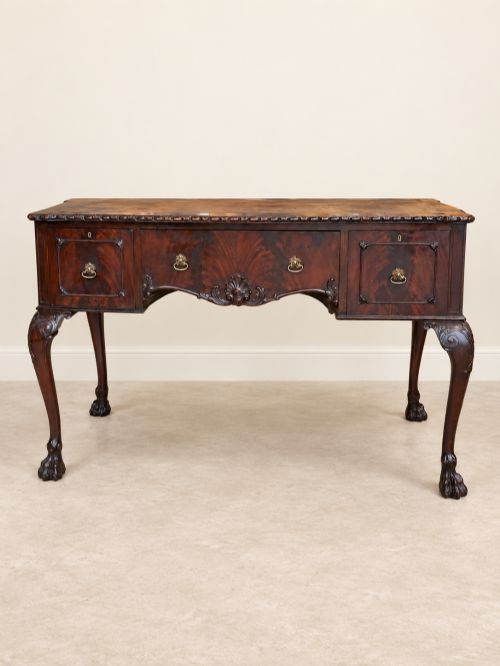
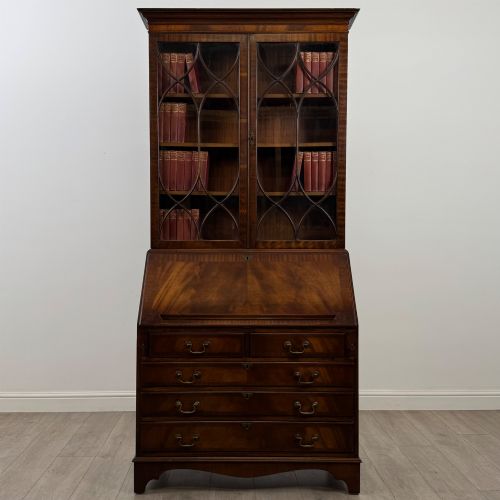
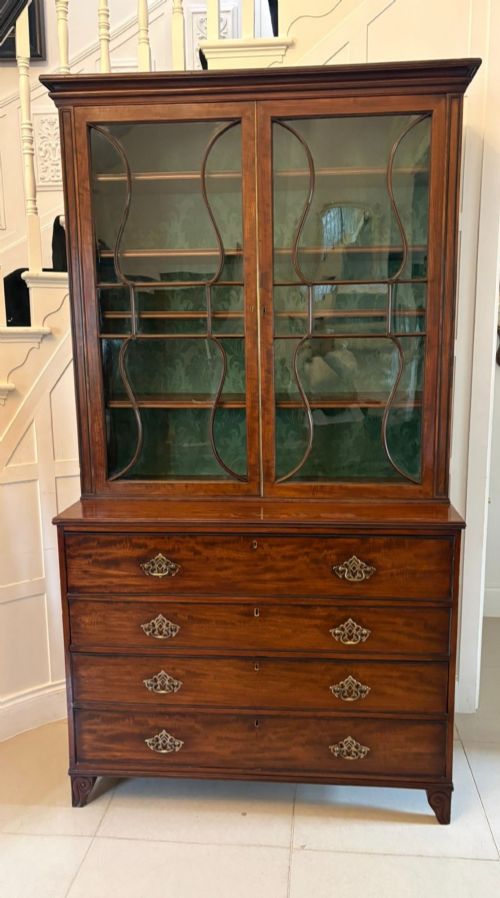
A vintage mahogany writing desk encompasses diverse forms from compact document boxes and campaign slopes to large partners desks and bureau bookcases. These pieces originate across the eighteenth, nineteenth and early twentieth centuries, spanning periods from George III and Regency through to Edwardian production.
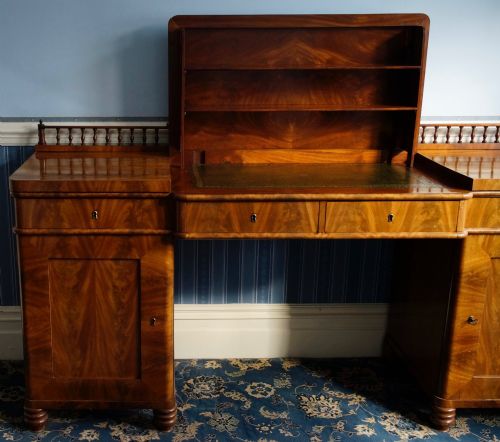
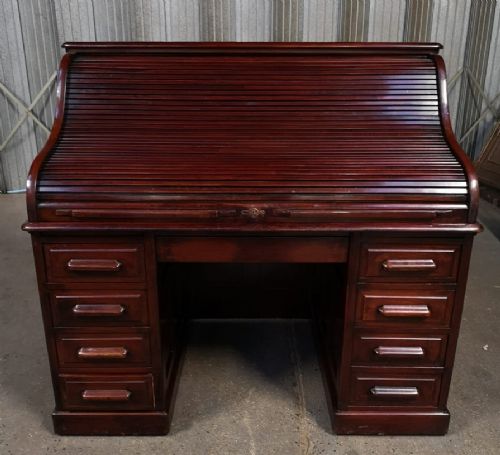
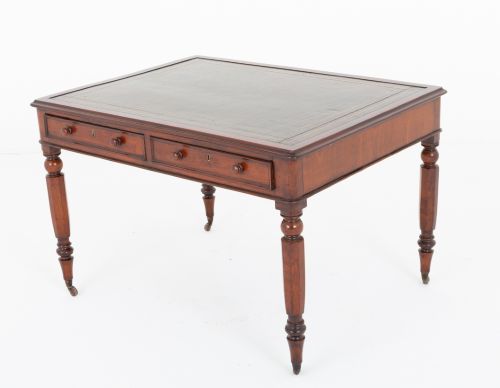
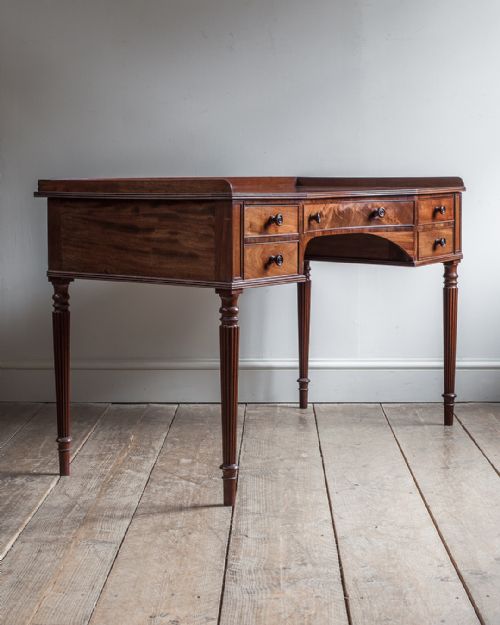
Pedestal desks, writing tables and fall-front bureaux dominate the selection available on this page. Makers constructed these items for libraries, studies and private chambers to manage correspondence and paperwork.
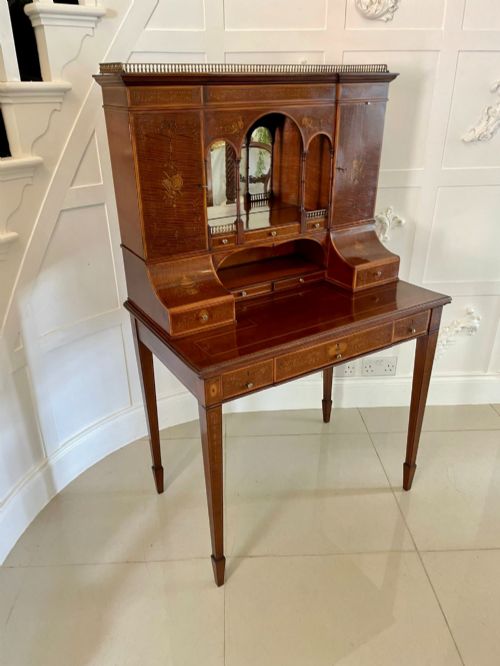
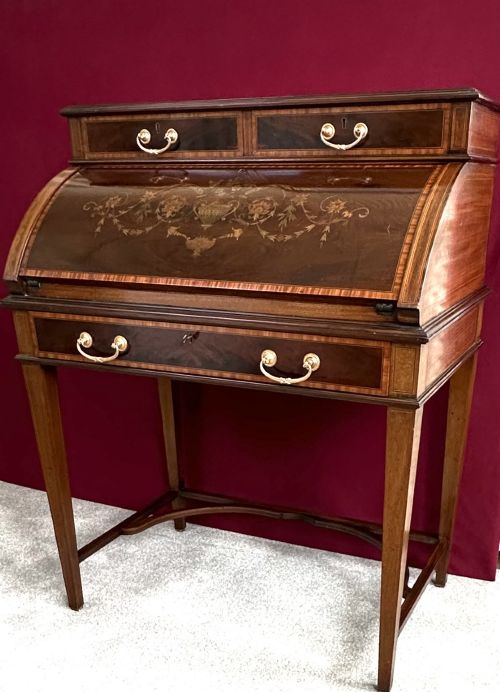
The styles range from plain Georgian and Regency lines to elaborate Victorian and Edwardian inlaid versions, alongside revival pieces referencing Chippendale and Georgian models.
What varies in quality
The selection of timber grain, particularly figure in flame mahogany veneer, separates standard items from exceptional ones. Premium examples display careful matching across expansive surfaces.
Internal complexity dictates distinction, where fitted stationery drawers, secret compartments and original brass handles elevate a piece far above simpler utilitarian counterparts.
Vintage Mahogany Writing Desk Retail Price Guide 2026
Typical asking prices for vintage mahogany writing desk among the pieces listed under this phrase on Sellingantiques today, from the lower quarter to the upper quarter. They describe what is for sale here now, not the wider market.
The styles span Victorian, Regency, Edwardian, Georgian, George III, William IV and Chippendale Revival.
Trollope & sons·Edwards & Roberts·James Mein of Kelso
The Vintage Mahogany Writing Desk Glossary
- Bureau
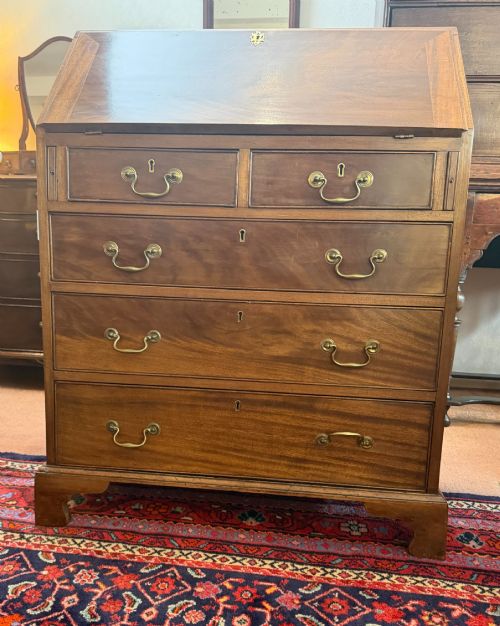
- A desk featuring a sloping hinged lid that opens to reveal a fitted interior of small drawers and pigeonholes. This form sits upon a chest of drawers or a frame.
- Partners desk
- A large pedestal desk designed with drawers and cupboards on both sides, allowing two people to sit opposite each other. These pieces served in offices and libraries.
- Secretaire bookcase
- A tall cabinet combining a glazed upper bookcase section with a central drawer that pulls down to form a writing desk. It conceals internal pigeonholes.
- Campaign slope
- A portable writing box hinged in the centre to open flat, fitted with brass corners and flush handles for travel. These items served officers on military campaigns.
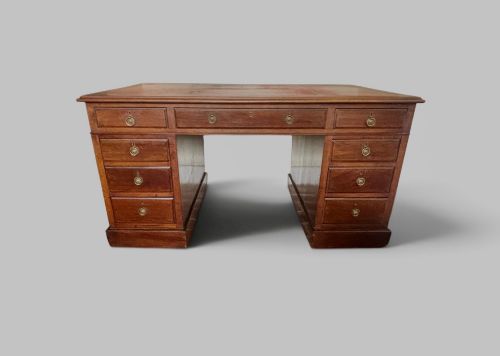
- Pedestal desk
- A form comprising two freestanding pedestals of drawers supporting a wide top with a central kneehole space. They often include inset leather writing surfaces.
Vintage Mahogany Writing Desk: Frequently Asked Questions
How do I distinguish a bureau from a pedestal desk?
A bureau relies on a sloping front flap that opens outward to expose internal compartments. Pedestal desks offer a flat writing surface above two separate stacks of drawers.
Bureaux typically stand higher and provide enclosed storage for stationery, whereas pedestal desks focus on surface area and kneehole clearance.
What is a partners desk used for?
Partners desks were built to accommodate two individuals working face-to-face in shared libraries or administrative offices. They feature identical drawer and cupboard configurations on both long sides.
Their substantial footprint and finished backs distinguish them from single-sided writing tables.
How do I care for a leather writing insert?
Leather surfaces require gentle dusting and occasional conditioning with specialist balms to prevent cracking. Avoid applying harsh chemical cleaners or excess moisture.
Protecting the hide from direct sunlight prevents fading and preserves the gold-tooled borders often found on period examples.
How can I tell a Georgian desk from an Edwardian copy?
Georgian pieces display the construction methods, timber maturity and hardware fixings characteristic of the eighteenth century. Edwardian items often incorporate lighter satinwood stringing and machine-cut dovetails.
Revival styles from the early twentieth century frequently borrow earlier proportions but utilise different internal secondary woods.