
Antique Desk with Cupboard
An antique desk with cupboard brings together practical workspace and concealed storage, offering a traditional solution for organising papers and stationery.

Antique Desk with Cupboard
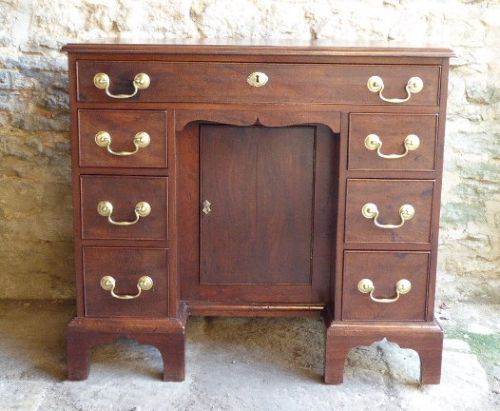
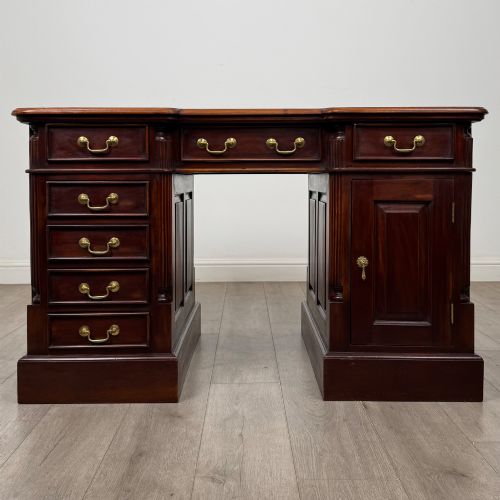
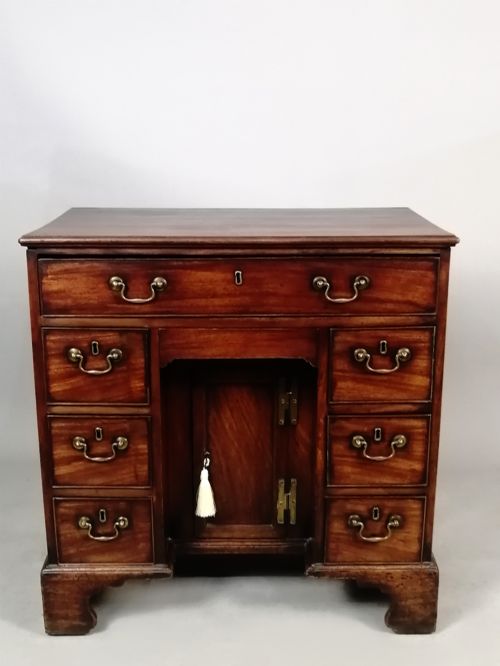
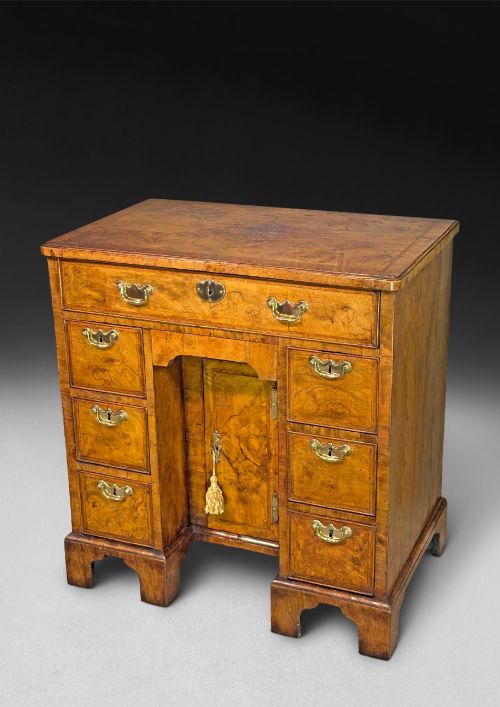
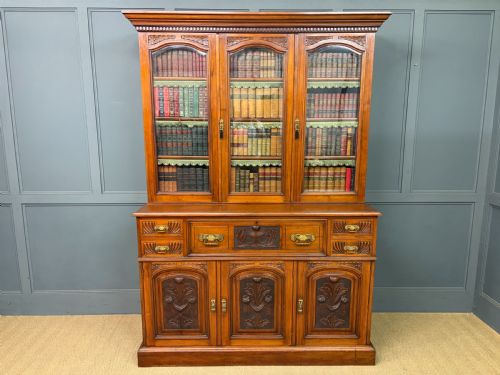
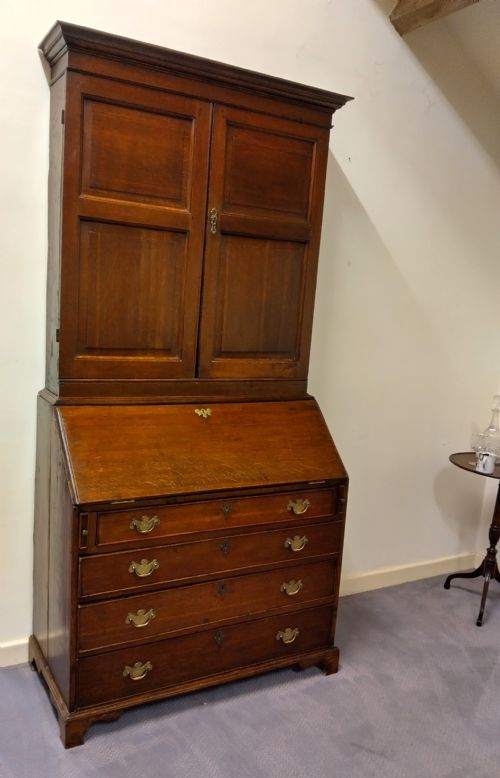
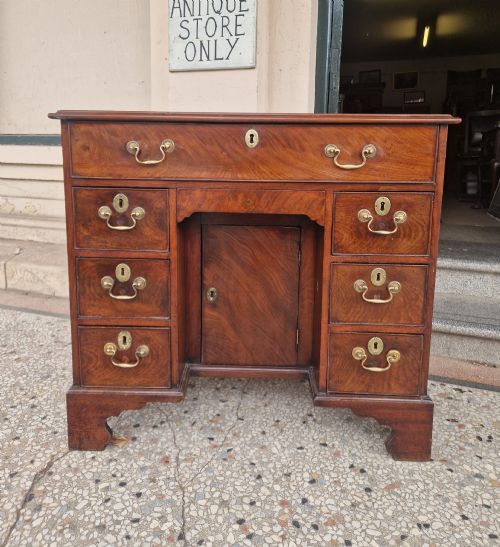
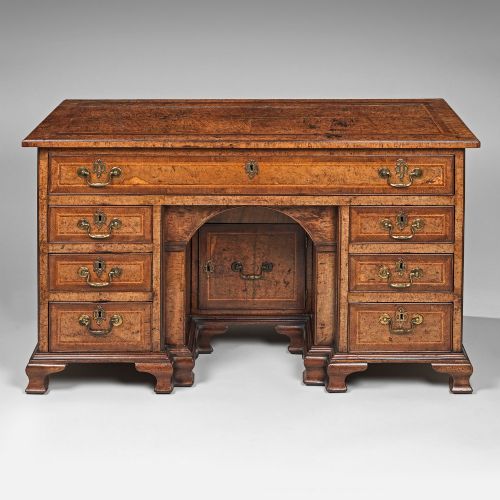
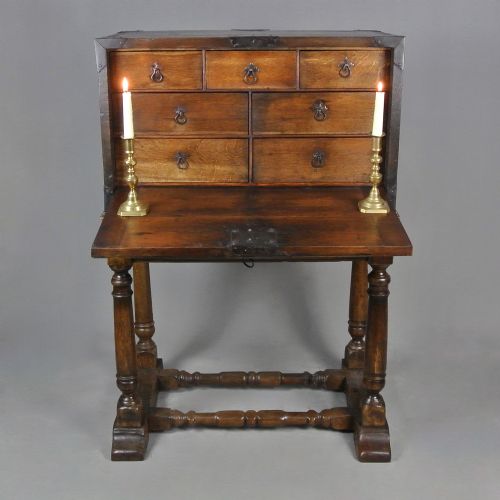
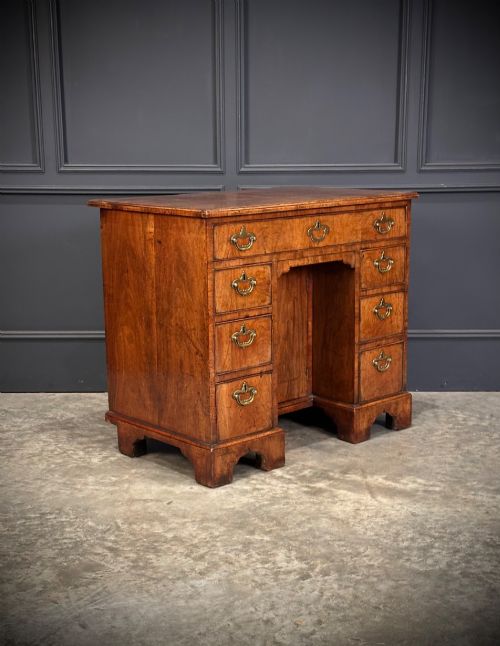
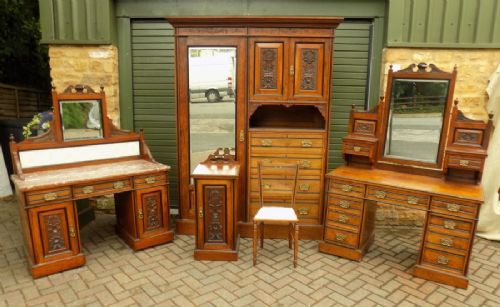
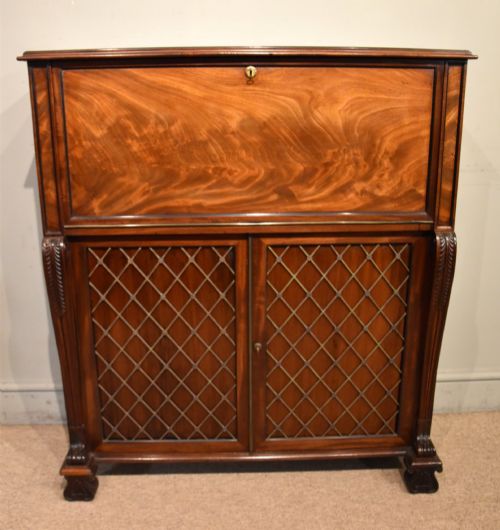
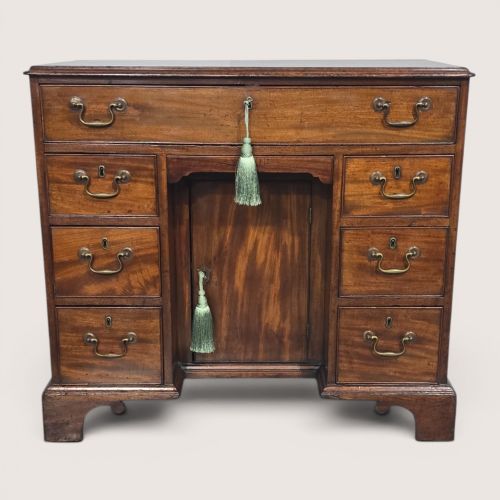
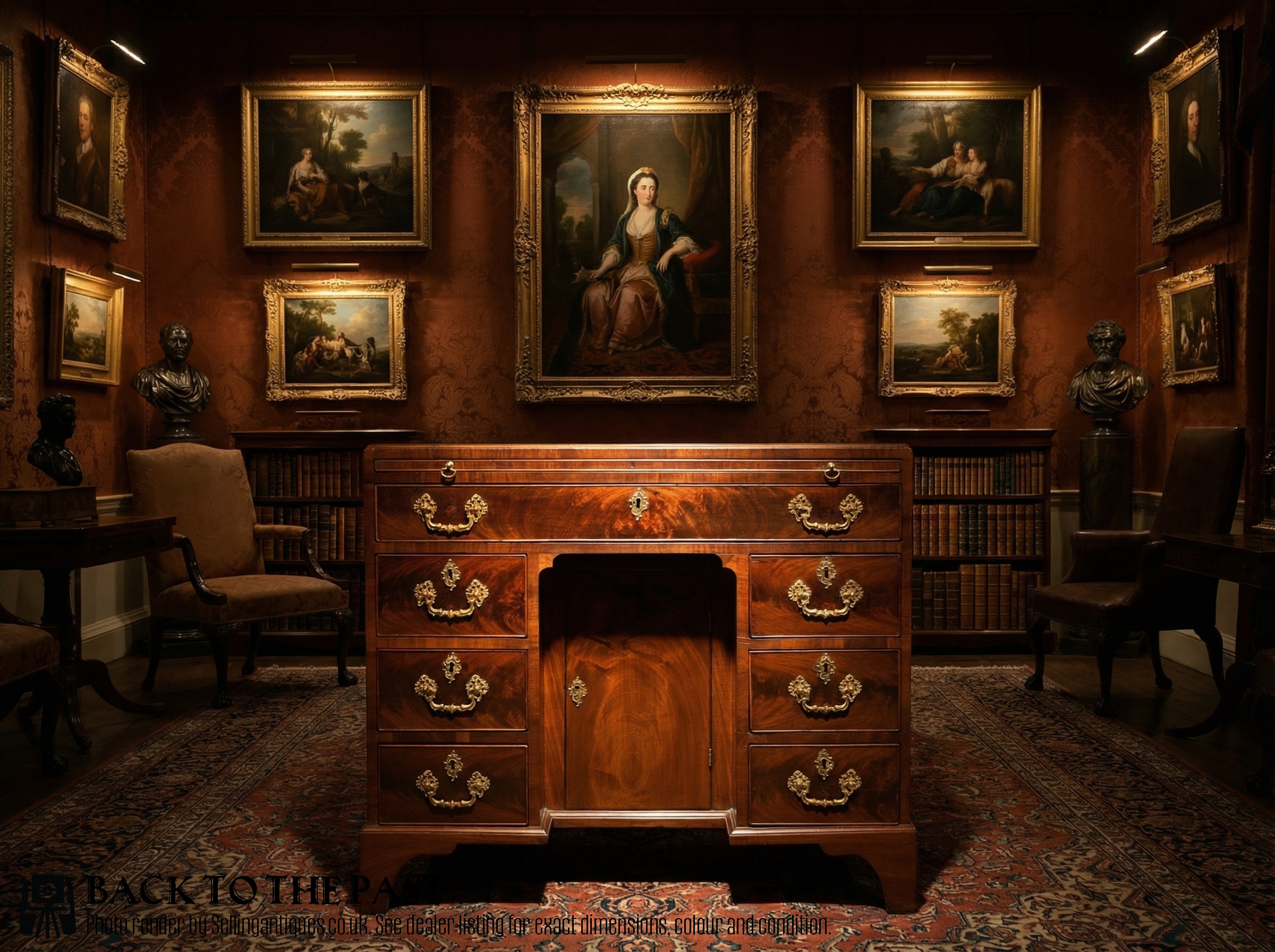
When you search for an antique desk with cupboard, you encounter a variety of forms that combine writing surfaces with enclosed storage spaces. These pieces span centuries, appearing as kneehole desks, bureau bookcases, and cabinets with secretaire drawers from Georgian, Victorian, and Edwardian periods.
The layout typically integrates small cupboards, drawers, or bookcase sections above or beside the primary writing area. Oak and mahogany serve as the primary woods for these hybrid pieces, often shaped in Georgian or revival styles to suit formal studies and home offices.
How they were made
Cabinet makers constructed these desks using solid timbers like oak, walnut, and mahogany, frequently applying veneers such as flame mahogany or burr walnut to prominent surfaces. Structural joins relied on traditional woodworking methods, ensuring durability across centuries of daily use.
Hardware such as brass drop handles, key escutcheons, and working locks added both security and functional detail to the cupboard doors and drawers. Glass panels appeared in upper bookcase sections, while leather inserts occasionally lined the writing surfaces of writing tables and pedestal desks.
Antique Desk with Cupboard Retail Price Guide 2026
Typical asking prices for desk with cupboard among the pieces listed under this phrase on Sellingantiques today, from the lower quarter to the upper quarter. They describe what is for sale here now, not the wider market.
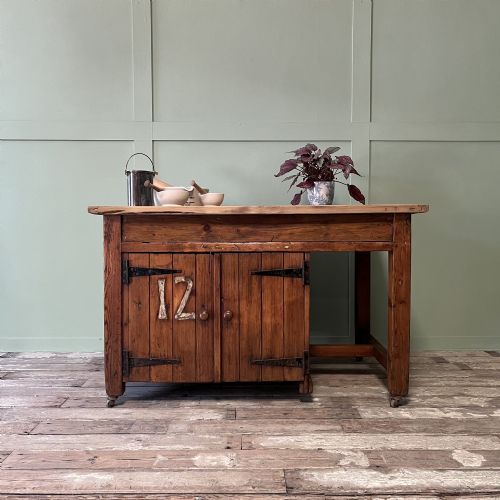
Desk formats range from compact tabletop cabinets to large pedestal desks with integrated cupboards.
What varies in quality
The standard of timber selection and veneer matching defines the visual merit of each piece, with figured grains commanding greater attention. Finer examples display meticulous attention to internal drawer construction and the integration of concealed compartments within the cupboard sections.
Original hardware, including period brass handles and working locks with matching keys, elevates the integrity of an individual desk. Subtle proportions and restrained decorative carving distinguish workshop output from simpler vernacular furniture.
Gillows·Johnstone & Jeanes
The Antique Desk with Cupboard Glossary
- Kneehole desk
- A compact writing table featuring a central recessed space for the legs, flanked by pedestals of small drawers or cupboards.
- Bureau bookcase
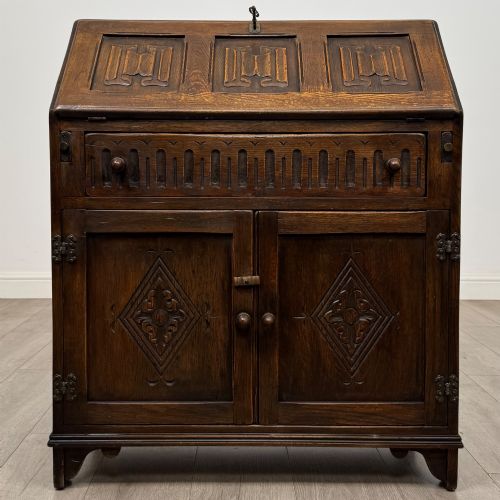
- A writing cabinet with a sloping fall-front desk combined with an upper shelved cabinet enclosed by doors.
- Secretaire
- A writing drawer or compartment concealed behind a drop-front panel within a larger cabinet or sideboard.
- Pedestal desk
- A heavy freestanding writing table supported on two independent columns of drawers or cupboards.
- Linenfold
- A style of carved wooden panelling resembling folded vertical linen, commonly seen on oak furniture.
Antique Desk with Cupboard: Frequently Asked Questions
What is an antique desk with cupboard?
These pieces combine a functional writing surface with built-in storage compartments, enclosed behind cupboard doors or incorporated into pedestal columns. They served domestic and office environments for managing correspondence and paperwork.
Designs range from compact walnut kneeholes to large oak bureau bookcases. Each configuration prioritises both concealed storage and a dedicated area for writing.
How do I date an antique desk?
Dating relies on observing construction methods, timber choices, and stylistic traits associated with specific eras such as the Georgian or Victorian periods. Secondary woods used inside drawers and the style of brass hardware offer further chronological clues.
Changes in cabinetmaking technology from hand-cut dovetails to machine assistance help narrow down the decade of manufacture. Comparing the overall proportion against documented period furniture provides additional confirmation.
Where were these desks used?
Original placement included estate libraries, private studies, and merchants' offices where secure document storage was essential. The cupboard sections kept ledgers and correspondence safely locked away when not in use.
Today, these versatile items fit easily into modern living spaces as home office workstations. Their enclosed storage helps maintain a tidy room while providing daily writing utility.
What woods were commonly used?
Mahogany and oak form the bulk of surviving examples, chosen for their strength and rich grain patterns. Walnut and satinwood also appear, particularly in high-status pieces featuring decorative veneers.
Regional preferences often dictated the choice of timber, with Welsh and English oak frequently found in earlier country pieces. Exotic woods like Cuban mahogany became prevalent during the eighteenth and nineteenth centuries.