


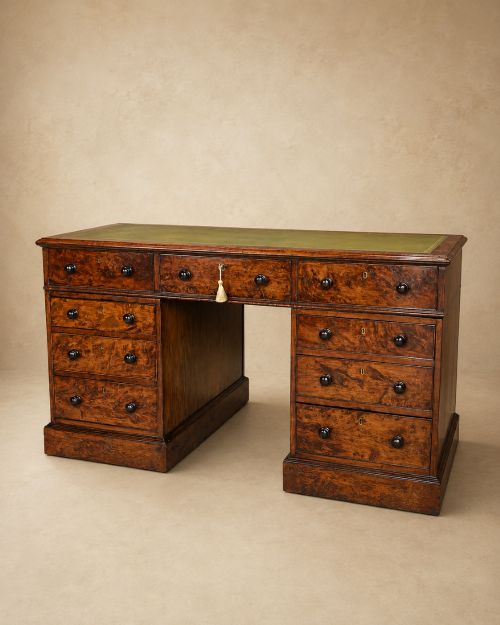
Victorian Study Table
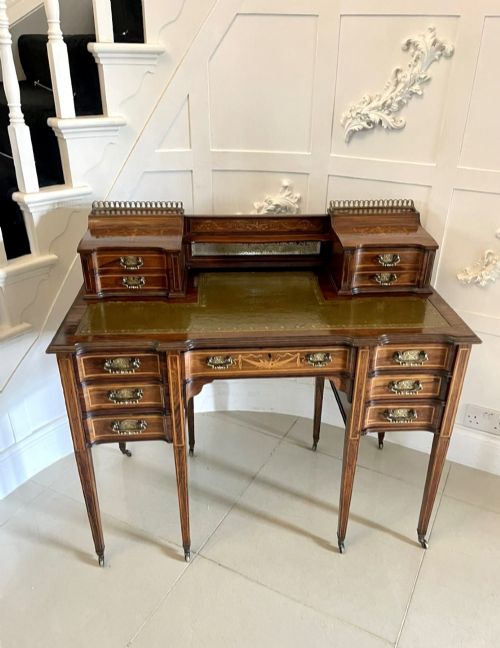
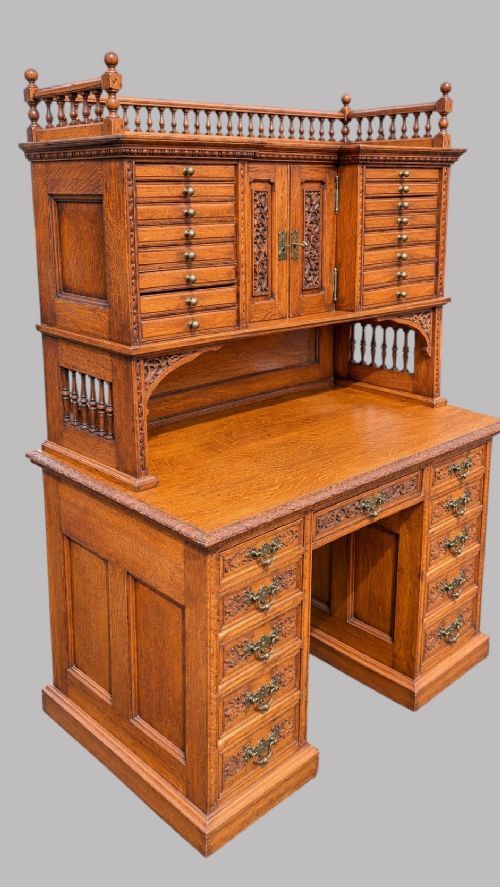
A victorian study table offers functional workspace built from rich hardwoods, designed to serve as the centrepiece of a traditional home office.
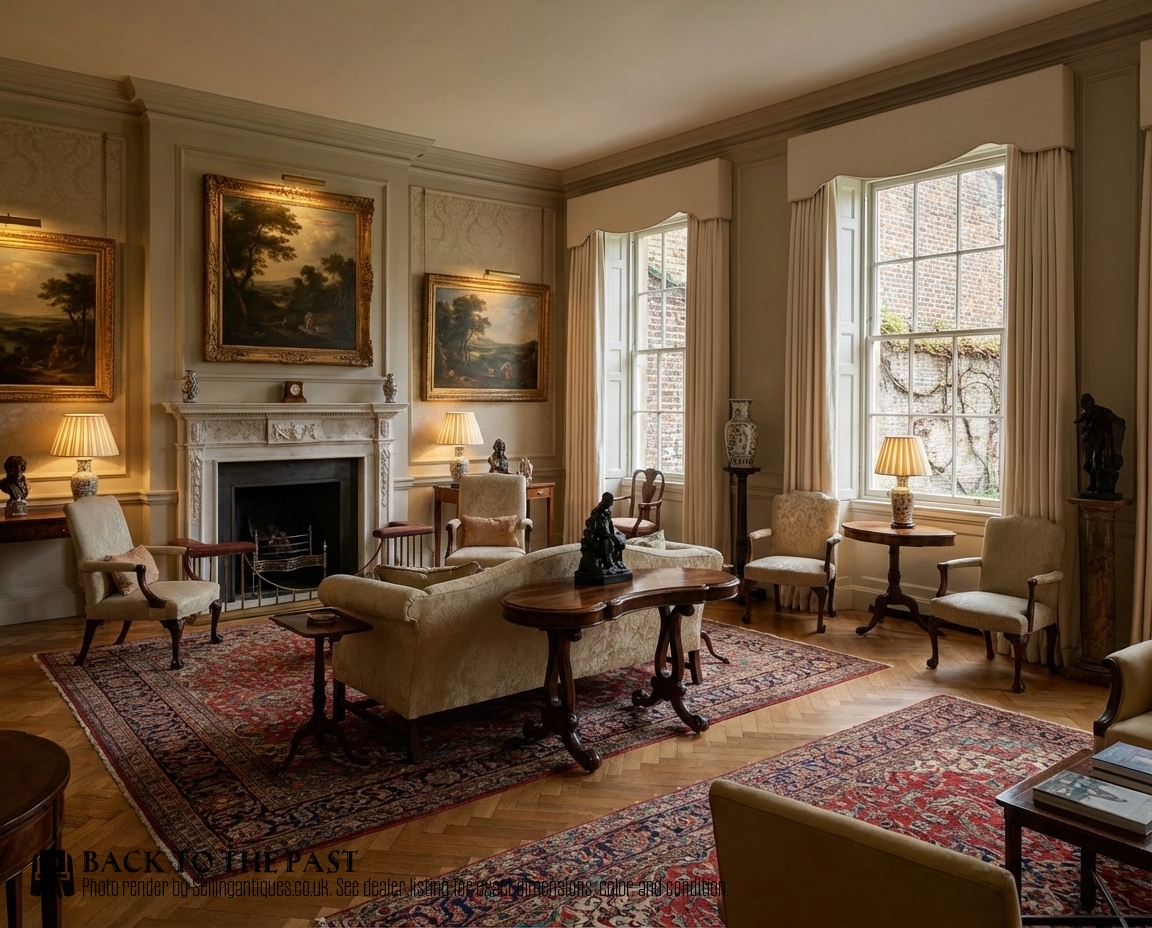
Victorian Study Table
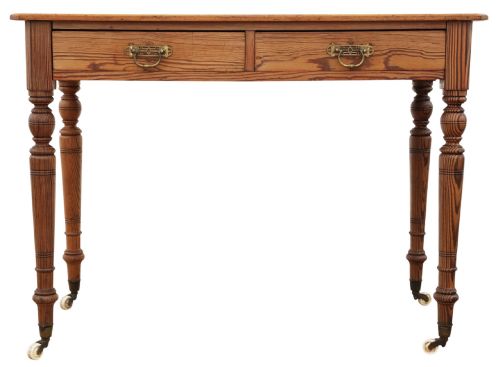
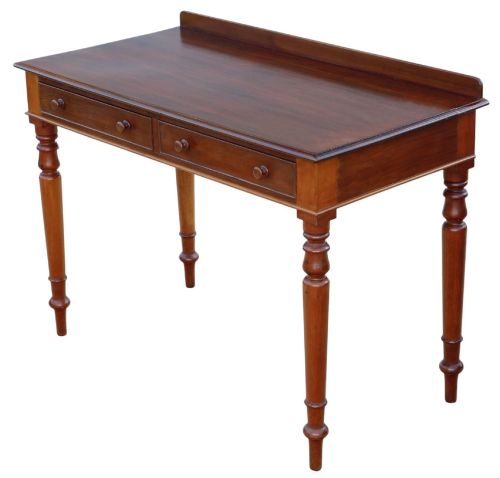
When searching for a victorian study table, a buyer encounters heavy timber desks, pedestal tables, and library writing desks spanning the nineteenth century. These forms originate from periods including early Victorian, late Victorian, and William IV, reflecting the robust joinery demanded by period households.
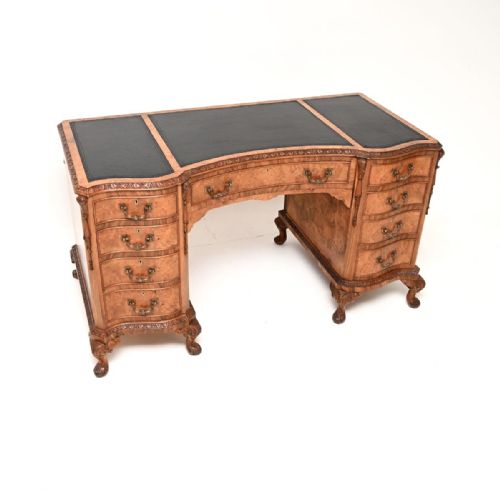
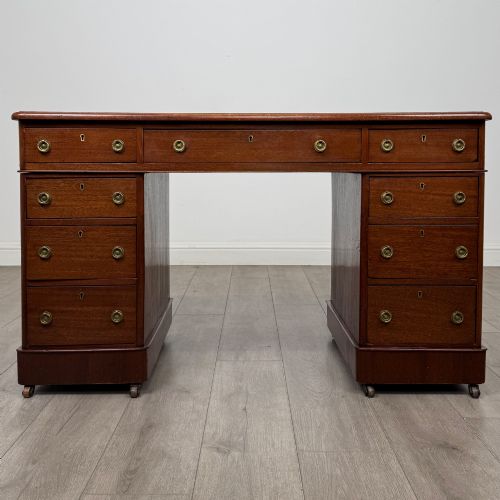
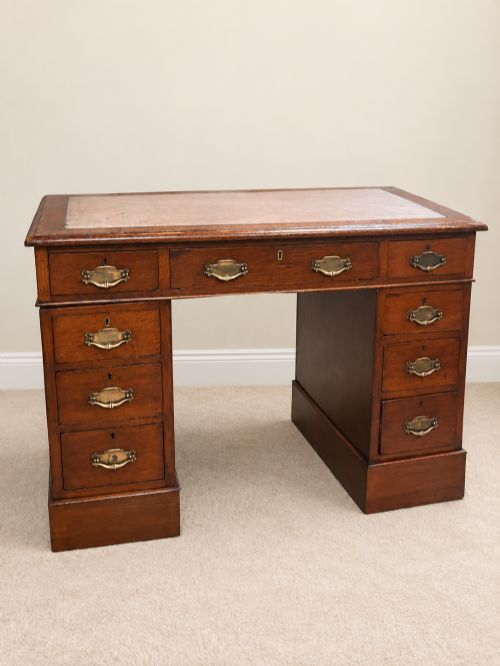
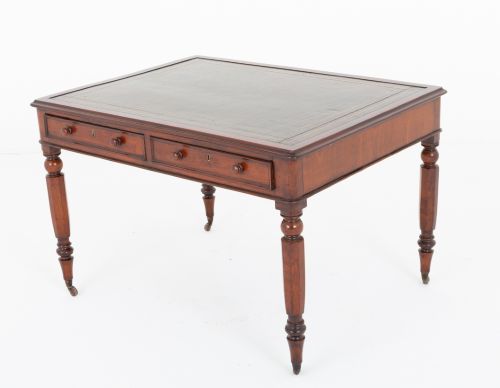
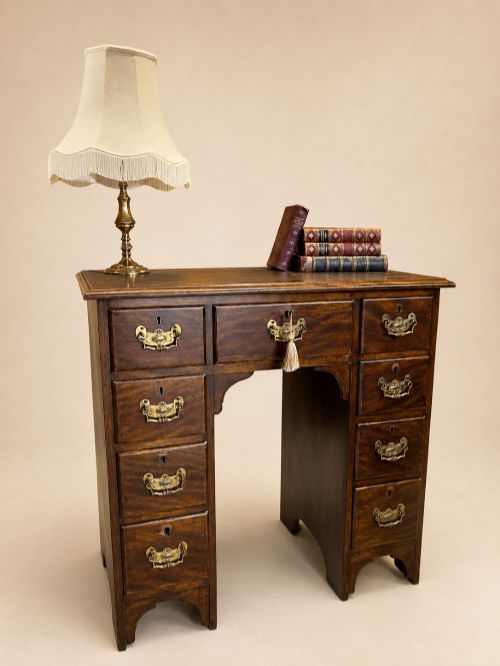
Pedestal desks and twin pedestal variants dominate the selections, alongside free-standing library tables and kneehole desks. Most pieces utilise woods such as mahogany, oak, walnut, and rosewood, often fitted with inset leather writing surfaces.
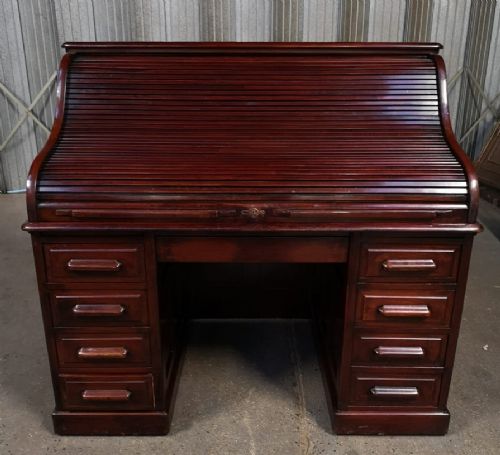
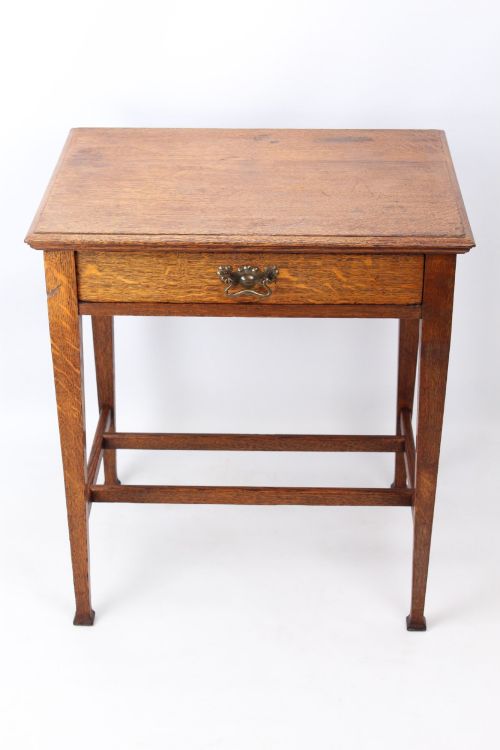
Occasional variations include roll top desks, Davenport forms, and lighter Arts and Crafts or Aesthetic movement examples. The typical piece functions as a primary work surface, combining functional drawers with decorative timber figuring.
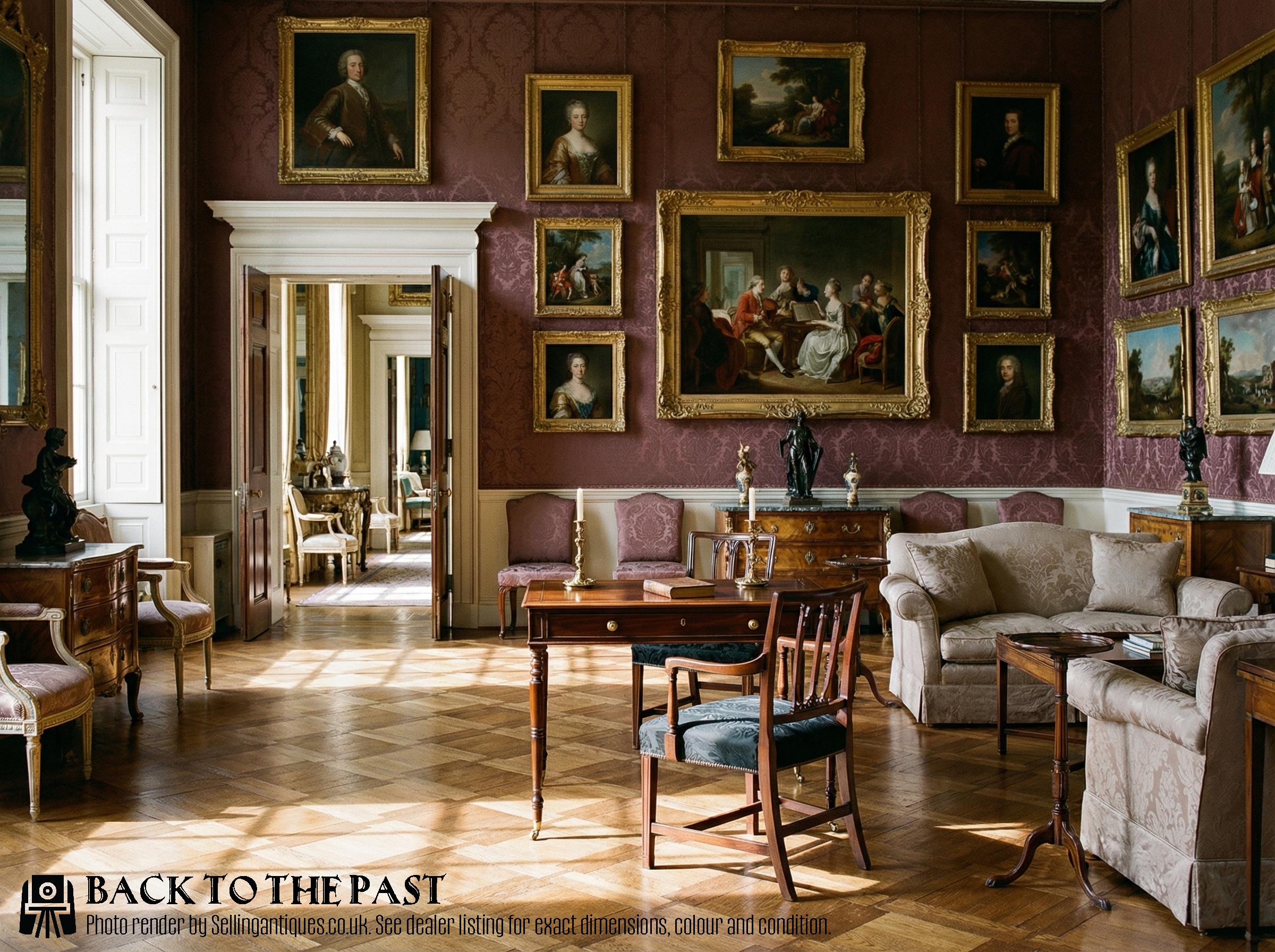
How they were made
Makers constructed these tables using solid hardwoods like mahogany, oak, and walnut, frequently applying burr walnut or rosewood veneers to primary surfaces. Carcases often feature secondary framing timbers joined with traditional techniques to support the heavy weight of the wood.
Writing surfaces typically incorporate tooled leather inserts, sometimes embellished with gold leaf blocking or royal commemoratives. Brass hardware, original handles, and occasional inlay work in ivory, pewter, or lighter woods complete the construction.
Victorian Study Table Retail Price Guide 2026
Typical asking prices for victorian study table among the pieces listed under this phrase on Sellingantiques today, from the lower quarter to the upper quarter. They describe what is for sale here now, not the wider market.
Listings feature woods including mahogany, oak, walnut, burr walnut, rosewood, pitch pine, and ebonised wood across the nineteenth century.
What varies in quality
The degree of refinement in timber selection and cabinetmaking distinguishes standard utilitarian tables from high-end commissions. Figures in the wood grain, such as flame mahogany or burr walnut, indicate superior material sourcing by the workshop.
Heal and Son·Trollope and Sons·Edwards and Roberts·Maple and Co·Johnstone and Jeanes·Charles Andrea Nosotti·Jackson and Graham
The Victorian Study Table Glossary
- Pedestal desk
- A heavy desk comprising two separate banks of drawers supporting a single top writing surface. These forms provide extensive storage alongside a central kneehole.
- Partners desk
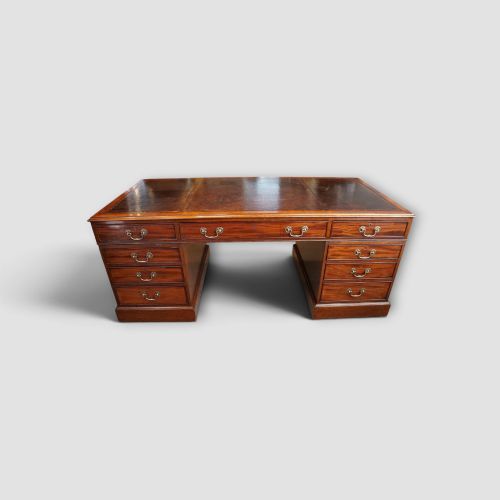
- A large double-sided desk designed for two people to work opposite one another. These tables feature drawers and cupboards accessible from both sides.
- Library table
- A large free-standing table utilised for reading and writing, finished on all sides so it can stand in the middle of a room. They often lack pedestal drawers, relying instead on a frieze fitted with functional compartments.
- Kneehole desk
- A compact desk featuring a recessed space for the legs beneath the writing surface, flanked by smaller sets of drawers. This layout maximises workspace while maintaining a structured footprint.
- Marquetry
- The art of forming decorative patterns using thin veneers of different coloured woods. Craftsmen cut and fit these pieces together to create intricate floral or geometric designs.
Victorian Study Table: Frequently Asked Questions
What is a partners desk?
A partners desk is a large writing table built with drawers and cupboards on both opposing sides. This design allowed two people to sit and work facing each other.
Such tables typically sat in the middle of large libraries or administrative offices rather than against a wall.
How do I care for the leather top?
Leather writing surfaces require gentle cleaning with a slightly damp cloth and occasional treatment with appropriate leather balms. Avoid harsh chemical cleaners that can strip the original tooling and gold leaf.
Keeping the leather conditioned prevents cracking while preserving the historical patina developed over generations of use.
Are these desks suitable for daily computer work?
These tables provide generous surface area and sturdy construction capable of supporting modern monitors and writing equipment. The deep drawers also accommodate modern office supplies.
Buyers should measure kneehole clearances carefully to ensure comfortable seating posture with contemporary office chairs.
How do I distinguish a library table from a pedestal desk?
Library tables stand on four legs without built-in banks of drawers beneath the top, presenting a finished appearance on all sides. Pedestal desks rely on two heavy stacks of drawers to support the writing surface.
Library tables were designed to sit in open spaces, whereas pedestal desks typically faced a wall or stood perpendicular to it.