

Reeded Leg Desk
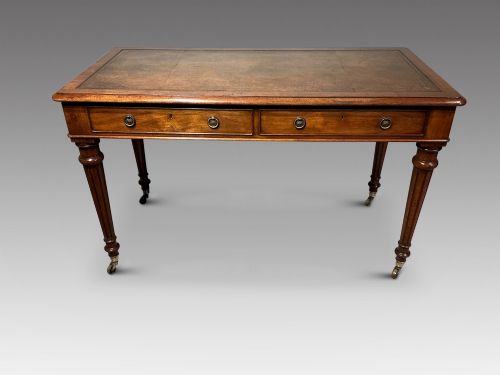
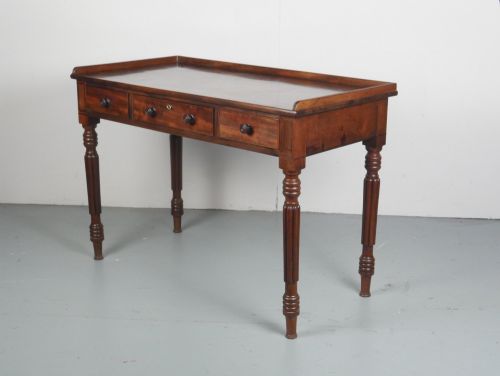
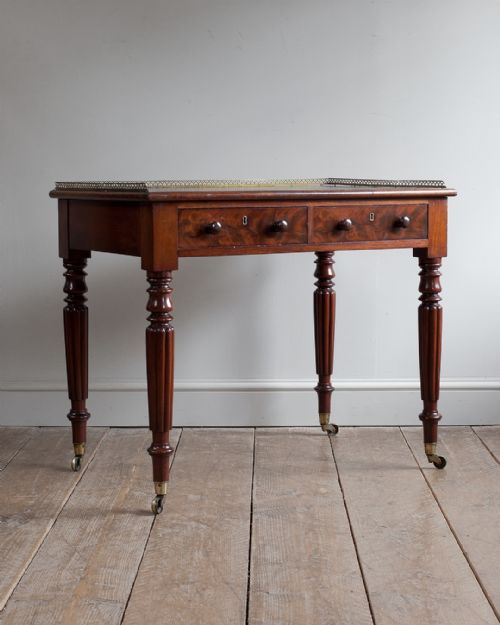
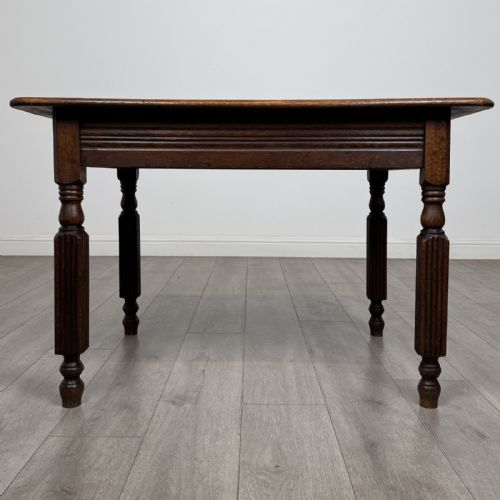
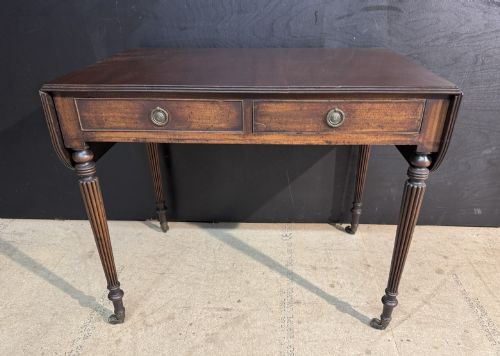
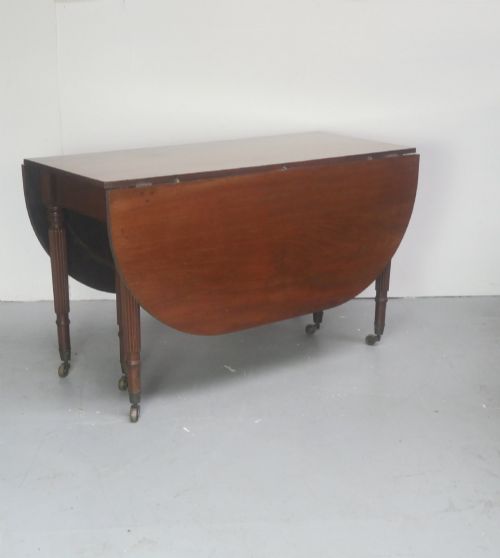
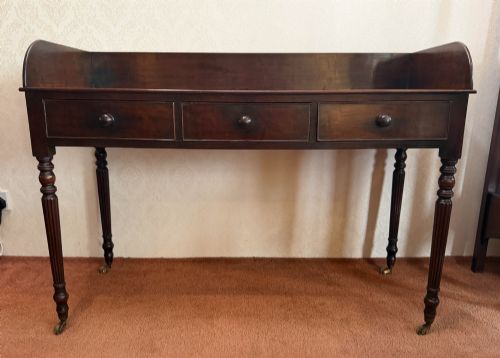
When you search for a reeded leg desk, you are looking at writing tables and desks defined by finely turned or carved vertical grooves.
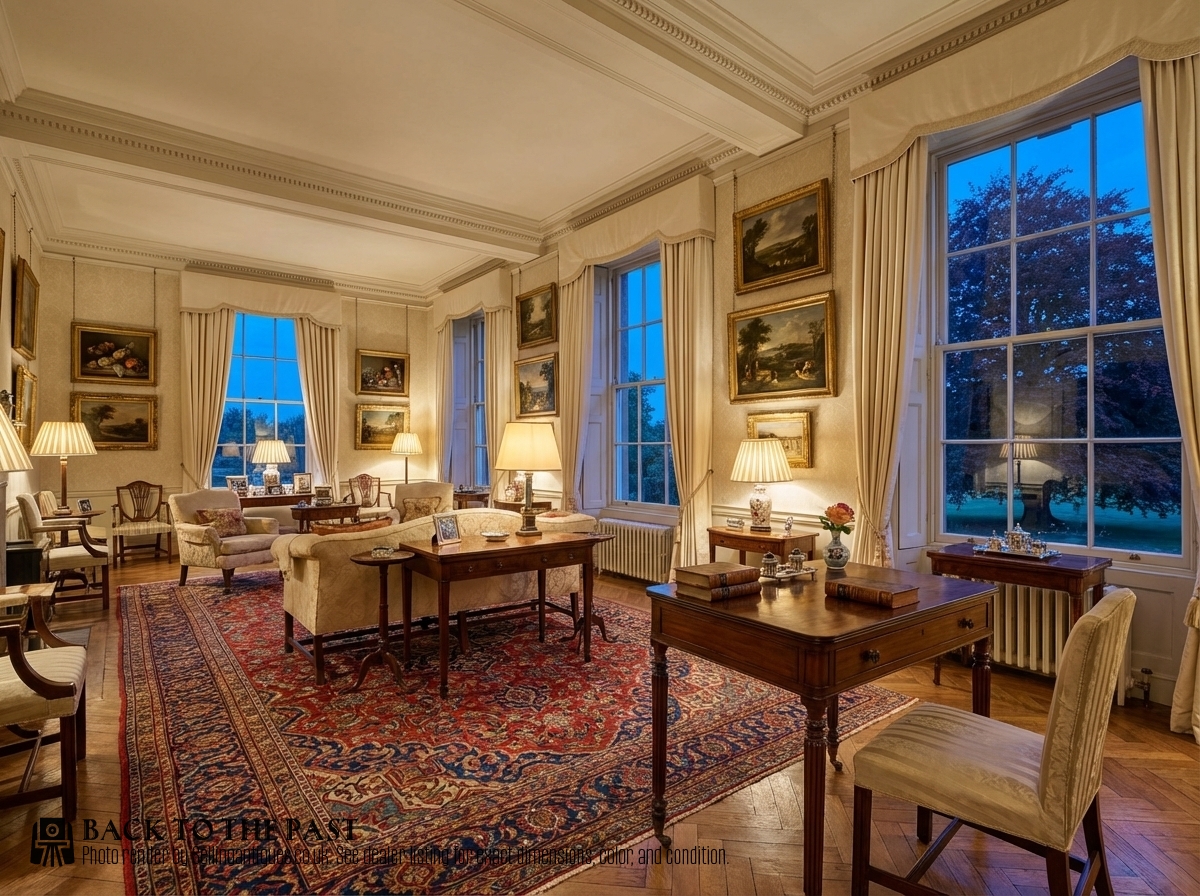
Reeded Leg Desk
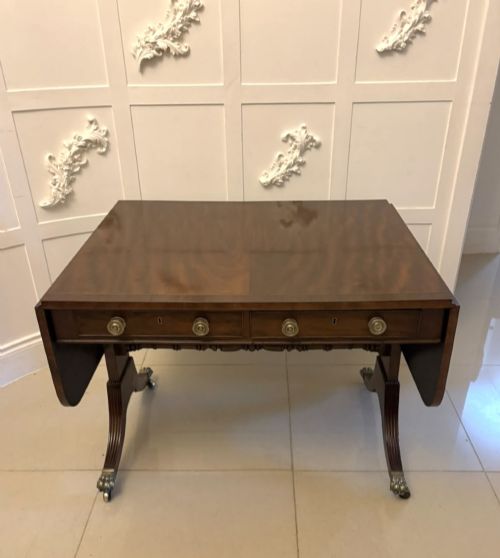
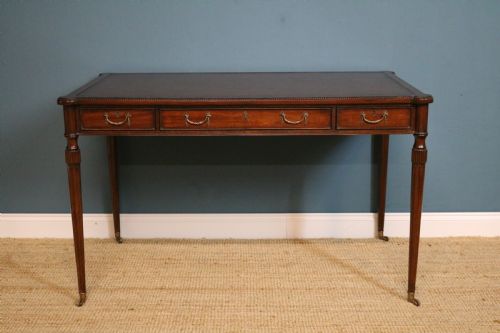
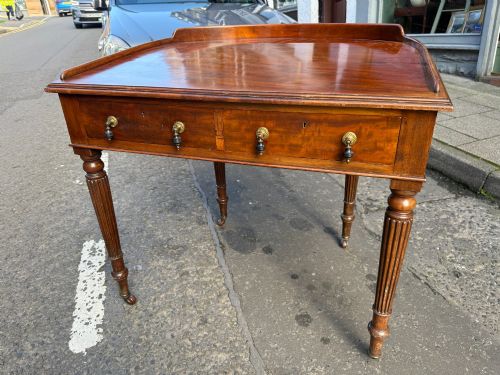
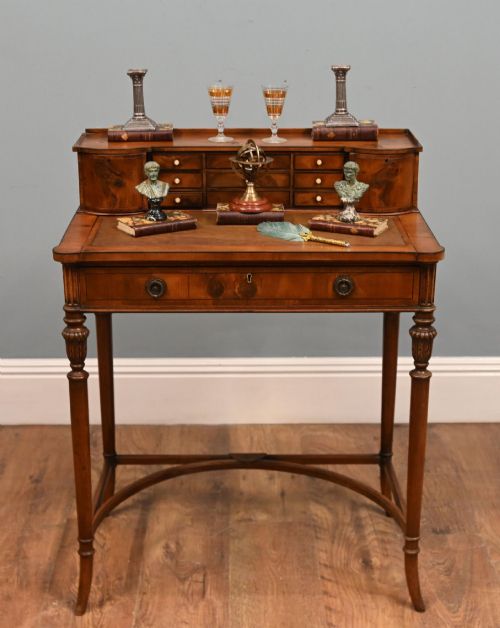
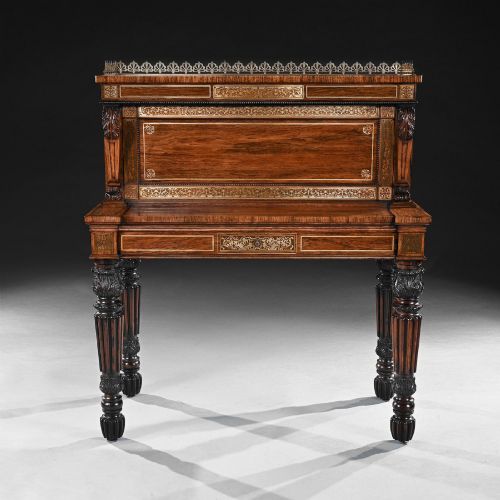
A reeded leg desk brings together writing tables and libraries desks rooted primarily in the Georgian, Regency, and Victorian periods. You will most frequently encounter mahogany writing tables featuring characteristic linear carving along the upright supports, occasionally accompanied by rosewood examples.
The form spans compact chamber tables and substantial partners writing tables designed for central room placement. Makers of the 19th Century adapted this classical decorative detail across various writing and side table formats.
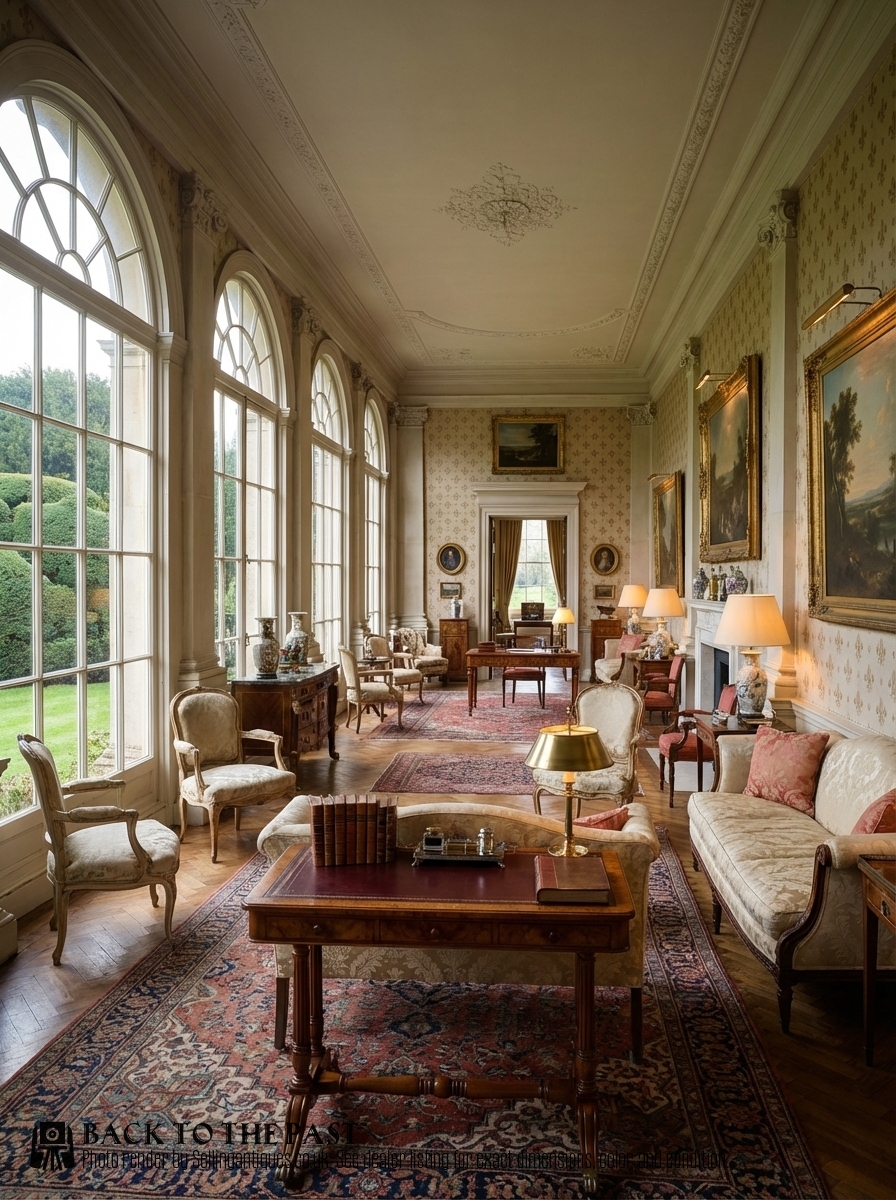
Materials and construction
Cabinet makers relied heavily on solid and veneered mahogany, frequently pairing timber structures with brass inlays, castors, and inset tooled leather writing surfaces. Rosewood also appears among high-status examples from the Regency era.
Reeding was executed by hand on the lathe or through specialised carving planes, creating parallel convex mouldings that catch the light along the vertical edge of the leg.
Reeded Leg Desk Retail Price Guide 2026
Typical asking prices for reeded leg desk among the pieces listed under this phrase on Sellingantiques today, from the lower quarter to the upper quarter. They describe what is for sale here now, not the wider market.
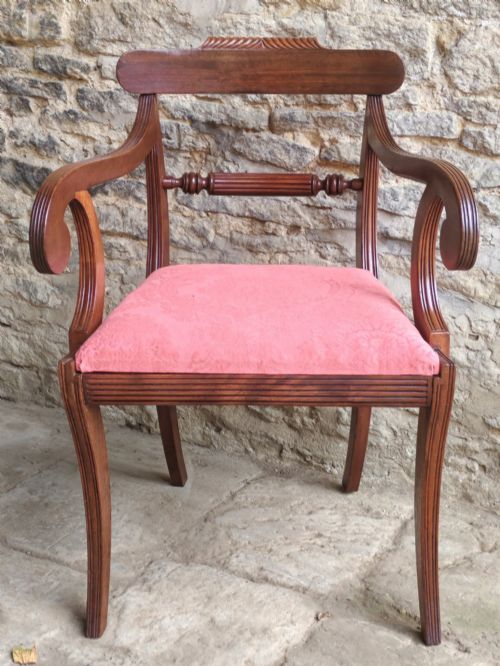
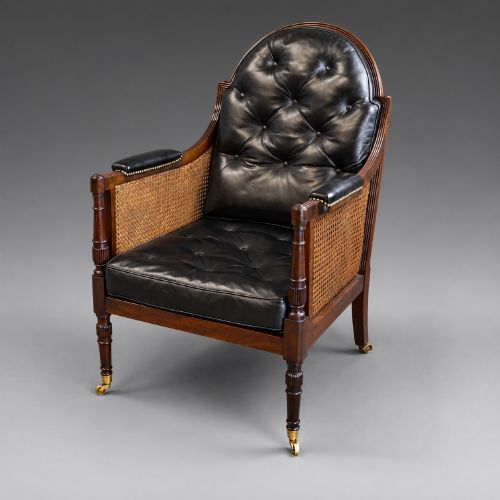
Several armchairs on this page arrive paired with cane work sturdy enough to have outlived multiple generations of readers.
Judging the work
Quality rests in the crispness of the timber selection and the precision of the reeded carving. Superior pieces display deep, uniform channels and dense, well-figured mahogany rather than flat or mechanically finished mouldings.
The integration of secondary timbers, original brass hardware, and secondary writing inserts such as leather or cane elevates the standing of an individual table.

Gillows Oxford Street Workshop·William Trotter
The Reeded Leg Desk Glossary
- Reeding
- Parallel convex mouldings carved into timber to resemble bundled reeds. This classical decorative motif is most commonly found on the legs of tables and chairs from the Georgian and Regency periods.
- Partners desk
- A large double-sided writing table fitted with drawers on both long sides, allowing two people to work opposite one another. These frequently date from the 19th Century.
- Drum table
- A circular library table with a revolving top supported by a central pillar and multiple legs. They typically feature numerous perimeter drawers.
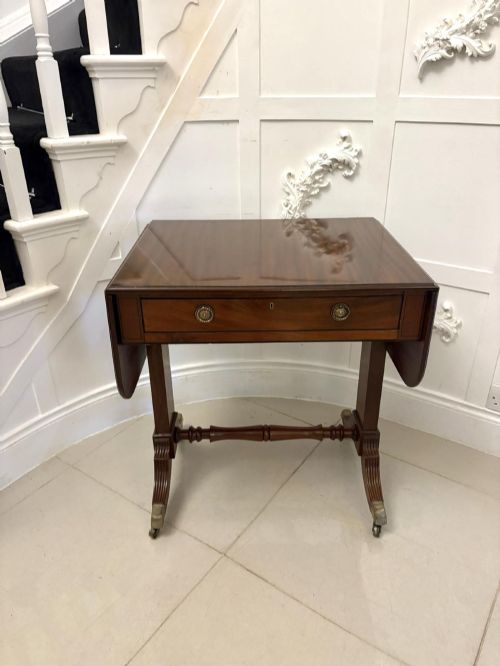
- Sofa table
- An oblong occasional table with drop leaves at either end, traditionally placed before a sofa. Regency examples often incorporate stretcher bases and brass details.
- Bergère
- An enclosed armchair with cane or upholstered sides and a upholstered seat. These appear in both Regency and Victorian iterations alongside standard writing chairs.
Reeded Leg Desk: Frequently Asked Questions
What is a reeded leg desk?
A reeded leg desk is a writing table or library desk featuring legs decorated with parallel carved convex mouldings. These tables date primarily from the Georgian, Regency, and Victorian eras.
They were built mainly in mahogany and served as practical writing furniture for studies, libraries, and principal rooms.
How do I date a reeded leg desk?
Dating relies on timber choice, construction methods, and secondary characteristics such as brass castors or leather top tooling. Georgian and Regency examples typically exhibit finer proportions and distinct cabinet-making signatures compared to later Victorian pieces.
Comparing the secondary woods and overall carcass construction helps confirm the period of manufacture.
Were these desks used in offices?
These tables were designed for domestic libraries, drawing rooms, and private chambers rather than modern commercial offices. Large partners desks accommodated shared household administration or estate management.
Smaller chamber tables served individual letter-writing and personal correspondence.
How do I care for a mahogany desk?
Mahogany furniture benefits from stable indoor humidity and protection from direct sunlight to preserve the rich colour of the timber. Regular dusting with a dry cloth keeps the surface clean without needing heavy polishes.
Leather writing surfaces require specialised conditioning to prevent drying and cracking over time.