




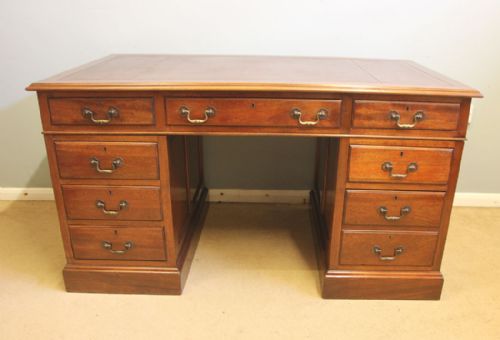
Classic Mahogany Desk
A classic mahogany desk grounds a study with timber warmth, offering a durable workspace shaped by Georgian and Victorian hands.
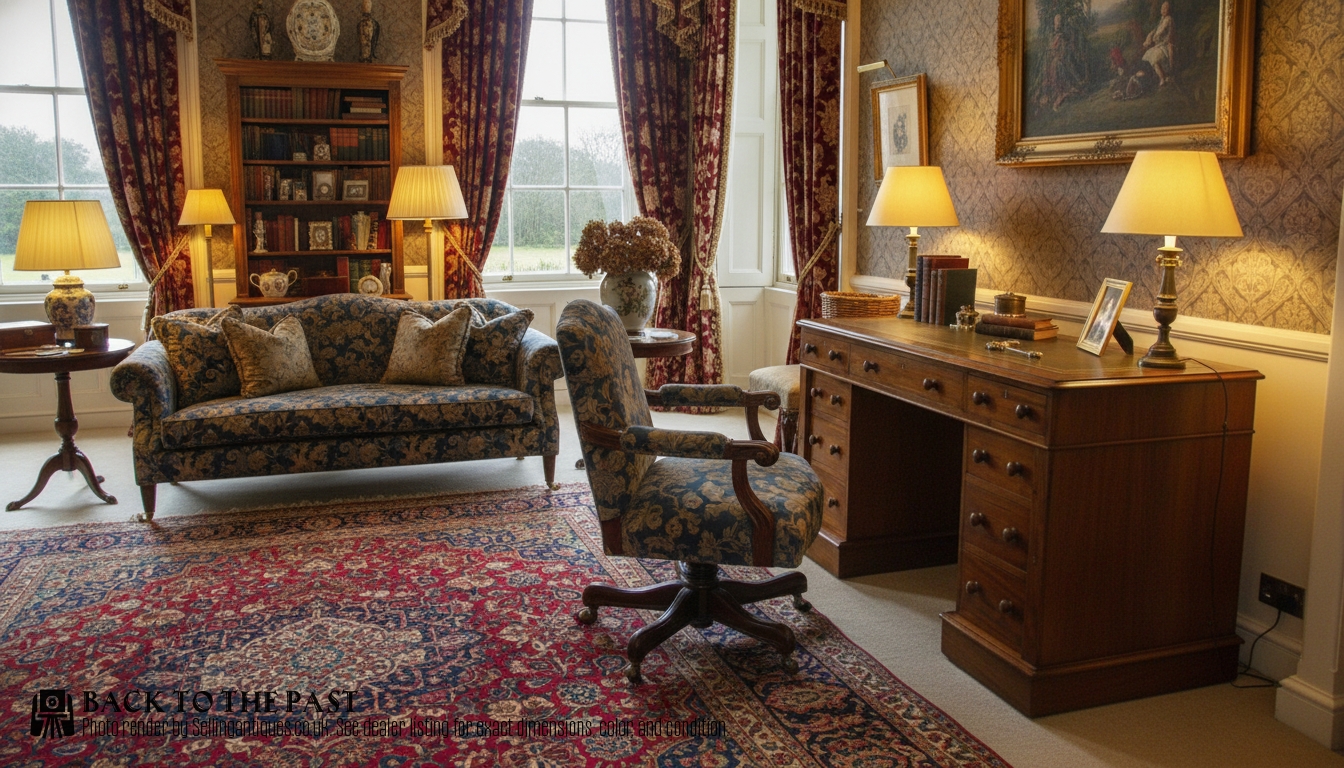
Classic Mahogany Desk
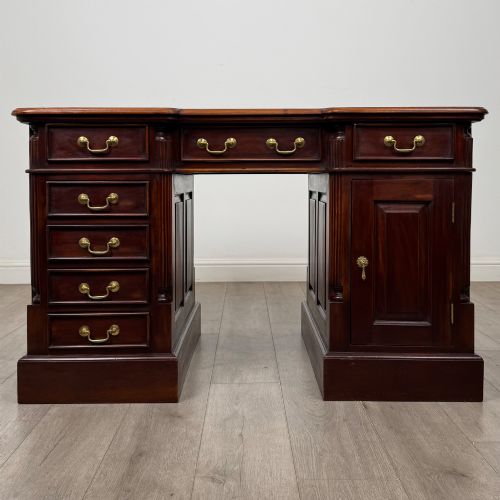
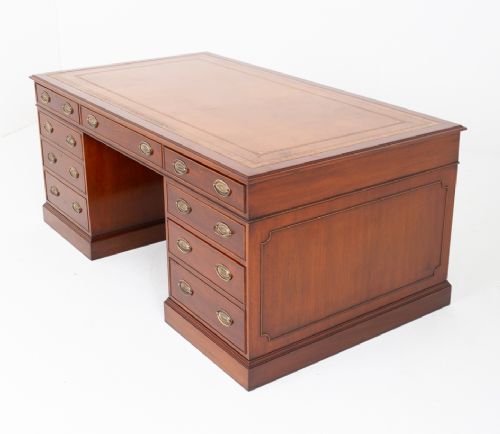
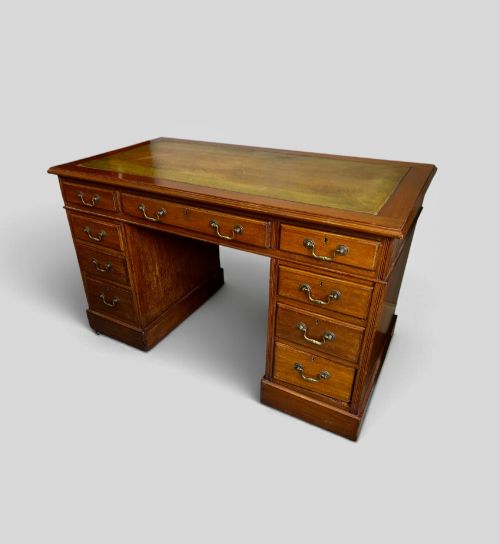
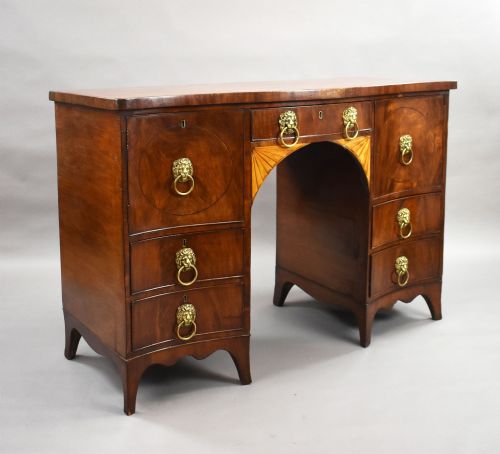
When you search for a classic mahogany desk, you meet pedestal writing tables, tambour roll-top pieces and kneehole forms originating from the Georgian, Victorian and Edwardian eras. These domestic and library furnishings range from compact writing tables to large partners desks designed for central room placement.
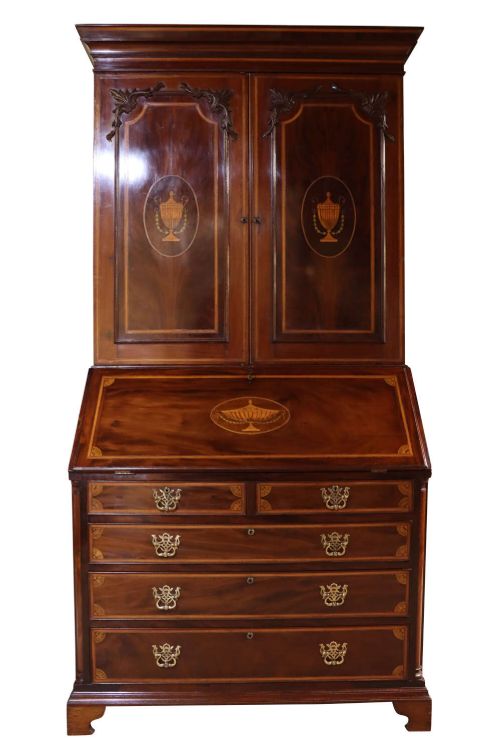
Pedestal desks dominate the selection, featuring banks of drawers flanking a central recess. Alongside these, tambour desks utilise sliding slatted shutters to conceal pigeonholes, while bureau bookcases combine writing flaps with upper shelving.
The evidence shows forms spanning George III origins through to Sheraton Revival and Edwardian interpretations. Makers constructed these pieces to serve practical daily correspondence and estate administration.
Materials and construction
Cabinet makers built these pieces using solid mahogany and flame mahogany veneers over secondary timbers. Workshops integrated brass handles, escutcheons and sometimes ormolu mounts alongside inset leather writing surfaces.
Detailing often includes wood inlay, satinwood stringing and reeded edges. Structural integrity relies on traditional joinery methods suited to heavy daily use in studies and libraries.
Classic Mahogany Desk Retail Price Guide 2026
Typical asking prices for classic mahogany desk among the pieces listed under this phrase on Sellingantiques today, from the lower quarter to the upper quarter. They describe what is for sale here now, not the wider market.
The listings here combine mahogany with brass, leather, glass, and ormolu mounts across Georgian, Victorian, and Edwardian periods.
Proportion and execution
The finest examples display balanced proportions, clean classic lines and well-figured timber selection across every surface. Grain matching on drawer fronts and secondary woods indicates superior workshop standards.
Hardware execution and the crispness of reeding or carved mouldings separate standard production from exceptional pieces. Original fitted interiors with working locks and matching brassware elevate the standing of a desk.
Dent of London·Elveden Estate
The Classic Mahogany Desk Glossary
- Pedestal desk
- A heavy freestanding writing desk comprising two pedestals of drawers supporting a top with a central kneehole space.
- Tambour
- A flexible shutter formed of narrow strips of wood glued to canvas backing, used to cover the writing surface and pigeonholes.
- Kneehole desk
- A compact writing table featuring a central recess for the user's legs, flanked by smaller sets of drawers.
- Partners desk
- A large pedestal desk designed with drawer units on both sides so two people can work facing each other.
- Bureau plat
- A freestanding French writing table with drawers along the frieze, unattached to wall units.
- Flame mahogany
- Timber cut from the fork of the mahogany tree to produce a distinctive flickering flame-like grain pattern.
Classic Mahogany Desk: Frequently Asked Questions
What is a pedestal desk?
A pedestal desk is a heavy freestanding workplace featuring two vertical banks of drawers that support a wide writing surface. The central space between the pedestals provides room for a chair.
These pieces appeared frequently in Georgian and Victorian libraries, offering substantial storage alongside a durable top for daily correspondence.
How do I use a tambour desk?
A tambour desk incorporates a sliding wooden shutter that travels along a track to conceal the pigeonholes and small drawers above the writing surface. Pulling the shutter down secures the papers inside.
This mechanism allows you to leave documents organised on the desk while keeping the room tidy when the workspace is not in use.
Are these desks suitable for modern laptops?
Many classic mahogany desks provide sufficient surface depth and drawer space to accommodate a modern computer setup. The generous proportions of Victorian and Edwardian examples suit daily administrative tasks.
Care should be taken to protect the leather or wood writing surface from direct heat and moisture when placing electronic equipment on the desk.
How do I identify a Georgian desk?
Georgian desks display restrained proportions, bracket feet or straightforward plinth bases, and restrained use of mahogany solids and veneers. Construction details emphasise functional utility and durable joinery.
Later Victorian and Edwardian pieces often revive these earlier styles while introducing heavier mouldings or elaborate brass hardware.