
Fitted Interior Writing Desk
A fitted interior writing desk brings together compartments and drawers for correspondence, appearing across Georgian, Victorian, and Edwardian periods.
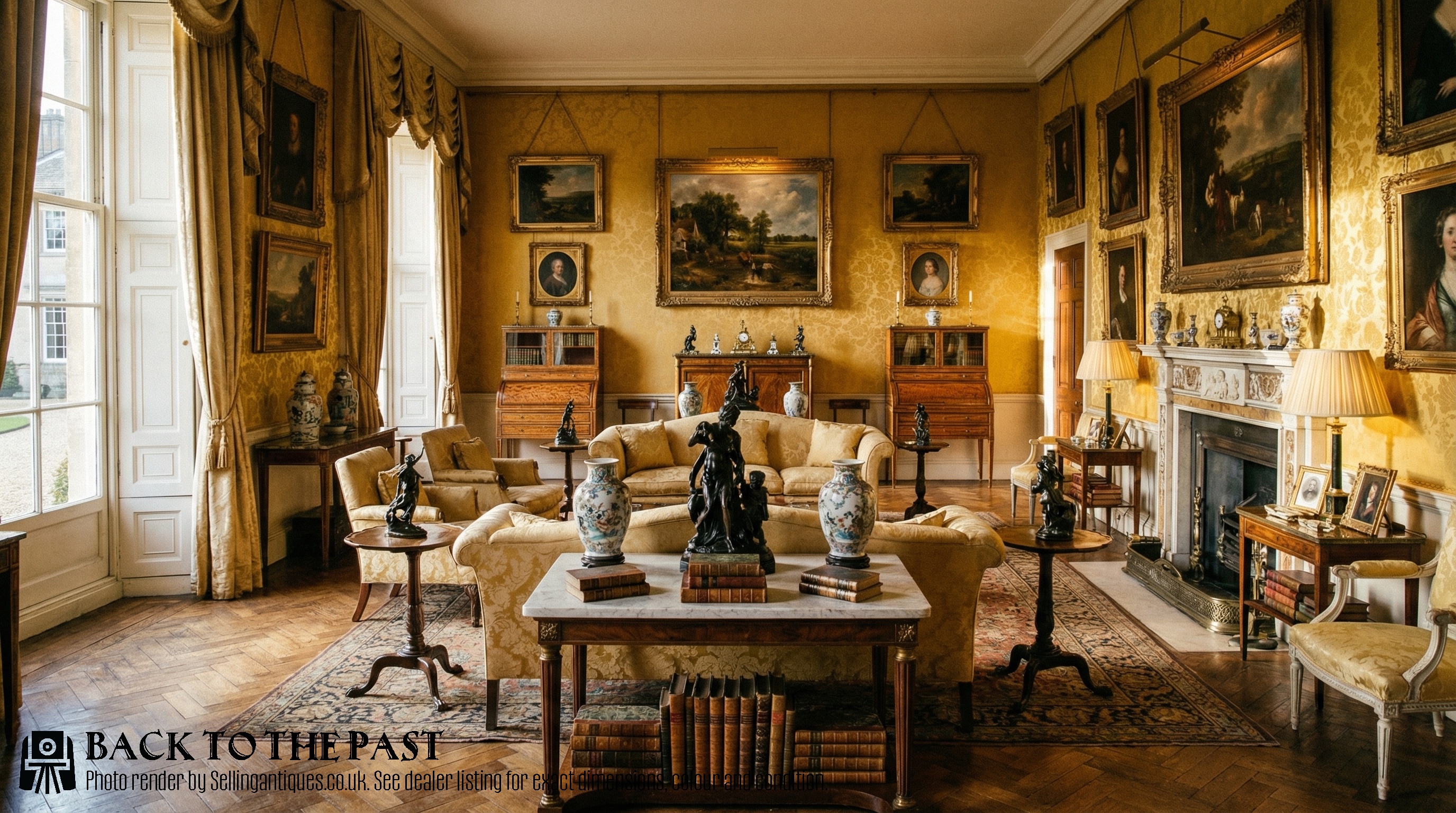
Fitted Interior Writing Desk
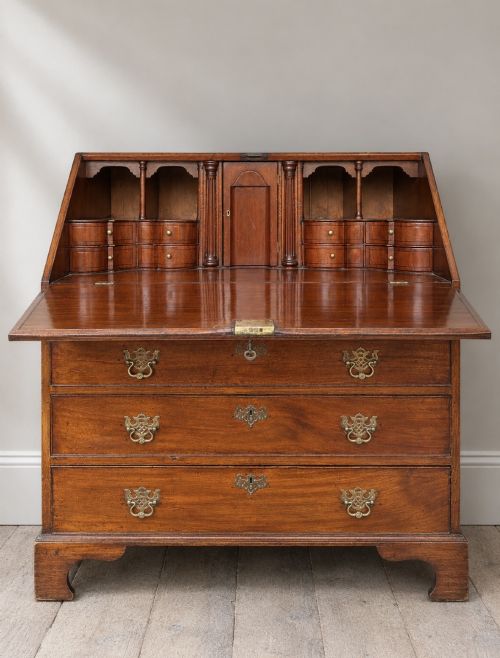
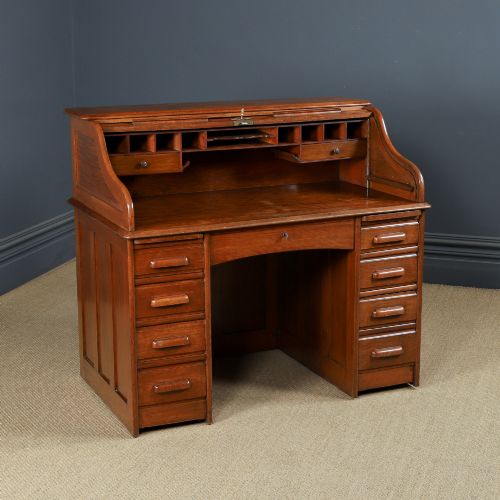
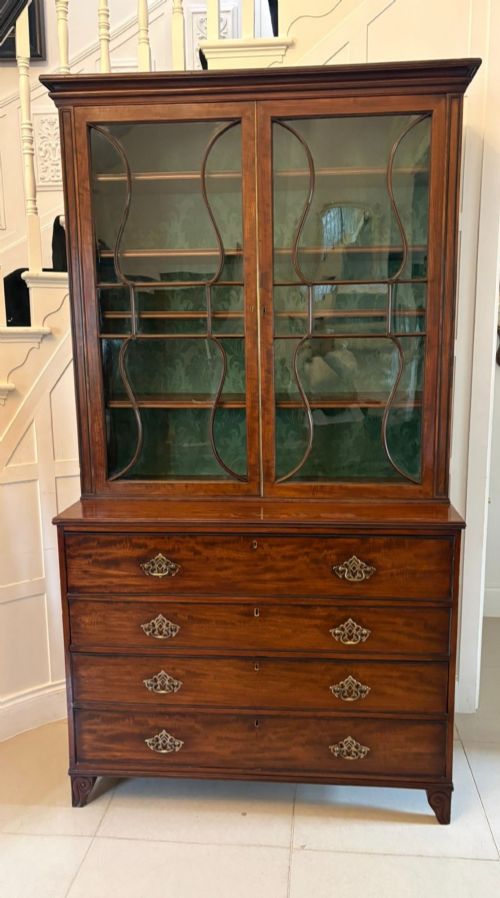
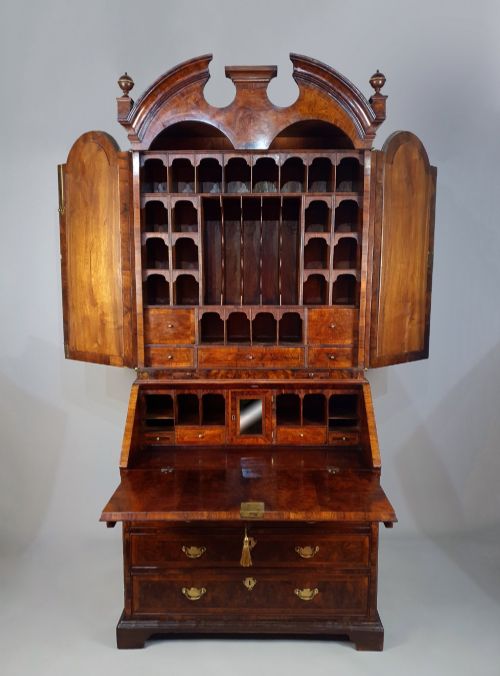
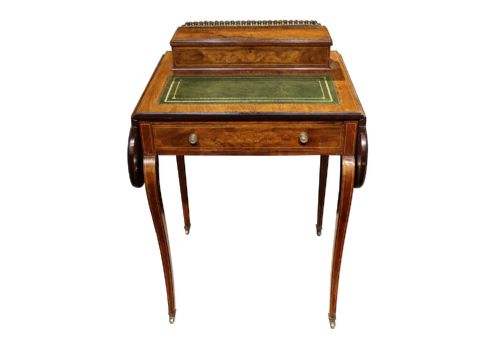
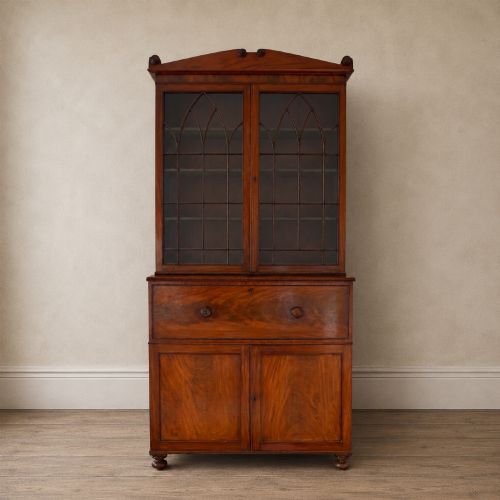
A fitted interior writing desk encompasses various forms designed for correspondence and storage, ranging from compact writing slopes and lady's writing tables to full-sized bureau bookcases and roll top desks. When searching for a fitted interior writing desk, buyers encounter diverse iterations spanning the 18th century through the early 20th century.
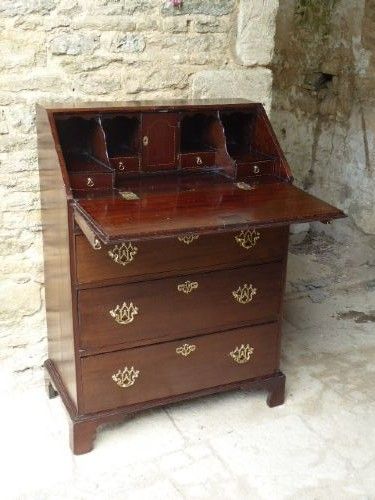
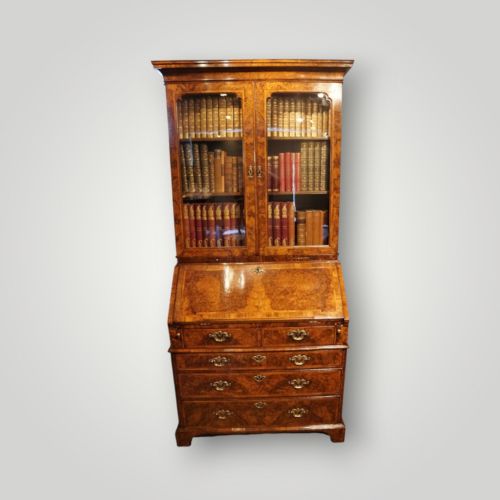
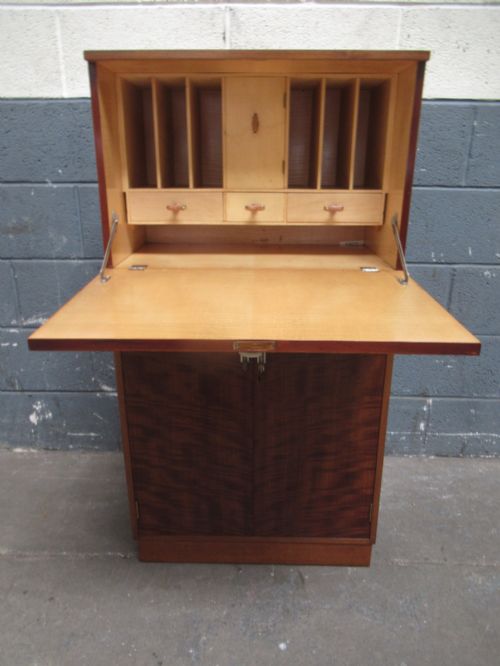
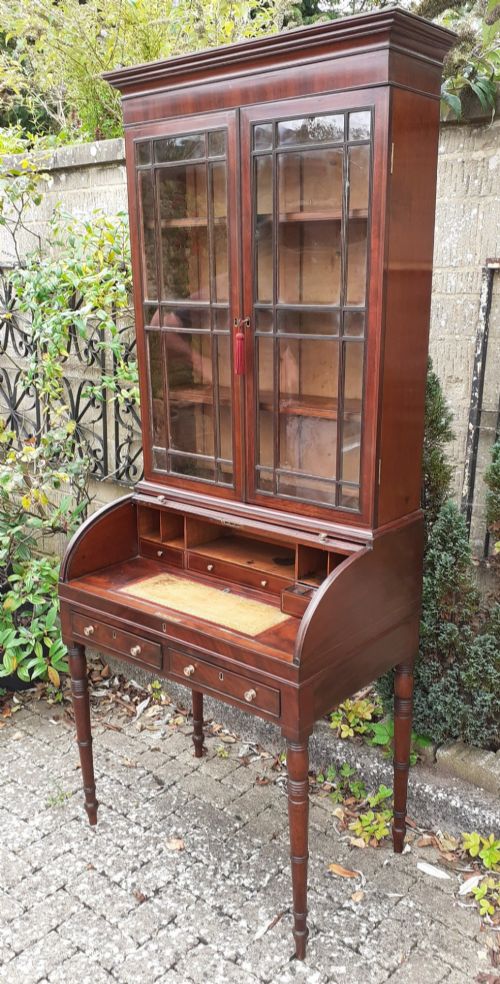
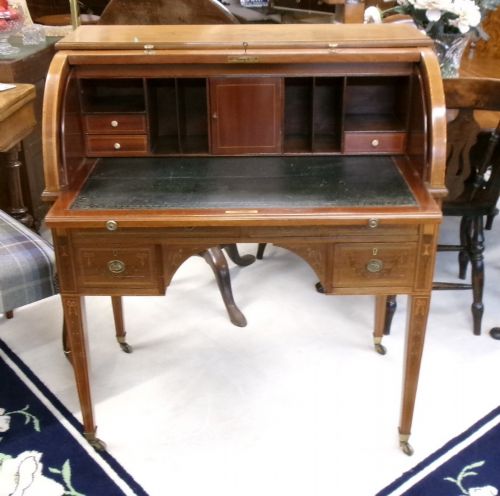
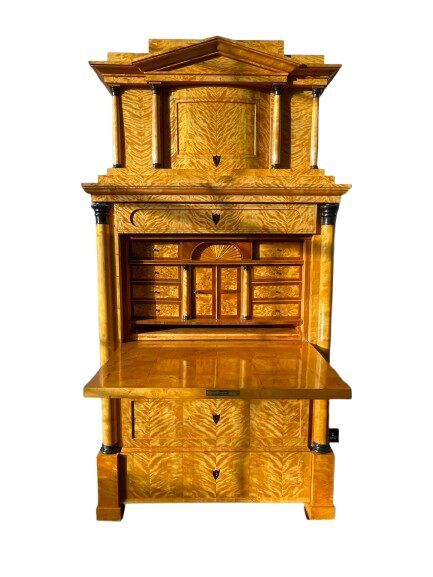
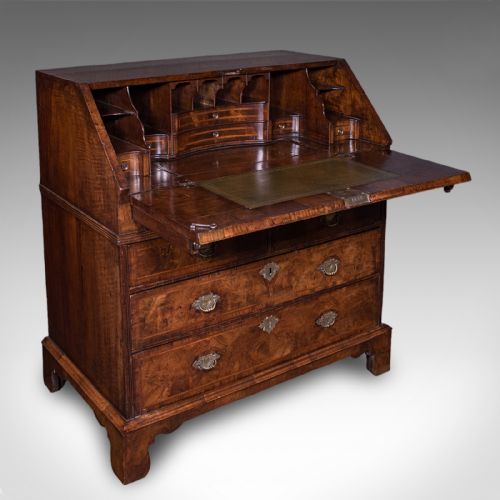
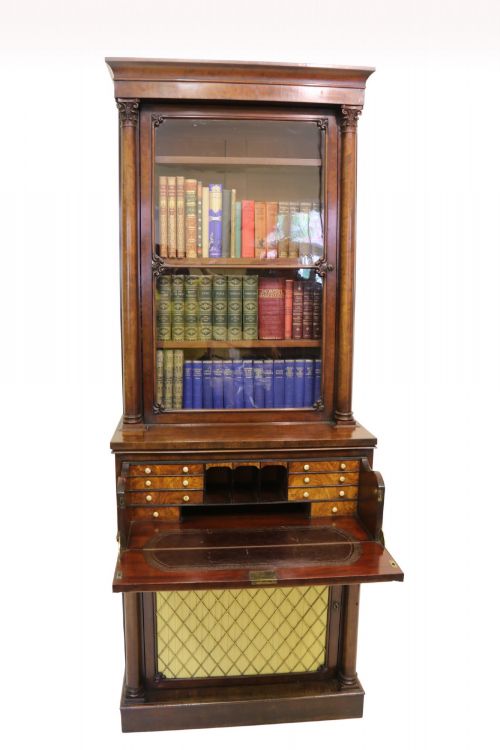
The selection includes drop-front bureaux, cylinder top desks, and secretaire bookcases equipped with internal pigeonholes and small drawers. Pieces originate from English workshops as well as continental makers, utilising regional woods appropriate to their respective eras.
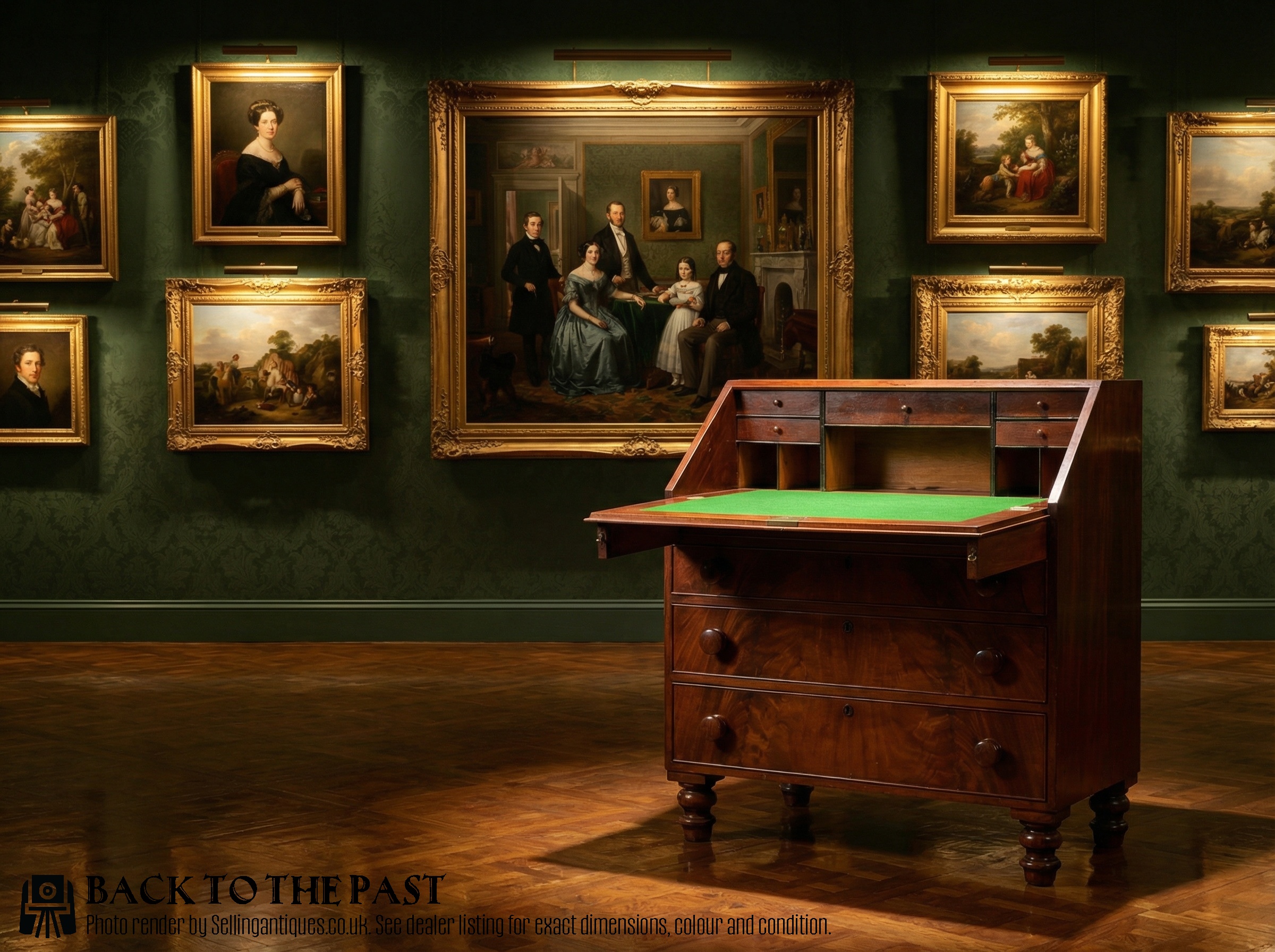
Materials and Construction
Cabinetmakers constructed these desks primarily in mahogany, walnut, and oak, frequently employing figured veneers and contrasting timbers such as satinwood and rosewood for internal compartments. Solid timber construction appears alongside veneered surfaces applied to secondary woods.
Joinery techniques include bracket feet, fitted pigeonholes, and sliding candle slides, supplemented by brass hardware and leather writing surfaces. Glazed doors feature on taller bookcase variants, while fall-front panels conceal the inner stationary compartments.
Fitted Interior Writing Desk Retail Price Guide 2026
Typical asking prices for fitted interior writing desk among the pieces listed under this phrase on Sellingantiques today, from the lower quarter to the upper quarter. They describe what is for sale here now, not the wider market.
Listings feature woods including mahogany, oak, walnut, rosewood, satinwood, and brass across periods from the 18th century to 1930.
Judging Quality
Quality in a fitted interior writing desk rests upon the selection of timber veneers, the complexity of the internal arrangement, and the precision of the joinery. Superior examples demonstrate thoughtful grain matching across fall fronts and drawer facades.
The execution of secret compartments, fine dovetail joints in the internal drawers, and original brass hardware distinguish finer workshops from utilitarian office furniture.
Tudor and Burrey Shrewsbury·Gillows of Lancaster·Boston Chair Company
The Fitted Interior Writing Desk Glossary
- Bureau
- A writing desk with a sloping fall front that opens to reveal a fitted interior of drawers and pigeonholes. It typically sits on a chest of drawers or bracket feet.
- Secretaire
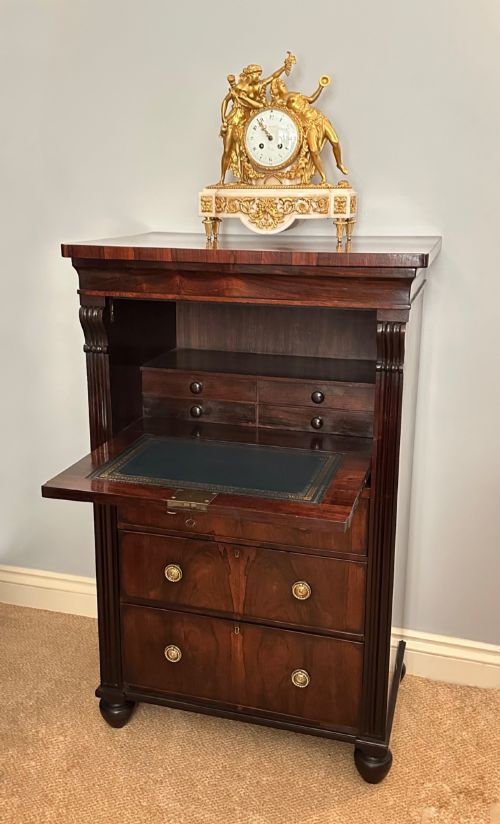
- A piece of furniture containing a writing drawer or fall-front compartment that conceals a fitted interior for correspondence. It often takes the form of a bookcase or cabinet.
- Cylinder top
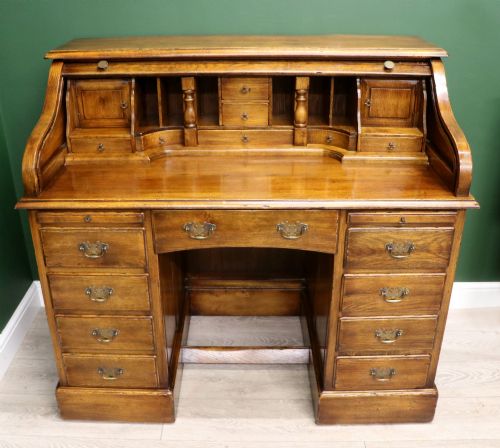
- A desk featuring a quarter-cylinder rolling shutter that slides back to uncover a writing surface and internal fittings. This mechanism encloses the workspace completely when closed.
- Writing slope
- A portable or table-top box with a hinged sloping lid that opens to store writing equipment and documents. Inside, fitted compartments organise inkwells and paper.
- Bracket foot
- A structural support projecting from the corners of case furniture, shaped in an arch or ogee profile. It elevates the body of cabinets and desks off the floor.
Fitted Interior Writing Desk: Frequently Asked Questions
What is a fitted interior?
A fitted interior refers to the arrangement of small drawers, pigeonholes, and secret compartments concealed behind a fall-front, cylinder top, or sloping lid.
These compartments were designed to organise stationery, letters, and inkwells safely within the body of the desk.
How do I date a bureau?
Dating relies on examining the timber species, construction methods, and hardware style. Earlier pieces from the early 18th century often utilise walnut or oak with candle slides, while later Georgian and Victorian examples frequently employ mahogany with bracket or plinth feet.
Secondary woods and the style of internal dovetails provide further clues to the manufacturing decade.
How were roll top desks used?
Roll top desks served as administrative workspaces in homes and offices, offering a slatted wooden shutter that pulled down to secure the desk surface. This mechanism allowed users to leave paperwork arranged on the writing surface without exposing it.
The internal fittings accommodated ledgers, correspondence, and writing implements.