


Antique Escritoire Desk
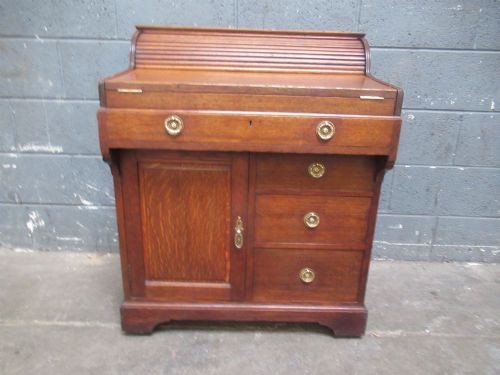
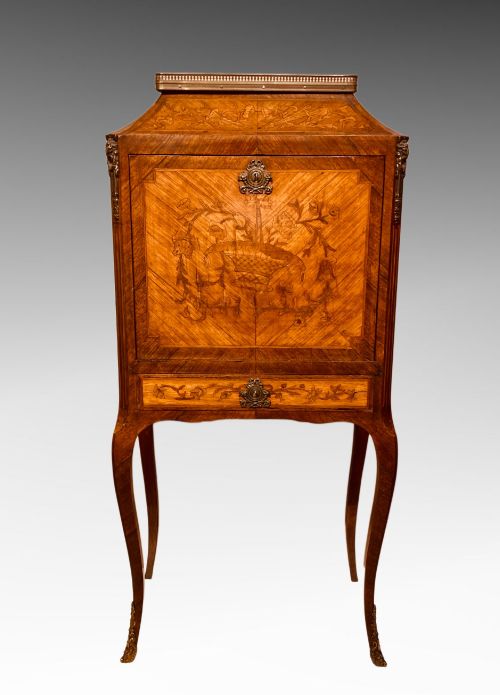
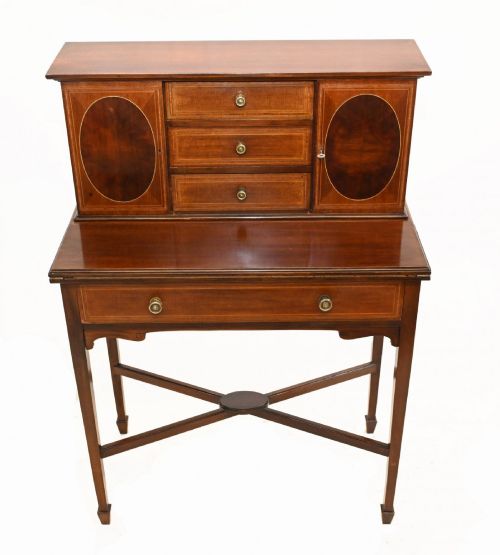
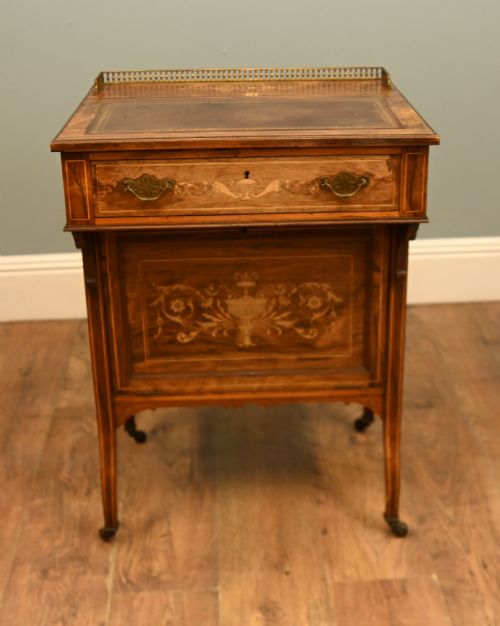
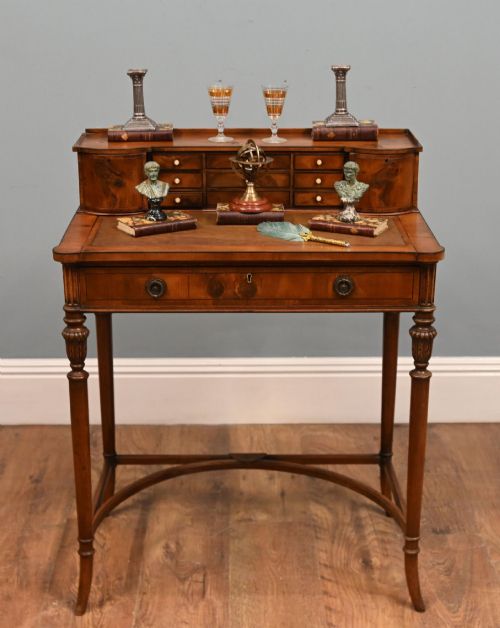
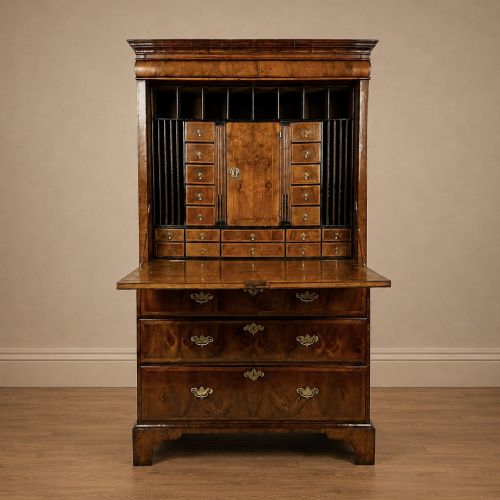
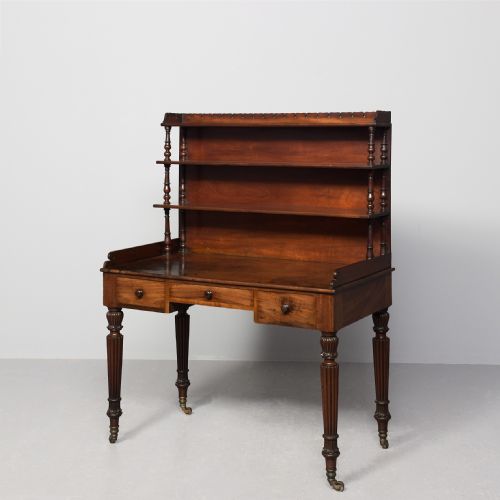
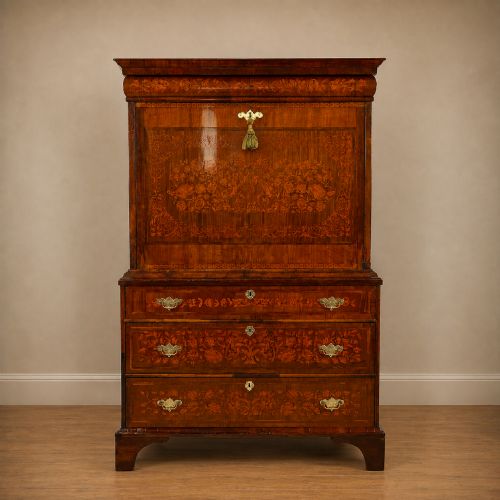
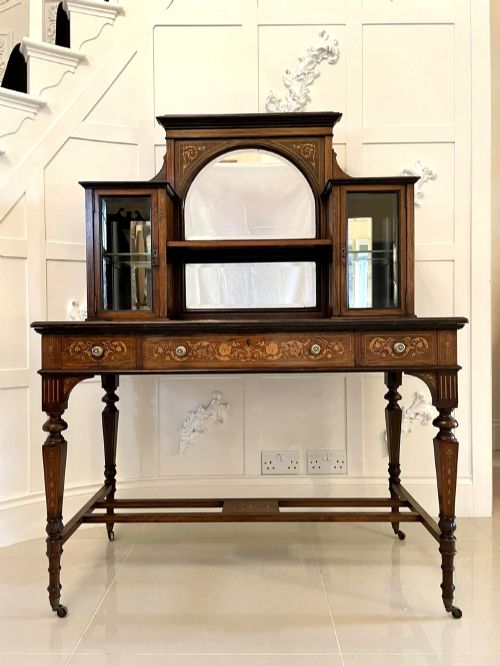
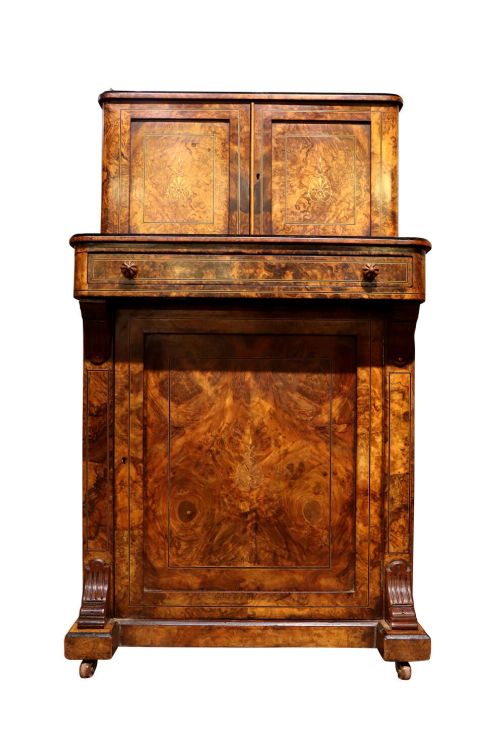
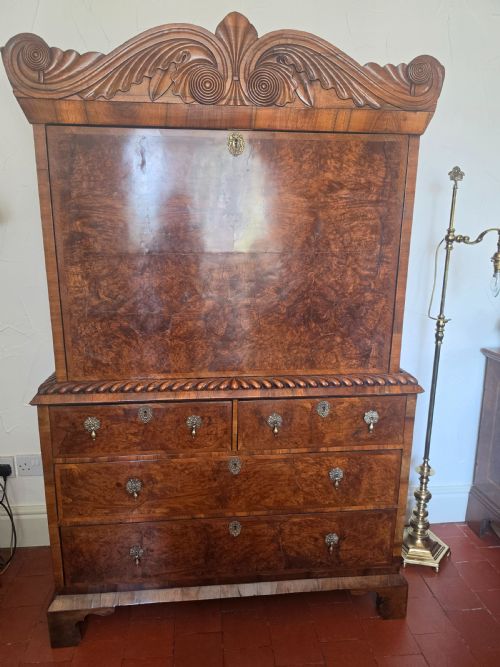
When you search for an antique escritoire desk, you are looking at drop-front writing cabinets and writing tables spanning the seventeenth century to the Edwardian era.

Antique Escritoire Desk
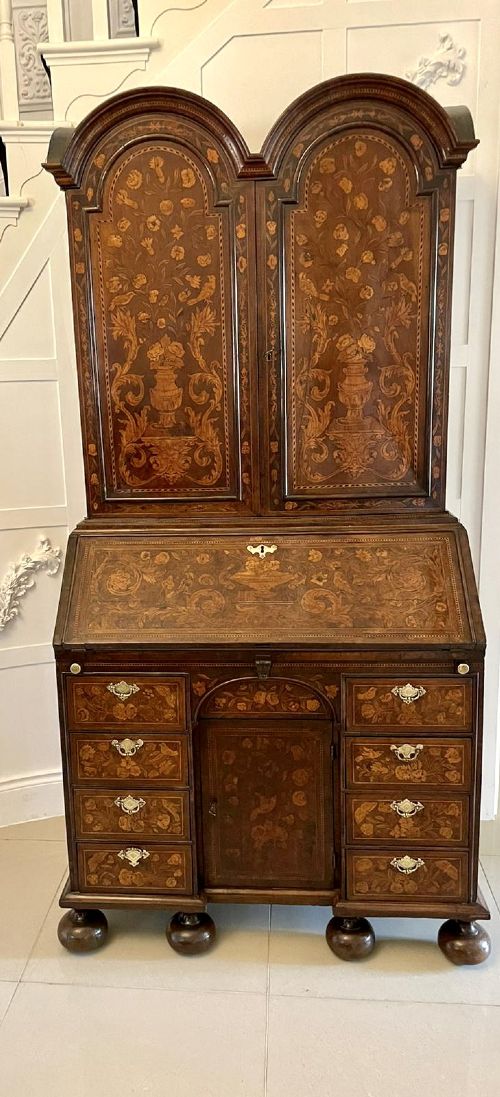
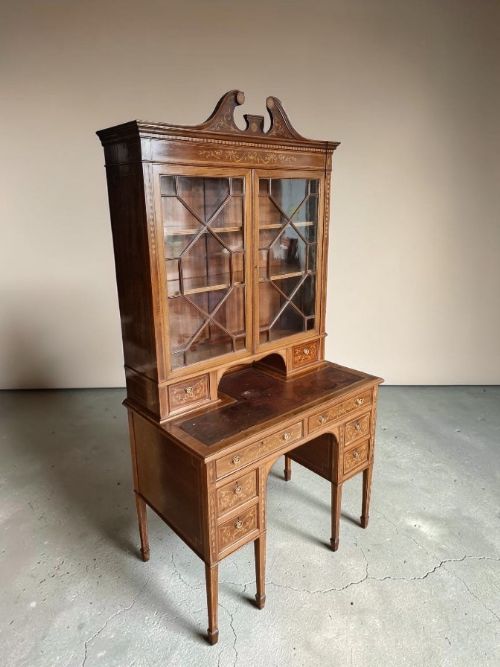
An antique escritoire desk covers vertical drop-front cabinets, bureau bookcases, and specialised writing tables designed for correspondence and private record keeping. The form originates in earlier walnut and oak centuries before moving into mahogany, satinwood, and French stylistic revivals during the Victorian period.
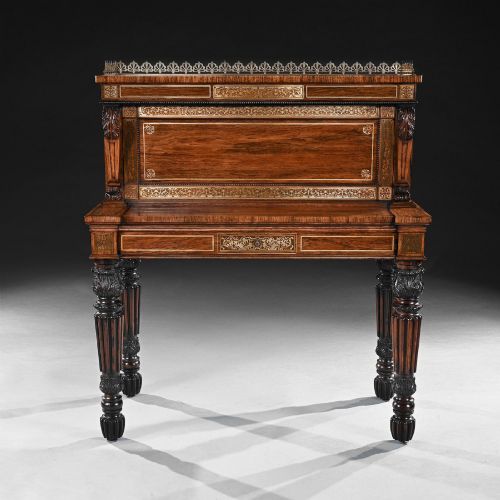
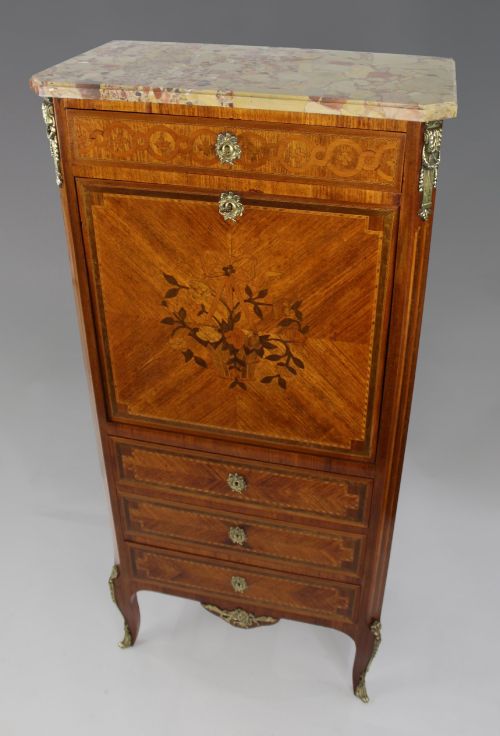
Buyers frequently encounter nineteenth-century French examples mounted in ormolu with marble tops, alongside English walnut and mahogany pieces from the Georgian and Victorian eras. These range from substantial bureau bookcases with fitted interior drawers to compact ladies' writing desks and bonheur du jour variants.
What Varies in Quality
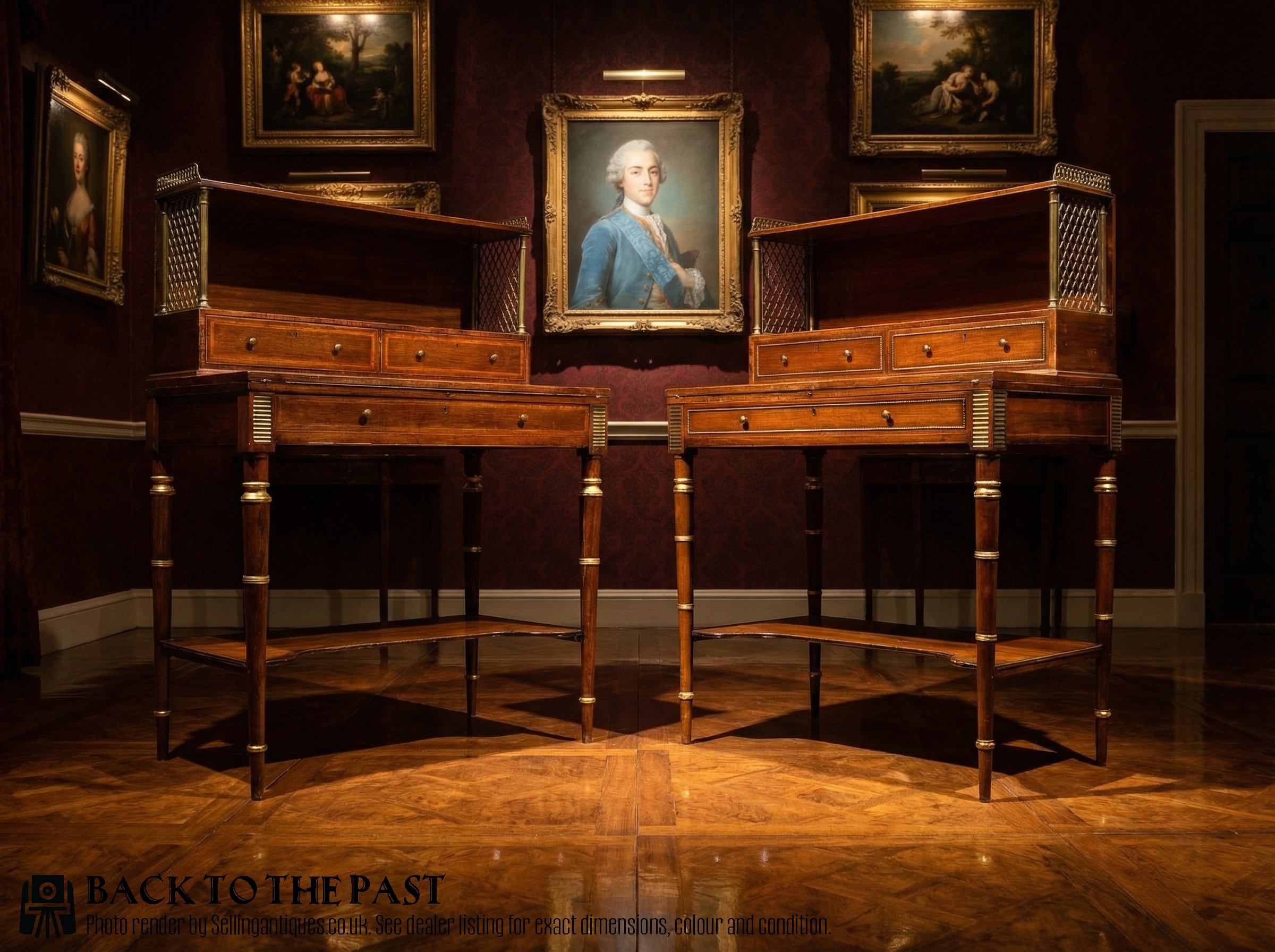
Quality rests upon the selection and matching of wood veneers, the crispness of marquetry work, and the fidelity of ormolu or brass mounts. Superior pieces display continuous grain across drop-front panels and meticulous interior joinery within the pigeonholes and small drawers.
The integration of secondary timbers, the survival of original marble tops or leather writing inserts, and the precision of locking mechanisms distinguish standard workshop production from exceptional cabinet work attributed to known makers.
Antique Escritoire Desk Retail Price Guide 2026
Typical asking prices for escritoire desk among the pieces listed under this phrase on Sellingantiques today, from the lower quarter to the upper quarter. They describe what is for sale here now, not the wider market.
Several pieces conceal tiny secret compartments behind dummy drawer fronts, built to hide love letters or hidden currency from curious guests.
Gillows Oxford Street Workshop·James Mein of Kelso
The Antique Escritoire Desk Glossary
- Escritoire
- A writing cabinet featuring a fall-front flap that opens to reveal a fitted interior of small drawers and pigeonholes. The form evolved from tall seventeenth-century cabinets into various nineteenth-century pedestal and table formats.
- Secretaire à abattant
- A tall, vertical cabinet with a hinged front panel that drops down to form a writing surface. This continental form frequently incorporates a marble top and gilt bronze mounts.
- Bonheur du jour
- A light lady's writing desk with a small superstructure of shelves, drawers, or a cabinet on the upper surface. These appeared primarily during the eighteenth and nineteenth centuries.
- Marquetry
- The art of applying pieces of veneer to a structural structure to form decorative patterns or pictorial designs. Cabinet makers utilised contrasting woods such as satinwood, walnut, and rosewood for tonal depth.
- Ormolu
- Gilt-bronze mounts applied to furniture for decorative accent, particularly common on French revival escritoires and cabinets. The technique involves applying a mercury and gold amalgam to cast bronze.
Antique Escritoire Desk: Frequently Asked Questions
What is the difference between an escritoire and a bureau?
An escritoire typically refers to a vertical cabinet with a drop front concealing internal compartments, often associated with continental styling and tall proportions.
A bureau more commonly denotes a sloping desk where the writing flap operates at an angle, though historical terminology often overlaps between the two forms.
How do I care for antique wood veneers?
Maintain stable humidity levels away from direct heat sources and sunlight to prevent the underlying timber and delicate veneers from warping or cracking.
Apply a microcrystalline wax sparingly and buff gently with a soft cloth to preserve the polished surface without building up residue.
Where were most escritoires made?
Production centres span English workshops in London and the regions, alongside substantial manufacturing output from French cabinet makers in Paris.
English pieces often favor figured mahogany and walnut, while French examples frequently employ exotic kingwood, amboyna, and ormolu mounts.
Are the writing surfaces usually leather?
Many writing tables and desk interiors incorporate inset panels of tooled leather or velvet to provide a suitable texture for pen work.
Drop-front writing panels on vertical escritoires frequently rely on the polished wood of the inner fall-front itself rather than a separate hide insert.