

Victorian Walnut Bureau
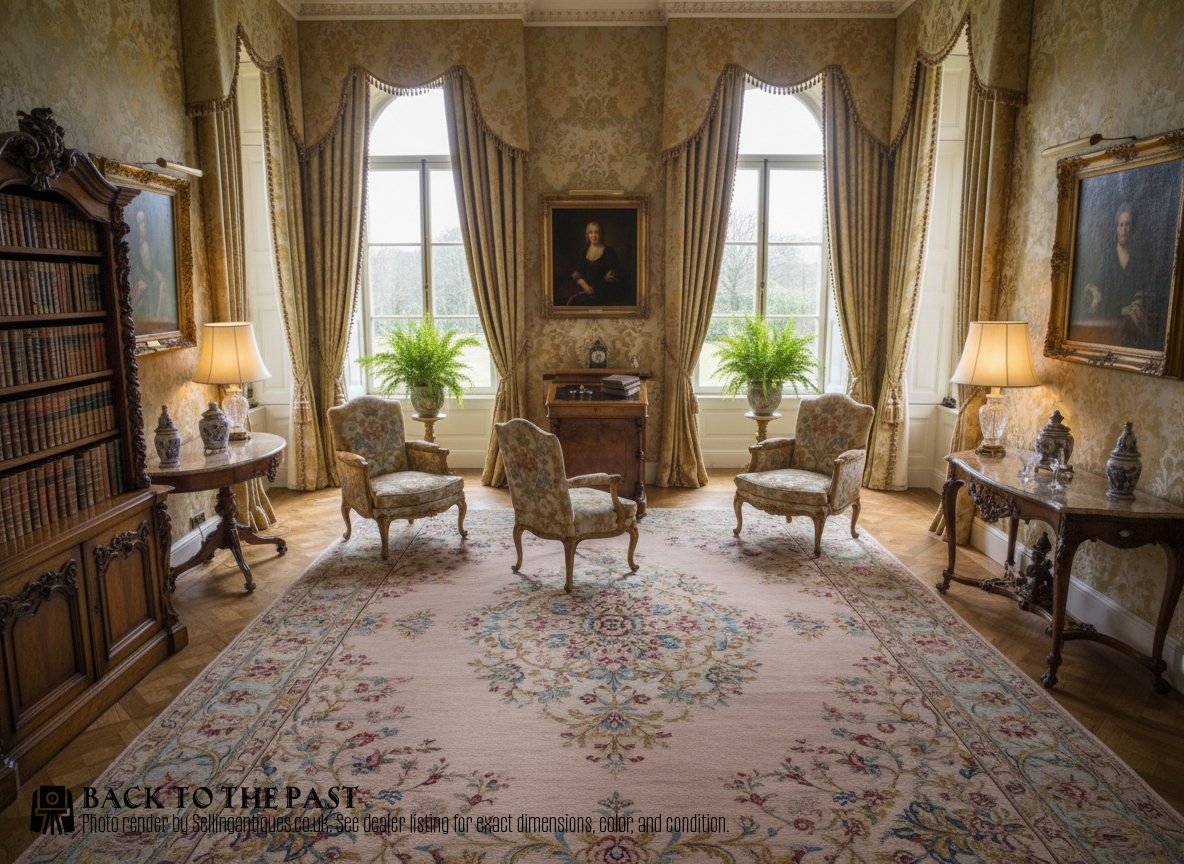
A victorian walnut bureau offers rich figuring and fitted writing spaces, bringing nineteenth-century cabinet-making directly into modern rooms.
Victorian Walnut Bureau
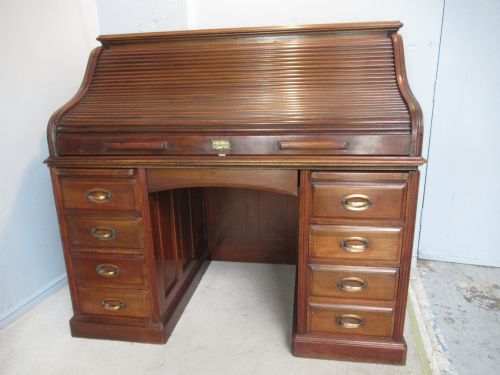
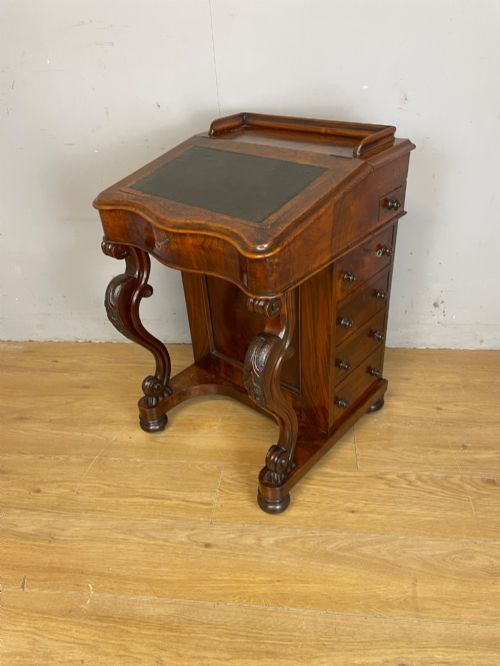
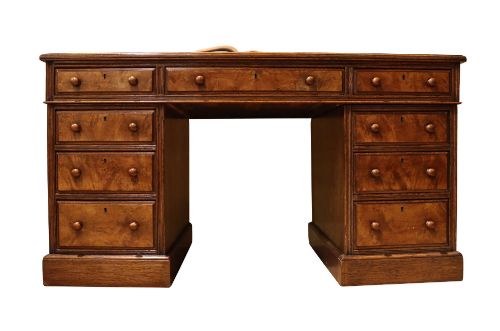
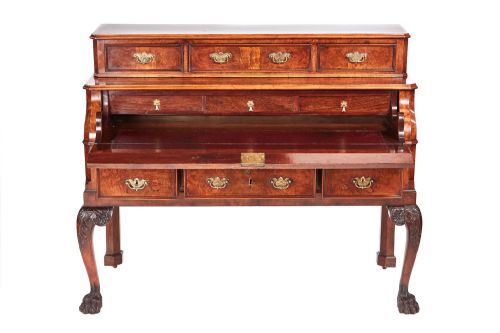
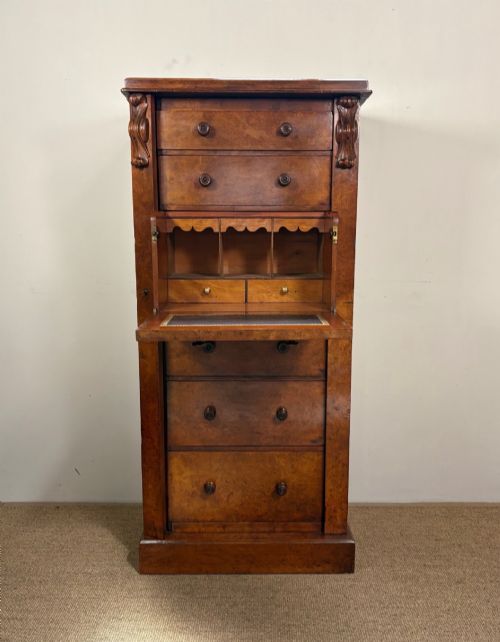
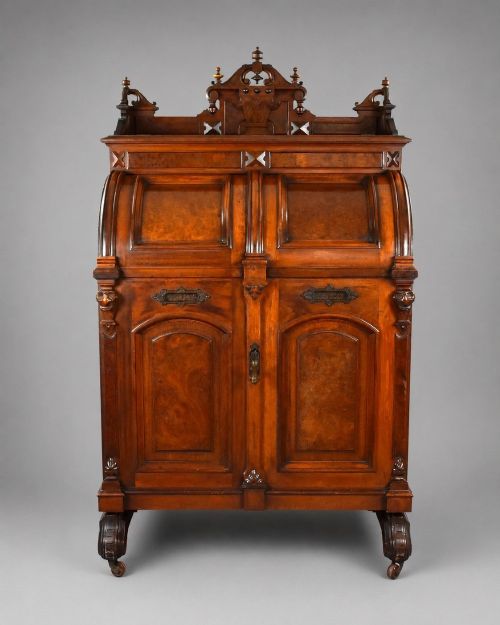
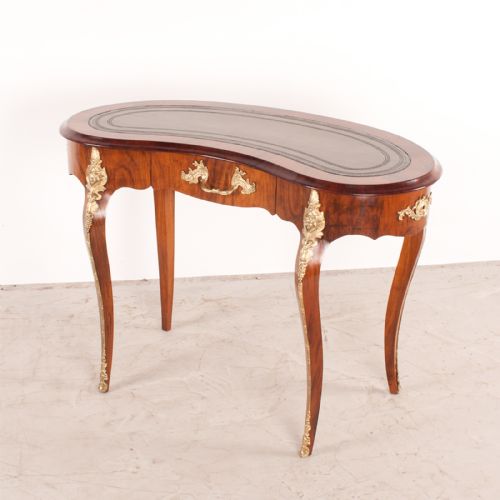
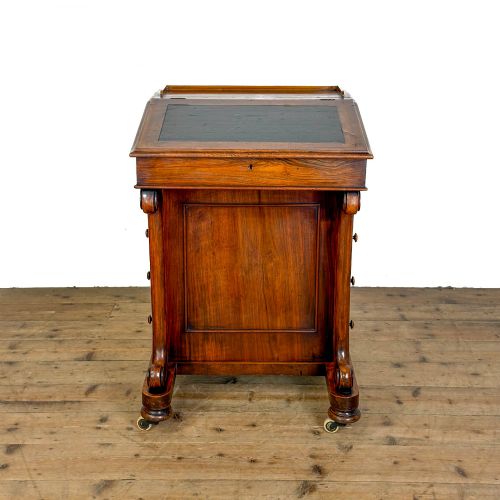
A victorian walnut bureau spans compact davenports, cylinder desks, and taller fall-front writing cabinets designed for domestic correspondence. These pieces showcase the rich grain of walnut and burr walnut favoured by makers active between eighteen-fifty and nineteen-ten.
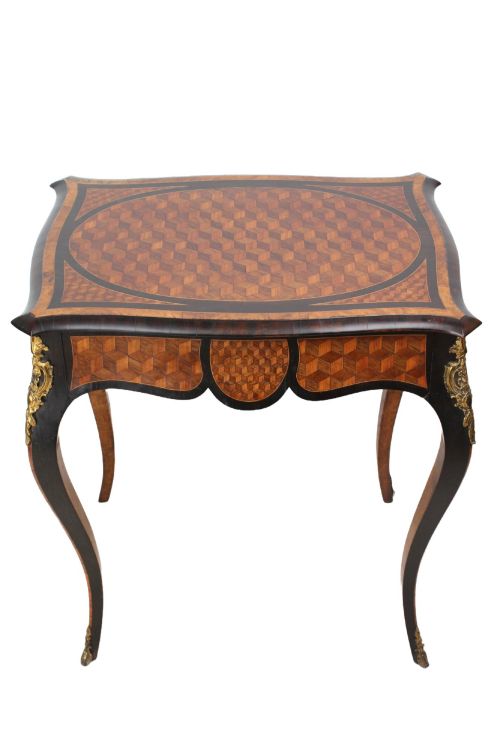
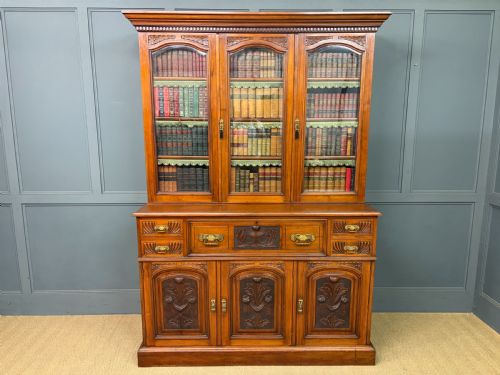
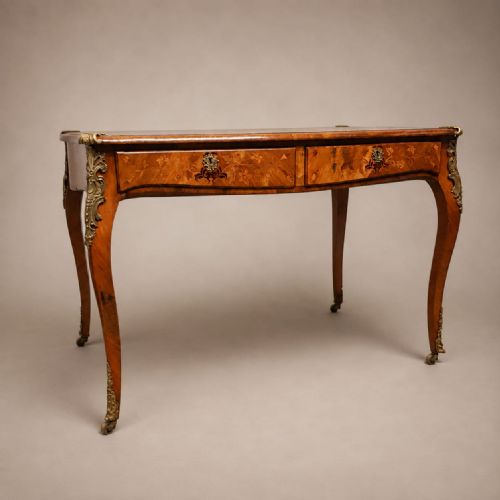
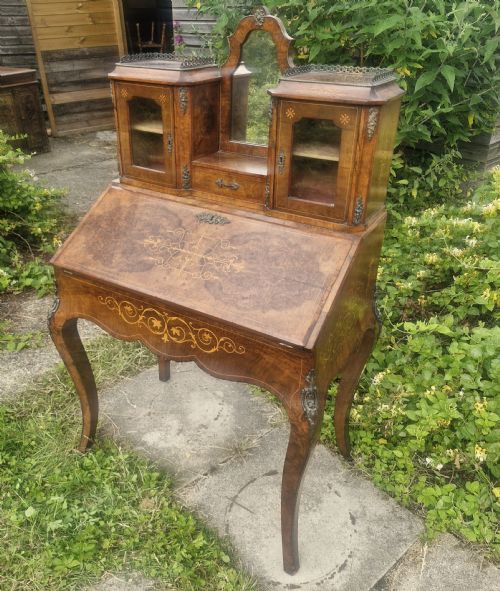
Buyers encounter writing desks, bureau plat forms, and secretaire bookcases alongside ladies' writing desks like the bonheur du jour. French revival styles appear frequently, incorporating marquetry and ormolu mounts alongside traditional British forms.
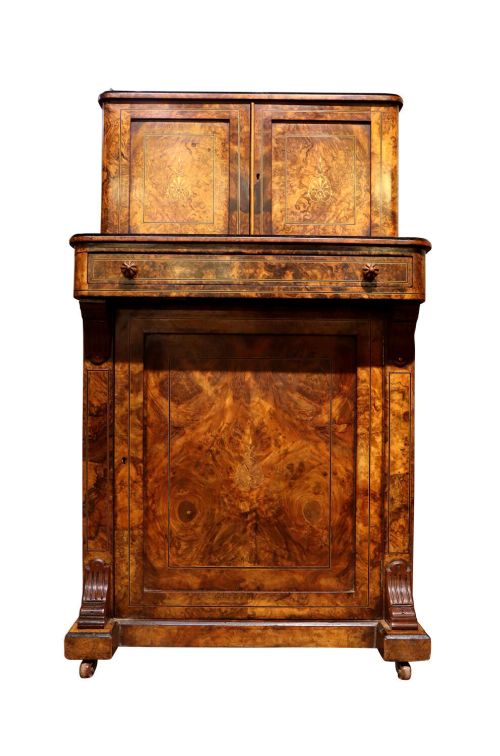
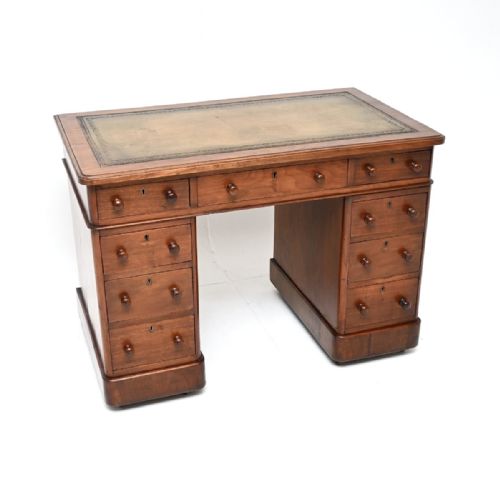
The material palette shifts from plain walnut to highly figured burr variants, often complemented by satinwood interiors, brass hardware, and inset leather writing surfaces.

Materials and Construction
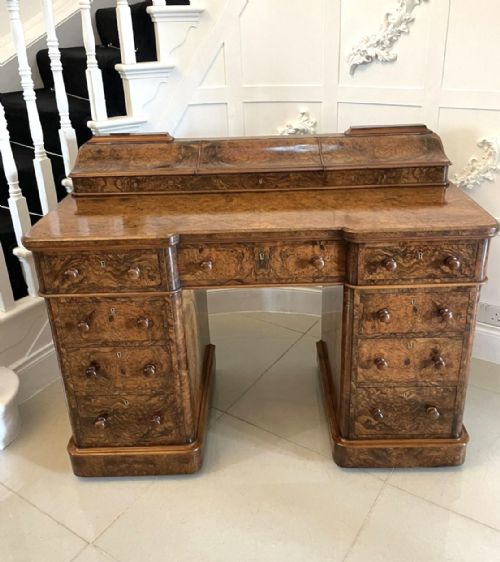
Craftsmen built these pieces using solid walnut carcasses finished with decorative veneers of burr walnut, figured walnut, and satinwood to create striking grain patterns across the main writing surfaces and drawer fronts.
Interiors reveal meticulous joinery within small pigeonholes and secret drawers, while structural stability relies on sturdy timbers paired with brass hinges, locks, and occasional ormolu mounts.
Surface detailing incorporates marquetry inlay, ebonised accents, and finely tooled leather inserts for the writing slopes.
Victorian Walnut Bureau Retail Price Guide 2026
Typical asking prices for victorian walnut bureau among the pieces listed under this phrase on Sellingantiques today, from the lower quarter to the upper quarter. They describe what is for sale here now, not the wider market.
Several compact desks conceal tiny secret drawers behind pigeonholes, built for storing very private notes.
Markers of Quality
The grade of timber veneer dictates much of the visual appeal, with tightly knotted burr walnut commanding greater attention than plain stock.
Construction refinement shows in the execution of internal stationery fittings, secret compartments, and the smooth action of fall-front desks or sliding mechanisms.
Original hardware, crisp carving, and maker attribution to known firms elevate certain desks above standard production pieces.
JAS Shoolbred·Maple & Co.
The Victorian Walnut Bureau Glossary
- Burr walnut
- A veneer sliced from the woody growths on walnut trees, prized for its swirling, highly figured grain patterns. It forms the primary decorative surface on many high-end Victorian writing desks.
- Davenport
- A compact writing desk featuring a sloping top above a pedestal of drawers, popular throughout the nineteenth century. These small pieces often include concealed stationery compartments.
- Bonheur du jour
- A light ladies' writing desk equipped with a small cabinet or set of pigeonholes on top. The style reflects French influence during the Victorian era.
- Secretaire
- A cabinet or chest incorporating a pull-down writing drawer that conceals small drawers and pigeonholes. It combines storage with a functional writing surface.
- Ormolu
- Gilded bronze mounts applied for decorative effect on furniture frames and corners. This technique appears often on pieces influenced by French revival styles.
Victorian Walnut Bureau: Frequently Asked Questions
What is a bureau de dame?
A bureau de dame is a small, elegant ladies' writing desk, typically featuring a sloping fall-front or a fitted upper cabinet with pigeonholes. These pieces were designed for light correspondence in domestic drawing rooms.
They frequently display delicate burr walnut veneers, brass inlay, and occasionally ormolu mounts reflecting French revival tastes of the nineteenth century.
How do I care for walnut veneer?
Walnut veneer requires stable indoor humidity and protection from direct sunlight to prevent the wood from drying out or fading. Gentle dusting with a dry cloth maintains the polished finish without harming the grain.
Avoid placing these desks near heat sources or damp areas, as extreme environmental shifts can cause the thin veneer layers to lift from the substrate.
What distinguishes a davenport desk?
A davenport is a compact form combining a sloping leather-lined writing surface with a pedestal of side drawers. The top often lifts to reveal stationary storage, making it space-efficient for smaller rooms.
Most examples seen from this period rely on burr walnut timbers and incorporate small hidden compartments within the superstructure.
Are these desks suitable for daily use?
These pieces function well for modern writing and laptop use provided the writing surface is treated with care. Many desks include pull-out supports or stable folding flaps designed to bear writing pressure.
Users should protect leather inserts from sharp instruments and ensure interior mechanisms are operated gently to preserve original nineteenth-century joints.