




Nineteenth Century Davenport
Nineteenth century davenport pieces are compact writing desks and ceramic tableware that offer ingenious storage and fine craftsmanship for any collector.
Nineteenth Century Davenport
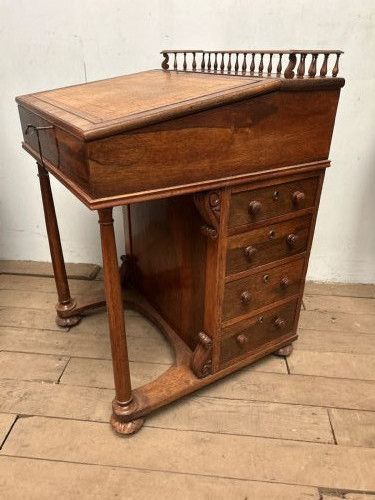
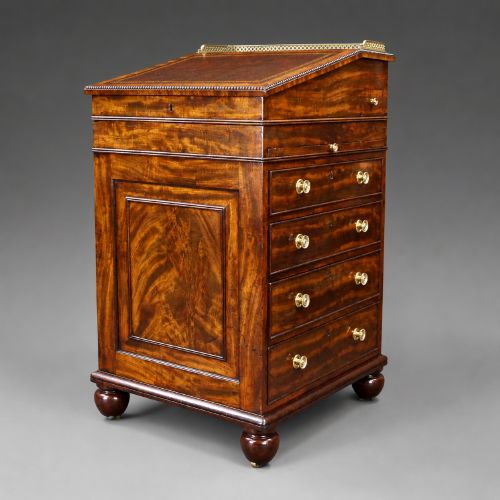
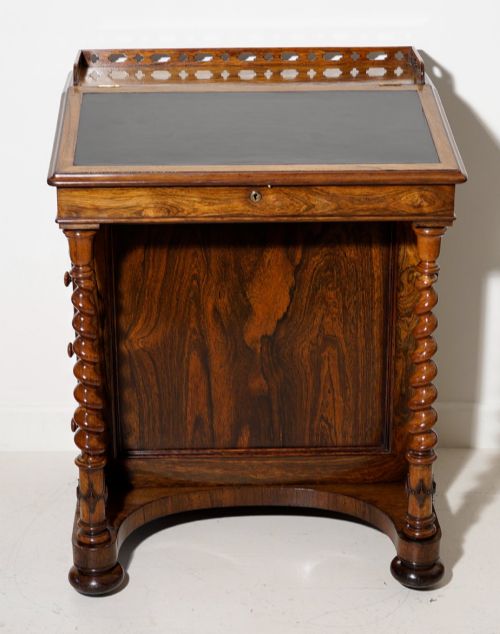
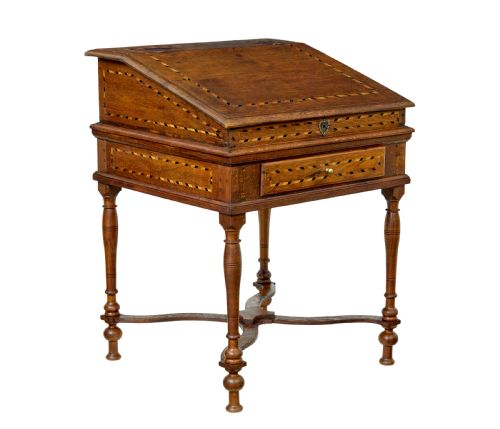
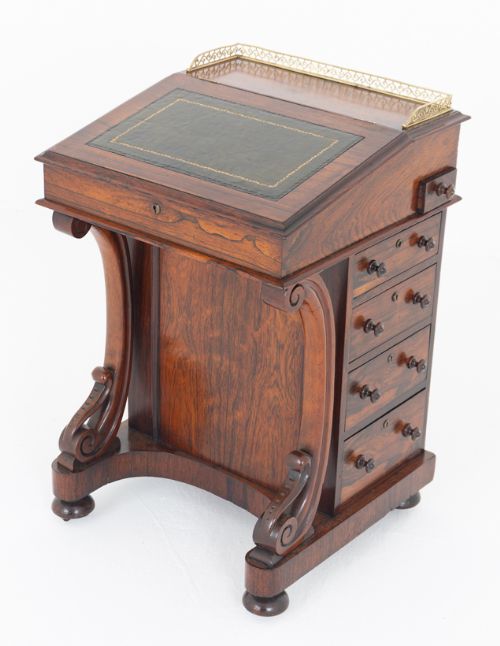
Nineteenth century davenport items encompass compact writing desks, writing slopes, and ceramic tableware such as plates and tureens. The writing desks dominate the selection, offering sloped writing surfaces and pedestal drawers.
Buyers will encounter pieces spanning the Regency, Victorian, William IV, and Georgian periods. Rosewood and walnut are prominent timber choices alongside mahogany, oak, olivewood, and amboyna.
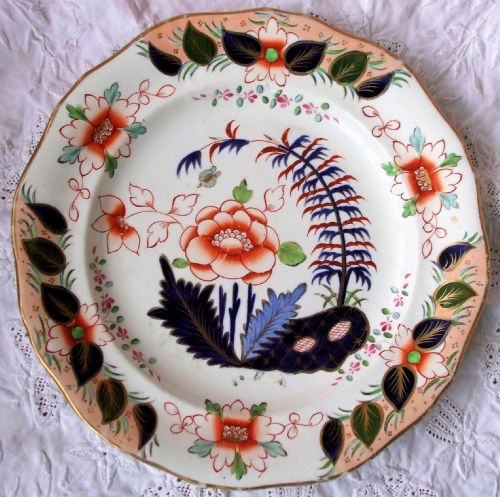
Ceramic pieces from the potteries include ironstone plates and dessert tureens with lids. These items reflect the functional and decorative output associated with the era.
How They Were Made
Cabinet makers utilised dense hardwoods like rosewood, walnut, burr walnut, and flame mahogany to build robust pedestals and writing boxes. Inlays, sliding tops, and pop-up mechanisms required advanced joinery and precision fitting.
Ceramic objects were shaped from ironstone and finished with patterns such as the Imari style. Brass fittings, leather inserts, and internal compartments completed the construction of the writing desks.
Nineteenth Century Davenport Retail Price Guide 2026
Typical asking prices for nineteenth century davenport among the pieces listed under this phrase on Sellingantiques today, from the lower quarter to the upper quarter. They describe what is for sale here now, not the wider market.
One extraordinary nineteenth century davenport even conceals a pop-up piano mechanism inside its walnut frame.
What Varies in Quality
The selection of timber grain, particularly burr walnut, flame mahogany, and figured rosewood, dictates the visual appeal of a writing desk. Figured veneers and intricate inlay work separate standard workshop production from master cabinet making.
Complexity of form also defines the tier of a piece, such as sliding tops, piano mechanisms, or diminutive proportions. Ceramic quality rests on the crispness of the transfer printing or hand-painted Imari decoration and the condition of the glaze.
John Davenport of Longport·Gillows
The Nineteenth Century Davenport Glossary
- Davenport
- A small pedestal desk featuring a sloped writing surface, typically with drawers down one side. The form became popular during the nineteenth century for domestic correspondence.
- Imari
- A style of ceramic decoration featuring iron red, cobalt blue, and gilt, influenced by Japanese export porcelain. Staffordshire potteries adopted this aesthetic on ironstone plates.
- Tureen
- A deep covered dish used for serving soups or desserts. Nineteenth century examples often include matching stands and decorative handles.
- Writing Slope
- A portable or stationary box with an angled lid designed to hold paper and provide a flat surface for writing. They frequently contain velvet or leather inserts.
Nineteenth Century Davenport: Frequently Asked Questions
What is a nineteenth century davenport desk?
A nineteenth century davenport is a compact piece of office furniture featuring a sloping writing desk atop a pedestal base. They typically include drawers accessed from the side and a hinged top.
These desks were designed for domestic use where space was limited. They allowed Victorians and Georgians to write letters and store stationery efficiently.
How do I identify the period of a davenport?
Period identification relies upon the timber, proportions, and decorative details present on the piece. Regency and William IV examples often feature rosewood and classical brass mounts, while Victorian pieces frequently utilise walnut.
Cabinet construction techniques and secondary woods also offer clues to the decade of manufacture. Comparing the stylistic motifs against known eras helps confirm the date.
Were davenports only used for writing?
While primarily built as writing desks, many nineteenth century davenports incorporated clever storage solutions. Interiors often featured small pigeonholes, hidden compartments, and stationery wells.
Some specialised Victorian versions included piano top mechanisms that revealed pull-out writing surfaces. The search phrase also covers ceramic tureens and plates bearing maker marks from this era.
How should I care for a rosewood davenport?
Rosewood and walnut surfaces require stable room temperatures away from direct sunlight and heat sources. Regular dusting with a soft cloth preserves the timber and the original polish.
Leather writing inserts benefit from occasional conditioning to prevent cracking. Avoid using harsh chemical cleaners on the wood or brass hardware.