


Brown Rosewood Desk
A brown rosewood desk is a fine writing piece built with dense, figured timber that brings warmth and character to a room.
Brown Rosewood Desk
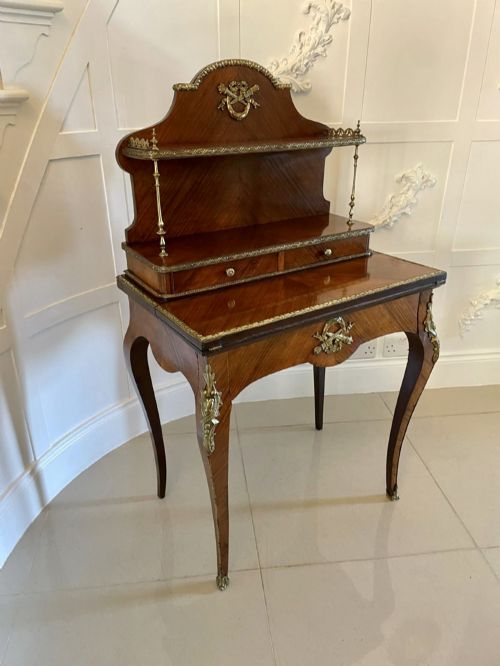
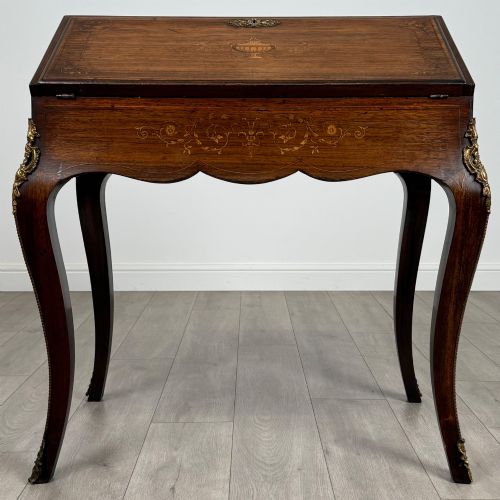
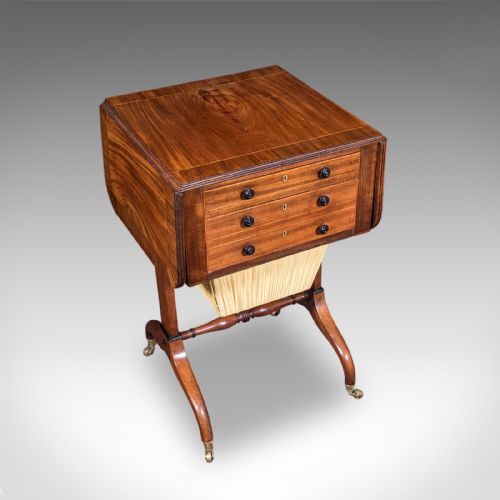
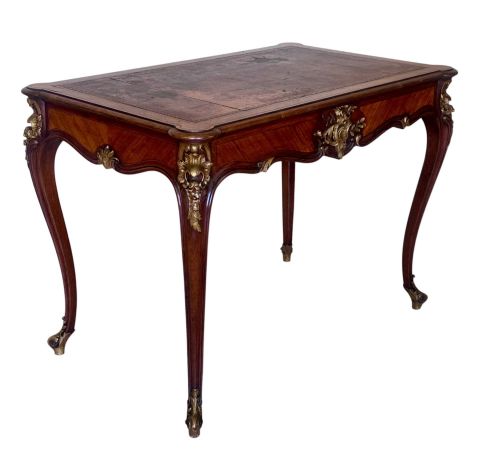
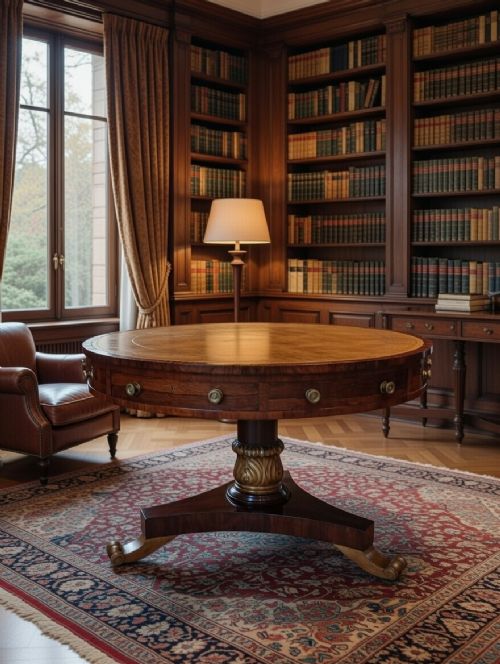
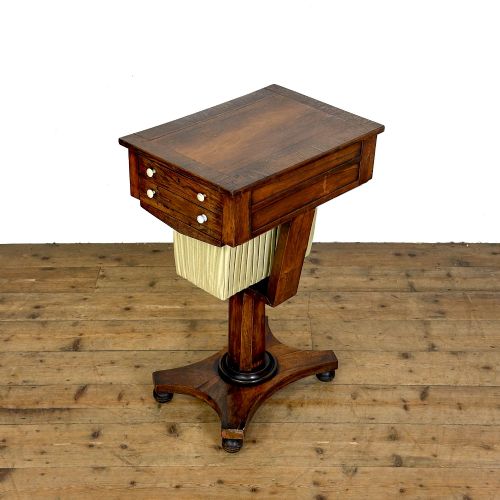
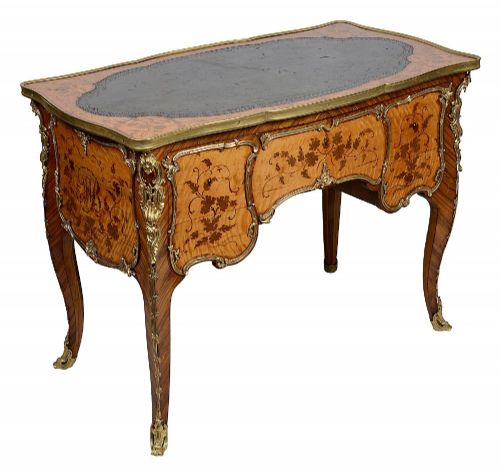
When you search for a brown rosewood desk, you encounter a selection of writing furniture spanning the eighteenth, nineteenth, and early twentieth centuries. These pieces encompass forms such as compact writing tables, library tables, Davenport desks, and elaborate bureau de dame examples from French and English workshops.
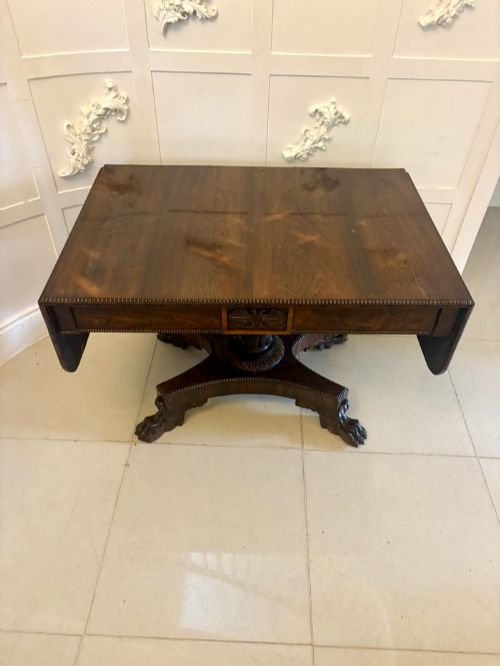
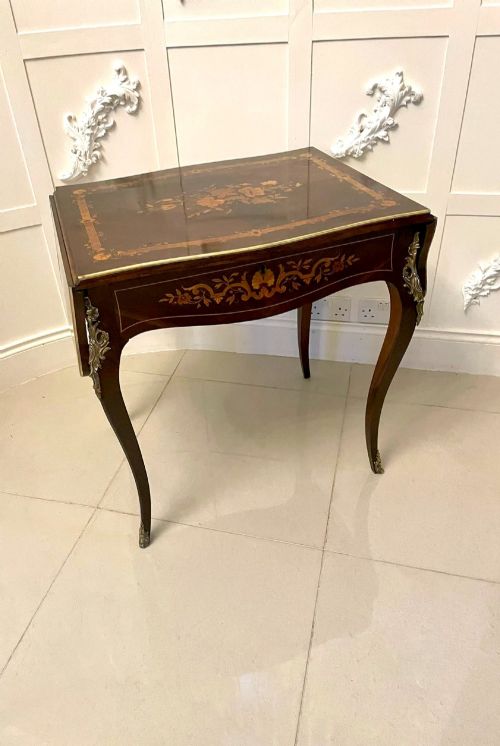
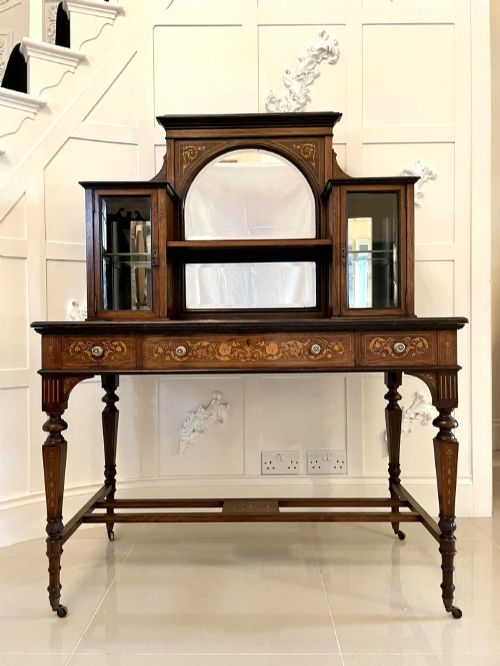
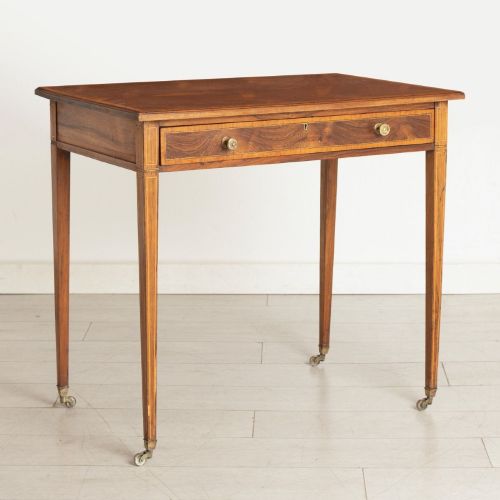
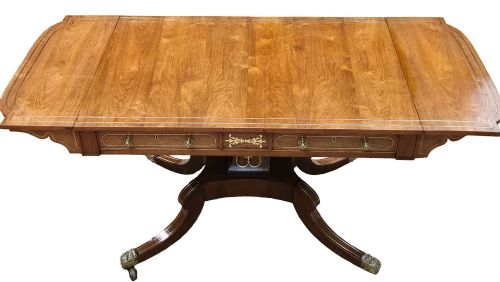
The versions most frequently met on this page originate from the Regency and Victorian periods, often taking the form of freestanding writing tables or sofa tables adapted for correspondence. Their construction balances utilitarian writing surfaces with decorative timber grains, brass mounts, and marquetry inlays.
Makers ranged from notable cabinet-makers like Gillows to continental ateliers producing Louis XV revival pieces. The variety extends from simple nineteenth-century work tables to grand library desks finished with tooled leather inserts.
What varies in quality
Quality rests in the selection of the rosewood veneer, the precision of the marquetry, and the integration of brass or ormolu mounts. Finer examples display continuous grain matching across drawers and top surfaces, whereas simpler pieces rely on standard timber cuts without elaborate banding.
The crispness of hand-chiselled ormolu mounts and the subtlety of internal drawer construction distinguish high-workshop output from standard commercial production. A well-balanced frame with original brass inlay and unwarped writing surfaces represents the upper tier of surviving examples.
Brown Rosewood Desk Retail Price Guide 2026
Typical asking prices for brown rosewood desk among the pieces listed under this phrase on Sellingantiques today, from the lower quarter to the upper quarter. They describe what is for sale here now, not the wider market.
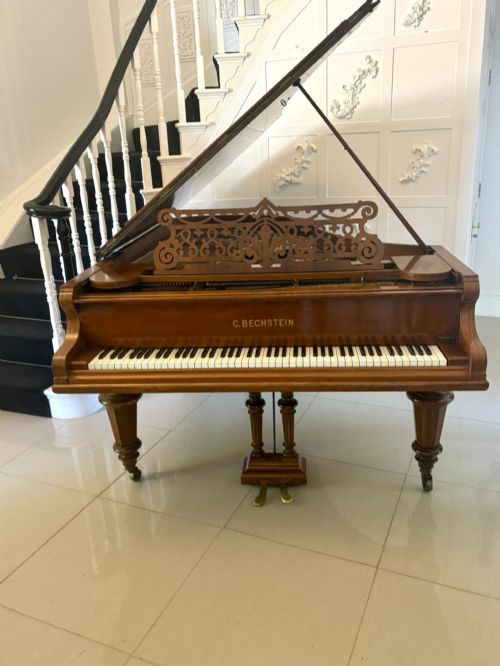
Among the writing furniture rests a boudoir grand piano wearing a rosewood case, proving that some writers preferred musical accompaniment.
Gillows·CH. Jeanselme and Co·Maurice Dufrene·C. Bechstein
The Brown Rosewood Desk Glossary
- Rosewood
- A dense, heavily figured dark timber valued for its rich brown colour and distinct grain patterns. It forms the primary surface material for nineteenth-century library and writing tables.
- Marquetry
- The art of applying pieces of veneer to a structure to form decorative patterns and pictures. It appears frequently on French bureau de dame and Victorian writing desks.
- Ormolu
- Gilt-bronze ornamentation applied to furniture mounts and edges. It provides a bright metallic contrast to dark rosewood surfaces on revival pieces.
- Davenport
- A compact desk featuring a sloped, lidded writing surface above a pedestal of side drawers. It gained popularity during the nineteenth century for domestic correspondence.
Brown Rosewood Desk: Frequently Asked Questions
How do I date a rosewood desk?
Dating relies on observing structural characteristics, hardware styles, and secondary timbers used in the internal drawers. Regency examples often feature brass inlay and sabre legs, while Victorian pieces show heavier carved elements or marquetry.
Comparing construction methods against known periods helps narrow the manufacturing window. Maker stamps or labels, when present, offer the most precise chronological indicator.
Where were these desks made?
These desks originated primarily in English and French workshops, ranging from regional cabinet-makers to major Parisian ateliers. English makers often favoured clean Regency lines, while French makers embraced Louis XV revival curves and ormolu.
Imported tropical rosewood was shipped to European ports before being turned into furniture by skilled joiners. Regional preferences dictated whether a desk took the form of a Davenport, a library table, or a bureau plat.
How do I care for rosewood furniture?
Rosewood benefits from stable indoor humidity and protection from direct sunlight, which can fade the dark brown tones over time. Regular dusting with a soft, dry cloth preserves the polished surface without building up wax residues.
Harsh chemical cleaners should be avoided in favour of traditional beeswax applied sparingly. Maintaining consistent room temperature prevents the timber veneers from cracking or lifting.